
Film
The Pumpkin Eater
A brittle, intelligent drama about a woman chasing stability through marriage while her husband's infidelities and her own anxieties corrode their bond. Anne Bancroft delivers a performance of raw emotional exposure, and the film moves with the precision of a marriage caught in a vice. It's claustrophobic and modern, built on the small betrayals that wreck a life.
If you liked this
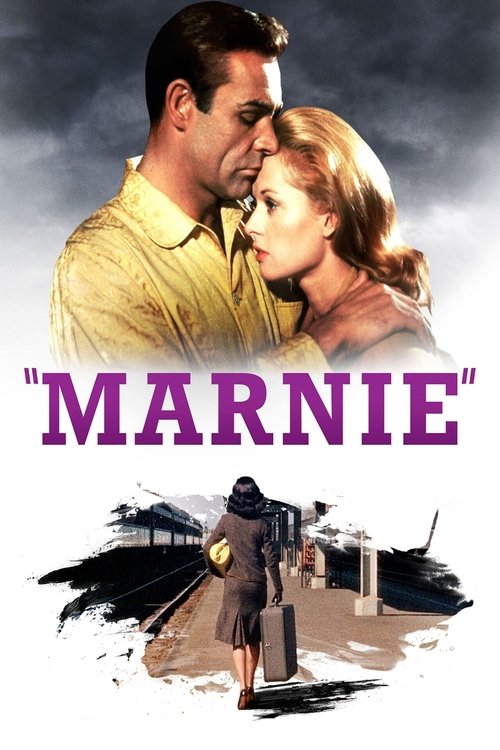
Marnie1964
Hitchcock's psychological thriller about a woman whose compulsions and lies fracture her marriage. Like The Pumpkin Eater, it's fascinated by female damage and desire—what happens when a woman's inner life doesn't match her exterior.
But The film can feel clinical about its protagonist's trauma, and the resolution has aged poorly in how it handles her agency and recovery.
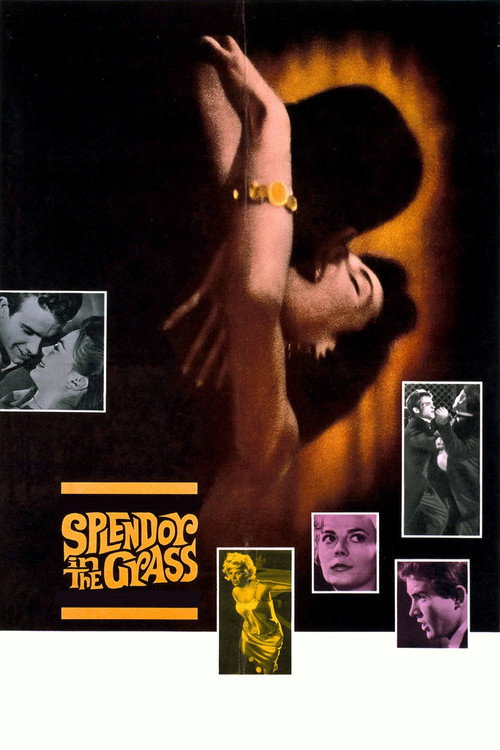
Splendor in the Grass1961
Elia Kazan's lush examination of how desire and social pressure destroy a relationship between two young people. It shares The Pumpkin Eater's belief that passion and circumstance are equally destructive.
But Kazan's direction can be heavy-handed, and the film occasionally preaches about sexual morality in ways that feel dated.
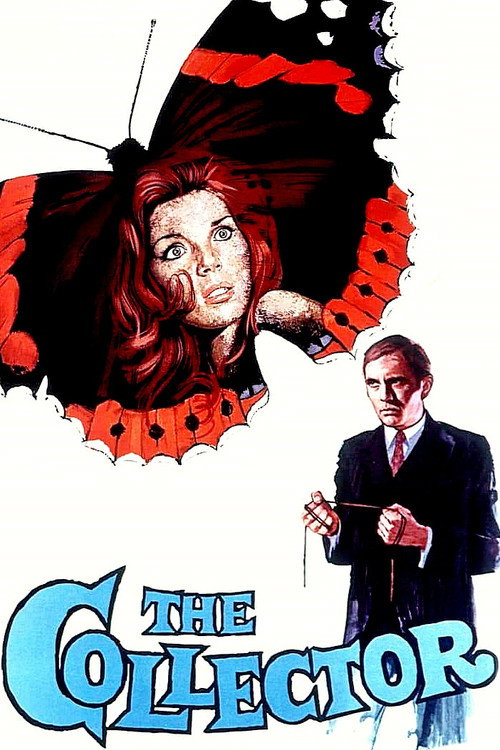
The Collector1965
William Wyler's psychologically intricate portrait of possession and obsession in a claustrophobic setting. Two people trapped by their own needs; the camera never leaves them alone.
But It's genuinely unpleasant to sit with, and some will find the premise exploitative rather than illuminating.
Not sure tonight? Get a pick in a minute, starting from The Pumpkin Eater
The wildcard
Something you would not have found on your own.
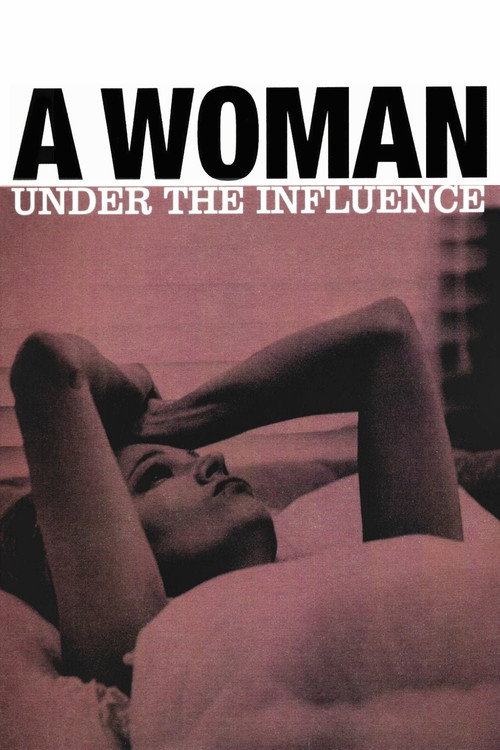
A Woman Under the Influence1974
Both films use performance and close observation to expose the gap between what a marriage looks like and what it feels like. Both center women whose inner weather destroys their domestic arrangements.
Cassavetes' film is The Pumpkin Eater's American cousin—a marriage deteriorating in real time, shot with handheld urgency. Gena Rowlands plays a woman drowning in domestic life with an intensity that rivals Bancroft. No resolution, just truth.
But The naturalistic acting style can feel like eavesdropping on someone's breakdown. It's emotionally exhausting and refuses to frame its pain as narrative.
More like this (7)
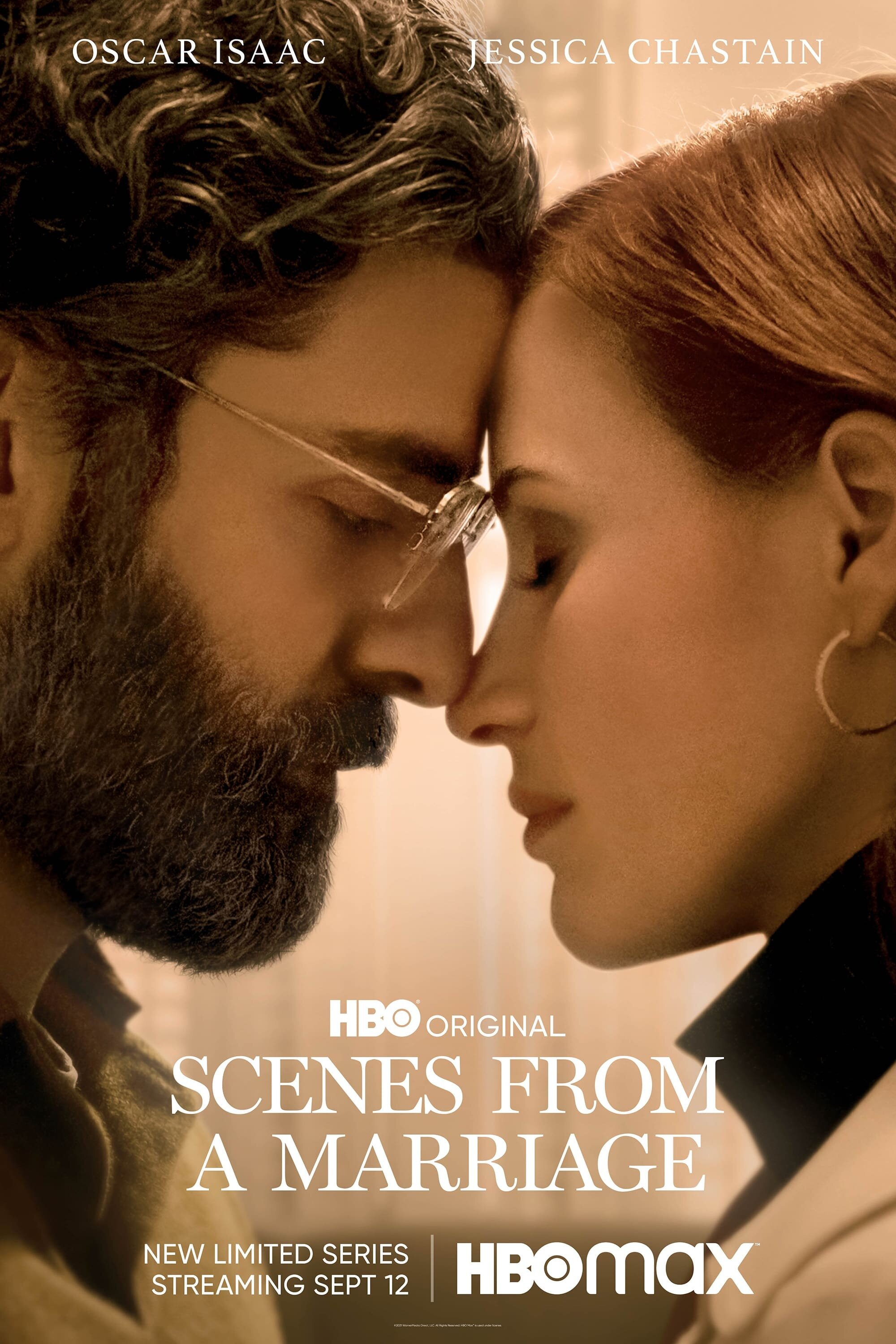
Scenes from a Marriage2021
Bergman's six-hour television masterpiece dissects a marriage with the same unflinching precision. If you want to understand what The Pumpkin Eater was after, this is its spiritual completion.
But It requires real patience and emotional stamina. Six hours of Swedish intellectuals examining their pain isn't for every evening.
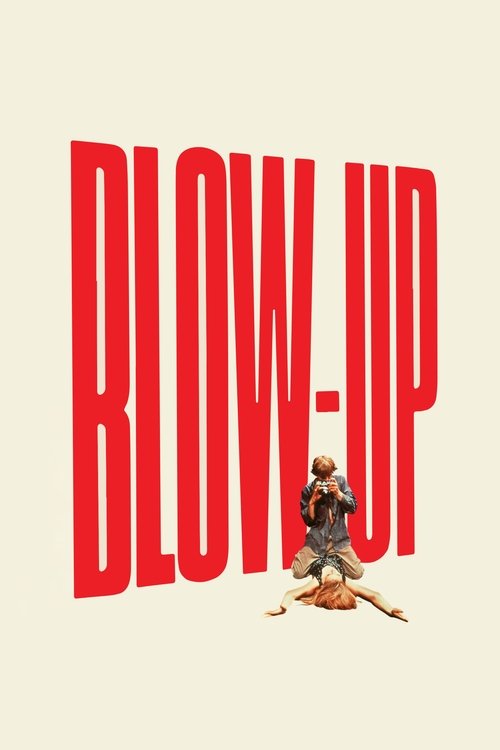
Blow-Up1966
Michelangelo Antonioni's study of a man unraveling through voyeurism and disconnection. Both films use cinema itself to explore how we fail to see what's right in front of us.
But Deliberately elliptical and slow. The camera watches, but offers no answers, which some find maddening.
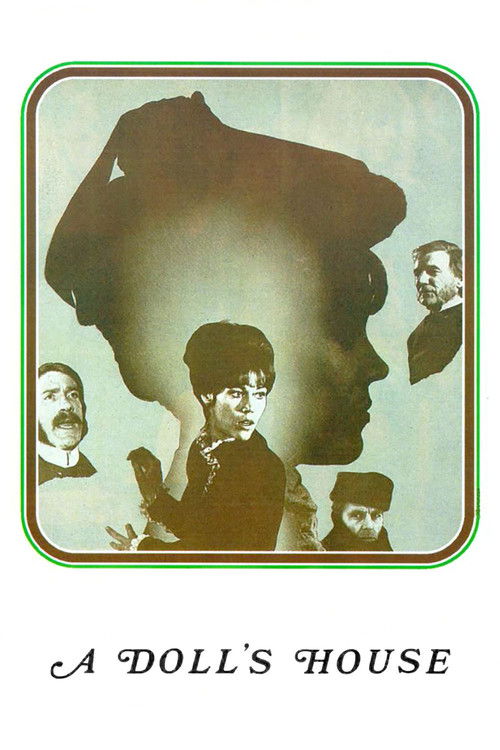
A Doll's House1973
Joseph Losey's adaptation of Ibsen captures a woman recognizing her marriage is a trap built on performance. The same moment of clarity that haunts The Pumpkin Eater, but more explosive.
But Losey's direction is sometimes mannered, and the theatrical source material doesn't always translate to screen naturalism.
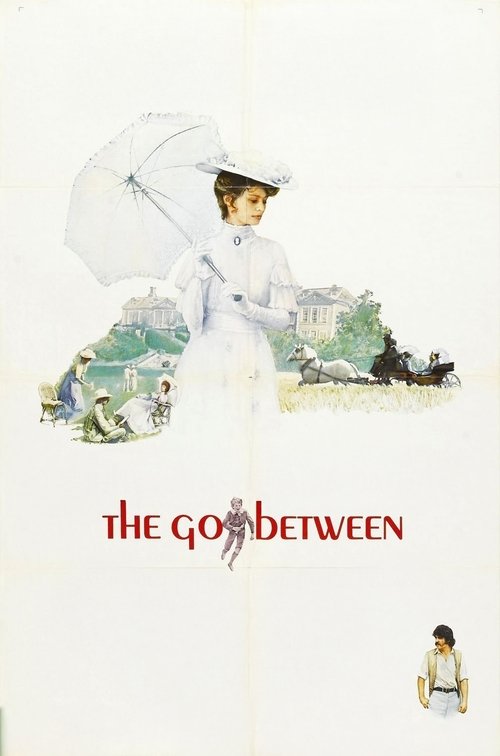
The Go-Between1971
Losey again, this time showing how class and desire destroy a relationship across decades. A more impressionistic approach to the same themes of impossible love and social pressure.
But It's dreamlike and elliptical, which means some plot strands dissolve rather than resolve. Patience required.
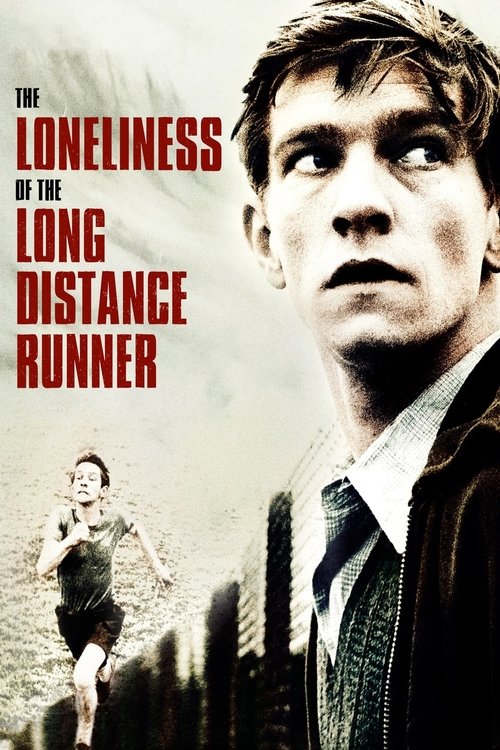
The Loneliness of the Long Distance Runner1962
Tony Richardson's film about a young man trapped by circumstance and his own rebellion. It shares The Pumpkin Eater's interest in how external systems and internal damage conspire against happiness.
But The working-class British setting means the emotional register feels distant if you're expecting the middle-class intimacy of The Pumpkin Eater.
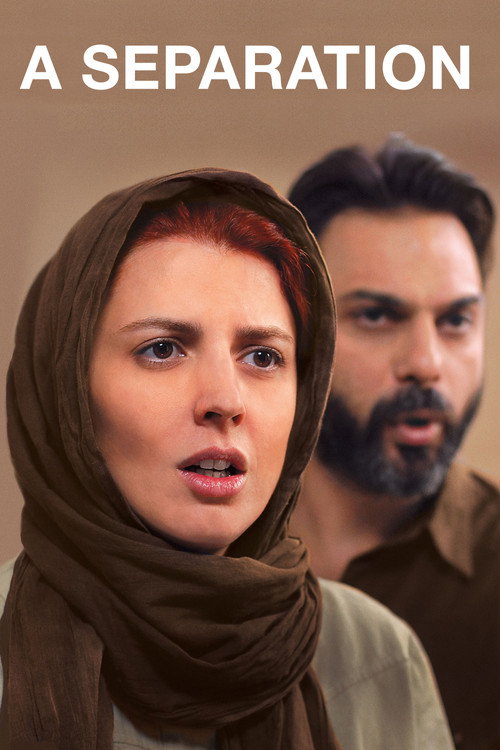
A Separation2011
Both films understand that a marriage's failure isn't melodramatic—it's bureaucratic, incremental, and rooted in small failures of communication and empathy. Both treat their characters' pain as serious and unglamorous.
Asghar Farhadi's Iranian masterpiece about a marriage fracturing under pressure—legal, social, moral. It has The Pumpkin Eater's surgical precision about how circumstance and character conspire. Shot with absolute clarity; every gesture means something.
But The legal and cultural context is distant from 1960s England, and the pacing is deliberately slow. Some will find it too controlled, too cerebral.
In the Mood for Love2000
Both films understand that the deepest wounds in love stories come not from passion but from absence—from the gap between desire and what's permitted. Both use the architecture of spaces to show emotional isolation.
Wong Kar-wai's film about two neighbors who discover their spouses are having an affair. But instead of marital drama, it's a film about longing and restraint—what two people don't do. Visually sumptuous, emotionally devastating, formally perfect.
But The narrative is slender and the mood is deliberately mannered. It's a film about atmosphere and color more than plot, which can read as precious.

People
Cast
 Anne BancroftJo Armitage
 Peter FinchJake Armitage
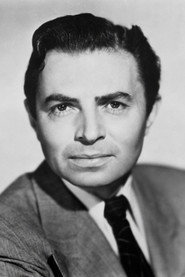 James MasonBob Conway
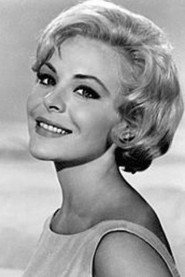 Janine GrayBeth Conway
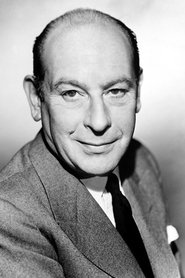 Cedric HardwickeMr. James - Jo's father
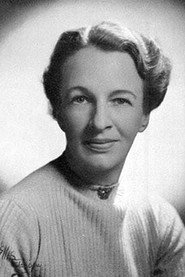 Rosalind AtkinsonMrs. James - Jo's mother
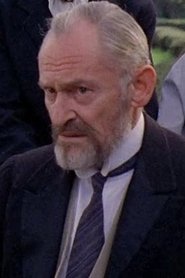 Alan WebbMr. Armitage - Jake's father
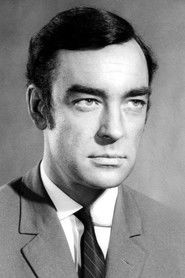 Richard JohnsonGiles
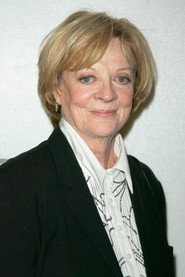 Maggie SmithPhilpot
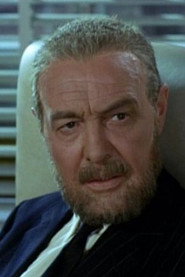 Anthony NichollsSurgeon
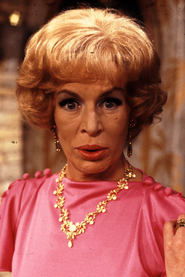 Yootha JoyceWoman at Hairdresser's
 John JunkinUndertaker
Directing
- Jack ClaytonDirector
Writing
- Penelope MortimerNovel
- Harold PinterScreenplay
Production
- James WoolfProducer
- Charles BlairProduction Manager