
Film
Darling
A portrait of ambition and emptiness in mid-1960s London. Diana Scott is glamorous, magnetic, and utterly hollow—a woman who moves through men and marriages like a magpie through shiny objects. John Schlesinger's film is acid-sharp about desire, status, and the particular cruelty of youth. It's for anyone who's watched someone (or been someone) sabotage their own happiness.
Should you watch it?
Watch it if you enjoy sharp, cynical portraits of ambition in which a bright, glossy surface gradually reveals the emptiness beneath, and you like a film that trusts its dialogue and its wit to do the damage.
Skip it if you want characters to root for or a warm, forward-moving story, since its protagonist is slippery and the film stays cool and observational rather than rushing to win you over.
What it asks of you: Settle in for just over two hours of talky, episodic scenes that drift from party to party, and bring patience for a slow build toward its satirical bite.
Not sure? Find tonight's pick in a minute.
If you liked this
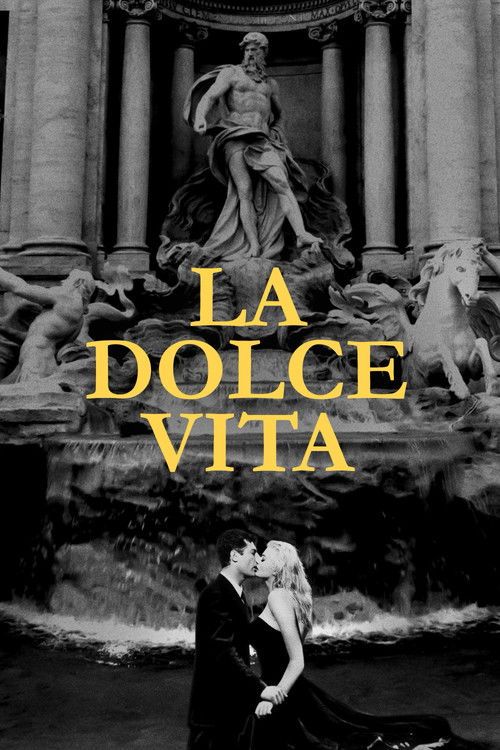
La Dolce Vita1960
Fellini's Rome burns with the same restless hedonism and spiritual numbness. A sprawling, dazzling critique of fame-chasing that moves like a dream but cuts like glass. Essential viewing.
But It's episodic and nearly three hours long. Some sequences feel indulgent now, and the gender politics are appalling even by 1960 standards.
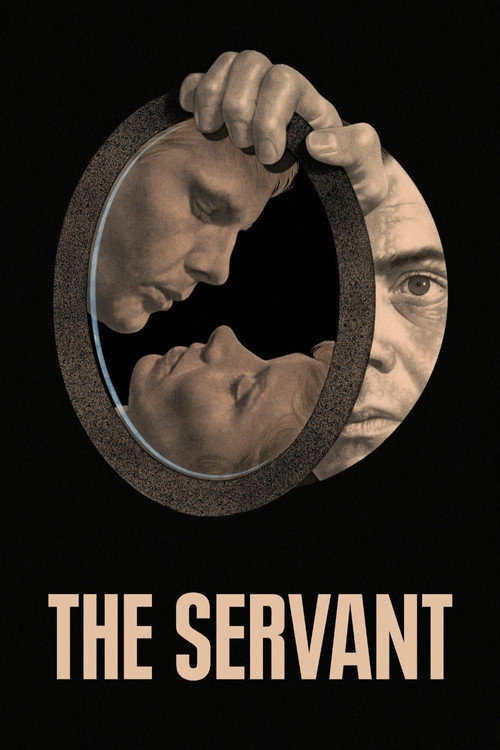
The Servant1963
Losey's study of manipulation and class, with Dirk Bogarde in a completely different role that shows how much range he had. A power game played in a London townhouse that gets under your skin.
But It's deliberately claustrophobic and slow. The psychological games can feel opaque if you're not locked in, and the ending divides people sharply.
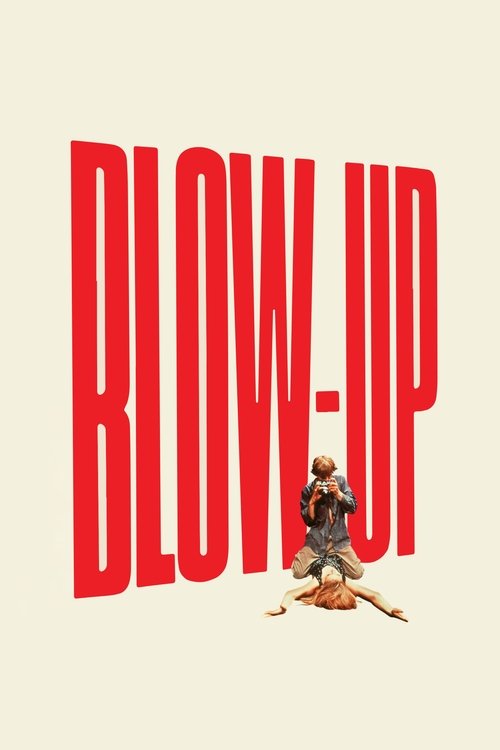
Blow-Up1966
Antonioni's follow-up to Darling, also set in swinging London. A photographer becomes obsessed with what might be hidden in his pictures. Visually stunning and philosophically unsettling.
But The pacing is glacial by modern standards. It's more interested in mood and mystery than answers, which frustrates people looking for plot momentum.
Not sure tonight? Get a pick in a minute, starting from Darling
The wildcard
Something you would not have found on your own.
Contempt1963
Both films are about beautiful people in beautiful places feeling profoundly empty, and both see image-making (modeling, cinema) as complicit in that hollowing-out. The difference is that Godard blames art itself, while Schlesinger blames ambition.
Godard's film about a marriage collapsing during the production of another film. Like Darling, it's about looking and being looked at—but Godard is interested in cinema itself as the disease. Bresson's score is magnificent, and the Capri setting is jaw-dropping.
But It's deliberately anti-dramatic. Long conversations about filmmaking, color fields that go on forever, and an ending that doesn't resolve. Requires patience and rewatching.

More like this (8)
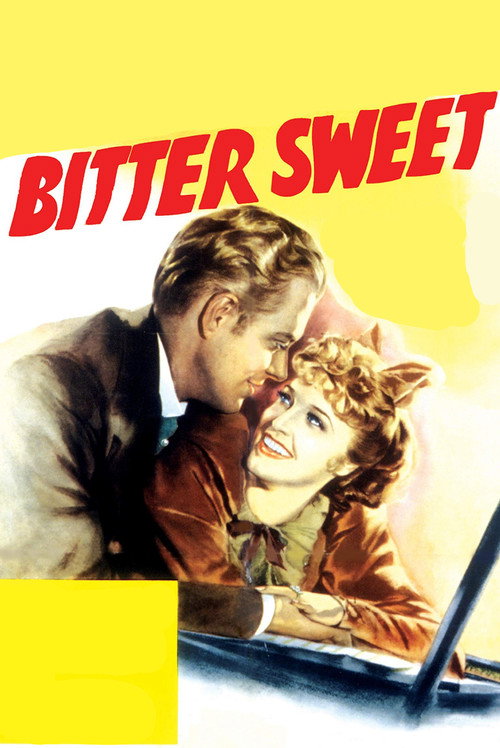
Bitter Sweet1940
A tart, clever drama about a woman using relationships to climb socially, with real affection for its flawed protagonist. Feels like Darling's spiritual descendant, but warmer and less bleak.
But It's British TV-movie subtle rather than theatrical. The look is functional, and it won't grab you visually the way Schlesinger's film does.
Kes1970
Schlesinger again, and just as devastating about class and aspiration, but from the opposite end of the spectrum. A working-class boy's one moment of grace. Visceral and heartbreaking.
But The accents are thick, the setting is bleak, and it builds toward something genuinely tragic. Not a film to watch for comfort.

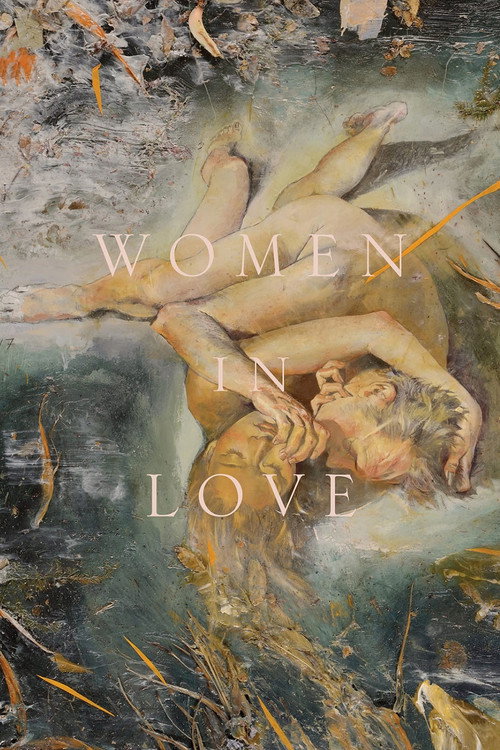
Women in Love1969
Ken Russell's take on Lawrence, with Glenda Jackson at her fiercest. Two couples unraveling amid passion and class anxiety. Raw, sexual, intellectually ambitious—everything Darling was criticizing, but made with love.
But It's explicitly sexual and philosophically dense. The dialogue can feel overwrought, and the symbolism sometimes overwhelms the human drama.
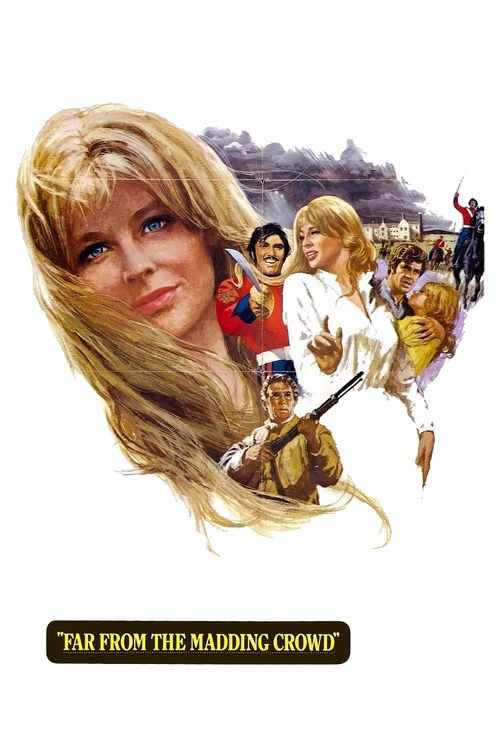
Far from the Madding Crowd1967
Julie Christie again, playing someone who *does* deserve her power: Bathsheba Everdene, a woman who chooses badly but chooses for herself. Lean's cinematography is sumptuous, and the love triangles have real consequence.
But It's a period drama, which can feel mannered. The pacing is leisurely, and some of the tragedy feels inevitable rather than surprising.
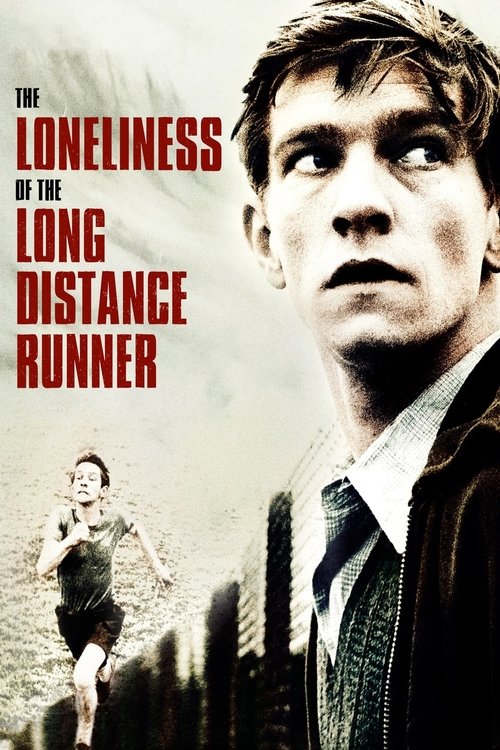
The Loneliness of the Long Distance Runner1962
Tony Richardson's cut at working-class despair and the systems that grind people down. Raw, angry, and full of life. A different kind of portrait of a rigged game.
But It's unrelentingly bleak and didactic. The political message can feel heavy-handed, and there's not much warmth to hold onto.
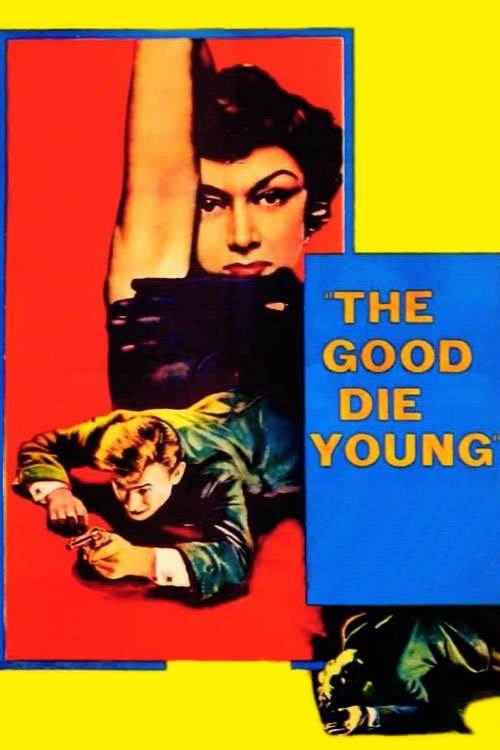
The Good Die Young1954
A lesser-known British crime film with Dirk Bogarde showing his darker side. Taut, cynical, and genuinely tense—a reminder that postwar British cinema had hard edges too.
But It's not as polished as later films. The plot is fairly straightforward noir, and it doesn't have the visual or emotional ambition of its era's best work.
The Killing of a Sacred Deer2017
Both are studies in how beautiful surfaces hide moral rot. Where Darling shows this through social climbing and seduction, Lanthimos shows it through a family's impossible debt. Both ask: what do we owe each other, and what are we willing to pay?
Yorgos Lanthimos's glacial nightmare about a man's moral debts. It has the same precise cruelty as Darling but in a completely different register—clinical, mythic, almost abstract. Extraordinary performances and cinematography that makes you feel watched.
But It's deeply unsettling and refuses to provide emotional catharsis. The dialogue is stilted by design, the family dynamics are suffocating, and it builds toward something genuinely disturbing.

Stalker1979
Both films are about the gap between what we want and what we need, and both suggest that the pursuit of desire is actually a form of spiritual emptiness. But where Darling is satirical and brightly lit, Stalker is grave and shadowed—offering not critique but a kind of mournful wisdom about longing itself.
Tarkovsky's meditative science-fiction epic about desire and the things we chase. A man guides others through a mysterious zone toward a room that grants wishes. Slow, hypnotic, filmed in a desaturated palette that makes you feel the longing.
But It's 163 minutes of philosophical wandering with minimal plot. Nearly silent stretches, metaphysical discussions, and an ending that challenges everything you've watched. Not for anyone wanting narrative momentum.

People
Cast
 Julie ChristieDiana Scott
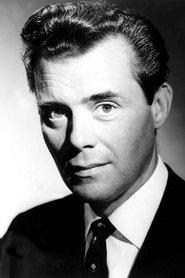 Dirk BogardeRobert Gold
 Laurence HarveyMiles Brand
 José Luis de VilallongaPrince Cesare della Romita
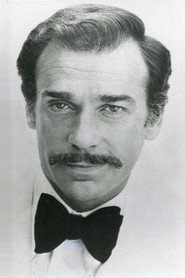 Roland CurramMalcolm
 Basil HensonAlec Prosser-Jones
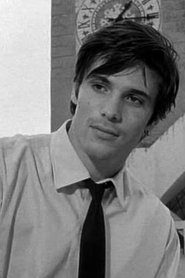 Dante PosaniGino
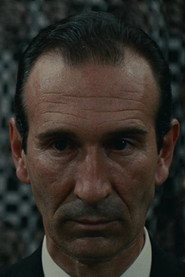 Umberto RahoSignor Palucci
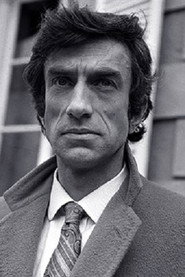 Alex ScottSean Martin
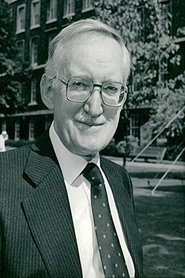 Brian WildeBasil Willett
- Peter BaylissLord Alex Grant
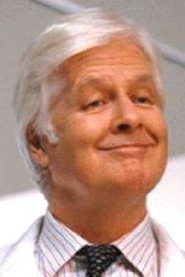 T.R. BowenTony Bridges (as Trevor Bowen)
Directing
- Kip GowansAssistant Director
- Ann SkinnerContinuity
- John SchlesingerDirector
- Robert WattsSecond Assistant Director
- Stuart A. BlackSecond Assistant Director
Writing
- Frederic RaphaelIdea
- John SchlesingerIdea
- Joseph JanniIdea
- Frederic RaphaelScreenplay
Production
- Victor LyndonAssociate Producer
- Miriam BrickmanCasting
- Joseph E. LevineExecutive Producer
- Mara BlasettiLocation Manager
- Joseph JanniProducer
- Ed HarperUnit Manager
Recommended by
Alfie, The Knack... and How to Get It, Staircase, The Honey Pot