
Film
Staircase
A chamber piece about an aging gay couple in a shabby East End barber shop, facing a looming trial that threatens everything. Adapted from Charles Dyer's own play, it's intimate and claustrophobic—two brilliant actors sparring and clinging over one charged night. For anyone drawn to character studies that don't look away from mess, longing, or the specific cruelties of mid-century Britain.
If you liked this
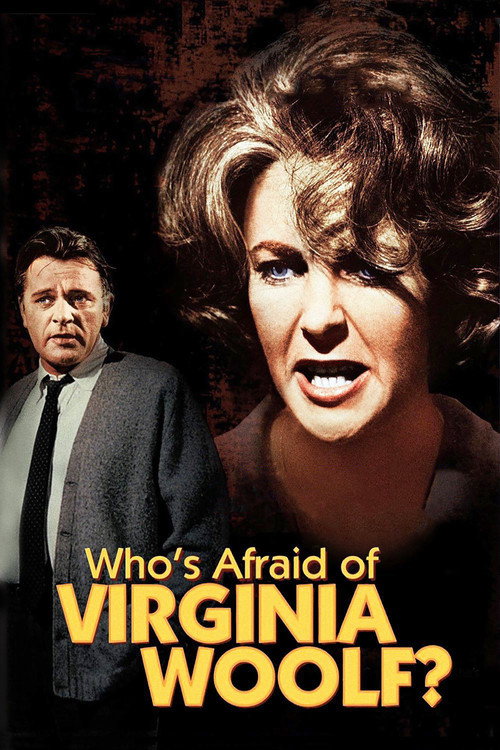
Who's Afraid of Virginia Woolf?1966
Two couples, one vicious night, dialogue that cuts like glass. Elizabeth Taylor and Richard Burton at their most corrosive and electric—this is what Staircase shares: confinement, performative cruelty masking real pain, and the way love can turn to poison.
But It's exhausting by design. Three hours of people tearing at each other can feel less like catharsis and more like punishment.
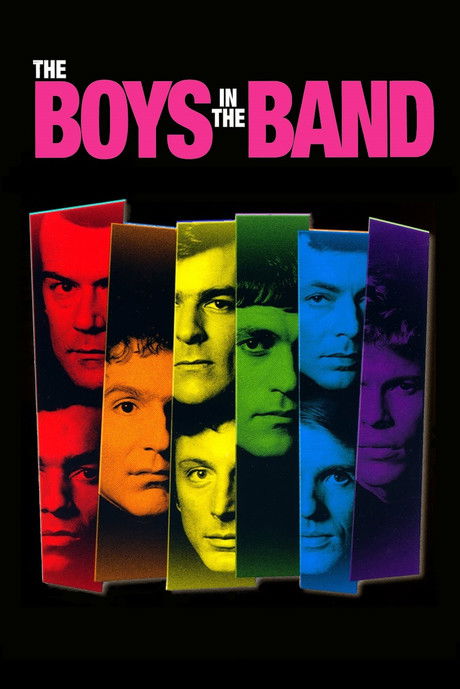
The Boys in the Band1970
A gathering of gay men over one evening, each performance layer peeling back to expose what's underneath. Made just after Staircase, it has the same theatrical DNA and unflinching look at how we hurt the people closest to us.
But Dated social attitudes are embedded in the script itself. It mirrors the self-hatred of its era in ways that land differently now.
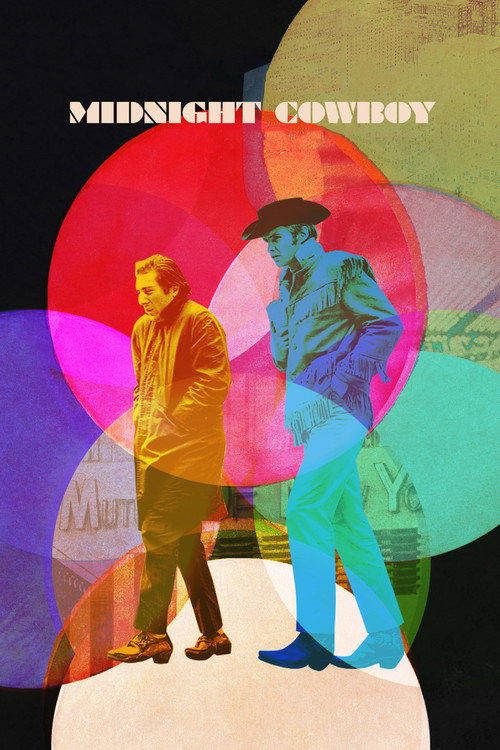
Midnight Cowboy1969
Same year, same raw unflinching look at urban survival and transactional love. A hustler and an older man form a bond neither can quite name or sustain. It's bleak but hypnotic.
But Genuinely grim and sometimes exploitative. There's no comfort offered, and the trajectory is relentlessly downward.
Not sure tonight? Get a pick in a minute, starting from Staircase
The wildcard
Something you would not have found on your own.
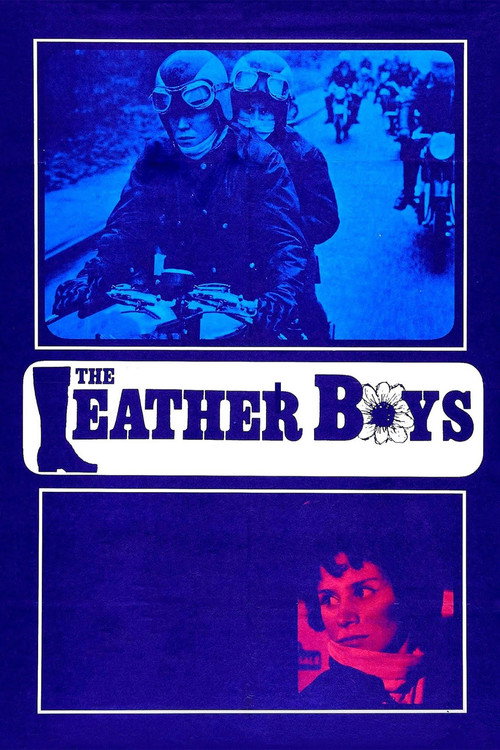
The Leather Boys1964
Both explore gay love within the constraints of 1960s working-class Britain, but The Leather Boys finds beauty in what Staircase sees as inevitable decay.
A working-class British couple—one gay, one discovering he might be—ride motorbikes and love each other in the way the world won't allow them to acknowledge. It's Staircase's spiritual predecessor but shot through with the hope that Staircase has already lost. Same class, same era, opposite emotional register.
But It's more sentimental than Staircase, and the acting is uneven. The biker-gang subplot derails the central relationship.
More like this (8)
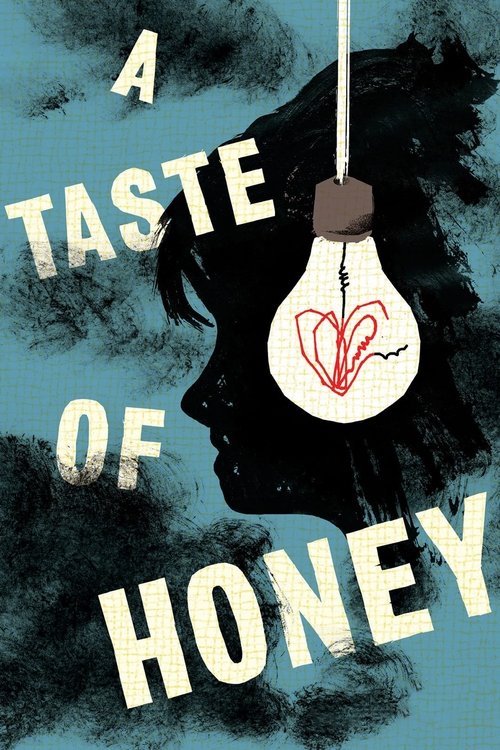
A Taste of Honey1961
Working-class life in the North, a young woman and an older gay man finding tenderness in each other. British, unglamorous, built on real affection beneath the hardship. The spiritual ancestor to what Staircase is doing.
But It's deliberately unglamorous to the point that it can feel slow. The resolution, such as it is, happens offscreen.
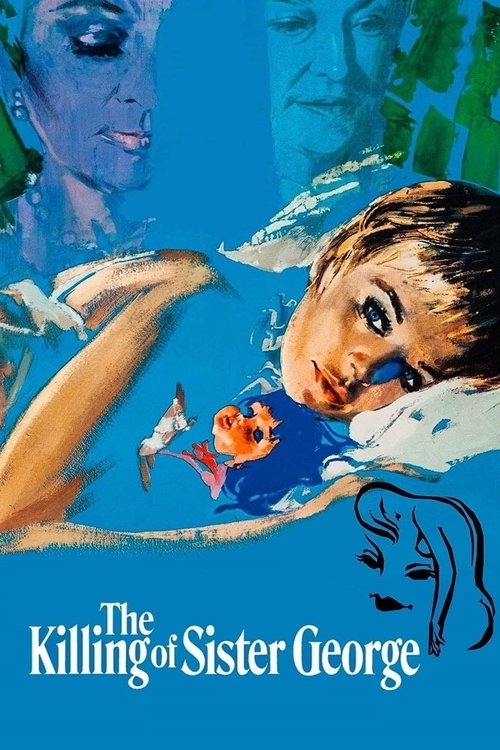
The Killing of Sister George1968
Two women, a failing career, the power dynamics of a long relationship imploding. Made the year before Staircase, it's equally frank about desire, dependency, and the performance of self.
But The sexual content unsettled censors then and can feel explicit now. Some of it reads as exploitative rather than character-driven.
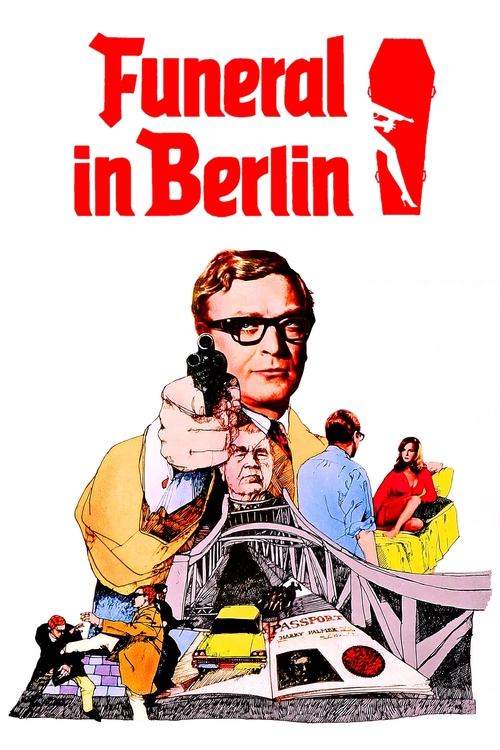
Funeral in Berlin1966
Michael Caine navigating Cold War Berlin, trapped between identities and loyalties. A different kind of confinement—political rather than personal—but the same sense of someone locked in a situation of their own making.
But It's a spy thriller, so the plot machinery sometimes overrides character. Less intimate than you might want.
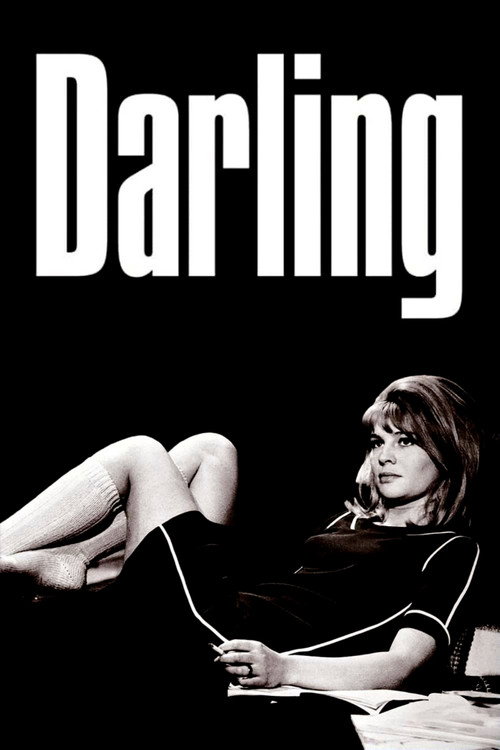
Darling1965
Julie Christie and Dirk Bogarde caught in a love affair that corrodes both of them. London, shallow glamour masking real loneliness, the way desire and contempt can coexist. Sharp and bitter.
But It's contemptuous of its own characters. Sympathy is thin on the ground.
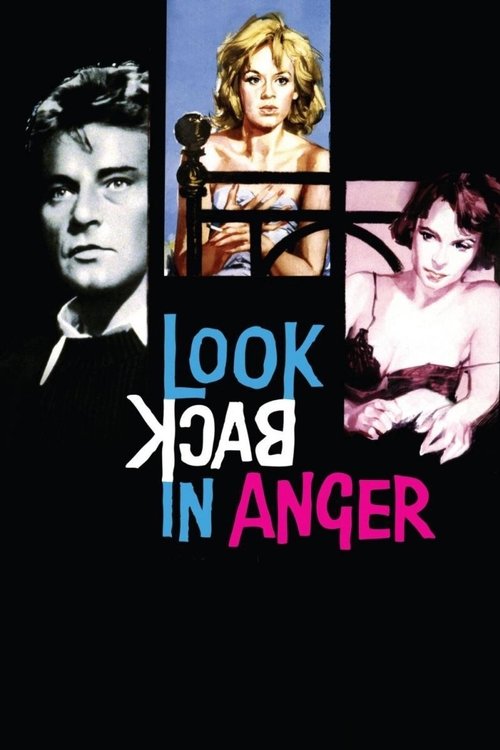
Look Back in Anger1959
Richard Burton as the original angry young man, trapped in a bedsit with a woman he simultaneously loves and despises. The template for everything that follows—claustrophobia, performance, two people who can't leave each other.
But The misogyny embedded in the script is hard to look past. The woman's patience reads less as virtue and more as erasure.
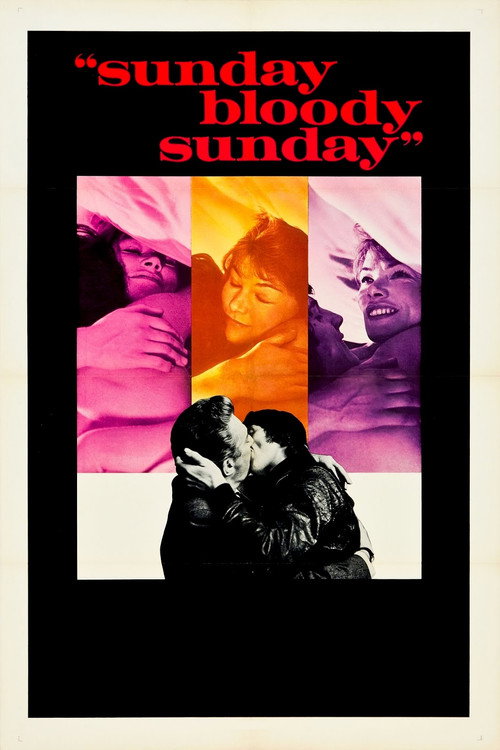
Sunday Bloody Sunday1971
Made just after Staircase, it's another quietly devastating study of a man unable to hold onto love. Less theatrical, more introspective, but built on the same foundation of unmet longing and the life you settle for.
But It moves slowly and asks you to sit with sadness rather than resolve it. Some will find that profound; others will find it inert.
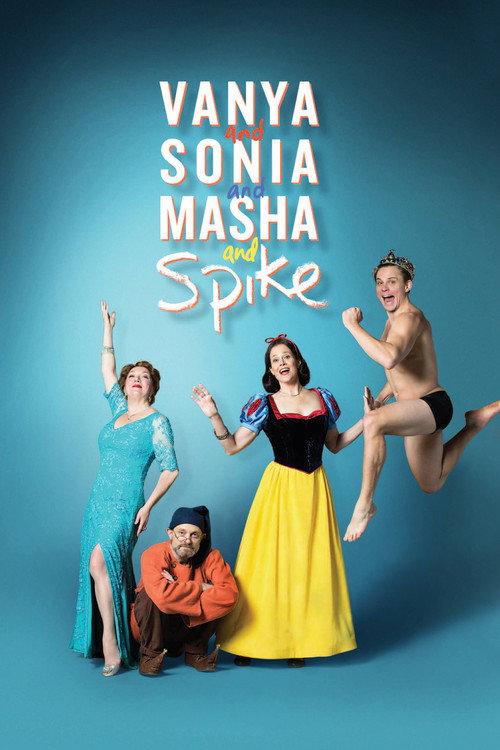
Vanya and Sonia and Masha and Spike2012
Both are theatrical pieces about people locked together by love and circumstance, mining comedy from the gap between who they pretend to be and who they actually are. But where Staircase is trapped and acidic, this finds grace in the same predicament.
A Chekhov adaptation set in contemporary upstate New York. Two aging siblings and their movie-star sister and her younger lover spend a day together. It's chamber comedy with real melancholy underneath—people stuck in patterns they can't break, performing for each other, sometimes accidentally reaching for connection.
But It's talky in a way that requires you to actually listen to the writing. If you want plot momentum, you won't find it.
Synecdoche, New York2008
Both understand performance as a survival mechanism and a trap. Both suggest that the more carefully you document your life, the more it slips away from you.
Philip Seymour Hoffman as a theater director building an elaborate replica of his life, trying to make sense of it through performance. It's messy and difficult and formally inventive. Existentially, it's asking the same question as Staircase: how do we represent ourselves to ourselves?
But It's aggressively difficult and doesn't resolve. The structure collapses intentionally. Many people find it pretentious or incoherent.

People
Cast
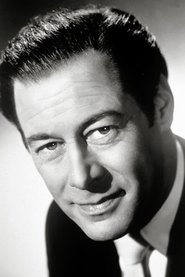 Rex HarrisonCharles Dyer
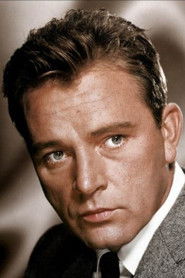 Richard BurtonHarry Leeds
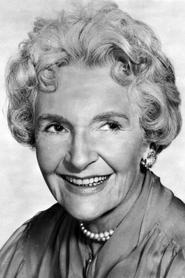 Cathleen NesbittHarry's Mother
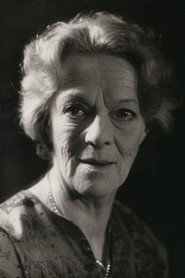 Beatrix LehmannCharlie's Mother
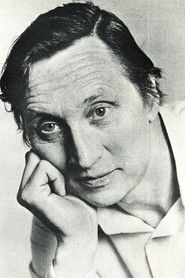 Stephen LewisJack
 Neil WilsonPoliceman
 Gordon HeathPostman
 Avril AngersMiss Ricard
 Shelagh FraserCub Mistress
- Gwen NelsonMatron
 Pat HeywoodNurse
- Dermot KellyGravedigger
Directing
- Marc GrunebaumAssistant Director
- Pierre RoubaudAssistant Director
- Stanley DonenDirector
- Bernard StoraSecond Assistant Director
Writing
- Charles DyerScreenplay
- Charles DyerTheatre Play
Production
- Maude SpectorCasting
- Stanley DonenProducer
- Arthur CarrollProduction Executive
- Marc MauretteProduction Supervisor