
Film
What's New Pussycat?
- Comedy
- Light-hearted
A 1965 sex comedy where Peter O'Toole's commitment-phobic playboy and Peter Sellers' unhinged psychiatrist spiral through Paris in increasingly absurd romantic entanglements. It's shaggy, anarchic, and unevenly funny—more interested in chasing gags than landing them cleanly. For viewers who like their comedy loud, messy, and occasionally inspired by pure chaos.
Should you watch it?
Watch it if you like sixties sex comedy played as wild, talky farce, where the jokes arrive faster than the plot can keep up and the cast seems to be enjoying the mess.
Skip it if you want a tight, grounded romance; the story sprawls through a run of episodic set pieces, and its humour is broad, coy and often more frantic than funny.
What it asks of you: Roughly an hour and three-quarters, it moves in quick restless bursts; keep your attention loose, let the gags land at their own pace, and expect little stillness.
Not sure? Find tonight's pick in a minute.
If you liked this
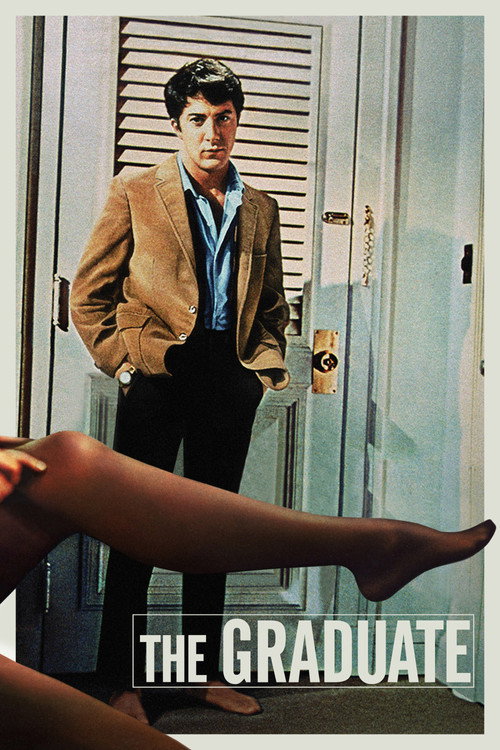
The Graduate1967
Another sexually anxious man navigates desire and expectation in a glossy, beautiful world. More coherent than Pussycat, but shares its fascination with attraction as a source of comic dread and genuine confusion.
But It's a much more restrained film—if you want Sellers' manic energy and anarchic pacing, this will feel civilized and slow.
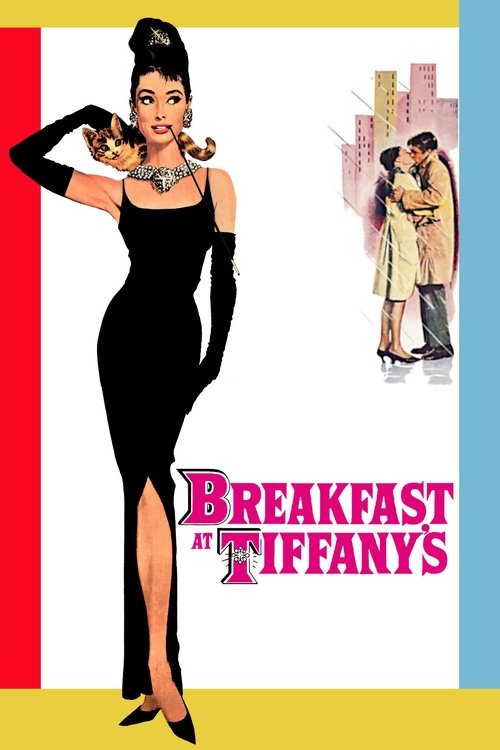
Breakfast at Tiffany's1961
Same era, same Paris-adjacent glamour, same fundamental question: what happens when free spirits meet people who want to pin them down? Audrey Hepburn's lightness makes the chaos feel intentional.
But It's genuinely romantic underneath. Pussycat treats romance like a disease. If you want sincerity, you're in the wrong place.
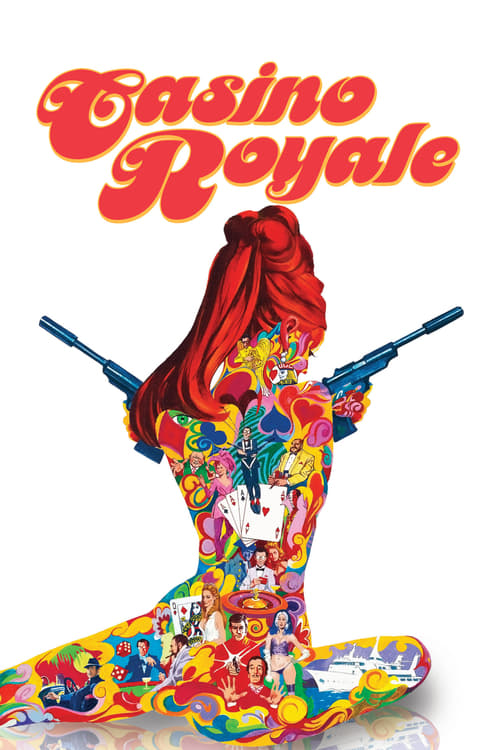
Casino Royale1967
A spy comedy that also gave up on making sense halfway through, threw in multiple directors and stars, and leaned entirely into absurdity. Peter Sellers is in this too, doing similar work.
But It's even more of a mess. Sometimes a film collapses under its own weight instead of dancing on it.
Not sure tonight? Get a pick in a minute, starting from What's New Pussycat?
The wildcard
Something you would not have found on your own.
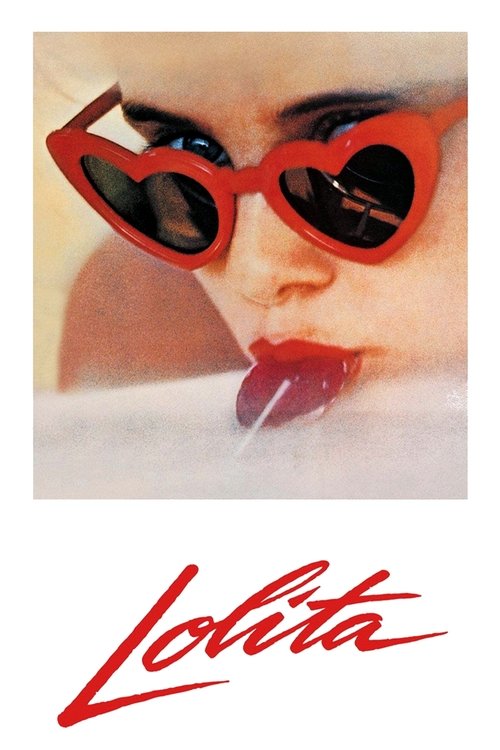
Lolita1962
Both are sixties films wrestling with male desire and featuring Sellers giving a performance that seems to belong in a different film entirely. But where Pussycat uses desire for laughs, Kubrick uses it for horror.
Stanley Kubrick's perverse comedy-drama where Peter Sellers plays a different man entirely—the hapless father, not the chaos engine. It shares Pussycat's obsession with desire as a force that unmakes people, but treats it as tragedy rather than slapstick. Dark, brilliant, deeply unsettling.
But It's about predatory obsession over a child. The source material is toxic, and the film never lets you forget it. This isn't entertainment, it's provocation. Many will find it repellent, and they won't be wrong.
More like this (8)
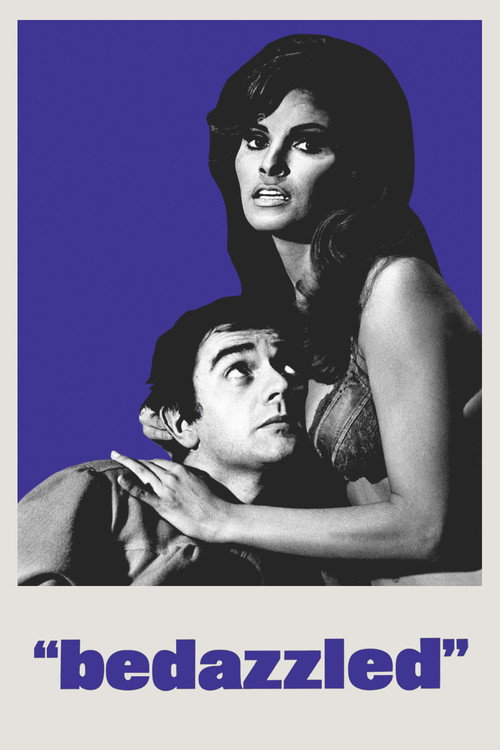
Bedazzled1967
Dudley Moore and Peter Cook's devil bargain comedy has the same Swinging Sixties visual abandon and British sense of humour, plus a genuinely warped moral logic underneath the gags.
But The sketch-comedy DNA means it's episodic and uneven. You'll laugh hard at parts and forget others entirely.
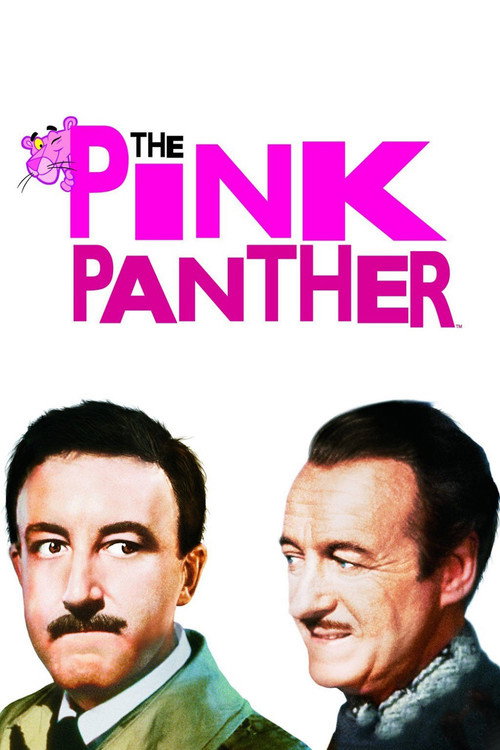
The Pink Panther1963
Peter Sellers in full character-comedy mode, creating something entirely his own from physical comedy and voice. The film around him is sharper, but his performance energy is the same.
But It's a heist film first and a comedy second. If you're here for pure chaos, there's more plot getting in the way.
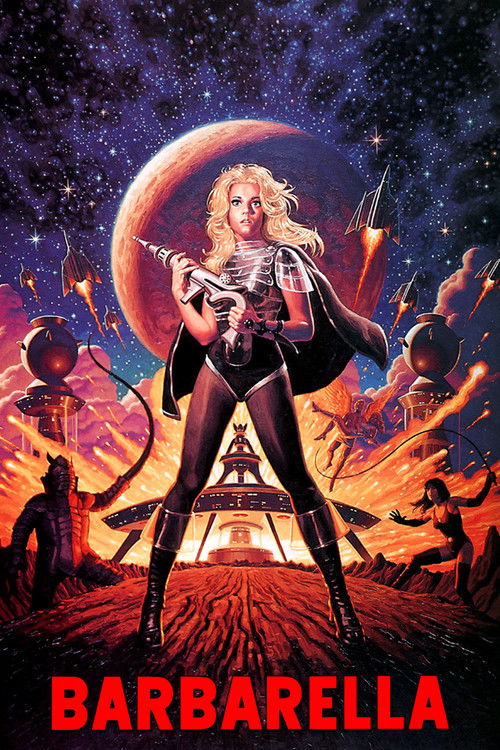
Barbarella1968
Another space-age sex comedy swimming in primary colours and innuendo. Jane Fonda takes the absurdity completely seriously, which is exactly the right move for this kind of material.
But It's sci-fi camp. If colourful costumes and rubber sets don't appeal, the whole enterprise will seem dated and silly rather than fun.
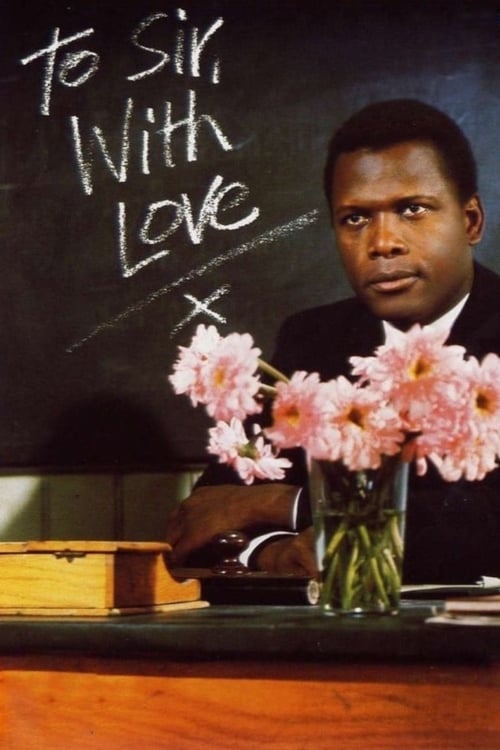
To Sir, with Love1967
Sidney Poitier brings real warmth to a film about connection and understanding. A palate cleanser if Pussycat left you wanting something that actually cares about its characters.
But Completely serious. It's the anti-Pussycat—if you want more chaos, you'll find this earnest and slow.
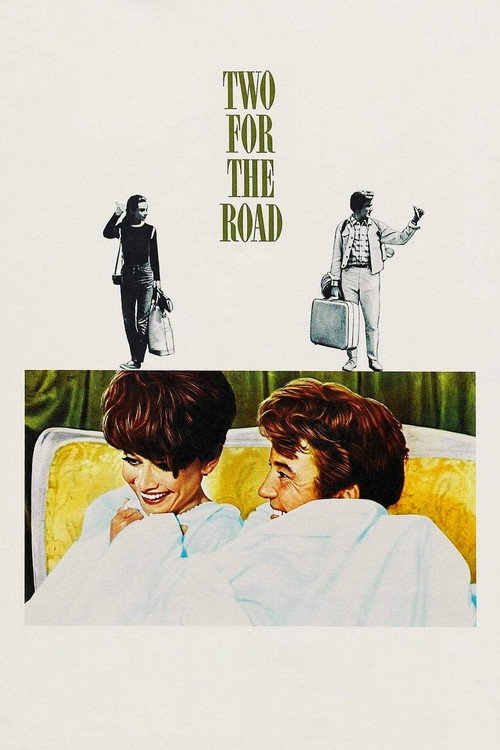
Two for the Road1967
Albert Finney and Audrey Hepburn navigate a marriage across time. It's playful and modern in form, with real warmth underneath. What Pussycat wanted to say about commitment, done with actual feeling.
But It's genuinely sophisticated. No broad comedy here, no Sellers-style meltdowns. Pure elegance might feel like restraint.
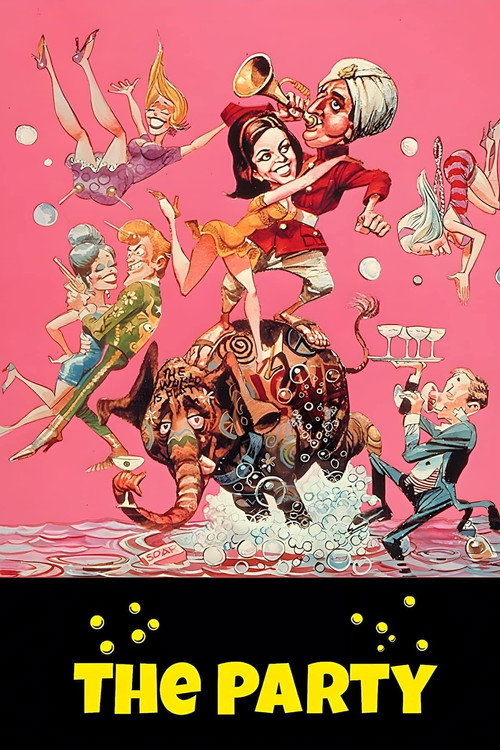
The Party1968
Peter Sellers' masterpiece—a near-silent comedy where a bumbling Indian actor destroys a Hollywood party through sheer accident. Focused chaos instead of scattered chaos, but the DNA is identical.
But Barely any dialogue. If you want the film to explain itself, you'll be frustrated. It's all visual storytelling and timing.
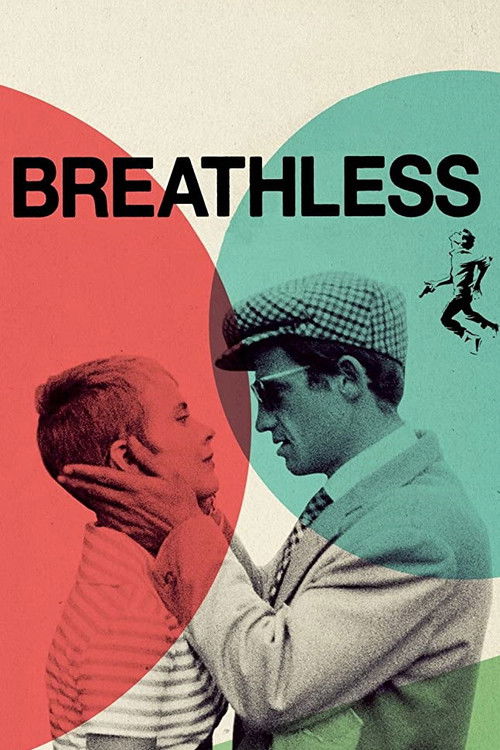
Breathless1960
Same era, same central romantic conflict, same obsession with whether freedom and love can coexist. But Godard made the *form* part of the argument. Pussycat is a conventional comedy that happens to be about chaos; Breathless is chaos made form.
Godard's French New Wave breakout is also about a commitment-phobic man and the woman trying to pin him down, but it's shot like a fever dream and edited like jazz. The same romantic paralysis, but filtered through cinema itself rather than screenplay mechanics. Visually intoxicating.
But It's deliberately anti-narrative. There's barely a plot, the performances are theatrical in a different register entirely, and it demands you meet it halfway. Post-dubbed dialogue, jump cuts, actors breaking character. If you want a story, you're watching the wrong film.
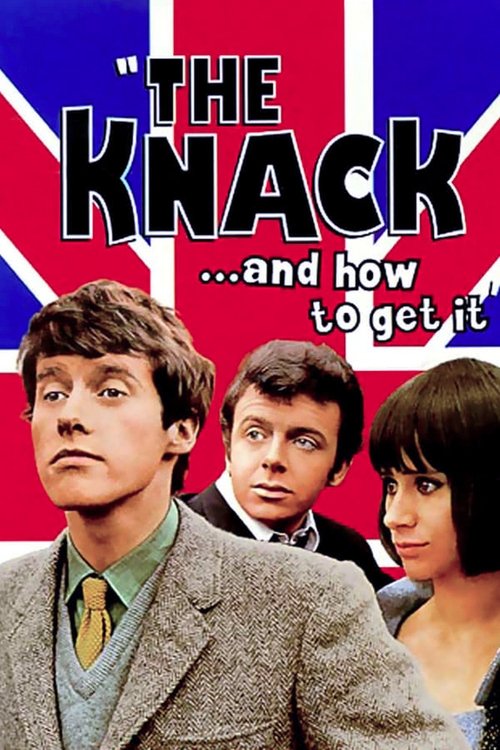
The Knack... and How to Get It1965
Made the same year, same director-driven comedy philosophy (Lester vs. Clive Donner), same Swinging Sixties energy. But Lester understood how to build momentum where Donner just adds more actors. It's what Pussycat wanted to be when it grew up.
Richard Lester's simultaneous British answer to Pussycat—four men, one working-class girl, London instead of Paris, and the same anything-for-a-laugh aesthetic. Yet somehow it feels fresher. Faster, smarter, less interested in stars being stars and more interested in pure visual comedy.
But It's even more episodic and scattershot. The misogyny is baked in harder. And it's genuinely difficult to follow at speed. You have to surrender to it completely or you'll get lost.
People
Cast
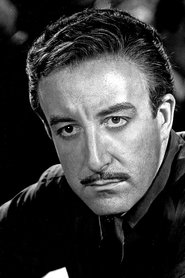 Peter SellersDr. Fritz Fassbender
 Peter O'TooleMichael James
 Romy SchneiderCarole Werner
 CapucineRenée Lefebvre
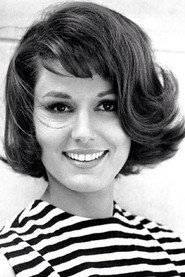 Paula PrentissLiz Bien
 Woody AllenVictor Shakapopulis
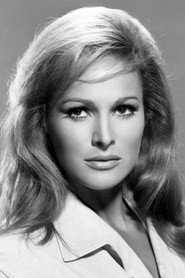 Ursula AndressRita
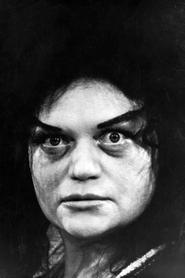 Eddra GaleAnna Fassbender
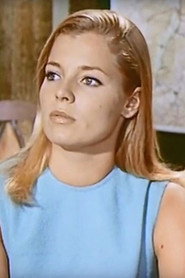 Katrin SchaakeJacqueline
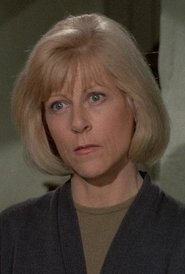 Eléonore HirtSylvia Werner
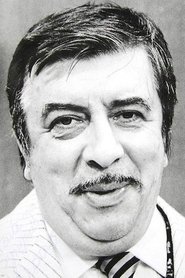 Jean ParédèsMarcel
 Jacques BalutinEtienne
Directing
- Clive DonnerDirector
- Enrico IsaccoFirst Assistant Director
- Richard TalmadgeSecond Unit Director
Writing
- Woody AllenScreenplay
Production
- Richard SylbertAssociate Producer
- John C. ShepridgeExecutive Producer
- Charles K. FeldmanProducer
- Henri JaquillardProduction Manager