
Film
Toys
- Action
- Light-hearted
Barry Levinson's 1992 fever dream: a visually overwhelming toy factory where pastels, whimsy, and production design fight for dominance alongside a genuine moral argument about innocence versus militarization. Robin Williams at maximum childlike energy, playing it straight against the chaos. A film more interested in how it looks than what happens next, which is either its gift or its fatal flaw.
If you liked this
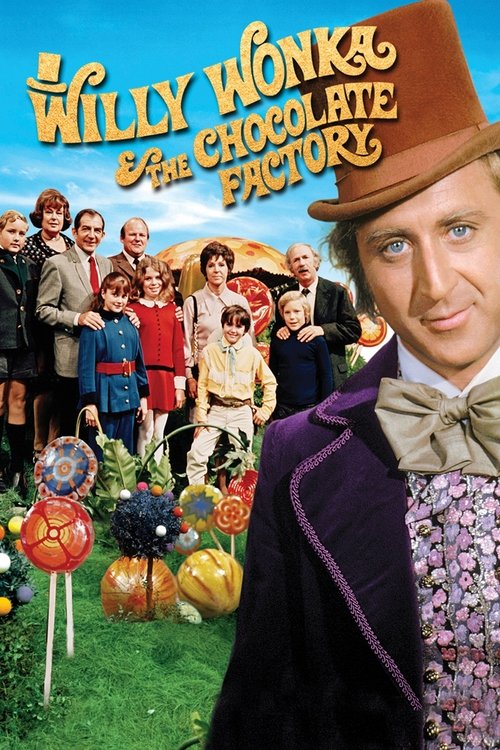
Willy Wonka & the Chocolate Factory1971
A factory of impossible contraptions and childlike wonder, grounded by a thoughtful adult examining systems of power. Wonka shares Toys' faith that visual spectacle can express character and moral philosophy simultaneously.
But It's deliberately paced and meditative rather than plot-driven, which demands patience that modern cinema has trained us not to have.
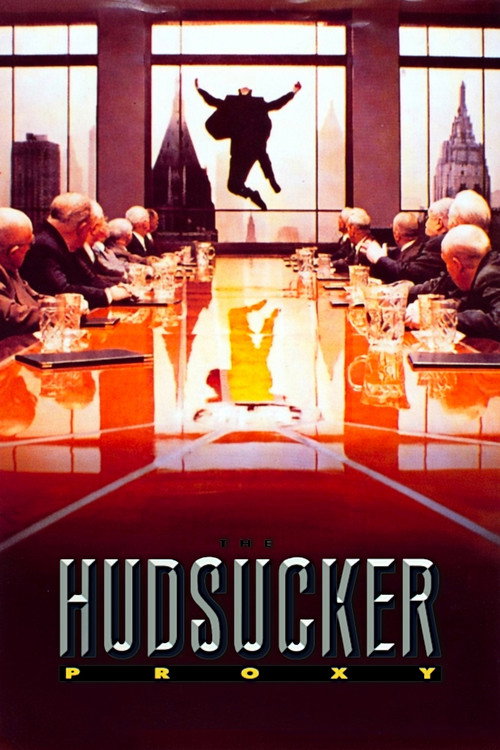
The Hudsucker Proxy1994
Coen Brothers lunacy wrapped around a sincere story about corruption and goodness. It shares Toys' belief that production design and visual gags can carry genuine emotional weight without ever winking.
But The stylization is relentless and might read as exhausting if you're not immediately on board with its particular flavor of twee.
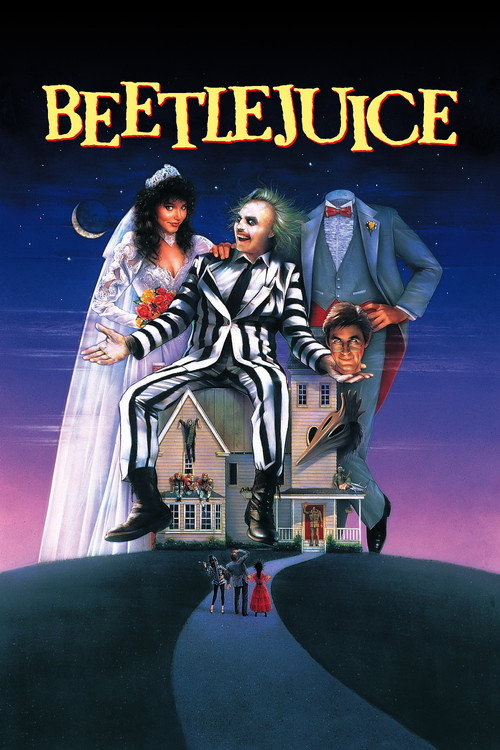
Beetlejuice1988
Tim Burton balances grotesque design with heart and comedy. Like Toys, it trusts that you can find beauty and emotion inside visual chaos, and that a weird world can still matter.
But Some find Burton's aesthetic so signature it overshadows character, which is a fair criticism leveled at both films.
Not sure tonight? Get a pick in a minute, starting from Toys
The wildcard
Something you would not have found on your own.
Synecdoche, New York2008
Both films use a contained creative space (toy factory, theater warehouse) as a metaphor for art-making itself—whether creation preserves innocence or inevitably corrupts it.
Kaufman's only directorial feature is about a theatrical director building an ever-expanding scale model of the world inside his warehouse—literally Toys' central metaphor made into the entire story. The connection isn't surface but structural: both films are about creators wrestling with whether art should mirror reality or replace it.
But It's a deliberately elliptical, self-consuming narrative that gets progressively harder to follow and heavier in mood. This is the opposite of Toys' aesthetic joy; it's artistic ambition curdling into obsession.

More like this (8)
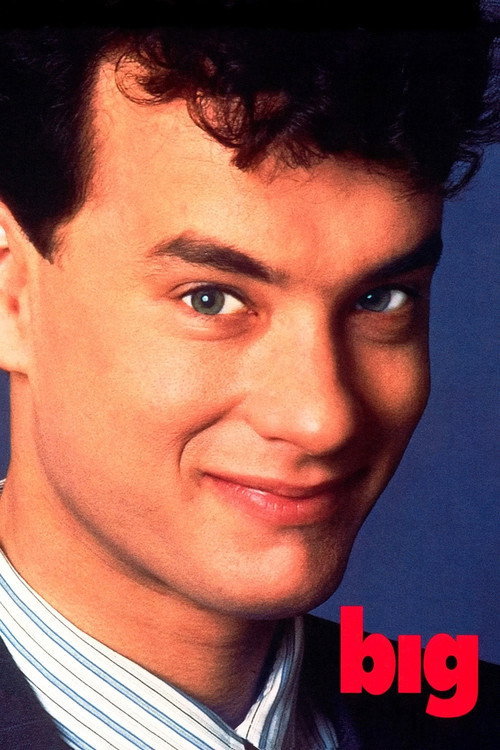
Big1988
Tom Hanks as a child in an adult world—the inverse of Toys' sensibility, but equally fascinated by how innocence relates to systems of power and capitalist machinery.
But It's significantly more conventional in structure, so you won't get the baroque visual delirium Levinson serves.
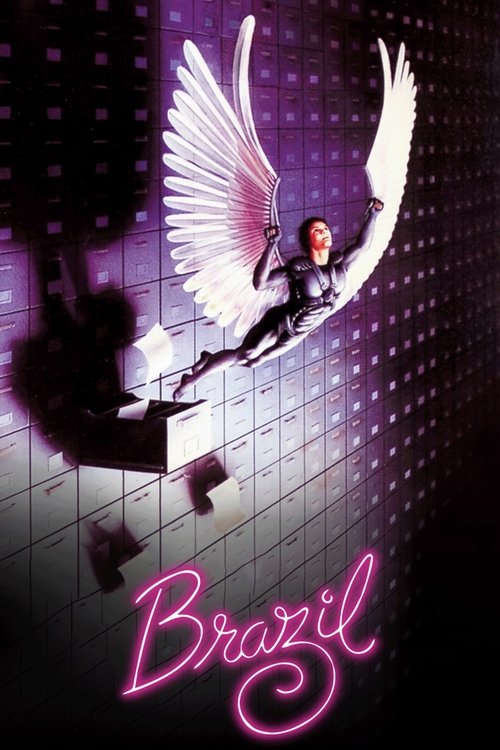
Brazil1985
Gilliam's dystopian masterpiece uses overwhelming production design and visual excess to express genuine horror. Both films believe that *how* you show something is inseparable from what you're saying.
But It's bleak where Toys reaches for hope, and the narrative intentionally frustrates. Not comfort viewing.
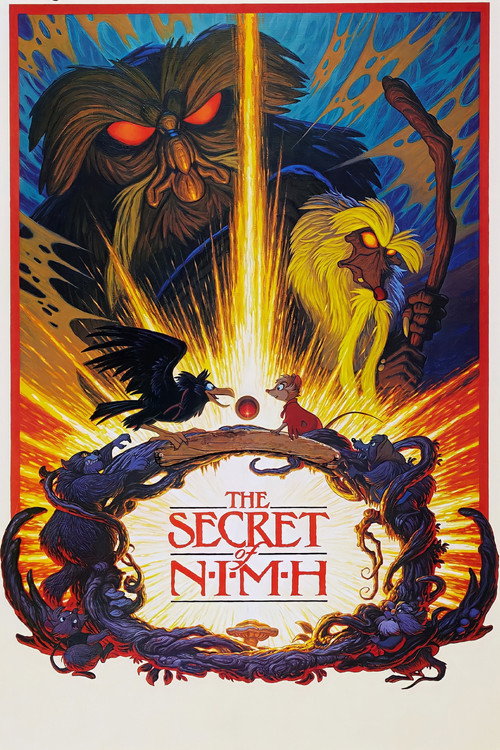
The Secret of NIMH1982
Don Bluth's dark animated fairy tale trusts children to handle moral complexity. Like Toys, it refuses to condescend and wraps something genuinely unsettling in visual beauty.
But It's animated and from the 80s, so if that pedigree doesn't appeal, nothing here will convert you.
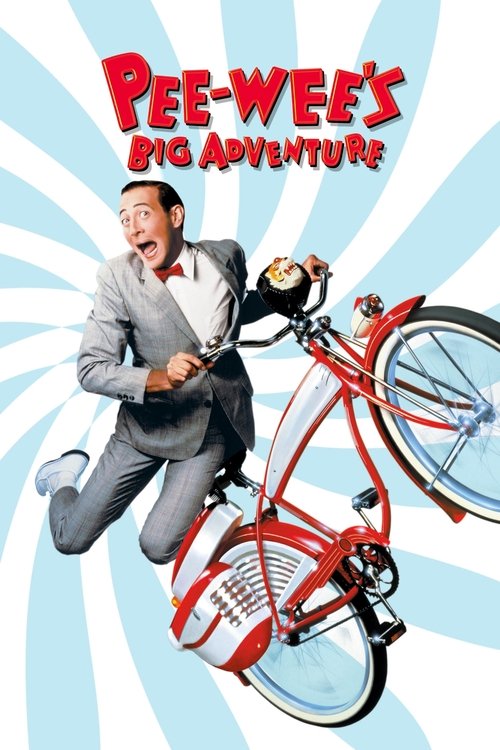
Pee-wee's Big Adventure1985
Burton's first film: childlike protagonist, maximalist production design, and genuine affection beneath the surrealism. The DNA is identical—adult sensibility wearing a child's costume.
But Some humor lands in dated territory, and the whole enterprise banks on your tolerance for Pee-wee's particular brand of peculiarity.
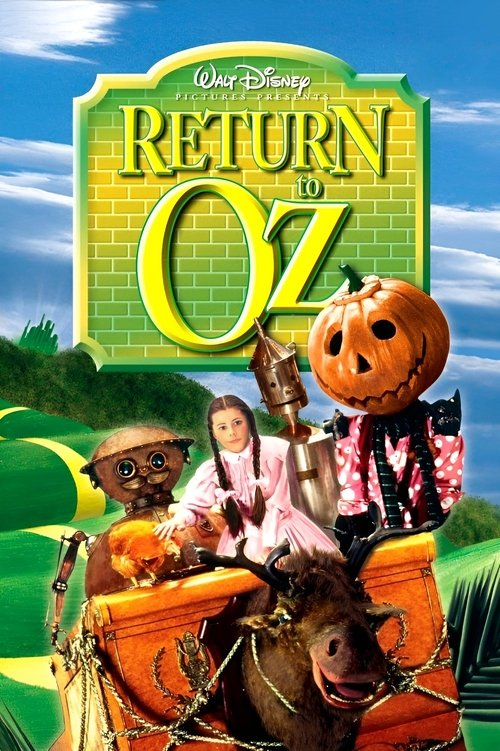
Return to Oz1985
Haunting, unexpectedly dark sequel that uses production design to make the familiar strange. Proof that children's stories can house genuine unease without abandoning their sense of wonder.
But It's genuinely creepy in ways that might disturb rather than entertain if you were expecting whimsy.
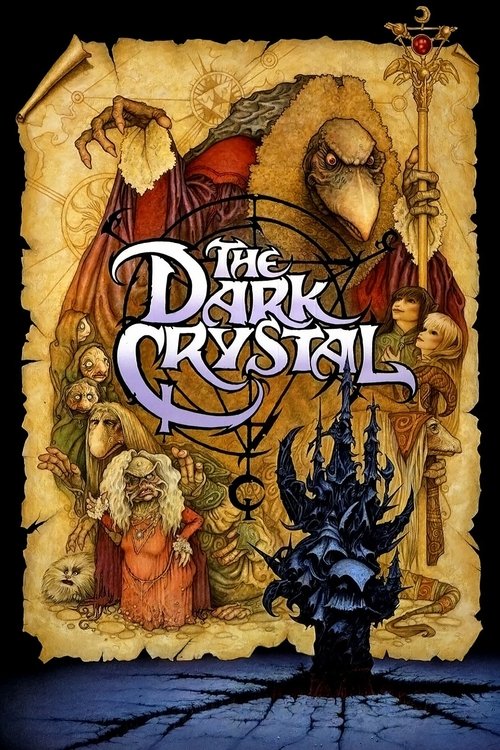
The Dark Crystal1982
Henson and Oz's full-throttle creature fantasy. Like Toys, every frame is hand-built passion, and the film trusts that elaborate puppetry and practical design can move you without irony.
But Puppetry requires a specific tolerance for artifice, and the pacing is deliberate to the point of hypnotic.
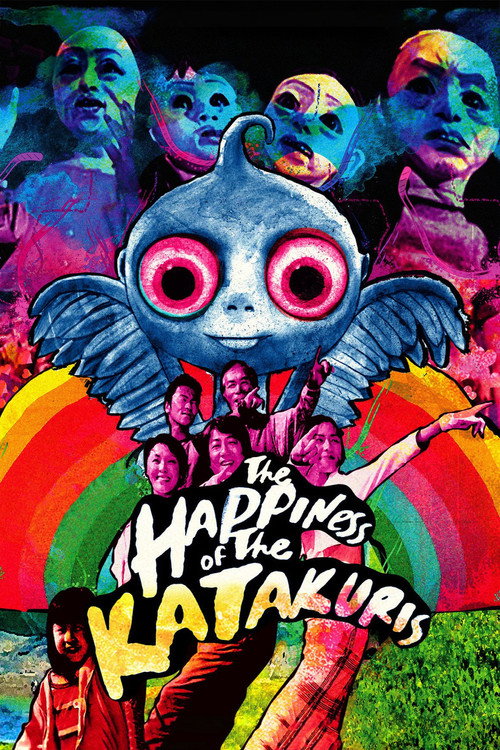
The Happiness of the Katakuris2002
Both abandon tonal consistency for emotional truth. They shift from whimsy to darkness to earnestness because that's how feeling actually works, not how Hollywood thinks it should.
Takashi Miike's surrealist dark comedy musical about a family running a small inn. It has Toys' willingness to shift registers wildly—horror, slapstick, musical numbers, genuine pathos—within a single frame without apology.
But It's Japanese, subtitled, tonally schizophrenic even by that description, and contains body horror that will genuinely revolt some viewers.
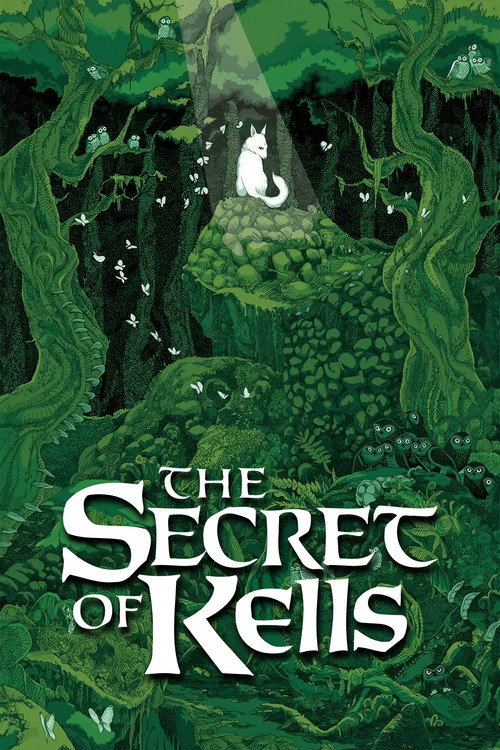
The Secret of Kells2009
Both films subordinate narrative to the intoxication of *looking*—visual beauty as the true subject, not a vehicle for story. The experience of watching is the point.
Cartoon Saloon's hand-drawn animation is pure visual intoxication—every frame a painting. Like Toys, it proves that gorgeous production design isn't ornament but the actual substance of what you're experiencing emotionally.
But It's a children's film with minimal plot and folkloric pacing. If you need story momentum and emotional payoff, you'll find it frustratingly static.
People
Cast
 Robin WilliamsLeslie Zevo
 Michael GambonGeneral Zevo
 Joan CusackAlsatia Zevo
 Robin WrightGwen Tyler
 LL Cool JPatrick Zevo
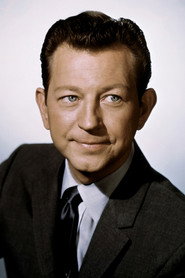 Donald O'ConnorKenneth Zevo
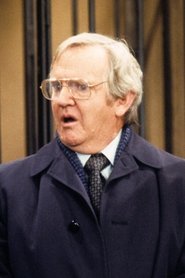 Arthur MaletOwen Owens
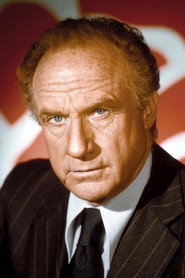 Jack WardenOld General Zevo
 Debi MazarNurse Debbie
 Wendy MelvoinChoir Soloist
 Julio Oscar MechosoCortez
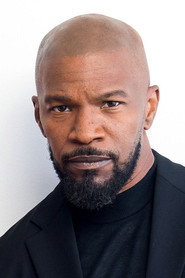 Jamie FoxxBaker
Directing
- Barry LevinsonDirector
- Peter GiulianoFirst Assistant Director
- Kate DaveySecond Assistant Director
Writing
- Barry LevinsonWriter
- Valerie CurtinWriter
Production
- Ellen ChenowethCasting
- Charles NewirthCo-Producer
- Peter GiulianoCo-Producer
- Barry LevinsonProducer
- Mark JohnsonProducer
- Charles NewirthUnit Production Manager