
Film
Cradle Will Rock
Tim Robbins's audacious 1999 drama about a 1930s leftist musical's battle for existence. Weaving together Depression-era politics, art, and ambition through interconnected stories, it's energetic and dizzyingly ambitious—sometimes thrillingly so, sometimes chaotically. For those who love movies about art under pressure and sprawling ensembles.
If you liked this
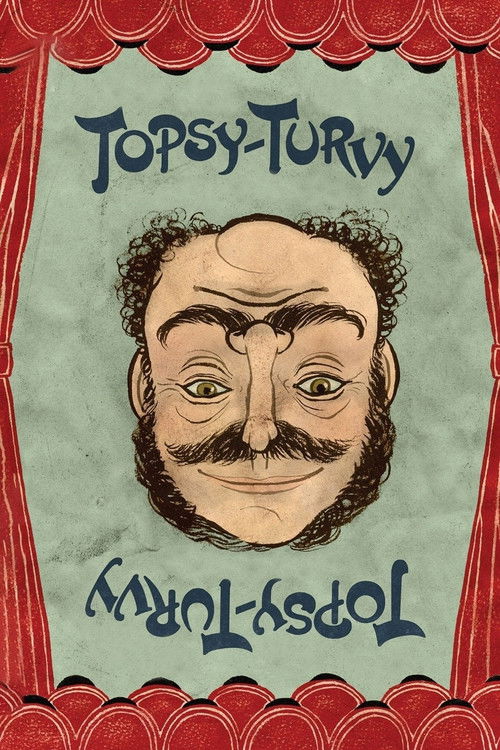
Topsy-Turvy1999
Mike Leigh's love letter to theatrical creation, following Gilbert and Sullivan making The Mikado. Equally intricate, visually sumptuous, and obsessed with how art gets made despite everything conspiring against it.
But It's 160 minutes of period detail and incremental creative process. If you need plot momentum over atmosphere, you'll fidget.
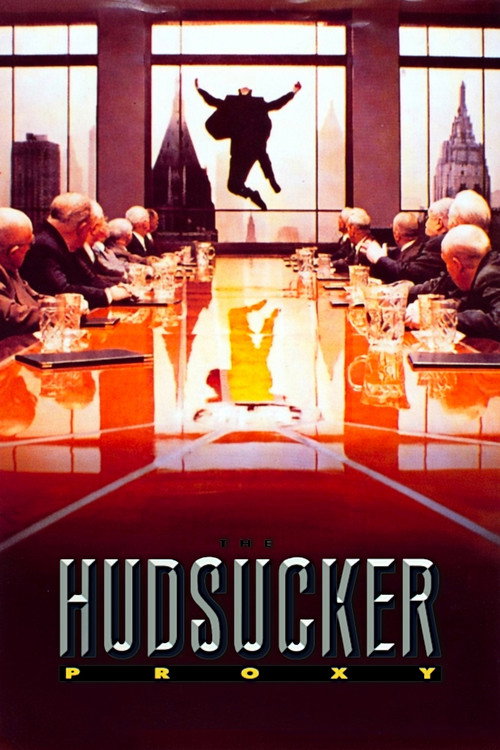
The Hudsucker Proxy1994
Another ensemble caper with Capra-esque idealism, whimsical style, and a Depression-era setting. Tim Robbins again: charming, physical, surrounded by schemes and eccentric brilliance.
But The tone veers between screwball farce and genuine menace. That tonal volatility will either delight or exhaust you.
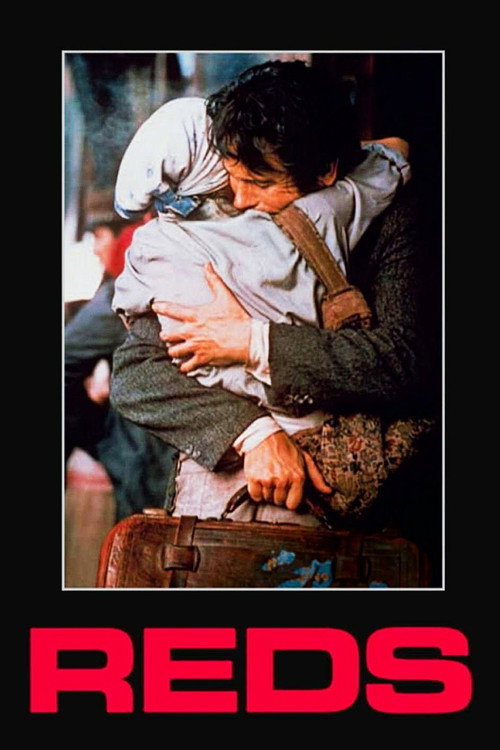
Reds1981
Warren Beatty's epic about American leftists, the Russian Revolution, and the cost of idealism. Sprawling, romantic, seriously engaged with its politics and its characters' moral compromises.
But Three hours and twenty minutes; it demands patience and goodwill. Some find it dated; others find that part of its appeal.
Not sure tonight? Get a pick in a minute, starting from Cradle Will Rock
The wildcard
Something you would not have found on your own.
Lara Croft: Tomb Raider - The Cradle of Life2003
Not just about the same material, but literally the play that triggered everything. Seeing the original shows you exactly what power feared.
The actual source material for the musical at Cradle Will Rock's center—a Spanish play about labor activism. Watching this first radically deepens what Robbins was fighting for, and why the censorship was so vicious.
But It's a genuine artifact from another era: formally stiff, available only in compromised prints. Requires patience and historical interest, not just entertainment.
More like this (8)
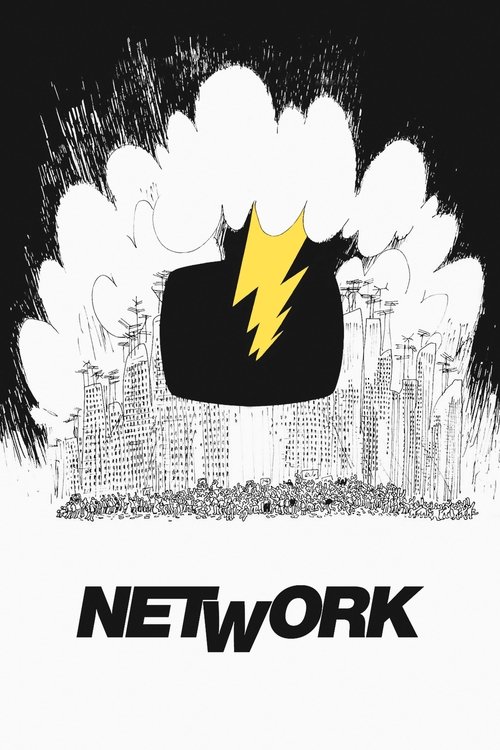
Network1976
Paddy Chayefsky's furious satire about art, commerce, and power in American institutions. Dense with ideas, performed at full tilt, genuinely outraged beneath the dark comedy.
But The politics are expressed through ranting. If you prefer subtlety, the force-feeding will irritate rather than persuade.
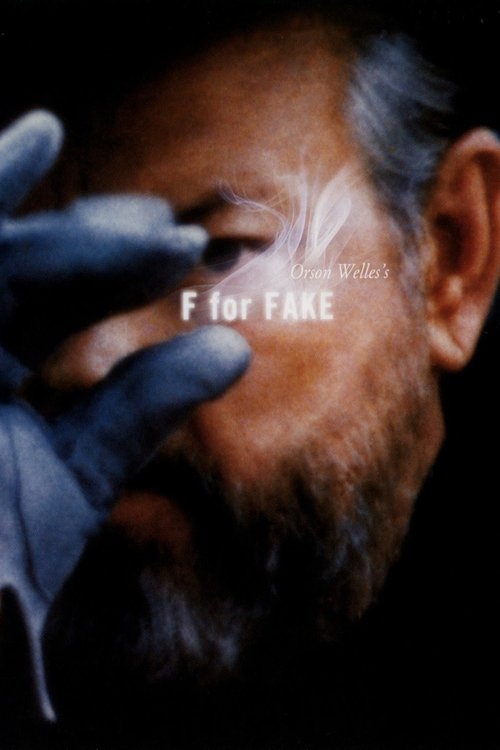
F for Fake1973
Orson Welles on art, deception, and authenticity—formally playful, intellectually generous, endlessly surprising. A genuine original about how we construct truth and value.
But At 88 minutes it's deceptively dense. Some sequences feel like essays; others feel like magic tricks you don't quite understand.
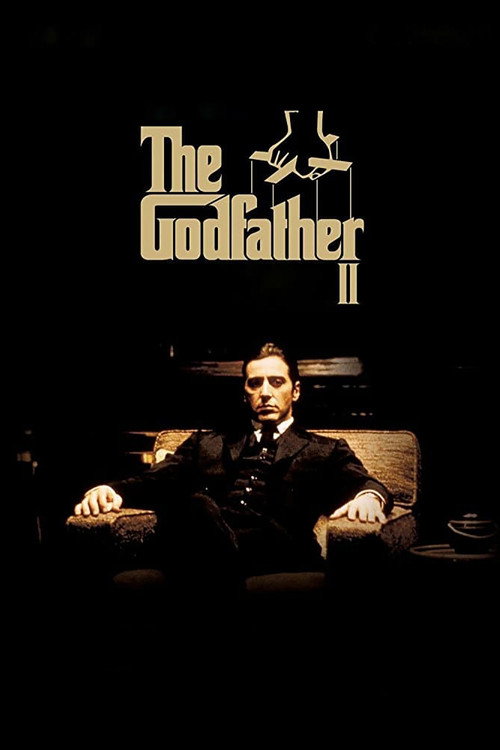
The Godfather Part II1974
Coppola's parallel narratives of corruption and ambition across generations. Criminally underrated as a political film: deeply engaged with American capitalism and how power actually works.
But It's not remotely the film newcomers expect. Three and a half hours of patient, methodical storytelling will bore anyone wanting a heist movie.
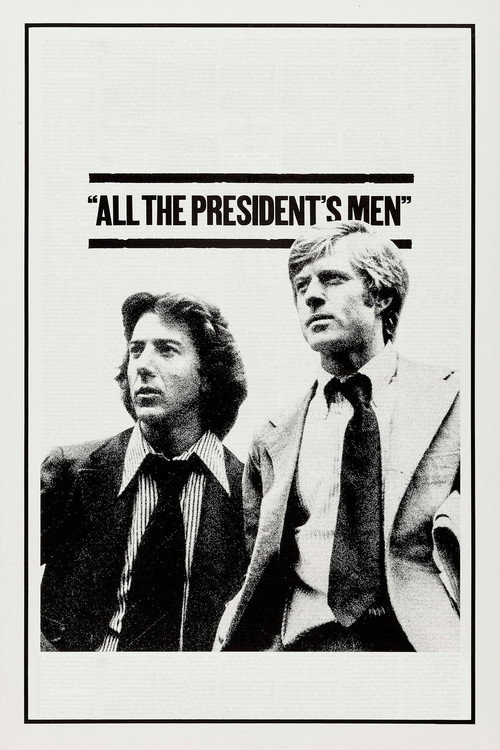
All the President's Men1976
Woodward and Bernstein uncovering Watergate: meticulous, tense, about institutions under pressure. A procedural that deepens the more you watch it.
But Deliberately understated in style. The drama lives in sequences of people making phone calls and reading documents. Requires active engagement.
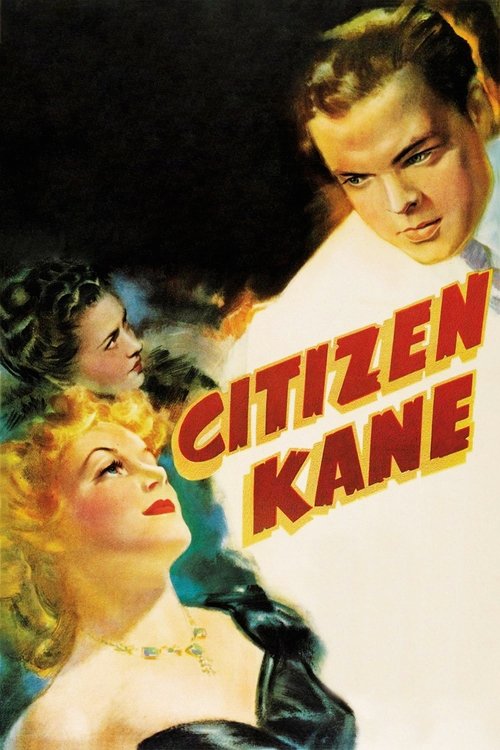
Citizen Kane1941
The original American epic about power, art, and ambition—formally revolutionary and forever relevant. Everything Robbins loves about cinema is here, done first and best.
But Its formal innovations can feel like impediments if you're watching for conventional narrative. Very much a film for film lovers.
The Best Years of Our Lives1946
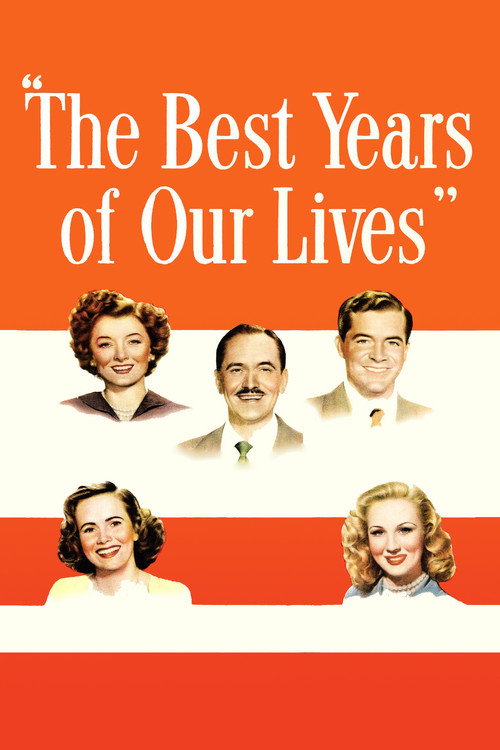
William Wyler's ensemble about post-war American adjustment: intimate, political without preaching, genuinely moving about ordinary lives caught in historical currents.
But At three hours it takes its time; some sequences feel like tangents. The pacing prioritizes depth over momentum.
Come and See1985
Both are about art as a weapon against state power, but this shows what happens when art fails. The inverse perspective makes both films more fully themselves.
Elem Klimov's Belarusian masterpiece about war, childhood, and trauma. Tonally severe and visually devastating—proves that art about atrocity and political systems can be urgent and indelible without apology.
But It's brutally difficult to watch: graphic violence, despairing philosophy, punishing emotional terrain. Not entertainment. Requires genuine reserves.

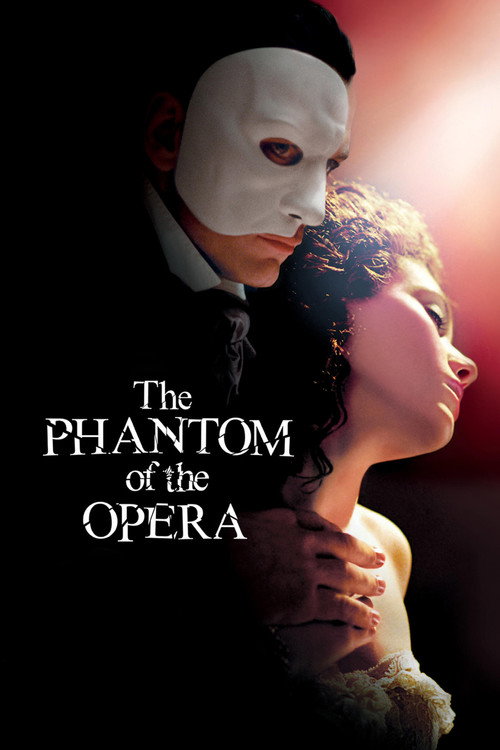
The Phantom of the Opera2004
Both films are theater-mad and unapologetic about it, but where Cradle is about theater's moral necessity and political weight, Phantom is about theater as pure escapist rapture. Watching both clarifies what each believes art actually does.
Joel Schumacher's operatic, formally baroque adaptation. Glittering and excessive and wholly in love with theatrical spectacle as an end in itself—a total tonal reversal that still honors performance and beauty.
But Widely mocked on release. If you need restraint and irony, this will feel suffocatingly earnest. It is suffocatingly earnest.
People
Cast
 Hank AzariaMarc Blitzsetin
 Rubén BladesDiego Rivera
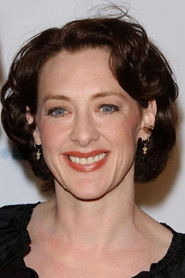 Joan CusackHazel Huffman
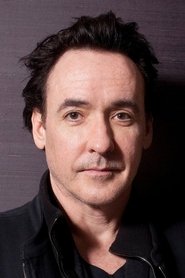 John CusackNelson Rockefeller
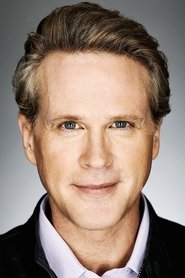 Cary ElwesJohn Houseman
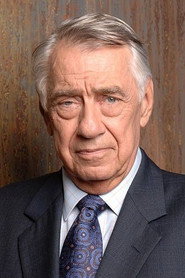 Philip Baker HallGray Mathers
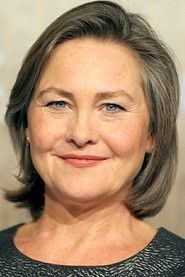 Cherry JonesHallie Flanagan
 Angus MacfadyenOrson Welles
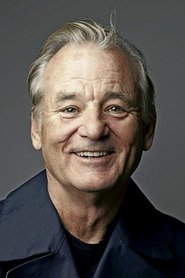 Bill MurrayTommy Crickshaw
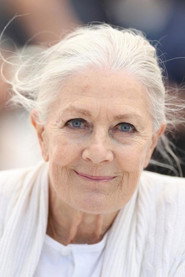 Vanessa RedgraveCountess Constance La Grave
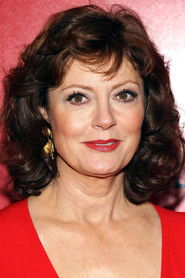 Susan SarandonMargherita Sarfatti
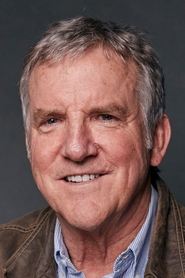 Jamey SheridanJohn Adair
Directing
- Tim RobbinsDirector
Writing
- Tim RobbinsWriter
Production
- Allison R. HebbleAssociate Producer
- Douglas AibelCasting
- Allan F. NichollsExecutive Producer
- Frank BeachamExecutive Producer
- Louise KrakowerExecutive Producer
- Jon KilikProducer
- Lydia Dean PilcherProducer
- Tim RobbinsProducer