
Film
The Fortune Cookie
A TV cameraman's minor injury becomes a million-dollar scheme when his scheming brother-in-law convinces him to fake worse damage. This Billy Wilder comedy mines laughs from American greed and litigation, watching an ordinary man rationalize increasingly elaborate deception. It's cynical without being mean, funny without winking, and it stars Lemmon and Matthau in their first pairing—a chemistry that launched a thousand collaborations.
Should you watch it?
Watch it if you enjoy talky, sour comedy built on a fast-talking schemer working on a decent man's conscience, where the laughs come from sparring dialogue and two actors who play off each other beautifully.
Skip it if you want brisk plotting or a warm heart; at over two hours its cynicism about money and people can feel relentless, with few moments to breathe.
What it asks of you: Expect a leisurely two hours and five minutes, with long scenes of bargaining and bickering that build patiently rather than rushing toward a punchline.
Not sure? Find tonight's pick in a minute.
If you liked this
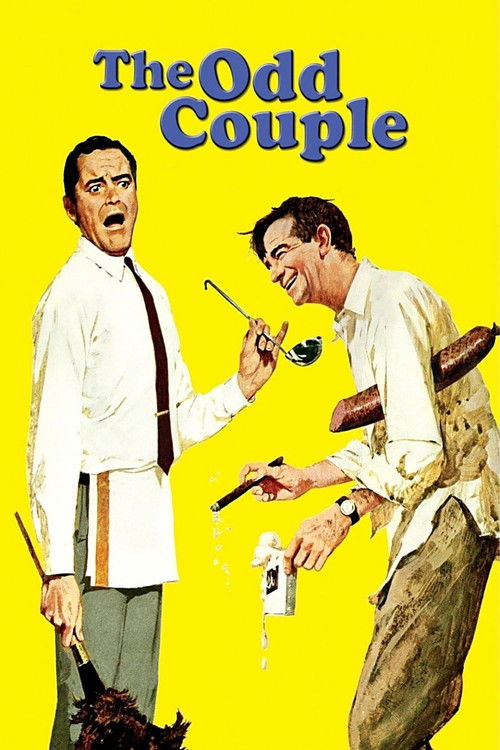
The Odd Couple1968
Lemmon and Matthau's follow-up, where their comic timing reaches full heat. A fastidious man and a slob share an apartment; the premise is slight, but the execution is so precise you forget you're watching a talking-points sitcom.
But It's been referenced to death and imitated so often that the original reads as familiar even if you haven't seen it. Also, it trades The Fortune Cookie's edge for broader sentimentality.
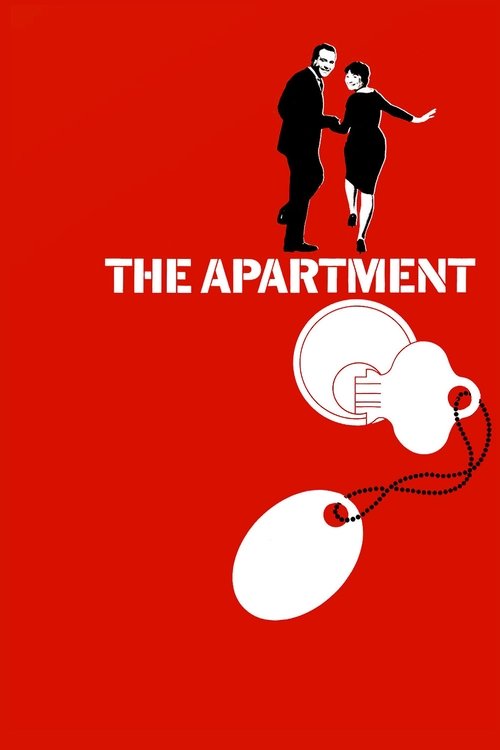
The Apartment1960
Wilder's earlier masterpiece with Lemmon, about corporate compromise and the small lies that metastasize. Darker than it appears, achingly human, and it explains why Lemmon could make something as sharp as The Fortune Cookie.
But The romantic plotting creaks slightly by modern standards. Some scenes drag while the film mulls its moral questions—but that's partly the point.
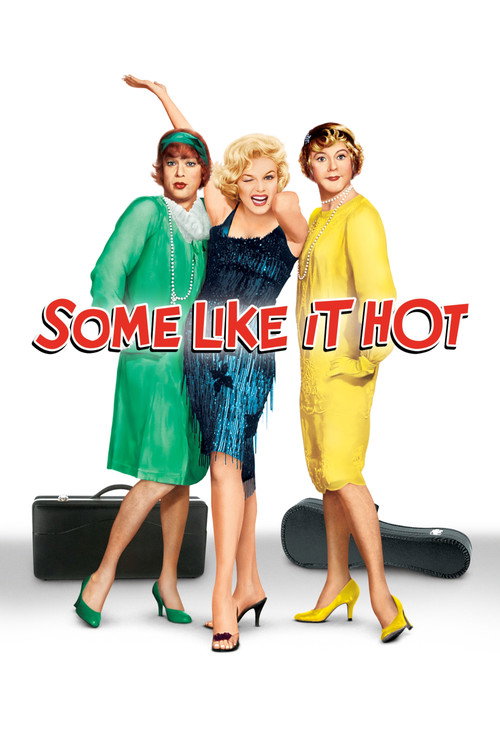
Some Like It Hot1959
The other Wilder-Lemmon essential: two musicians on the run disguise themselves as women and join an all-female band. Propulsive, inventive, genuinely hilarious, and Lemmon is revelatory in drag.
But Its treatment of gender presentation is a period piece now; it's played for laughs in ways that might feel dated depending on your tolerance.
Not sure tonight? Get a pick in a minute, starting from The Fortune Cookie
The wildcard
Something you would not have found on your own.
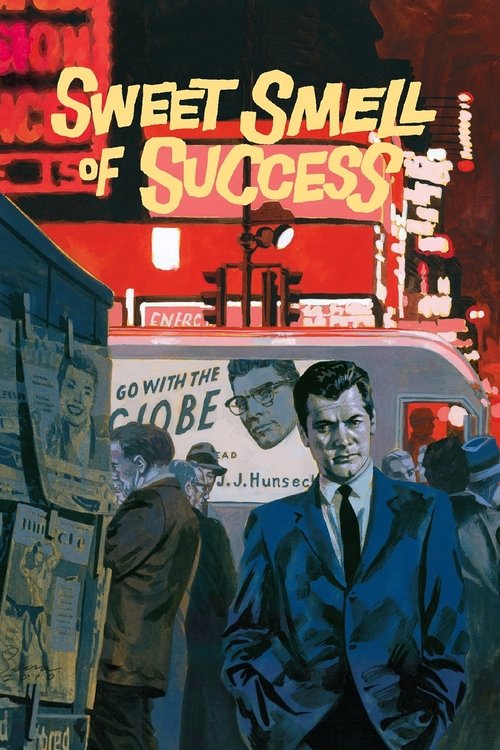
Sweet Smell of Success1957
Both are cynical examinations of how ordinary American men justify theft and betrayal to themselves; both use sharp comedy to strip away the self-deception.
A gossip columnist and his fixer navigate New York's underworld with prose so acidic it sings. Every character is lying, every deal is a betrayal, and the whole thing reeks of beautiful corruption. It's The Fortune Cookie's true predecessor—the film that proved American rot could be the subject of great art.
But Shot in black-and-white with deliberate artificiality, and the dialogue is so stylized it requires attention. It feels more like a fever dream than a plot, which some find pretentious.
More like this (8)
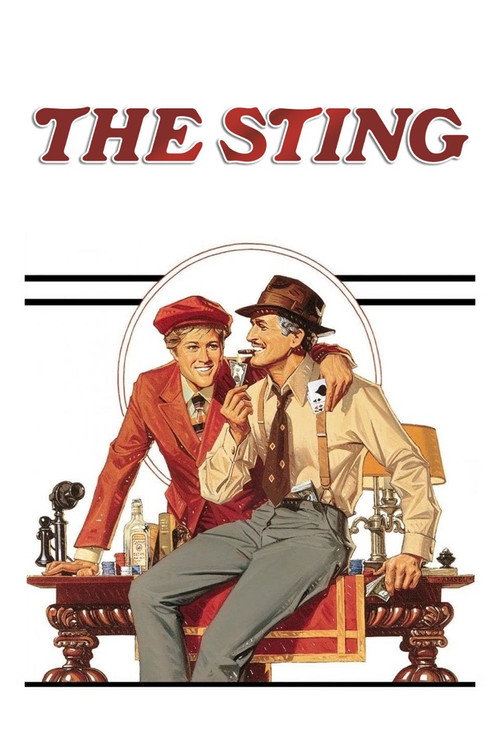
The Sting1973
A con-artist caper with Paul Newman and Robert Redford, where the entire film is the scheme. It has The Fortune Cookie's pleasure in watching characters outthink each other, plus a heist structure that's endlessly satisfying.
But It's gentler and glossier than The Fortune Cookie; the moral stakes are lower, and some modern viewers find the pacing leisurely.
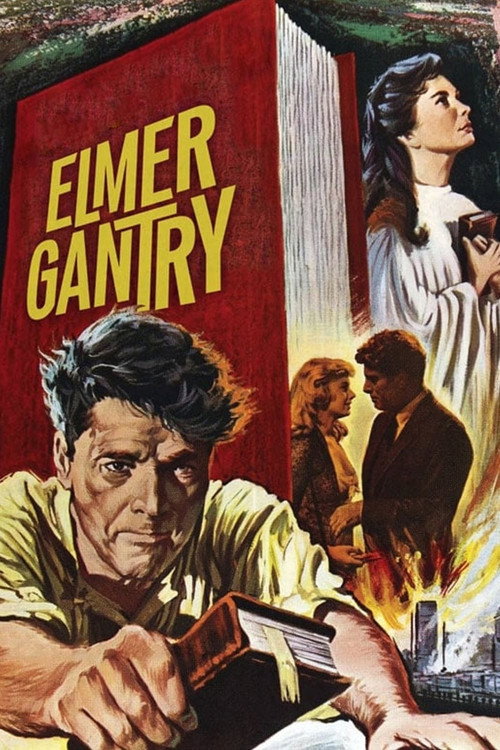
Elmer Gantry1960
Burt Lancaster as a charismatic charlatan evangelist who talks his way through life. It shares The Fortune Cookie's fascination with American hustlers and the gap between appearance and reality—and it's righteously angry about it.
But At nearly two and a half hours, it's deliberately slow-burn; the preaching sequences can feel repetitive if you're impatient for plot movement.
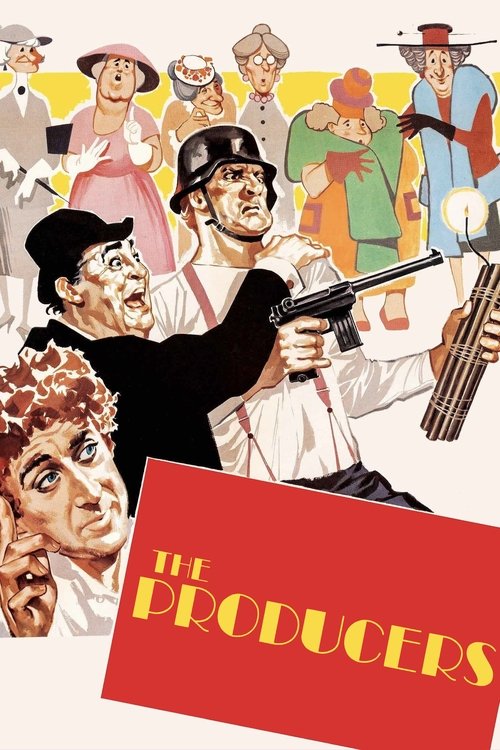
The Producers1968
Mel Brooks's debut about two con men trying to stage the worst musical ever written so nobody shows up and they can steal the money. It's anarchic where The Fortune Cookie is controlled, but the misanthropy is cousins.
But Brooks's comedy doesn't age evenly; some bits are timeless, others land as offensive or just labored. It's also aggressively silly in a way the Wilder picture never is.
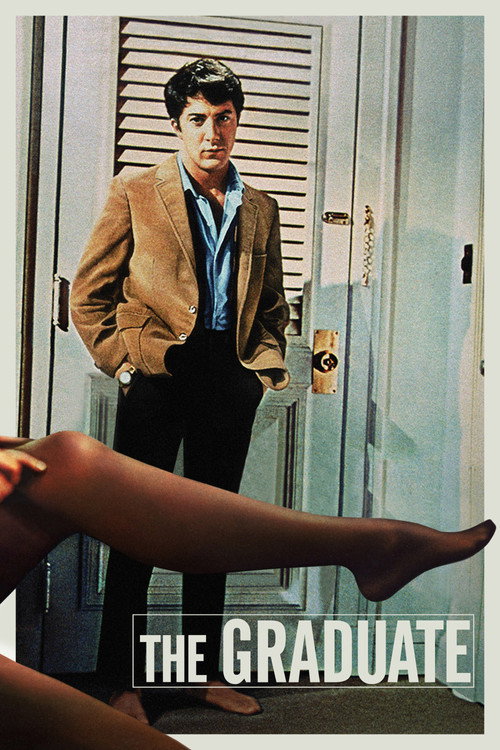
The Graduate1967
A young man seduced by an older woman tries to sabotage her daughter's wedding. Like The Fortune Cookie, it captures a specific anxiety about American manhood and morality, though from the opposite angle—confusion rather than corruption.
But The famous Dustin Hoffman performance can read as mannered now; the film's psychoanalytic framing feels quaint. Also considerably slower in the middle third.
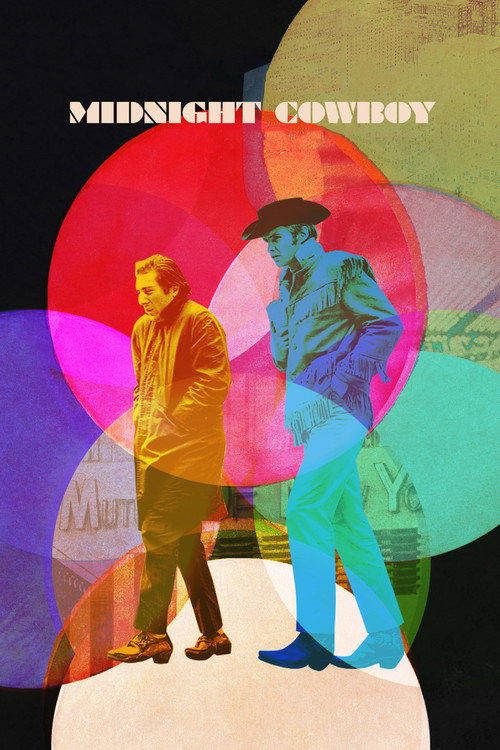
Midnight Cowboy1969
A male prostitute and a small-time con artist navigate New York City; it's the dark mirror of The Fortune Cookie's comedy, using similar observations about desperation and self-deception but as genuine tragedy. Searing and uncompromising.
But It's brutally bleak and sexually explicit. There's no humor, only bleakness. It can feel punishing to watch, which is intentional but exhausting.
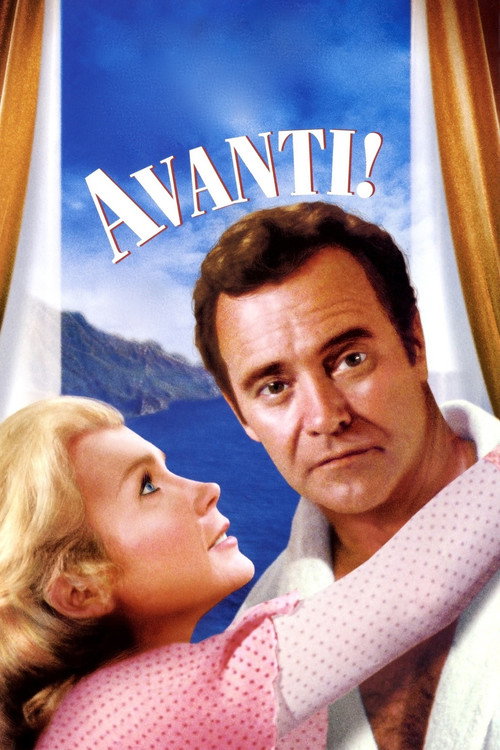
Avanti!1972
Lemmon in another Wilder film, learning that his stuffy businessman father died on holiday in Italy with a mistress. It's lighter than The Fortune Cookie, more romantic, but the same precise observation of masculine awkwardness and American uptightness.
But The romantic plot is conventional; after Lemmon and Wilder's earlier collaborations, this feels like they're coasting. It's pleasant without being necessary.
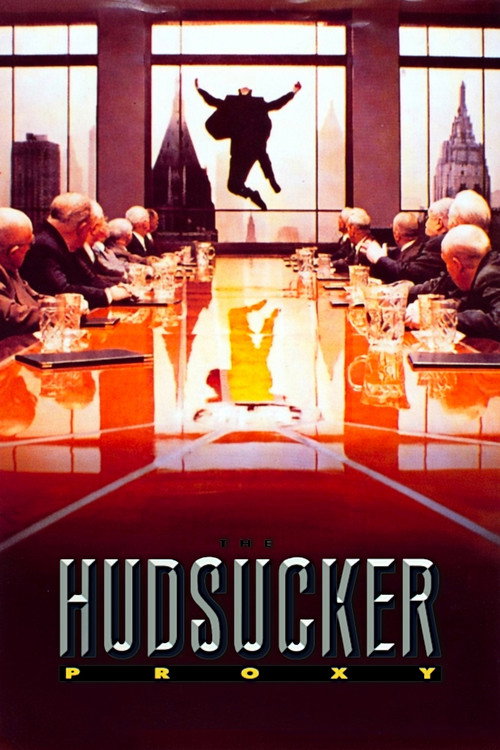
The Hudsucker Proxy1994
Both films build their comedy from watching characters rationalize increasingly elaborate schemes and watching the ordinary cost of that rationalization; both treat American capitalism as a cosmic joke.
The Coen Brothers' homage to screwball comedies and con-artist pictures, where a naive man becomes CEO of a corporation while two grifters manipulate the stock market. Elaborately constructed, wildly funny, and filmed like a 1940s noir comedy—which is exactly the point.
But It's a pastiche of styles rather than its own thing; if you're not charmed by its self-aware theatricality, it reads as empty technical showboating. Also notably longer than it needs to be.
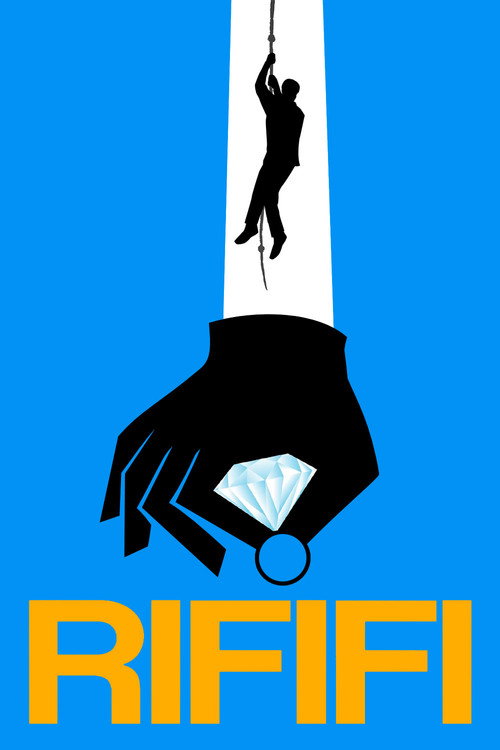
Rififi1955
Both are fascinated by the mechanics of deception and wrongdoing, watching how men think through the steps required. Both treat crime as a technical problem rather than a moral one—the difference is that Rififi finds this tragic and The Fortune Cookie finds it funny.
A French heist film about a jewel robbery, executed with such precision and moral clarity that it became the template for everything that followed. There's a thirty-minute sequence with no dialogue, just the sound of tools and concentration. It's The Fortune Cookie's opposite in tone—utterly serious—but the same obsession with how men execute plans.
But It's French, black-and-white, and has the pacing of a 1955 film; some viewers find it slow. The criminal world is depicted with such matter-of-factness that there's no rooting interest, which some experience as cold.
People
Cast
 Jack LemmonHarry Hinkle
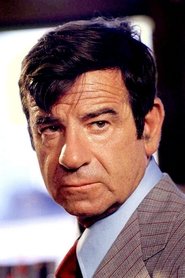 Walter MatthauWillie Gingrich
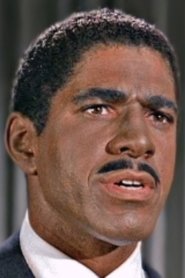 Ron RichBoom Boom Jackson
 Judi WestSandy Hinkle
 Cliff OsmondPurkey
 Lurene TuttleMother Hinkle
 Harry HolcombeO'Brien
 Les TremayneThompson
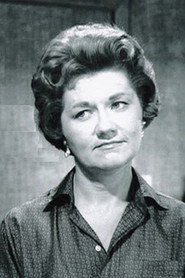 Marge RedmondCharlotte Gingrich
 Ann ShoemakerSister Veronica
 Ned GlassDoc Schindler
- Archie MooreMr. Jackson
Directing
- Billy WilderDirector
Writing
- Billy WilderWriter
- I. A. L. DiamondWriter
Production
- Lynn StalmasterCasting
- Billy WilderProducer
- Doane HarrisonProducer
- I. A. L. DiamondProducer