
Film
Sawdust and Tinsel
Bergman's 1953 circus melodrama about a ringmaster caught between his refined wife and his passionate lover. It's a film of raw emotional texture—jealousy, shame, and desire tangled together under sawdust and theatrical lights. For anyone drawn to European cinema that doesn't look away from human messiness.
Should you watch it?
Watch it if you are drawn to bleak, unsentimental portraits of wounded pride, where a shabby travelling show becomes a mirror for jealousy and regret, and you don't mind the mood staying cold.
Skip it if you want a story with clear plot momentum or warmth to lean on, since its pleasures are mostly in mood, faces and quiet friction rather than incident.
What it asks of you: Ninety-three minutes of slow, grey, close attention: long held looks and sparse dialogue, with little to be gained by checking your phone.
Not sure? Find tonight's pick in a minute.
If you liked this
The Naked Night2008
This is Sawdust and Tinsel's English retitling, showing Bergman at his most baroque and sensual. If you haven't seen it under this name, it's worth rediscovering with fresh eyes.
But The pacing is deliberate and the emotional temperature can feel overwrought by modern standards.

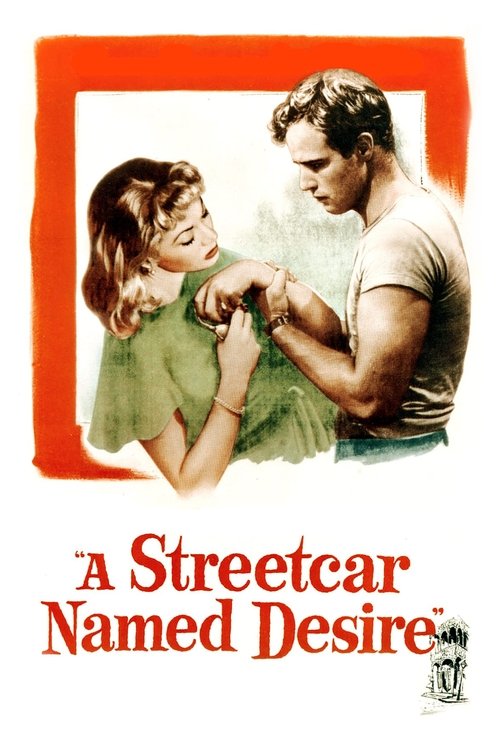
A Streetcar Named Desire1951
Tennessee Williams' adaptation shares the same suffocating atmosphere of desire clashing with respectability. Marlon Brando's raw performance mirrors Grönberg's trapped intensity.
But It's a chamber piece that can feel claustrophobic, and the gender dynamics will challenge modern viewers.
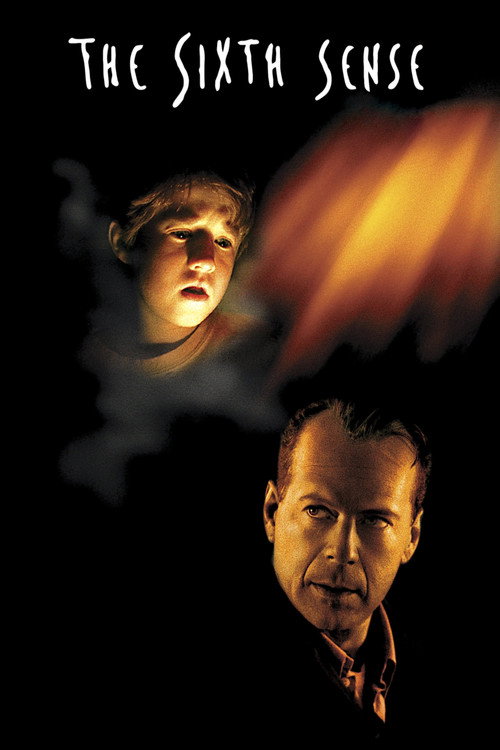
The Sixth Sense1999
Wait—no. Visconti's *Senso* (1954) captures the same collision of passion and propriety, with visual richness and a protagonist destroyed by competing loves. Shot in lush Technicolor.
But It's slower than contemporary cinema and the plot hinges on romantic obsession that may feel dated.
Not sure tonight? Get a pick in a minute, starting from Sawdust and Tinsel
The wildcard
Something you would not have found on your own.
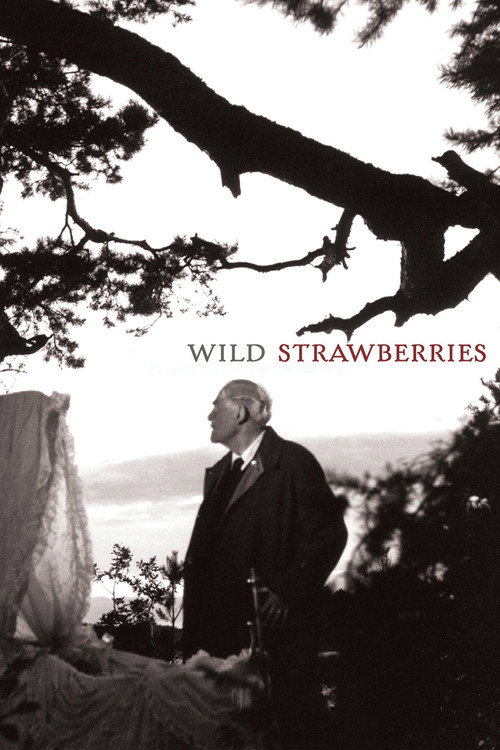
Wild Strawberries1957
Same director, but this is Bergman having learned to compress an entire life into form. If Sawdust and Tinsel is the raw emotion, this is the perfected language for it.
Bergman's own masterpiece, which deepens the themes of Sawdust and Tinsel: aging, regret, desire revisited. A single day becomes a lifetime of reckoning. The visual and emotional architecture is exponentially more complex.
But It's deliberately dreamlike and fragmented; the structure requires active attention and patience.
More like this (7)
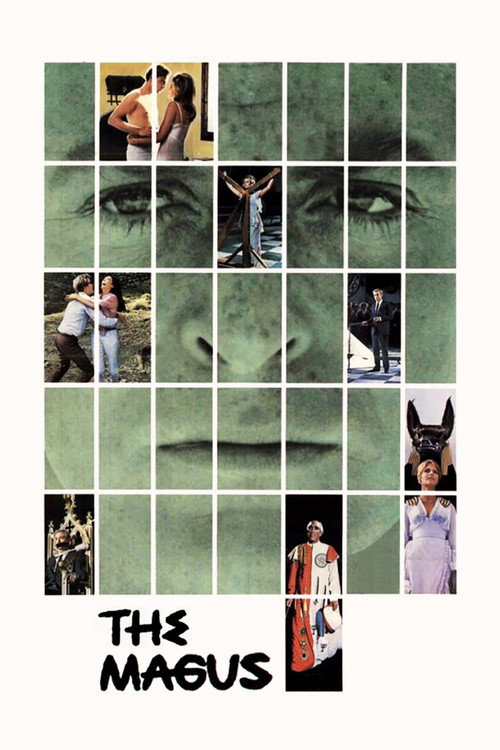
The Magus1968
Another circus-as-metaphor film, where illusion and reality blur. It has that same baroque intensity and obsession with performance versus authenticity.
But The narrative is deliberately obscure and some find it pretentious rather than mysterious.
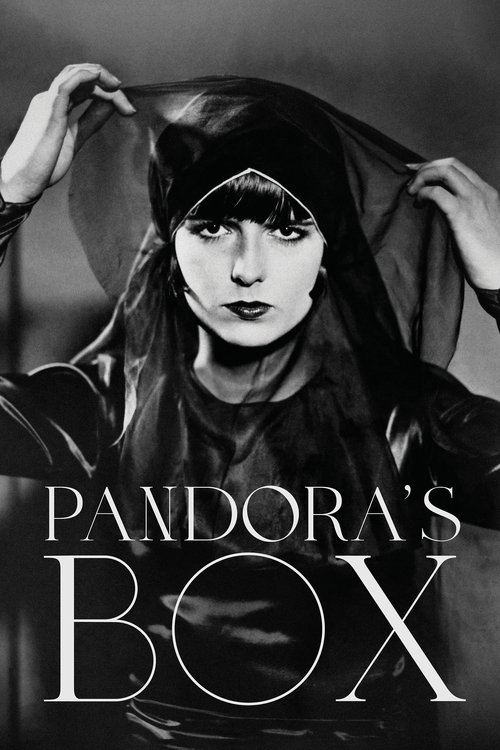
Pandora's Box1929
G.W. Pabst's silent masterpiece about desire destroying lives. A woman moves between men; each is consumed by his need for her. The emotional architecture is identical.
But It's silent film from 1929, which requires patience and a willingness to read intertitles.
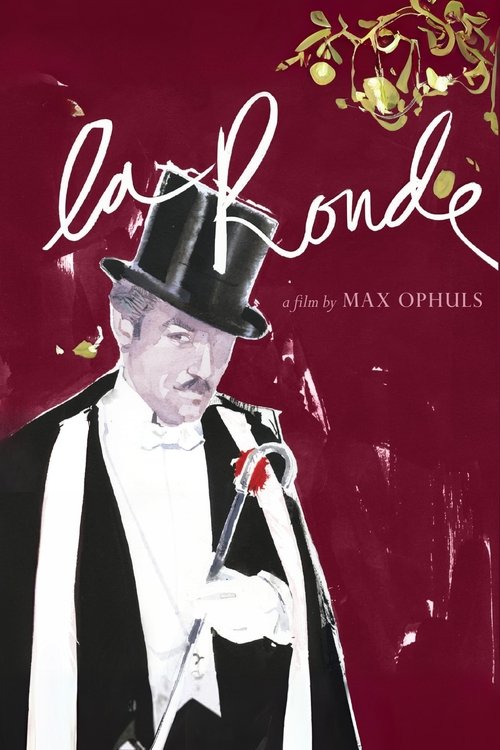
La Ronde1950
Ophüls' carousel of affairs and betrayals has the same cynical wit about love. A perfect complement to Bergman's grimness—showing desire as comic rather than tragic.
But Its episodic structure means no character gets deep development; some find it arch and cold.
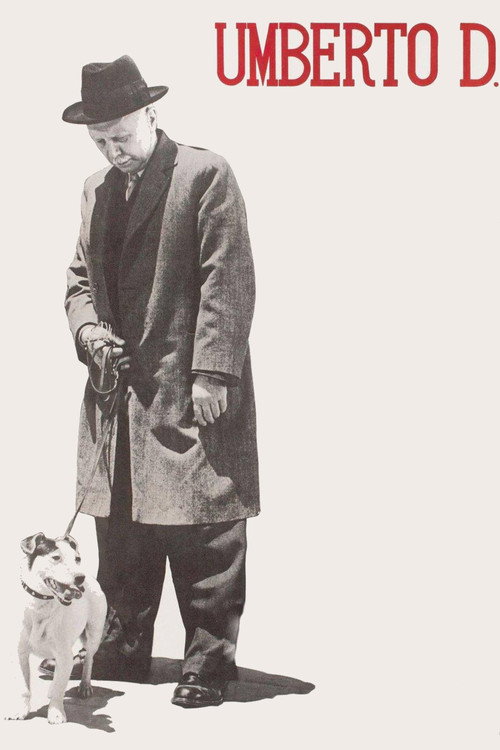
Umberto D.1952
De Sica's realist masterpiece about shame and survival. Like Bergman, it finds profound humanity in those society overlooks, with no sentimentality whatsoever.
But It's deeply sad throughout, with minimal plot. Some viewers find it slow rather than contemplative.
The Red Shoes1948
Powell and Pressburger's ballet film explores competing loves—art versus romance—with dazzling artifice. The circus-as-life metaphor appears here too, in dance.
But It's quite long and its melodrama edges into camp; the gender politics are of their era.

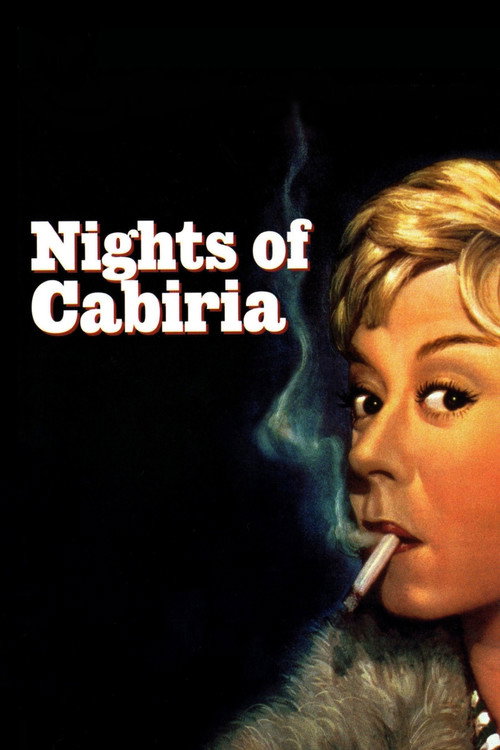
Nights of Cabiria1957
Both use performance and displacement as metaphors for survival. Both are fundamentally about people society has written off finding dignity in the spaces between respectability and ruin.
Fellini's prostitute heroine navigates through Rome's underworld with resilience and pathos. Like the circus troupe in Bergman, she's an outsider performing authenticity while being used. Utterly different tone—warmer, more forgiving—but structurally obsessed with the same contradictions.
But It's Italian neorealism with surreal flourishes; the pacing and the absence of a traditional plot arc will frustrate plot-driven viewers.
Memories of Murder2003
Both are about men whose authority collapses—one through desire, one through incompetence—and how shame turns inward as violence. Both suggest that civilized performance is one accident away from collapse.
Bong Joon-ho's serial killer procedural has nothing to do with circuses, but everything to do with shame, male jealousy, and the violence beneath respectable surfaces. Grönberg's ringmaster's humiliation finds its echo in the detectives' desperation and rage.
But It's brutal and graphic in ways Bergman isn't; the 1980s South Korean setting and police corruption plot are far from the European art cinema you'd expect.

People
Cast
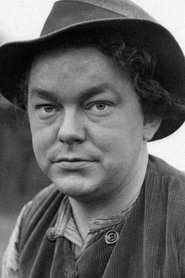 Åke GrönbergAlbert Johansson

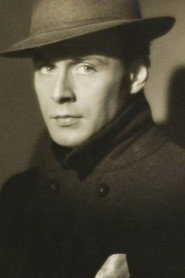 Hasse EkmanFrans
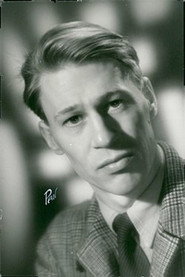 Anders EkFrost
 Gudrun BrostAlma
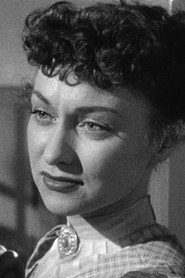 Annika TretowAgda
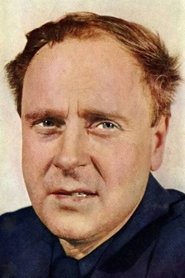 Erik StrandmarkJens
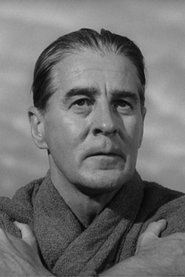 Gunnar BjörnstrandMr. Sjuberg
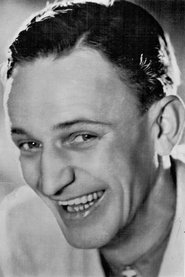 Curt LöwgrenBlom
- KikiThe Dwarf
 Julie BernbyTightrope-dancer
Recommended by
The Greatest Show on Earth, The Big Circus, Hour of the Wolf