
Film
Looking for Richard
- Slow-burning
Al Pacino takes you inside the rehearsal room and onto the streets to ask why Richard III matters now. It's part documentary essay, part performance workshop, part manifesto for Shakespeare's survival. Pacino's genuine hunger to understand the play is infectious; this is a film about a brilliant actor thinking aloud, not lecturing. For anyone who's ever felt frozen by Shakespeare, or assumed it was only for other people.
Should you watch it?
Watch it if you love scholarship that wanders into rehearsal rooms and street corners, where actors argue over a single speech and the play's ideas feel alive.
Skip it if you want a straight, polished production of the play, since this keeps stopping to talk about it and is more curious than complete.
What it asks of you: Loose, talky stretches roll past at an unhurried pace across under two hours, so you need to settle into ideas more than chase a plot.
Not sure? Find tonight's pick in a minute.
If you liked this
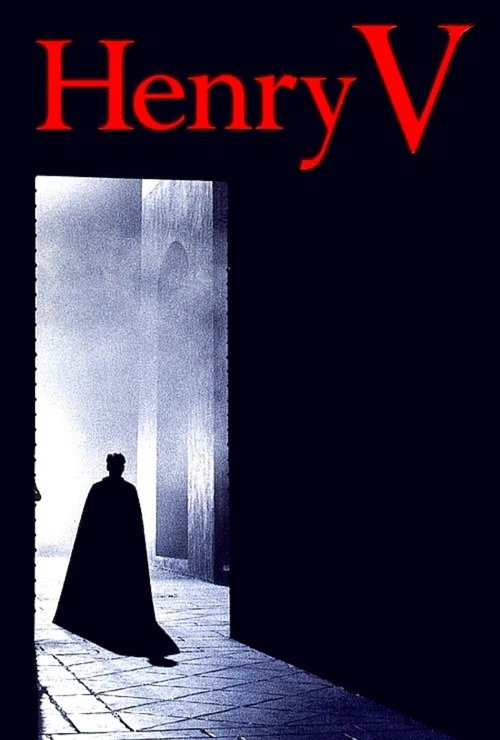
Henry V1989
Kenneth Branagh's complete commitment to Shakespeare—his own youthful energy mirrors Pacino's—makes the language feel urgent and immediate. The battle sequences prove Shakespeare isn't dusty; it's visceral.
But Nearly four hours long, and if you're not already curious about the politics of wartime leadership, the early scenes might feel like homework.
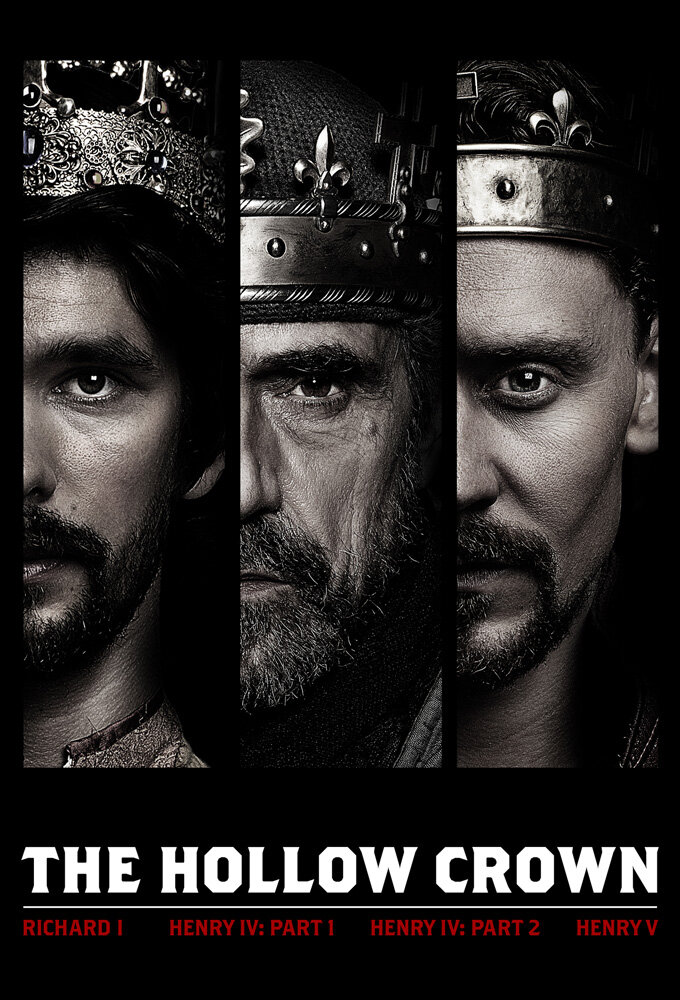
The Hollow Crown2012
Benedict Cumberbatch, Tom Hiddleston, and Jeremy Irons performing Shakespeare with total commitment and without a scrap of reverence. These are actors who make the language feel like people talking, not reciting. The production design is stunning and never gets in the way.
But It's the entire cycle of four plays; you're committing to more than twelve hours. If you want a quick dip, this isn't it.
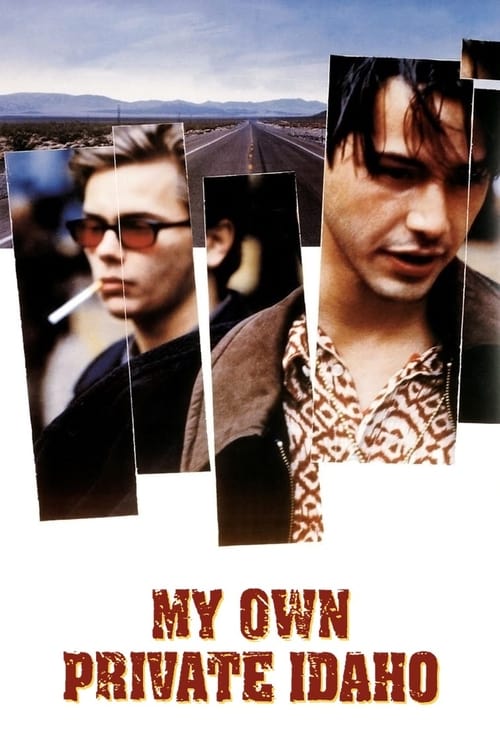
My Own Private Idaho1991
Gus Van Sant sets Henry IV in Seattle's homeless underworld, with River Phoenix and Keanu Reeves performing Shakespeare (and paraphrases) in truck stops and streets. It's wild and uncompromising—proof that Shakespeare isn't locked in time. Van Sant shares Pacino's belief that the play lives in the present moment.
But It's deliberately alienating and the narrative structure is fragmented. The film doesn't court you. The Shakespeare bits may feel intrusive if you're not already on board with the experiment.
Not sure tonight? Get a pick in a minute, starting from Looking for Richard
The wildcard
Something you would not have found on your own.
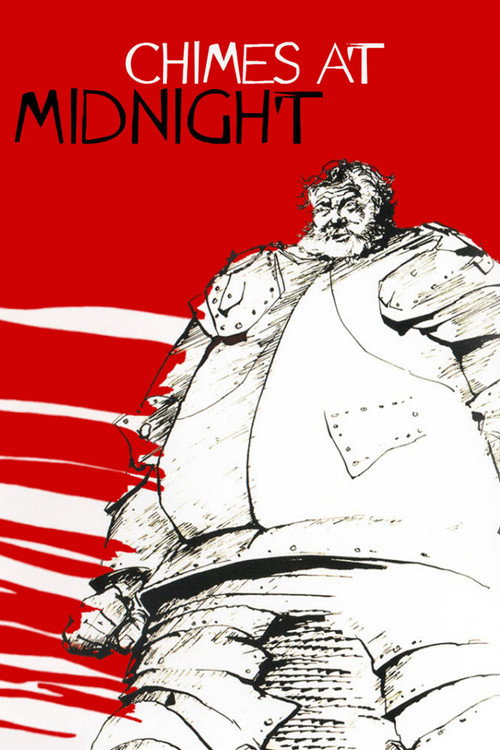
Chimes at Midnight1965
Both are acts of performance analysis conducted by great actors who've decided the only way to understand Shakespeare is to remake him. Both are love letters that also amount to argument.
Orson Welles' film about Falstaff is Shakespeare deconstructed—he cuts, rearranges, and prioritises moments no one else would. Welles is asking *why* these scenes matter, which is exactly Pacino's question, but with the confidence of a genius who'll rearrange the text to prove his point. The battle sequence is unforgettable.
But It's in black and white, sometimes muddy. The editing is deliberately jarring. If you want a smooth entry point to Shakespeare, this is confrontational. You're watching someone argue with the play.
More like this (7)
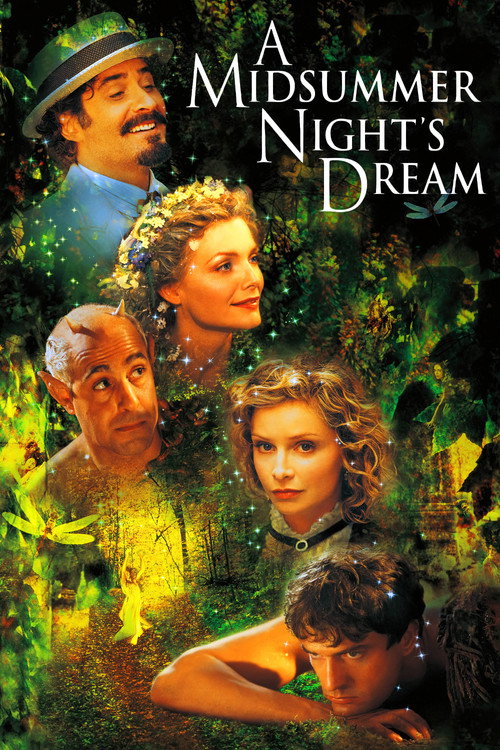
A Midsummer Night's Dream1999
Michael Hoffman's film moves the play to turn-of-the-century Tuscany and somehow makes Shakespeare feel like a screwball comedy. It's joyful and unafraid to be silly. Proves Pacino's point: the stories transcend the period.
But Some of the casting feels more about star power than the role. The romantic entanglements can feel thin if you're looking for depth.
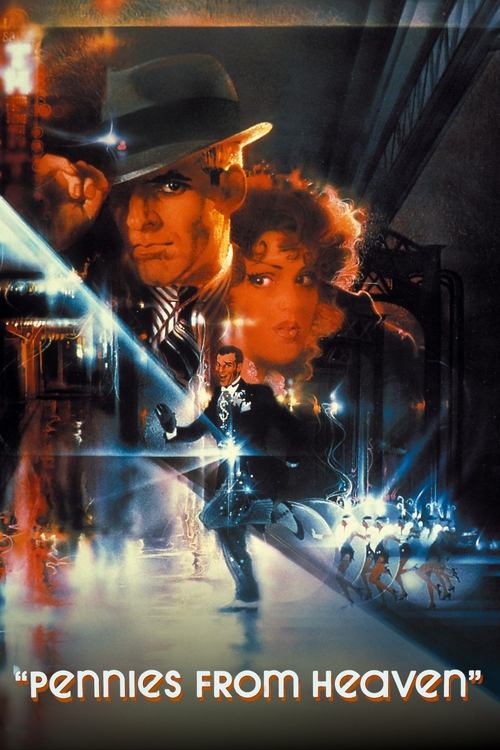
Pennies from Heaven1981
Dennis Potter's masterpiece about a sheet-music salesman in the Depression uses musical numbers and literary references to crack open the gap between desire and reality. It shares Pacino's belief that art (high and low) survives because it speaks to what we actually feel. Devastating and beautiful.
But It's bleak. The protagonist is neither sympathetic nor likeable, and the ending is rough. If you want comfort, look elsewhere.
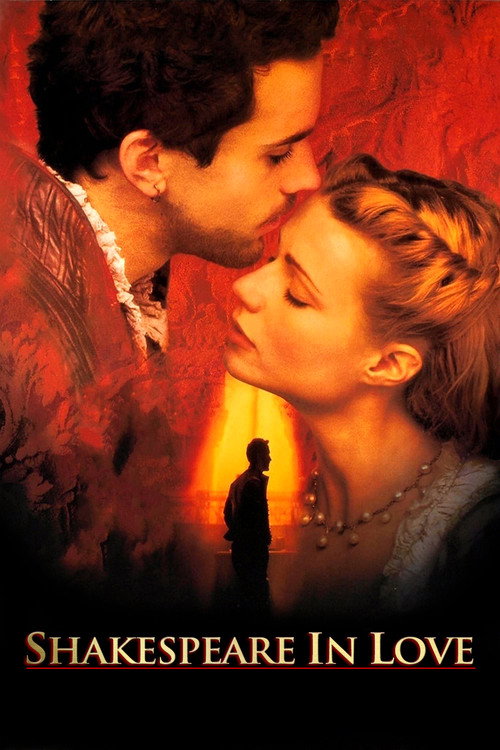
Shakespeare in Love1998
Whether or not you think it's good, the film genuinely wrestles with the question Pacino asks: where does Shakespeare's power come from? It's pure entertainment while also being genuinely curious about the machinery of creation and performance.
But Most critics and serious Shakespeare scholars find it reductive and saccharine. The romance can feel like a distraction from the play within the play.
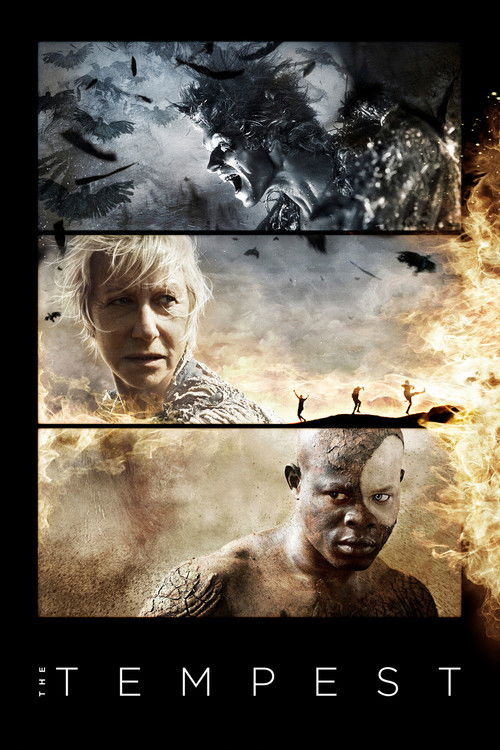
The Tempest2010
Julie Taymor's adaptation is visually extraordinary and takes the play seriously as a work about colonialism, magic, and power. She proves that spectacle and insight aren't enemies. The film is unapologetically her vision, not a dutiful reproduction.
But The visual style is so specific and maximalist that it can overwhelm the language. If you want subtlety, this isn't the film.
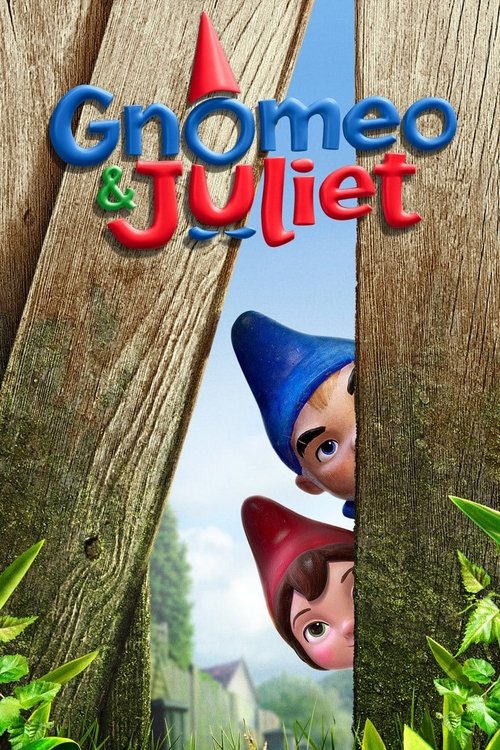
Gnomeo & Juliet2011
It's garden gnomes doing Romeo and Juliet. The film is genuinely clever about adapting the structure while being completely silly. Pacino would probably like it—it takes Shakespeare seriously enough to steal his architecture and funny enough to know it's absurd.
But It's for kids, which doesn't mean it's bad, but it means the emotional stakes are deliberately muted. You might feel talked down to.
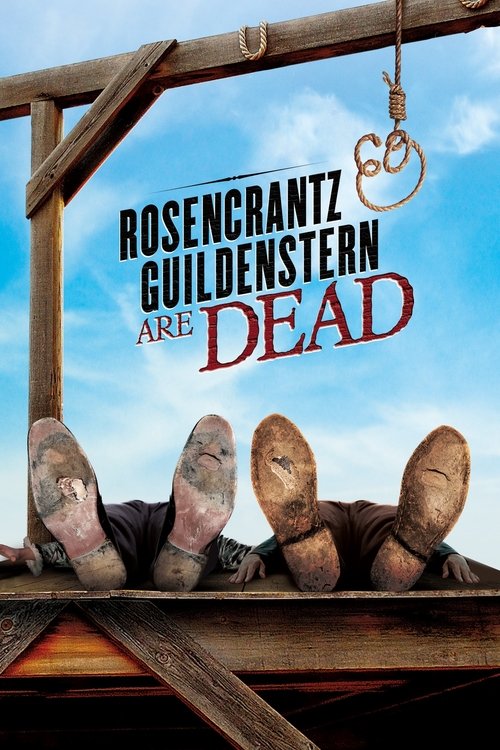
Rosencrantz & Guildenstern Are Dead1991
Both refuse to reverence Shakespeare by just performing him straight. Both say the only honest response is to interrogate the text, to play with it, to make it answer questions it wasn't designed to answer.
Tom Stoppard's screenplay (he directed it himself) takes two minor characters from Hamlet and asks: what if they were the protagonists? It's a philosophical comedy that uses Shakespeare as a launching point for questions about randomness, agency, and death. Like Pacino, it assumes Shakespeare is a mirror—but it looks at the parts he doesn't. Brilliantly written and genuinely funny.
But It's essentially a three-character play filmed as a three-character play. Very talky. If you want action or plot momentum, you'll be frustrated. It's a comedy for people who like ideas as much as laughs.
Synecdoche, New York2008
Both are about artists convinced that *representation*—performance, theatre, artifice—is the only honest way to speak about what's real. Both are acts of faith in the power of theatre to matter. Both ask whether understanding something requires you to remake it.
Charlie Kaufman's film about a theatre director who builds a life-scale replica of New York inside a warehouse is ostensibly nothing to do with Shakespeare, but it's about the same obsession Pacino has: how do you contain human experience inside art? How do you make the real real? The film is about a man trying to do what Pacino's doing—make something that contains truth. It's bewildering, maddening, and extraordinary.
But It's three hours of genuine difficulty. The narrative collapses and reforms. If you need clarity or catharsis, you won't find it. It's bleak in ways that demand patience. Many people find it pretentious or punishing.

People
Cast
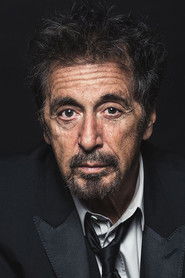 Al PacinoSelf / Richard III
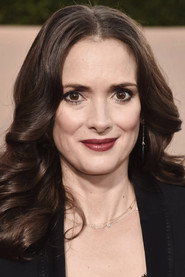 Winona RyderSelf / Lady Anne
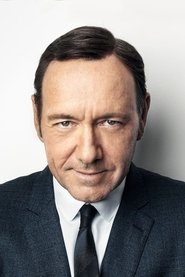 Kevin SpaceySelf / Earl of Buckingham
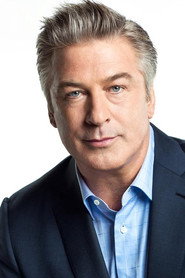 Alec BaldwinSelf / Duke of Clarence
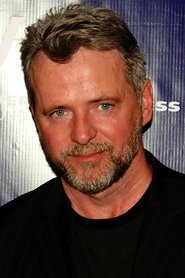 Aidan QuinnRichmond
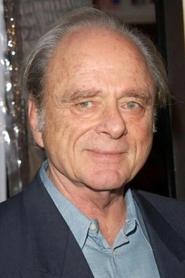 Harris YulinSelf / King Edward
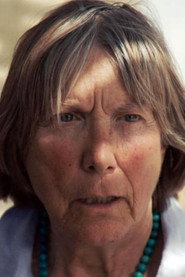 Penelope AllenSelf / Queen Elizabeth
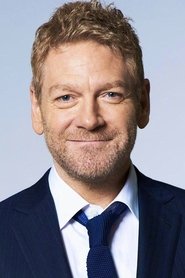 Kenneth BranaghSelf - Interviewee
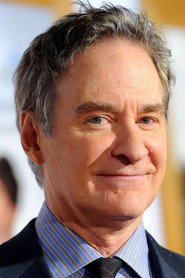 Kevin KlineSelf - Interviewee
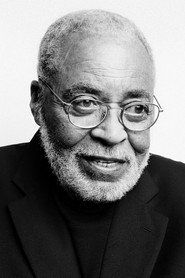 James Earl JonesSelf - Interviewee
 Rosemary HarrisSelf - Interviewee
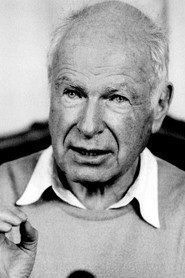 Peter BrookSelf - Interviewee
Directing
- Al PacinoDirector
- Ric Lang (NYC)First Assistant Director
Writing
- William ShakespeareOriginal Story
- Al PacinoWriter
- Frederic KimballWriter
Production
- Alison E. McBrydeCasting
- Al PacinoProducer
- Michael HadgeProducer