
Film
Doppelgänger
A 1969 British sci-fi film about astronauts discovering a duplicate Earth hidden on the opposite side of the sun. It's deliberately paced, architecturally obsessed with its space stations and mirror-world, and animated by Cold War paranoia about what we might find staring back at us. For patient viewers who love retro-futurism and philosophical dread.
Should you watch it?
Watch it if you enjoy slow-burning 1960s science fiction where the wonder is in the ideas and the unsettling sense that something is off, more than in rocket spectacle.
Skip it if you need brisk pacing or modern effects, since the film takes its time with its premise and its visuals show their age in places.
What it asks of you: Roughly an hour and forty minutes of patient, measured storytelling, with long quiet stretches and a steady, cool mood that rewards focus rather than constant action.
Not sure? Find tonight's pick in a minute.
If you liked this
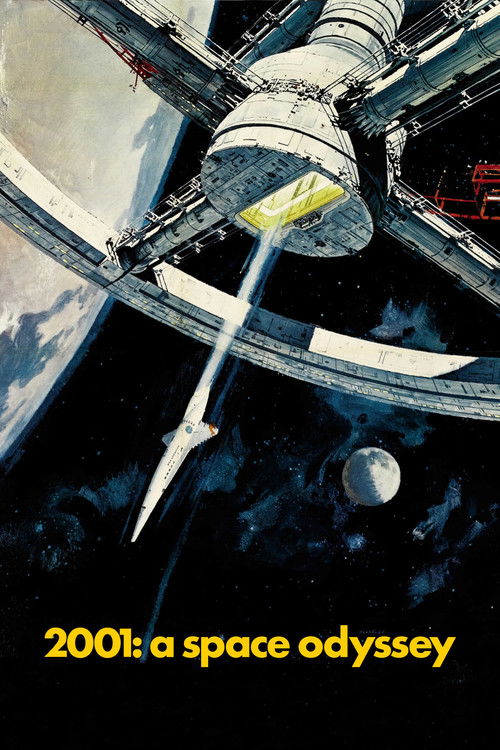
2001: A Space Odyssey1968
The obvious touchstone: both films treat space travel with grave seriousness, favour long sequences of silent observation, and believe sci-fi should be about big metaphysical questions rather than action beats.
But Kubrick's masterpiece is even slower and more demanding. If you find Doppelgänger glacial, this will test your patience further.
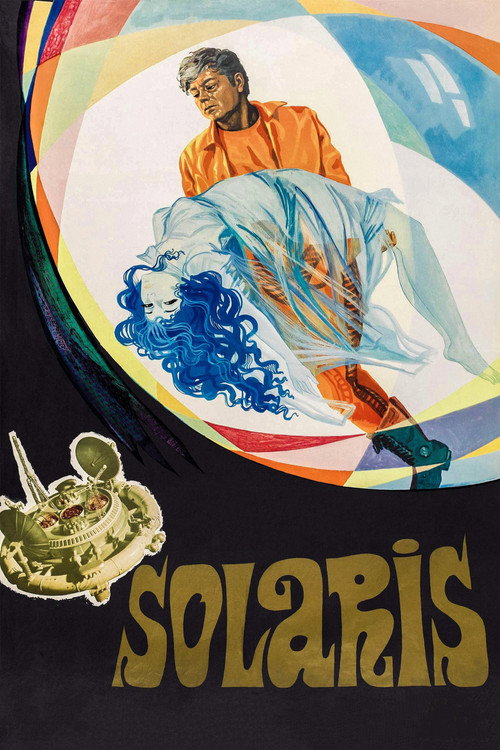
Solaris1972
Tarkovsky's meditation on contact with the unknown shares Doppelgänger's fascination with what another world—or another self—means philosophically. Both distrust easy answers.
But It's 167 minutes of deliberately slow cinema about grief and consciousness. The pacing is the point, which won't suit everyone.
Planet of the Apes1968
Same era, same earnestness about sci-fi as social commentary. A discovery that rewrites everything the explorer thought he knew, delivered with genuine intelligence and a knockout final twist.
But Much more plot-driven and action-oriented. If you want Doppelgänger's contemplative mood, this trades it for narrative momentum.

Not sure tonight? Get a pick in a minute, starting from Doppelgänger
The wildcard
Something you would not have found on your own.
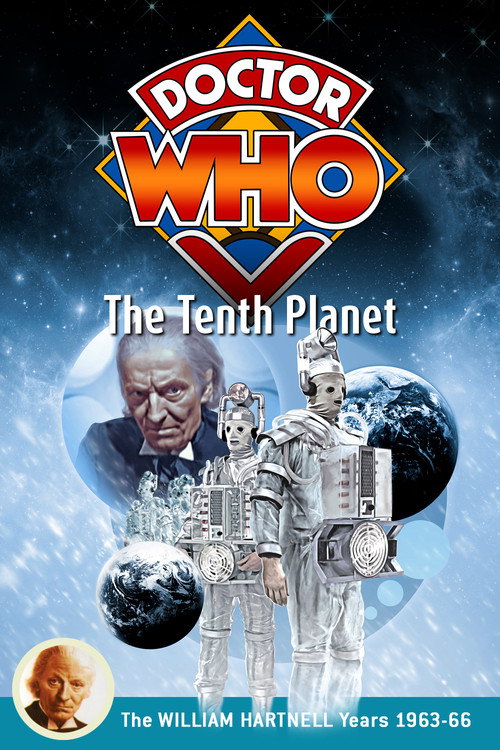
Doctor Who: The Tenth Planet1966
Both use the duplicate-Earth premise to explore identity and existential threat, but The Tenth Planet reaches it through adventure serialisation rather than cold-war proceduralism. Different genre DNA, same central unease.
A Doctor Who serial (two episodes survive; two were reconstructed) about the discovery of a hidden duplicate Earth called Mondas. It beat Doppelgänger to the concept by three years and carries the same uncanny dread about meeting your mirror self.
But It's mid-1960s BBC television: black-and-white, modest sets, a children's show premise. The production values are a fraction of Doppelgänger's. Requires patience with the format itself.
More like this (7)
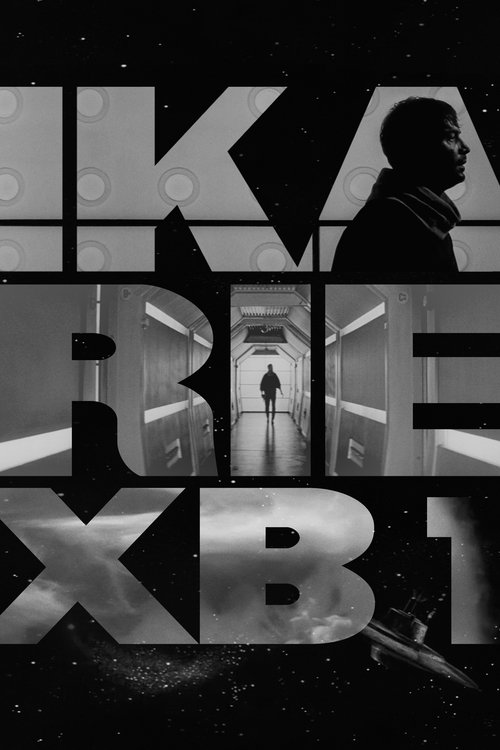
Ikarie XB 11963
A Czech space-exploration film about a crew heading toward Venus. It captures that same Cold War fascination with the mechanics of space travel and the psychological toll of isolation.
But Less visually polished than Doppelgänger, and the dubbing can be distracting. It's more workmanlike sci-fi than artistic.
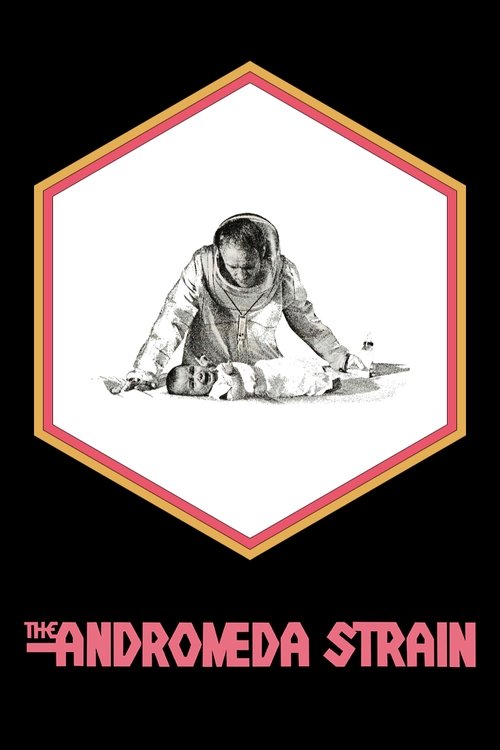
The Andromeda Strain1971
Shares Doppelgänger's faith in procedural detail and locked-room suspense. A discovery that unfolds through investigation rather than spectacle, with real scientists solving real problems.
But It's a thriller first, which means it prioritizes plot clarity over atmosphere. More conventional storytelling than Doppelgänger attempts.
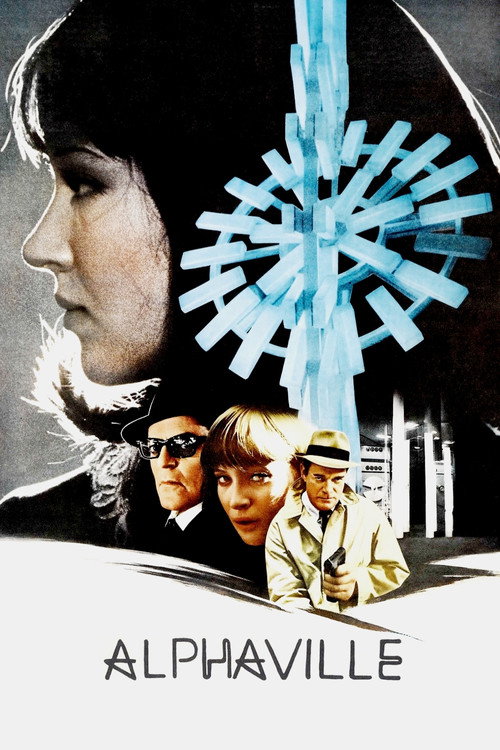
Alphaville1965
Godard's sci-fi noir uses futuristic ideas—mind control, artificial intelligence, language itself weaponised—but grounds it in a downbeat, philosophical register that matches Doppelgänger's tone.
But It's avant-garde and deliberately alienating. The style is the substance, which can feel impenetrable if you want a clear narrative.
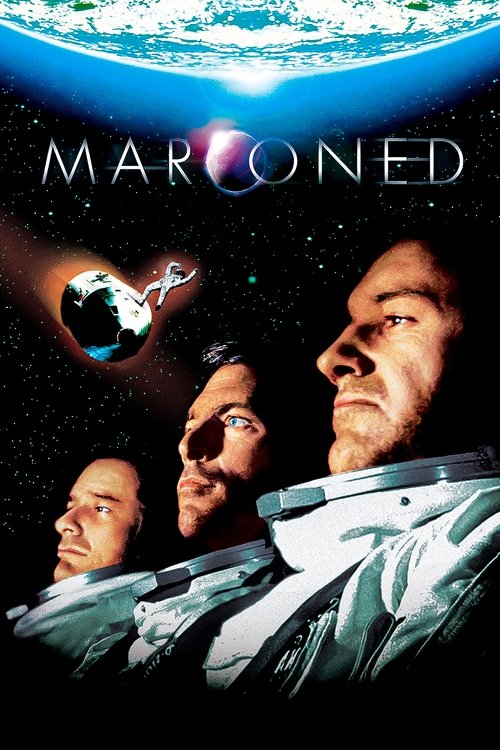
Marooned1969
Released the same year as Doppelgänger, also American, also obsessed with the technical and psychological realities of space missions. Sturges brings a documentary-like precision to the genre.
But Based on a novel, it's more conventional in structure. Less philosophical than Doppelgänger, more straightforward rescue-mission drama.
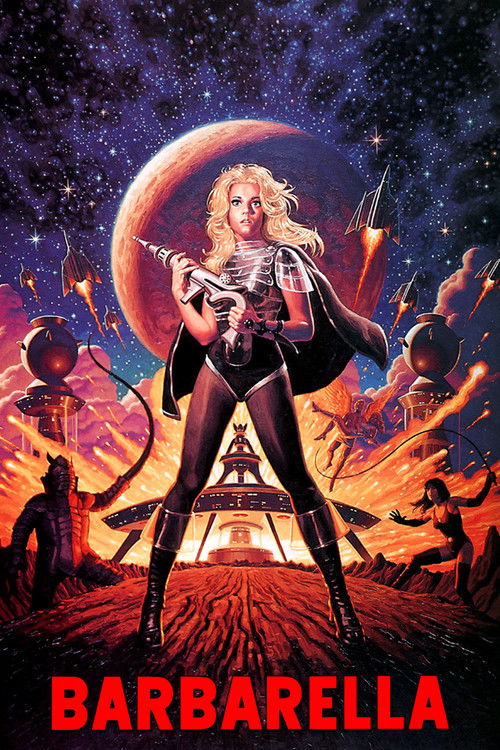
Barbarella1968
A 1960s space opera that's genuinely inventive with its set design and world-building, even if it plays everything for camp. Shows what retro-futurism could look like in a different mood.
But Tonally opposite to Doppelgänger: frivolous, sexy, and unserious. If you want gravitas, this is the wrong direction.
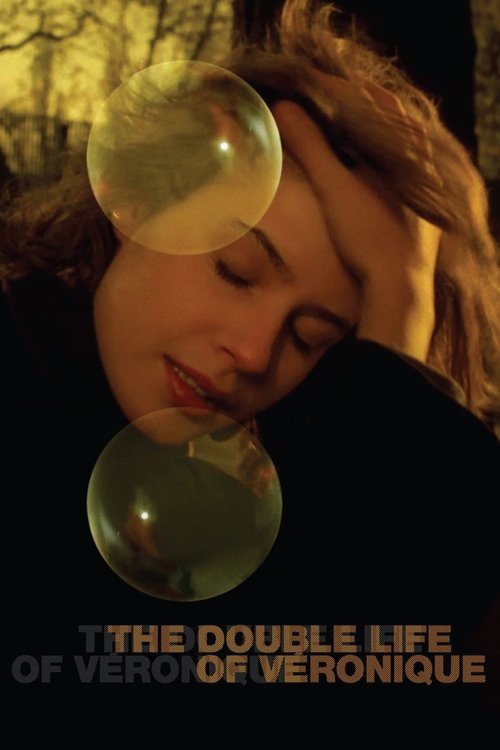
The Double Life of Véronique1991
Both are fascinated by the idea of encountering yourself—same face, same physics, different existence. Doppelgänger approaches it as sci-fi investigation; Kieślowski treats it as romantic mystery and spiritual coincidence. The medium and mood couldn't be more different, but the existential vertigo is the same.
Kieślowski's haunting film about a woman who discovers her exact double living in another country. Uses colour, music, and sudden jumps between realities to create an atmosphere of uncanny recognition and metaphysical vertigo.
But It's a Kieślowski film: oblique, painterly, more interested in mood than plot. The narrative is deliberately thin. If you want clarity about what's happening, you won't find it.
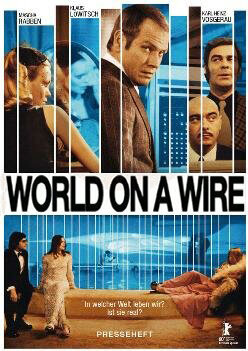
Welt am Draht1973
Both films concern the discovery of a hidden reality that unmakes everything you thought you knew. Doppelgänger is structured as hard sci-fi investigation; this is psychological drama dressed in sci-fi language. One is procedural and external; one is internal and emotional. But both trust that the idea itself—that reality might be other than it seems—is enough to sustain an entire work.
Rainer Werner Fassbinder's two-part television film about a scientist who discovers he's inside a computer simulation. Lushly shot, baroque in design, about identity and the nature of reality—but filters it through 1970s paranoia and psychological dissolution rather than cold-war technophilia.
But It's experimental television: deliberately artificial, slow, and German. The philosophical texture is dense. Requires active, patient watching; it will not come to you.
People
Cast
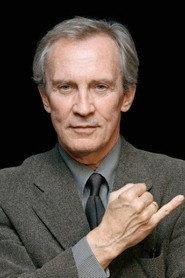 Roy ThinnesColonel Glenn Ross
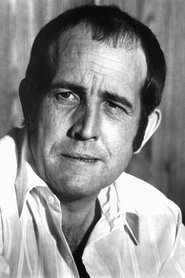 Ian HendryJohn Kane
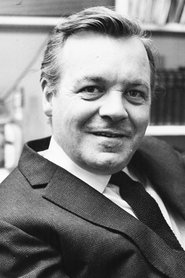 Patrick WymarkJason Webb
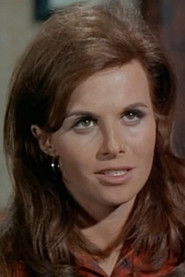 Lynn LoringSharon Ross
 Loni von FriedlLisa Hartmann
- Franco De RosaPaulo Landi
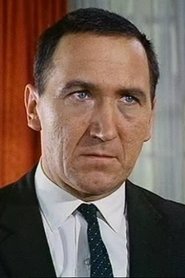 George SewellMark Neuman
 Ed BishopDavid Poulson
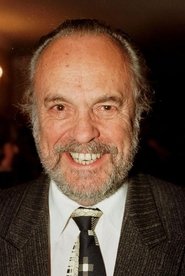 Philip MadocDr. Pontini
 Vladek SheybalPsychiatrist
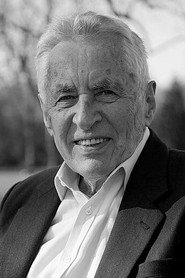 George MikellCaptain Ross
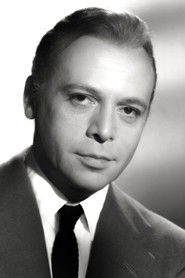 Herbert LomDoctor Hassler
Directing
- John O'ConnorAssistant Director
- Joan DavisContinuity
- Robert ParrishDirector
Writing
- Donald JamesScreenplay
- Gerry AndersonScreenplay
- Sylvia AndersonScreenplay
- Gerry AndersonStory
- Sylvia AndersonStory
Production
- Ernest HoldingAssociate Producer
- Ivo NightingaleLocation Manager
- Gerry AndersonProducer
- Sylvia AndersonProducer
- Brian BurgessProduction Manager
- Julie Leighton-WhiteProduction Secretary
Recommended by
At the Earth's Core, UFO, Land of the Lost, Thunderbirds Are GO, Ice Cold in Alex