
Television series
Berlin Alexanderplatz
- Period drama
- Crime
- Very dark
Rainer Werner Fassbinder's fourteen-hour television epic follows Franz Biberkopf through Weimar Berlin's criminal underworld with unflinching intensity. Shot in stark, theatrical tableaux, it transforms a man's descent into moral corruption into something mythic and devastating. It's demanding, hypnotic cinema disguised as television—essential for anyone serious about the medium.
Should you watch it?
Watch it if you like slow, sprawling character studies where the city itself feels like a living presence and moral chaos is observed without easy judgment.
Skip it if you need brisk plotting or a clear moral arc, since long stretches drift through rooms of talk and the mood stays bleak across fourteen long episodes.
What it asks of you: Settle in for a long haul: fourteen episodes of around an hour each, unhurried, dark and dense, with a steady demand that you keep track of many characters.
Not sure? Find tonight's pick in a minute.
If you liked this
The Sopranos1999
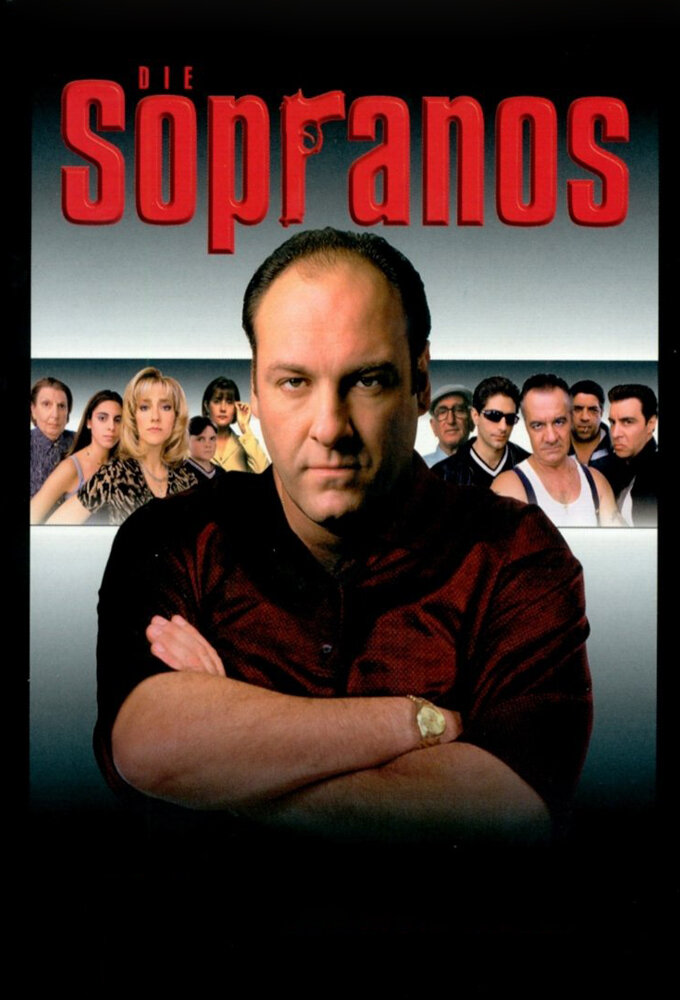
A bruised, intelligent man tries to keep his life together while the world pulls him toward violence. Tony's therapy sessions offer insight into how good people rationalize terrible choices—the same moral architecture Fassbinder maps in Franz.
But Thirteen seasons is a commitment, and the first few episodes feel slower than later ones. Some find the New Jersey setting less gripping than Berlin's historical weight.
Contempt1963
Godard's film about movies and marriage collapsing in parallel has Fassbinder's gift for making domestic betrayal feel like existential crisis. Both directors treat the personal as political without preaching.
But It's playful where Alexanderplatz is grave. Godard's formal experiments might feel like distance rather than depth if you're not in the mood.

M1931
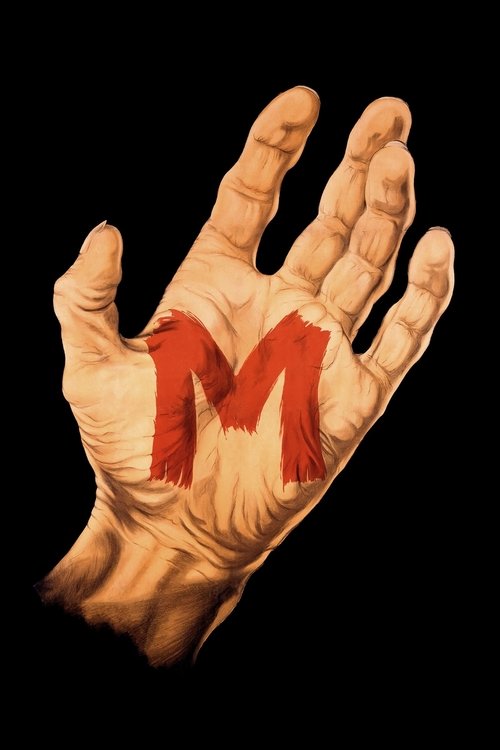
Fritz Lang's Weimar masterpiece about a city hunting a killer captures the same Berlin milieu—corrupt police, mob justice, social collapse—with similarly unsparing vision and visual power.
But Made before sound cinema fully settled, it can feel more theatrical than naturalistic. The pacing is deliberate, almost operatic.
Not sure tonight? Get a pick in a minute, starting from Berlin Alexanderplatz
The wildcard
Something you would not have found on your own.
The Death of Mr. Lazarescu2005
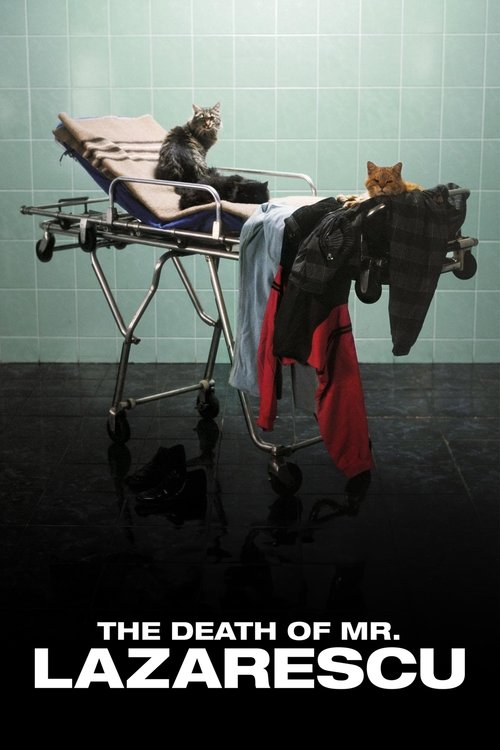
Both trace the machinery of social indifference through a single man's body and face. The city becomes the real antagonist.
Cristian Mungiu shadows a dying man through Bucharest's indifferent medical system with Fassbinder's gift for showing how systems grind people down. It's a Weimar moral tale in post-communist Romania—the same bone under different skin.
But It's 153 minutes of watching bureaucracy kill someone slowly. There's no catharsis, no mercy, no moment where things improve. If you need hope, this will exhaust you.
More like this (8)
Stalker1979
Tarkovsky's meditation on desire and corruption moves at a different pace entirely, but shares Fassbinder's belief that cinema should test patience as a form of truth. Both demand surrender from the viewer.
But It's three hours of slow philosophical walking. If you need plot momentum or dialogue to sustain you, this will feel like watching paint dry.

The Third Man1949
Carol Reed's Vienna noir explores moral compromise and friendship's fragility in a European city still scarred by war. The moral chaos mirrors Franz's entrapment in systems larger than himself.
But The zither score is charming and somewhat dated. Some find the plot mechanics more satisfying than the psychological texture.

In a Lonely Place1950
Bogart as a violent man society won't trust, even when he's trying. Ray's film has Fassbinder's interest in how a bad reputation becomes self-fulfilling and inescapable.
But The Hollywood setting feels smaller than Berlin's weight. It's more intimate drama than epic.

The Conformist1971
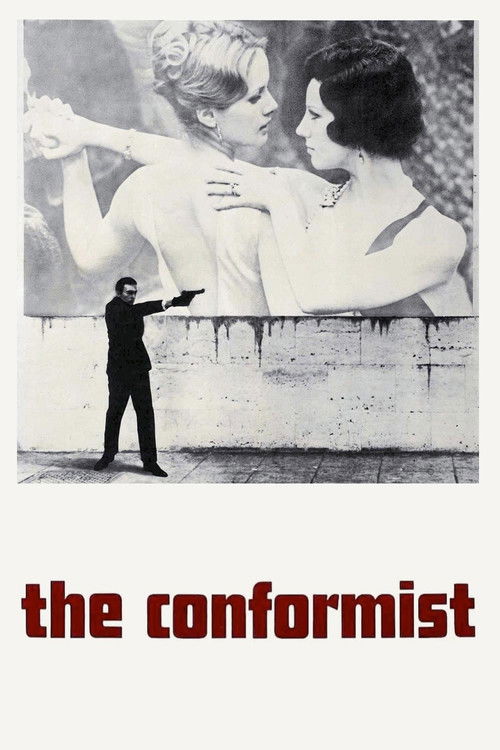
Bertolucci traces how a man's desire to belong leads him into fascism and murder. Like Fassbinder, it shows moral corruption as gradual, seductive, and rooted in need rather than evil.
But The visual beauty sometimes outweighs the moral questions. It can feel like watching a gorgeous tomb.
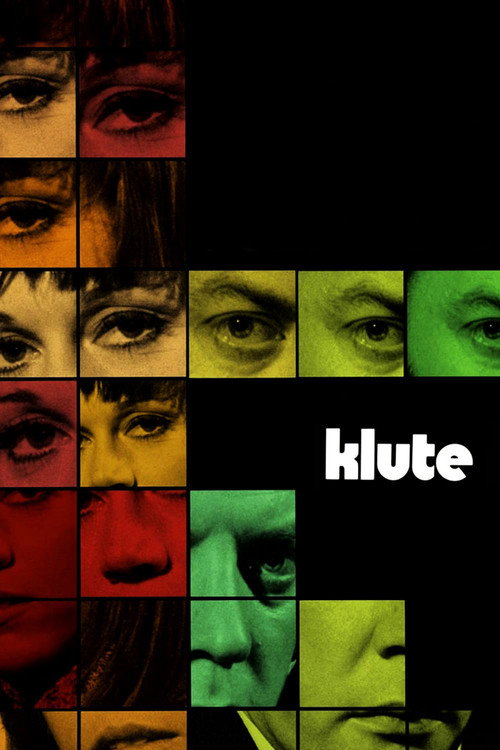
Klute1971
Jane Fonda's prostitute is trapped by circumstance and her own survival instincts much as Franz is. Pakula's film shares the sense that systems destroy individuals more surely than malice.
But It's a thriller first, which means some plot resolutions feel conventional. The existential despair gets secondary to the whodunit.
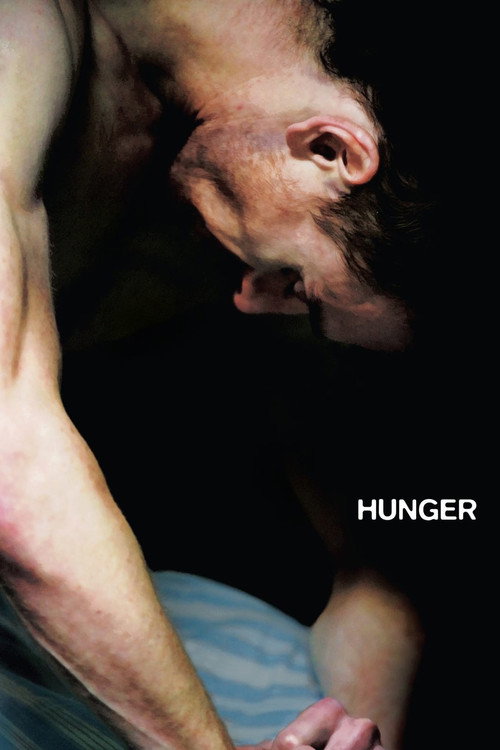
Hunger2008
Steve McQueen's film about an IRA prisoner's protest has Fassbinder's uncompromising belief that cinema can show moral endurance without flinching or sentimentality.
But It's visually austere to the point of punishing. Some sequences are difficult in ways that don't feel necessary if you're watching for drama rather than philosophical challenge.
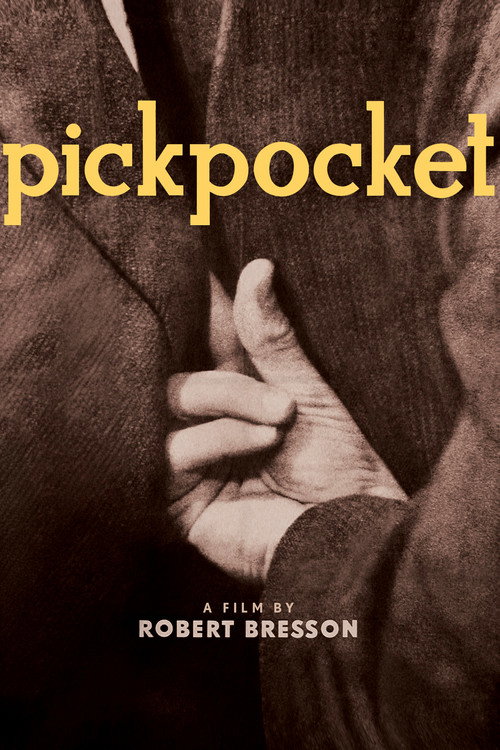
Pickpocket1959
Both see crime as a form of spiritual seeking—a twisted attempt to touch something real when the world feels hollow. The thief is a kind of mystic.
Bresson's minimalist masterpiece follows a thief through Paris with the same unflinching attention to moral degradation and the strange comfort crime offers. The spiritual ache beneath Franz's criminality becomes explicit here.
But It's ascetic to the point of coldness. No sentimentality, almost no music, faces kept distant. If you need emotional access, it can feel like watching through glass.
Memories of Murder2003
Both see corruption as environmental rather than personal—the city itself teaches you to be a predator. Individual morality becomes almost meaningless in systems designed to break it.
Bong Joon-ho's serial killer procedural set in 1980s Korea has Fassbinder's sense that institutions and individuals corrupt each other in feedback loops. The city, the police, the killer, the public—all feeding the same moral decay.
But It's far more visceral and violent than Alexanderplatz. Some scenes are genuinely brutal. The tonal shifts between comedy and horror can feel jarring if you're not expecting them.

People
Cast
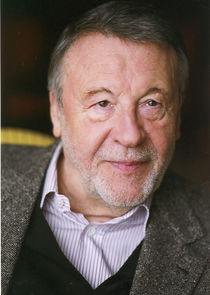


Writing
- Rainer Werner FassbinderCreator
Production
- Günter RohrbachProducer
- Gunther WitteProducer
- Peter MärthesheimerProducer
Recommended by
Rainer Werner Fassbinder's World on a Wire: Looking Ahead to Today