
Film
The Iceman Cometh
- Drama
- Very dark
- Slow-burning
Eugene O'Neill's sprawling masterpiece about men trapped in delusion, filmed as a nearly four-hour stage play. Lee Marvin and Robert Ryan anchor a ensemble of drunks and dreamers in a 1912 saloon, waiting for their annual saviour—who arrives with devastating truth instead of comfort. Hypnotic, grueling, profoundly human.
Should you watch it?
Watch it if you relish talky, sorrowful character studies where the words do all the work, and you can sit with a room of broken drinkers clinging to their illusions.
Skip it if you want a lively night out, because this is a static, wordy play adapted to film, and its sheer length will test even patient viewers.
What it asks of you: It asks for nearly four hours in a single room, moving at the unhurried pace of a long argument, with speeches that reward close attention rather than quick glances.
Not sure? Find tonight's pick in a minute.
If you liked this
Come and See1985
A film about disillusionment and the destruction of innocence by a cruel world. Elem Klimov's masterpiece captures moral devastation with the same unflinching intensity O'Neill brings to his dialogue about self-deception and survival.
But Brutally graphic depictions of war crimes and suffering. It is not cathartic; it accumulates damage. Some viewers find it unwatchable.

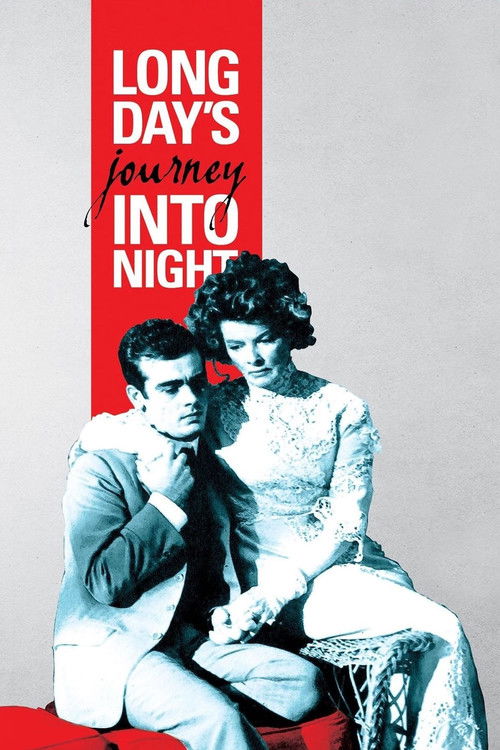
Long Day's Journey Into Night1962
Another O'Neill adaptation, equally long and claustrophobic. Traces a single day of a family's mutual recrimination and addiction. Spencer Tracy and Katharine Hepburn give themselves completely to the wreckage.
But Chamber drama with almost no plot. If you found Iceman shapeless, this will feel even more so. The emotional weight is everything; nothing else happens.
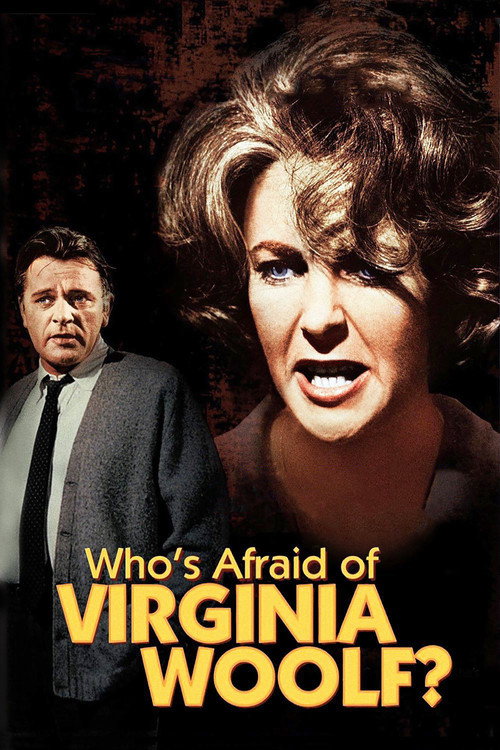
Who's Afraid of Virginia Woolf?1966
Another one-room hellscape where couples pick at each other's illusions across a single night. Taylor and Burton are magnificent, and like Iceman, the dialogue carries the entire weight—no escape, just words and damage.
But Relentlessly bleak. The fights feel real in a way that can make the film exhausting rather than moving. It ends without resolution.
Not sure tonight? Get a pick in a minute, starting from The Iceman Cometh
The wildcard
Something you would not have found on your own.
Requiem for a Dream2000
Both are tragedies about self-deception as a survival mechanism and what happens when it fails, but Aronofsky shows addiction as a disease of hope itself—the addict is always waiting for Hickey.
Darren Aronofsky captures O'Neill's insight that addiction takes many forms—drugs, pills, television, appetite—and that self-deception is universal, not confined to drunks in saloons. Same theme of the pitiless revelation that comes when illusion finally breaks.
But The style is aggressively kinetic: jump-cuts, kaleidoscope imagery, pounding music. Visually punishing in the way Iceman is conversationally so. Some find the technique exploitative of its subjects' suffering.

More like this (8)
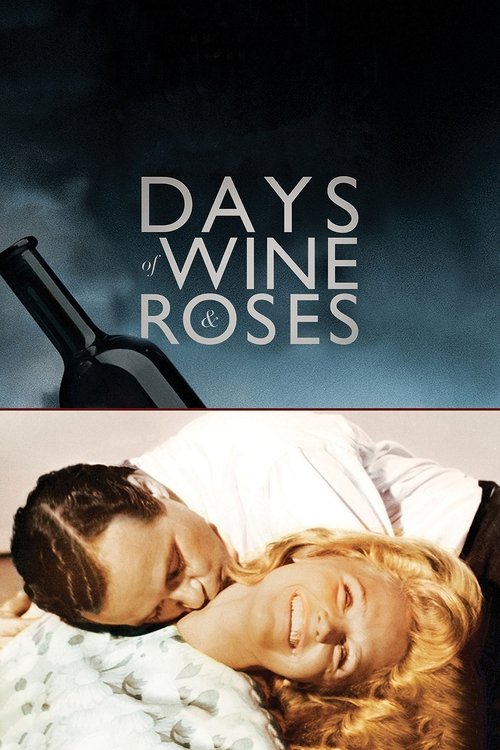
Days of Wine and Roses1963
Twin portraits of alcoholism as both escape and trap, spiraling downward with devastating specificity. Jack Lemmon gives a career-best performance showing how addiction corrodes both the drinker and those close to them.
But The depression is thorough and unrelenting. Unlike some problem-pictures, it refuses to suggest recovery or redemption. It simply shows the fall.
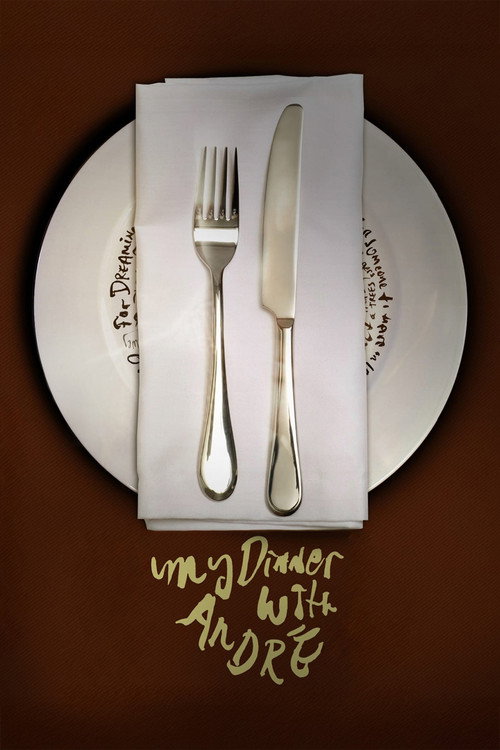
My Dinner with Andre1981
Two men sitting in a restaurant, talking for ninety minutes about meaning, memory, and whether life as lived is actually worth living. The structure mirrors Iceman's obsession with dialogue and philosophical reckoning.
But Literally just two people talking. If you don't connect with their voices and ideas, you have nothing. Many find it precious or self-indulgent.
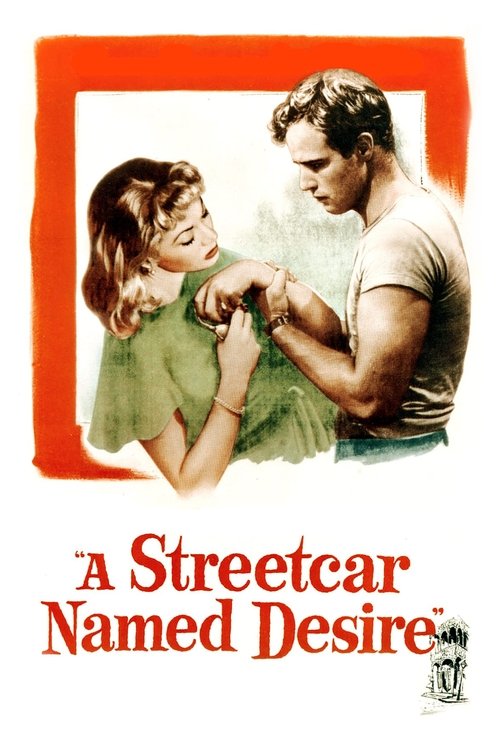
A Streetcar Named Desire1951
Another American masterpiece where characters collide in tight spaces, their illusions meeting brutal reality. Marlon Brando and Vivien Leigh inhabit a boardinghouse as claustrophobic as Hope's saloon, and the sexual and psychological violence is raw.
But The treatment of mental illness and assault feels dated in some ways, and Brando's performance can overshadow the tragic architecture of the piece.
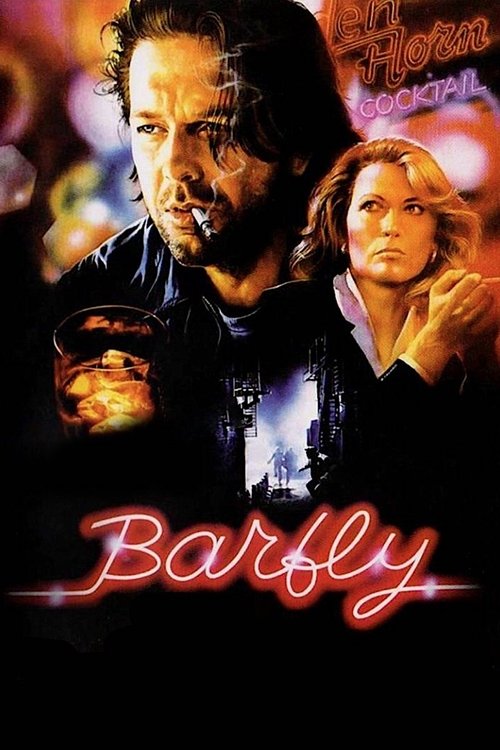
Barfly1987
Mickey Rourke as a poet-drunk moving through a Los Angeles dive bar. It has Iceman's affection for damaged men and the strange community of failure, plus Bukowski's caustic humor about dreams deferred.
But Smaller and looser in structure than Iceman. The romanticism of drink and poverty may feel like evasion rather than reckoning. It's also distinctly of its era.
The Best Years of Our Lives1946
Men returning from war trying to rebuild meaning and identity in a world that has changed or rejected them. William Wyler directs a character study that moves like a novel, examining how people construct new illusions after trauma.
But It's nearly four hours and structurally loose. The pacing is deliberate to the point of slowness for modern viewers. Some threads feel resolved too neatly.

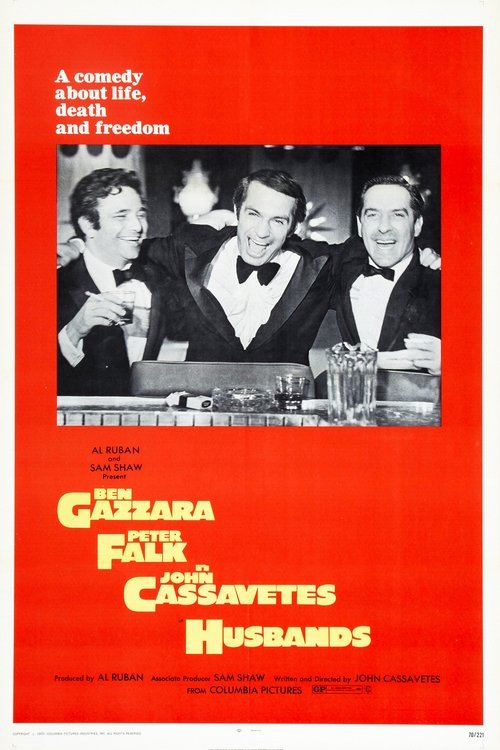
Husbands1970
John Cassavetes' three-hour improvisation about three middle-aged men in crisis, talking and drinking and running from their own lives. Rawer and more chaotic than Iceman, but after seeing one, you'll recognize the same territory.
But Shot like a documentary on a shoestring. The performances are self-indulgent and the narrative is willfully thin. Some will find it unwatchable pretension.
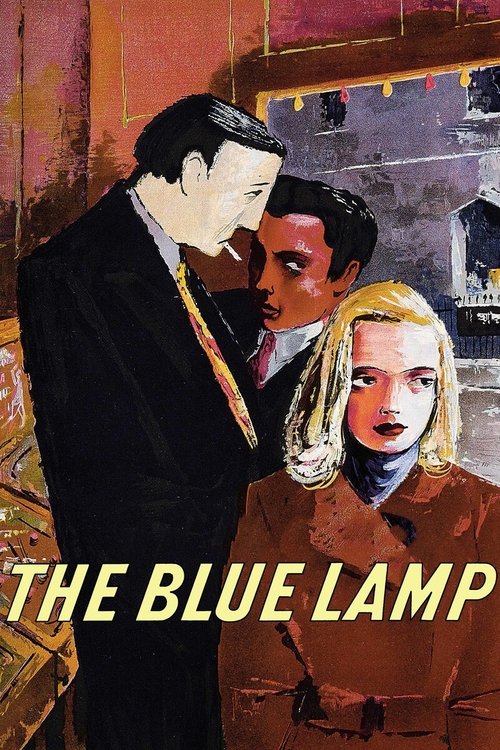
The Blue Lamp1950
Both films locate human dignity and community among men of failed hopes, and both refuse to make that dignity sentimental. The setting is different but the grammar of regret is the same.
A British police procedural that functions as an ensemble character study of men carrying their own shames and failures. Like Iceman, it treats working-class masculinity and compromise with unsentimental dignity and unexpected tenderness.
But It's a police film, so genre expectations may mislead you. The pacing is deliberate and British. The moral world is more orderly than in Iceman—it may feel quaint to modern eyes.
Mulholland Drive2001
Both are films where the real plot is the protagonist's—and the audience's—slow recognition that everything we accepted was a lie. Naomi Watts' performance mirrors the trajectory of every character in Iceman.
David Lynch's three-hour mystery about delusion, failed dreams, and the stories we tell to survive. It's formally experimental where Iceman is formally austere, but both are obsessed with the moment when illusion collapses and there's nothing left to say.
But It's a puzzle-box that doesn't solve itself. The second half rewrites the first. If you need narrative clarity, this will infuriate you. Lynch rewards surrender, not analysis.

People
Cast
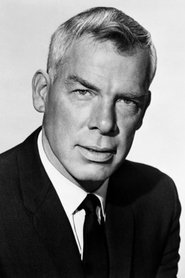 Lee MarvinTheodore 'Hickey' Hickman
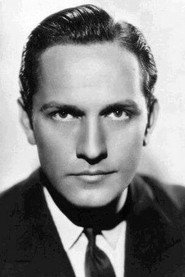 Fredric MarchHarry Hope
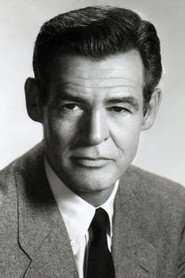 Robert RyanLarry Slade
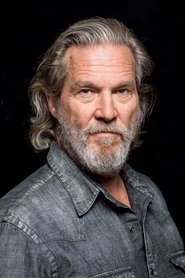 Jeff BridgesDon Parritt
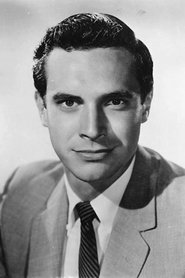 Bradford DillmanWillie Oban
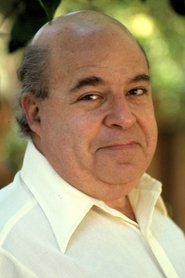 Sorrell BookeHugo Kalmar
 Hildy BrooksMargie
 Juno DawsonPearl
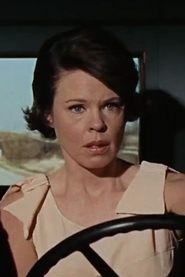 Evans EvansCora
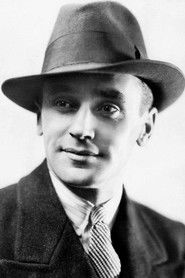 Martyn GreenCecil Lewis
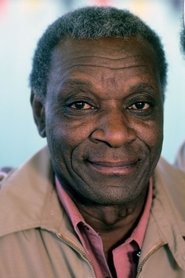 Moses GunnJoe Mott
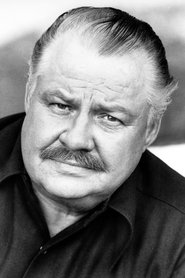 Clifton JamesPat McGloin
Directing
- John FrankenheimerDirector
Writing
- Thomas Quinn CurtissScreenplay
- Edward AnhaltStory Consultant
- Eugene O'NeillTheatre Play
Production
- Lynn StalmasterCasting
- Edward LewisExecutive Producer
- Ely A. LandauProducer
- Irving TemanerProduction Supervisor