
Film
Minnie and Moskowitz
John Cassavetes' 1971 love story about a cynical woman and an eccentric parking attendant who collide and refuse to separate. It's messy, digressive, funny, and shot in that peculiar intimate style—actors breathing in close-ups, conversations that meander—that makes you feel like you're watching real people negotiate affection and doubt. For anyone who thinks romance should feel like life, not like a screenplay.
Should you watch it?
Watch it if you like unruly, talky romances where two wounded people bicker, wander and slowly warm up, with the rough edges left in.
Skip it if you want a tidy, plot-driven love story; this one circles, repeats itself and lets scenes run long, so its charm may feel like drift.
What it asks of you: Settle in for a leisurely ride of long conversations, loud arguments and awkward pauses, with the mood shifting between prickly and tender.
Not sure? Find tonight's pick in a minute.
If you liked this
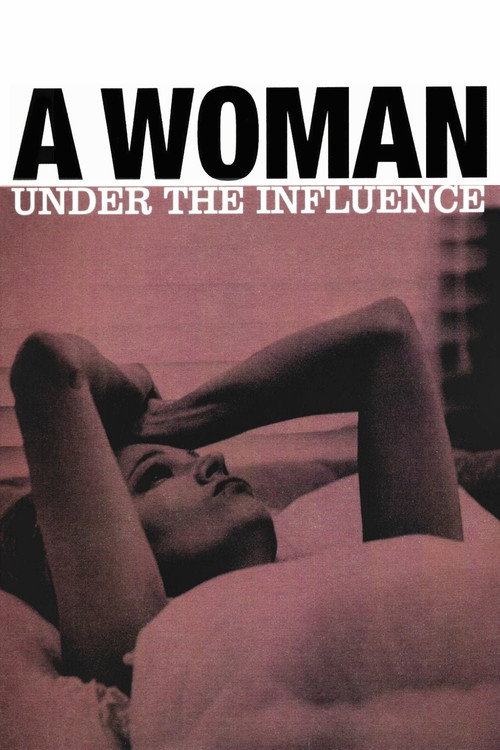
A Woman Under the Influence1974
Also directed by Cassavetes and starring Gena Rowlands in a rawer, more devastating performance. If you loved the texture and honesty of Minnie and Moskowitz, this deepens everything about what makes his work singular.
But It's profoundly uncomfortable to watch—a portrait of marriage on the edge of collapse. Rowlands' performance is so open it can feel like an invasion of privacy.
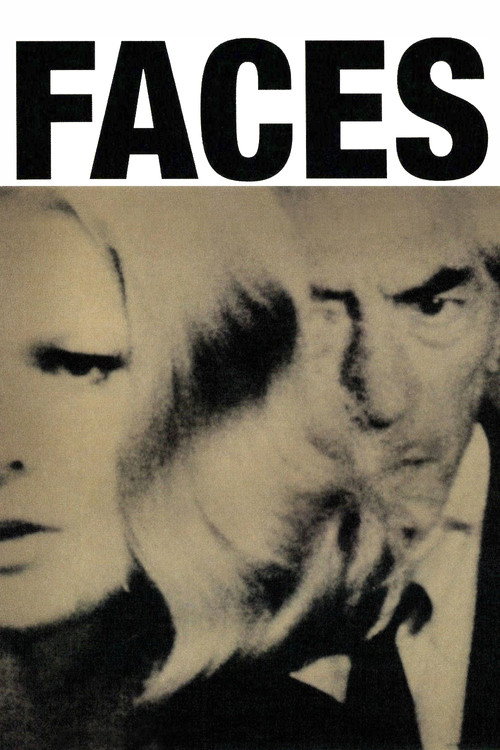
Faces1968
Cassavetes' breakthrough: a party that decays into emotional truth over two hours. It has the same willingness to let scenes breathe and characters contradict themselves, and the same insistence that ordinary people are worth this much attention.
But Shot in stark black-and-white on 16mm, the image is grainy and sometimes harsh. Some viewers find the length and pacing exhausting rather than immersive.
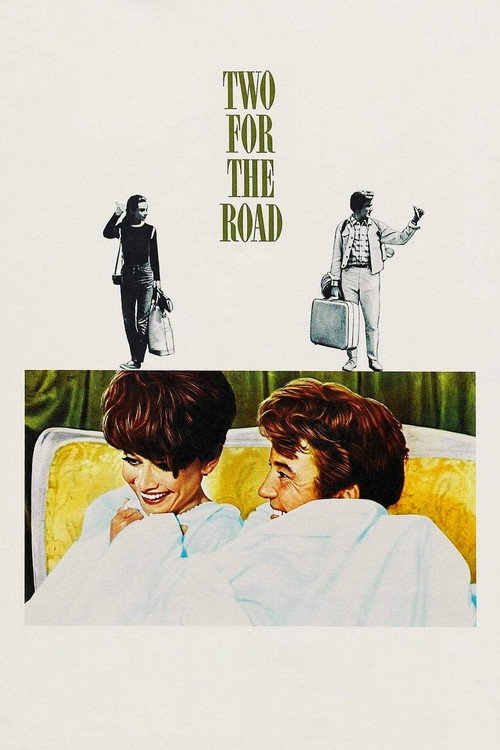
Two for the Road1967
A couple seen across decades, jumping backwards and forwards through their relationship. It's romantic and devastating by turns, funny in the way real relationships are funny—because you're laughing at yourselves.
But Its sixties style and some dated cultural references can feel more period-specific than Minnie and Moskowitz. The structure, while clever, is a bit more constructed.
Not sure tonight? Get a pick in a minute, starting from Minnie and Moskowitz
The wildcard
Something you would not have found on your own.
Stalker1979
Both are love stories about wanting something you can't quite name, told with absolute patience and no shortcuts. The space between people is where the real action is.
Tarkovsky's metaphysical journey toward desire and the unknown. Like Minnie and Moskowitz, it's about two people moving toward something they can't fully articulate—but here, the landscape is alien and the questions are existential. Same emotional engine, infinitely different register.
But It's slow, meditative, and nearly three hours long. The philosophy isn't hidden; it's the entire point. If you want plot momentum, you'll be frustrated.

More like this (7)
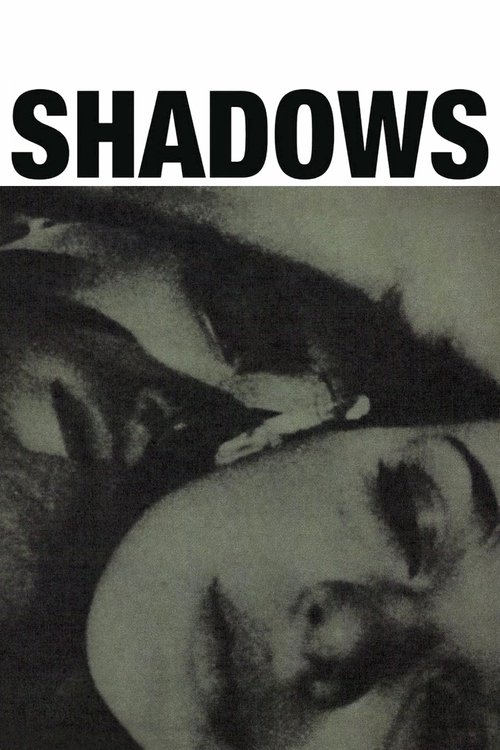
Shadows1960
Cassavetes' radical debut: a film about three siblings in New York, shot on the street, improvised, alive in a way American cinema wasn't in 1959. It's the DNA of everything that follows, including Minnie and Moskowitz.
But It's rougher than his later work—the audio is sometimes inaudible, the image quality is poor. The improvisation can feel aimless if you're not attuned to what he's doing.
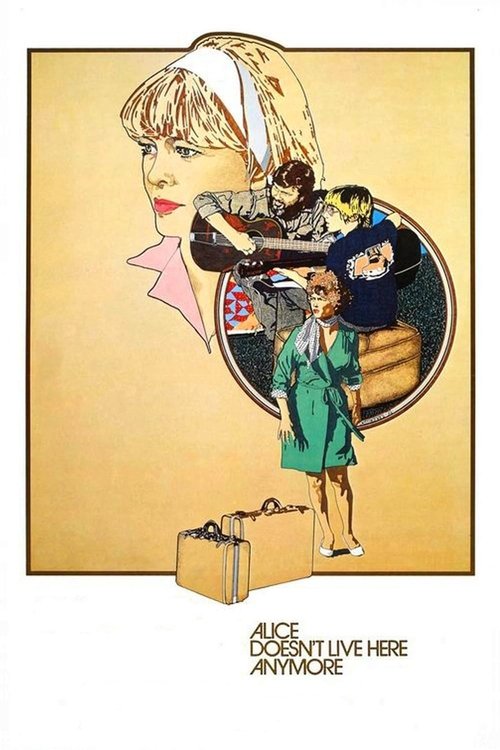
Alice Doesn't Live Here Anymore1974
Scorsese's portrait of a widow trying to rebuild her life in the Southwest. It has Minnie's DNA—a woman unmoored, meeting someone unexpected, the possibility of love emerging from wreckage—but in a different register.
But Ellen Burstyn's performance is fiercer and darker than Rowlands' in Minnie and Moskowitz. This is less a quirky romance than a survival story dressed as one.
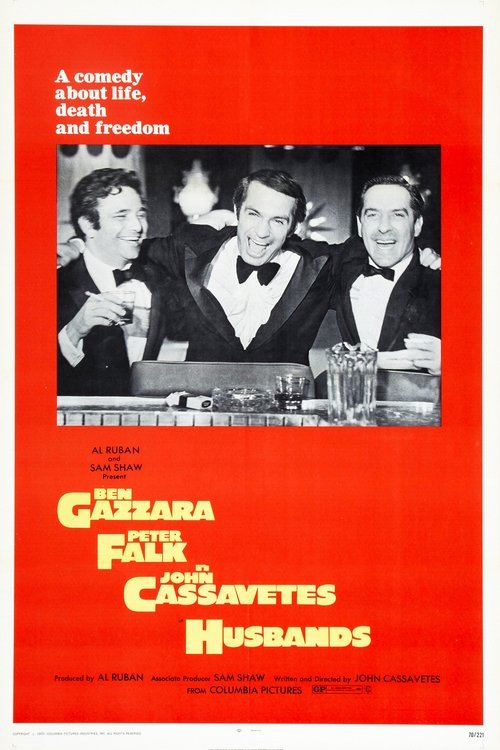
Husbands1970
Cassavetes directing himself and two friends after a heart attack forces a reckoning. It's three men in crisis, but the emotional vulnerability is the same as in Minnie and Moskowitz—the refusal to look away when things get messy.
But It's 142 minutes of men drinking and arguing and crying. There's no plot to speak of. Patience isn't just required; it's the whole point.
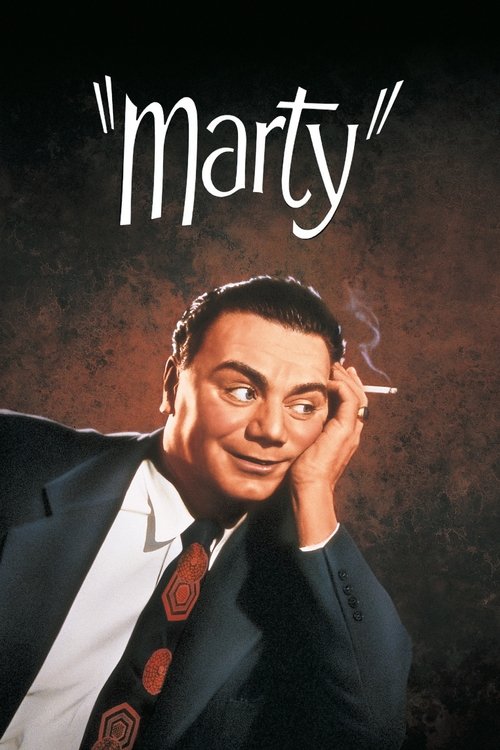
Marty1955
An earlier, softer take on the ugly-duckling romance: a shy butcher and a plain schoolteacher finding each other at a dance. It's sweet, it believes in ordinariness, and it has real joy in it.
But It's schmaltzy by modern standards and very much a product of 1950s sentimentality. The earnestness reads as naive if you're not in the mood for it.
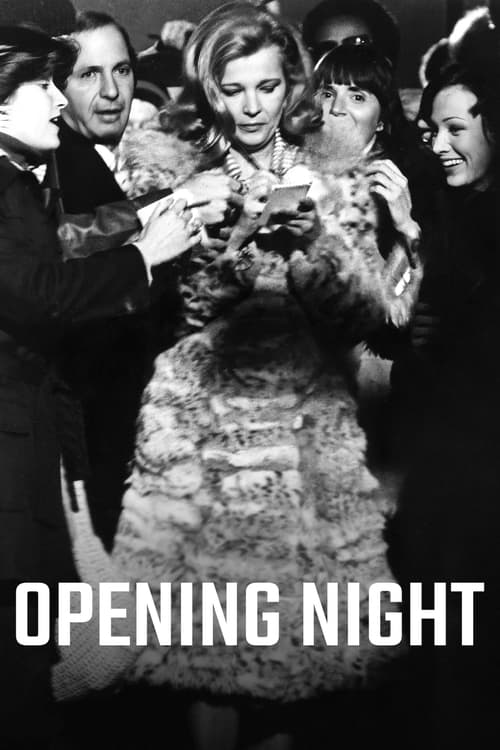
Opening Night1977
Cassavetes and Rowlands again, in a film about an actress having a breakdown during rehearsals. It's about performance and reality blurring, and it has the same generosity toward human contradiction.
But It's more baroque and theatrical than Minnie and Moskowitz, and more abstract. The structure is dreamlike, which some find liberating and others find frustrating.
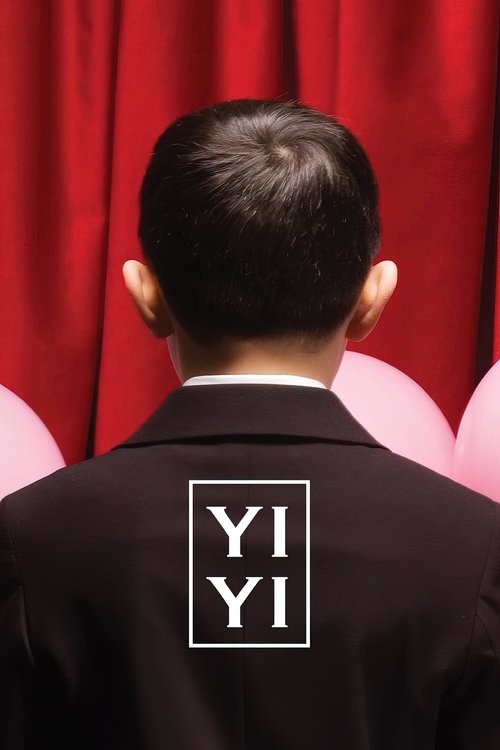
Yi Yi2000
Both see romance as a continuing negotiation, not a destination. Both trust actors and time more than plot. Both believe ordinary life is extraordinary.
Edward Yang's Taiwanese family epic, where a man reconnects with a lost love while navigating marriage and fatherhood. It's three hours of small moments accumulating into something vast. Romantic without ever being sentimental.
But It's in Mandarin with subtitles, and it's structurally complex—multiple storylines, multiple decades. The pacing is Taiwanese cinema's own rhythm, not Hollywood's.
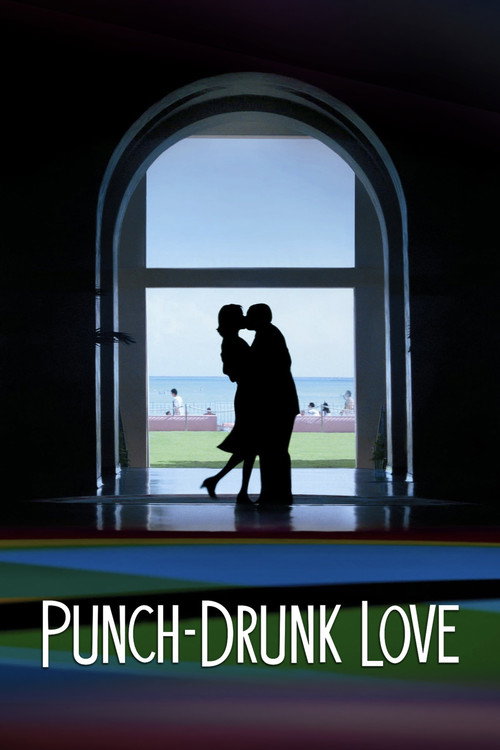
Punch-Drunk Love2002
Both are about people outside normal courtship rituals trying to find each other. The gap between what they want to say and what they can say is the whole story.
Paul Thomas Anderson's 81-minute explosion: a lonely, angry man meets a woman and doesn't know how to be near another human being. It's Minnie and Moskowitz' awkwardness turned baroque and surreal—strangers trying to touch across impossible distances.
But It's aggressively stylized—rapid cuts, bright color, electronic score. The emotional rawness is wrapped in formal eccentricity, which some find brilliant and others find affected.
People
Cast
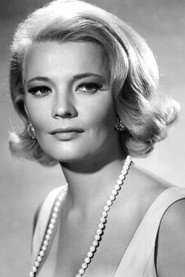 Gena RowlandsMinnie Moore
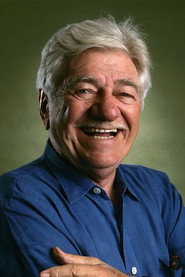 Seymour CasselSeymour Moskowitz
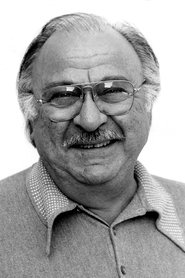 Val AveryZelmo Swift
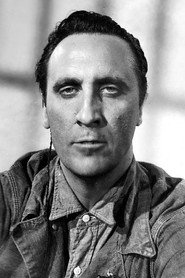 Timothy CareyMorgan Morgan
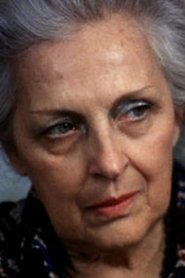 Katherine CassavetesSheba Moskowitz
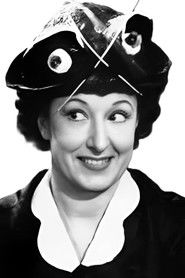 Elsie AmesFlorence
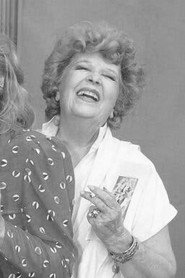 Lady RowlandsGeorgia Moore
 Holly NearIrish
 Judith RobertsWife
- Jack DanskinDick Henderson
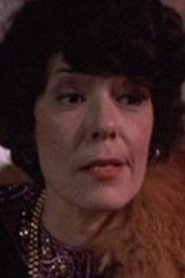 Eleanor ZeeMrs. Grass
Directing
- Kevin DonnellyAssistant Director
- Louis A. StrollerAssistant Director
- John CassavetesDirector
- Dalonne JacksonScript Supervisor
Writing
- John CassavetesWriter
Production
- Paul DonnellyAssociate Producer
- Al RubanProducer
- Elaine KaganProducer's Assistant
- James JoyceProducer's Assistant