
Film
Rocky II
Rocky II deepens what the first film started: a portrait of ambition, loyalty, and the weight of expectations. Stallone returns as the small-time Philadelphia fighter thrust into prominence, now grappling with fame while his nemesis demands vindication. It's sweaty, earnest drama wrapped around a knockout finale—a film that trusts its characters' inner lives as much as its spectacle.
Should you watch it?
Watch it if you want the underdog story's aftermath, where a boxer's marriage, money and pride take as much punishment as his face, and you like sentiment earned slowly rather than rushed.
Skip it if you came for the boxing and want it lean; much of the 119 minutes sits in domestic life, with Rocky's struggles outside the ring taking real screen time.
What it asks of you: Nearly two hours at a steady, unhurried pace, with long quiet stretches at home before the sport takes over and the sentiment stays unapologetically earnest.
Not sure? Find tonight's pick in a minute.
If you liked this
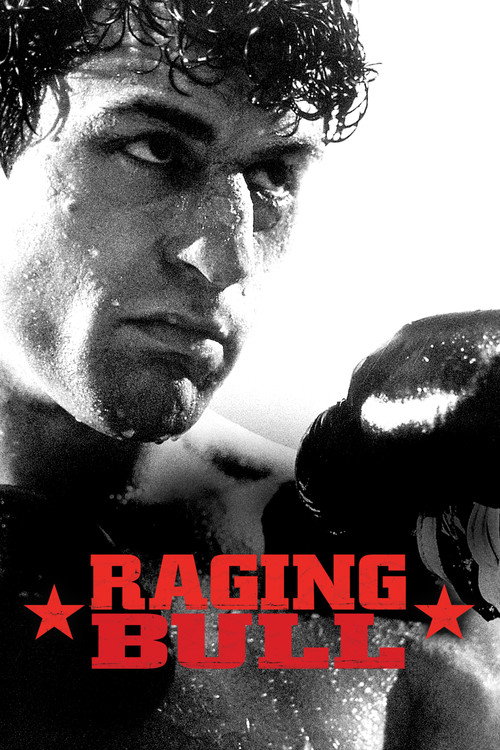
Raging Bull1980
Scorsese's masterpiece about boxer Jake LaMotta channels similar intensity into a portrait of masculine self-destruction. Raw, brutal filmmaking about a man destroyed from within by jealousy and pride.
But It's punishing to watch—LaMotta is contemptible, the relationship dynamics are toxic, and it's in black and white. Not uplifting.
The Wrestler2008
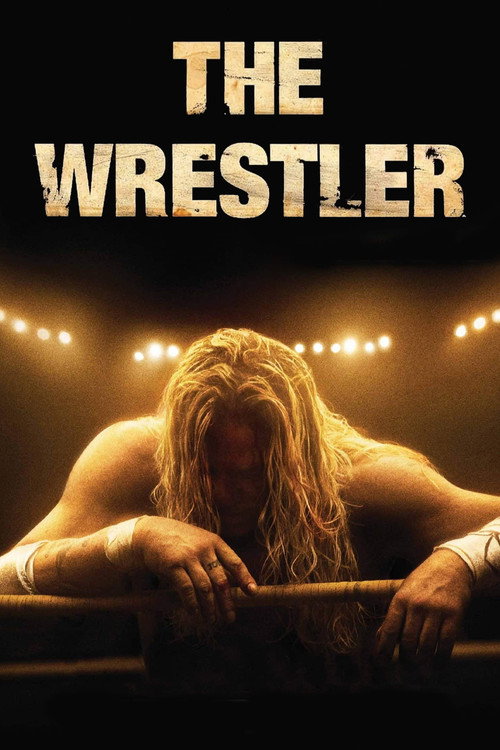
Darren Aronofsky finds the same heartbreak in professional wrestling that Rocky II finds in boxing. Mickey Rourke's aging performer fighting obsolescence is genuinely tragic, shot with documentary-like compassion.
But It's bleak. There's no triumph waiting at the end, and watching someone you like deteriorate is harder than it sounds.
Cinderella Man2005
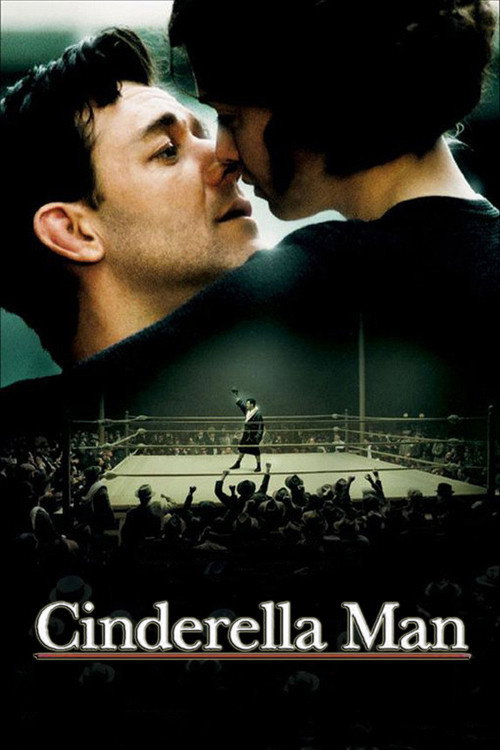
Russell Crowe as a Depression-era boxer fighting back to relevance and respectability. Beautifully shot, emotionally direct, with genuine stakes beyond the ring. Ron Howard at his most sincere.
But It hits the same beats as Rocky with less originality. If you want the template rather than something that deepens it, this might feel familiar.
Not sure tonight? Get a pick in a minute, starting from Rocky II
The wildcard
Something you would not have found on your own.
F for Fake1973
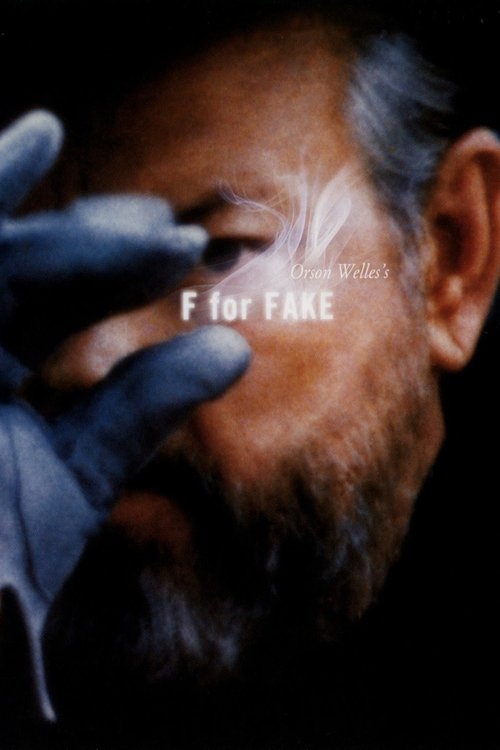
Both films are about characters whose public performance becomes their identity. Rocky fights to prove something true about himself; Welles asks if that proof can ever exist outside the frame.
Welles' essay-film about authenticity, performance, and the line between truth and spectacle. It's formally dizzying and deeply philosophical—a meditation on whether anything we see is real, or if the doing itself is all that matters.
But It's experimental and requires active viewing. No plot in the traditional sense, and the structure is deliberately fractured. Easy to dismiss as pretentious if you're not in the mood.
More like this (8)
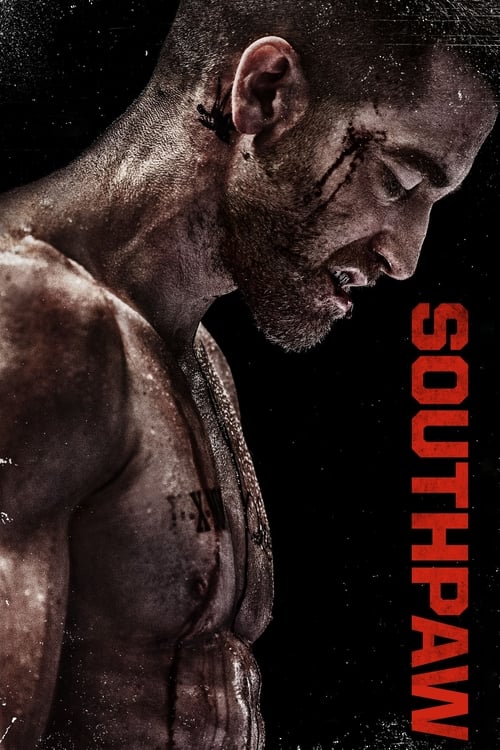
Southpaw2015
Gylenhaal delivers a raw, unguarded performance as a boxer unraveling after tragedy. Brutal boxing sequences and a character study that doesn't look away from pain and grief.
But It's relentlessly grim and the boxing scenes are viscerally hard to watch. The script occasionally oversimplifies emotional complexity into melodrama.
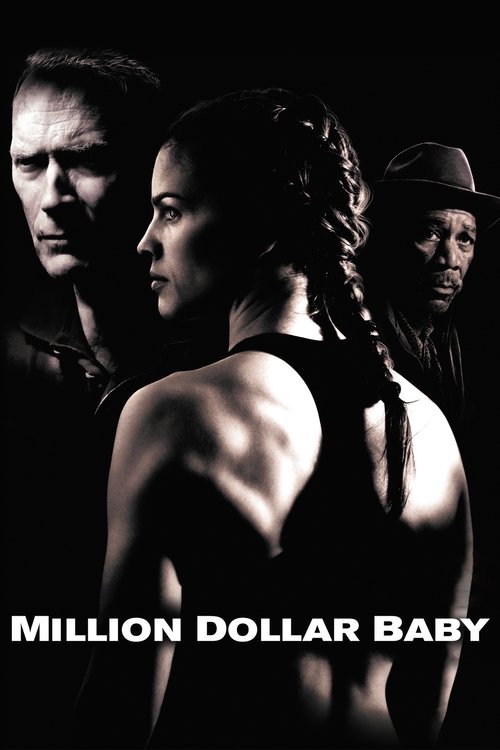
Million Dollar Baby2004
Eastwood explores the boxer-trainer bond with maturity and dignity. Hilary Swank's dedication and the quiet mentorship scenes rival any fight. A meditation on legacy and mercy that earns its weight.
But The ending reframes everything and some find it nihilistic rather than profound. It's also slow-paced, preferring conversation to action.
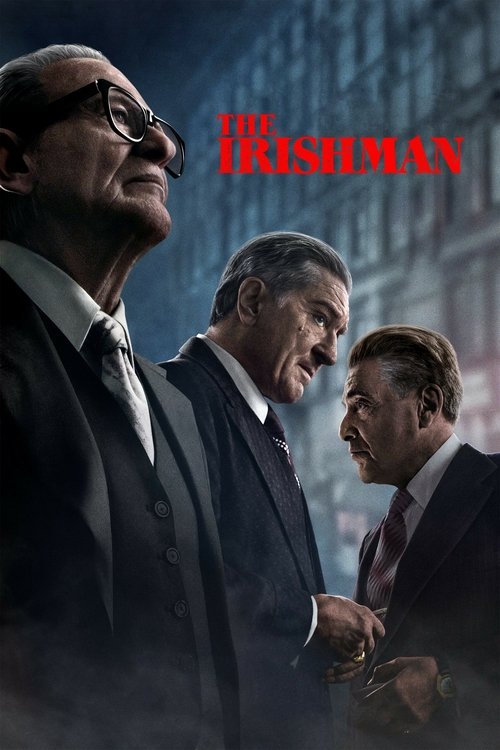
The Irishman2019
Scorsese's portrait of a man reflecting on a life spent serving others' ambitions. Three and a half hours of masterful filmmaking examining loyalty, regret, and the cost of the choices you make.
But It's glacially paced and demands sustained attention. Many find it draining rather than cathartic, and the runtime tests patience.
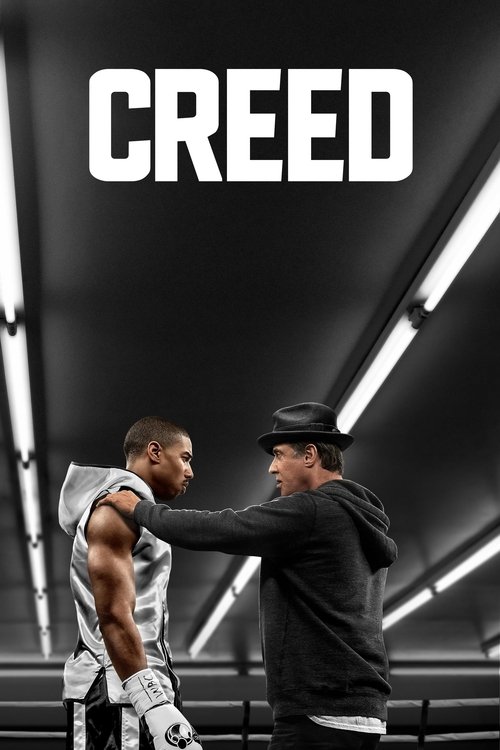
Creed2015
Michael B. Jordan inherits the franchise with genuine charisma and the film respects what came before while carving its own path. Solid boxing, real emotion, and a mentor relationship that mirrors and deepens the original.
But It leans on franchise familiarity. If you haven't connected with Rocky films, this won't convert you, and some old fans find the shift generational rather than evolutionary.
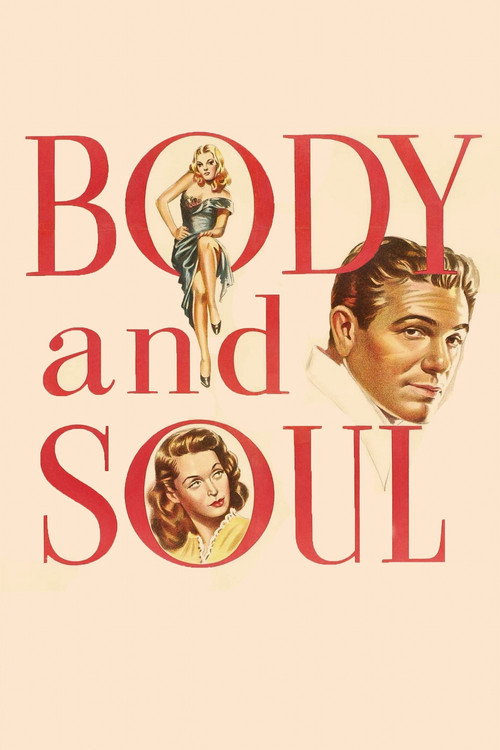
Body and Soul1947
An American noir classic about a boxer seduced by money and success. John Garfield's moral decline is tragic and beautifully rendered in black and white. The template that influenced everything that came after.
But It's in black and white and moves at a 1940s pace. The boxing sequences are brief and staged compared to modern expectations. Requires patience.
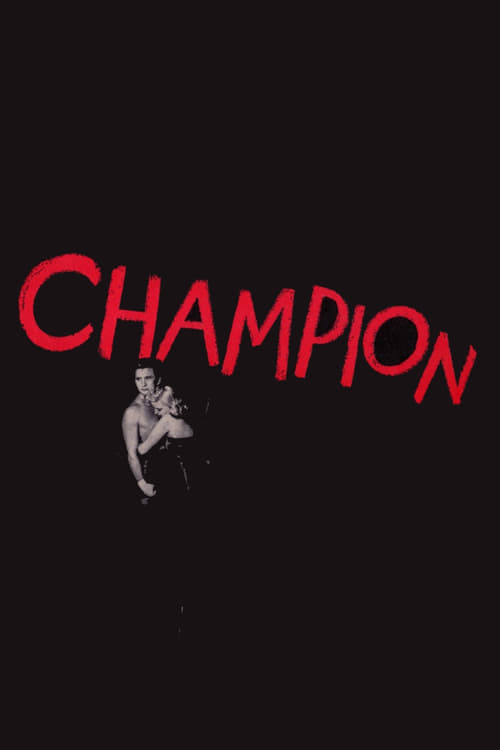
Champion1949
Kirk Douglas as a ruthless boxer willing to betray everyone for the title. A darker, morally complex sports drama that predates Rocky's optimism and asks harder questions about ambition's cost.
But It's cynical where Rocky is hopeful, which some find refreshing and others find depressing. The fight scenes are dated and the pacing is deliberate.
The Killing1956
Both examine the gap between what someone wants and what the world allows them to have. Rocky pushes through; Killing shows what happens when luck runs out. Same question, opposite answers.
Kubrick's debut traces a horse-racing heist from multiple angles, showing how ambition and circumstance collide. Taut, formally brilliant, and concerned with fate and failure in ways that feel deeply human despite the genre wrapping.
But It's a noir, so it's fatalistic and grim. No underdog triumph here—every plan collapses. The multiple narrative structure can feel dated to modern viewers.

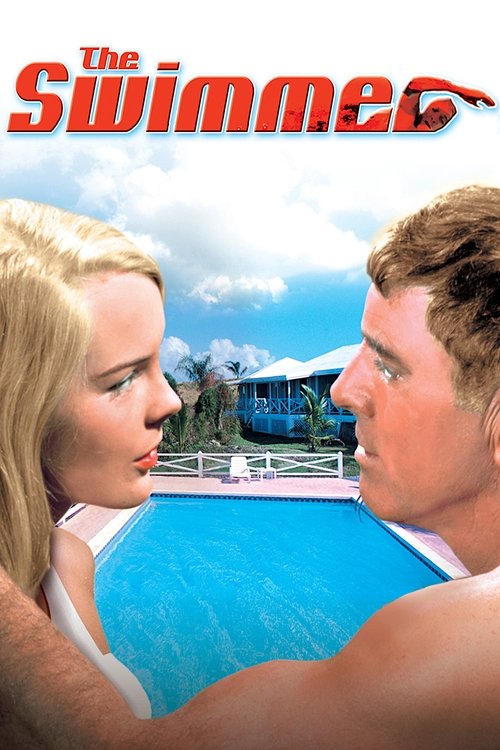
The Swimmer1968
Both are about a man trying to return to something—Rocky to proving his worth, Lancaster's swimmer to his past. But while Rocky moves forward toward vindication, The Swimmer moves backward toward dissolution.
Burt Lancaster swims home across Connecticut in this haunting, ambiguous allegory about denial and aging. Shot with dreamlike beauty, it's simultaneously mundane and surreal, tracking one man's slow unraveling with quiet devastation.
But It's slow and deliberately vague. The meaning is intentionally opaque and some find it frustrating rather than mysterious. Not enough happens in the plot sense.
People
Cast
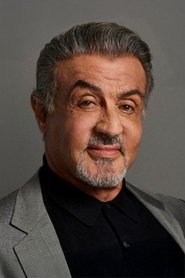 Sylvester StalloneRobert 'Rocky' Balboa
 Talia ShireAdrianna 'Adrian' Balboa
 Burt YoungPaulie Pennino
 Carl WeathersApollo Creed
 Burgess MeredithMickey Goldmill
 Tony BurtonTony 'Duke' Evers
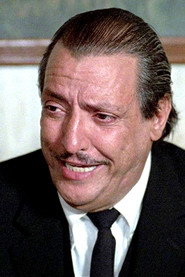 Joe SpinellTony Gazzo
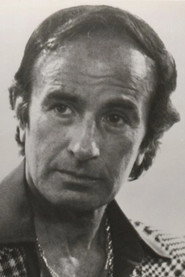 Leonard GainesAgent
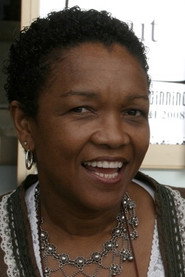 Sylvia MealsMary Anne Creed
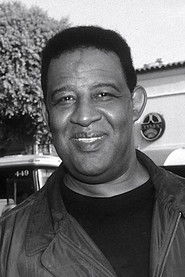 Frank McRaeMeat Foreman (uncredited)
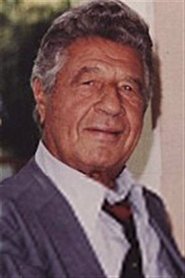 Al SilvaniCutman (uncredited)
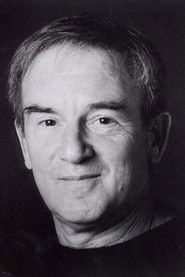 John PleshetteDirector (uncredited)
Directing
- Sylvester StalloneDirector
- Jerry ZiesmerFirst Assistant Director
- Marshall J. WolinsScript Supervisor
- Elie CohnSecond Assistant Director
- Ira H. GallenSecond Assistant Director
Writing
- Sylvester StalloneScreenplay
Production
- Arthur ChobanianAssociate Producer
- Michael McLeanCasting Director
- James D. BrubakerPost Production Coordinator
- Irwin WinklerProducer
- Robert ChartoffProducer
- Robert OdomTrainee Production Coordinator