
Film
The Lost Daughter
Olivia Colman plays a woman whose solitary beach holiday curdles into something stranger once she fixates on a young mother nearby, unlocking buried memories of her own fraught, unresolved parenting. Adapted from Elena Ferrante, it's less plot than pressure—an interior, morally uncomfortable character study carried by a superb, unflinching performance. For anyone who wants motherhood examined honestly, without sentiment or easy absolution.
If you liked this
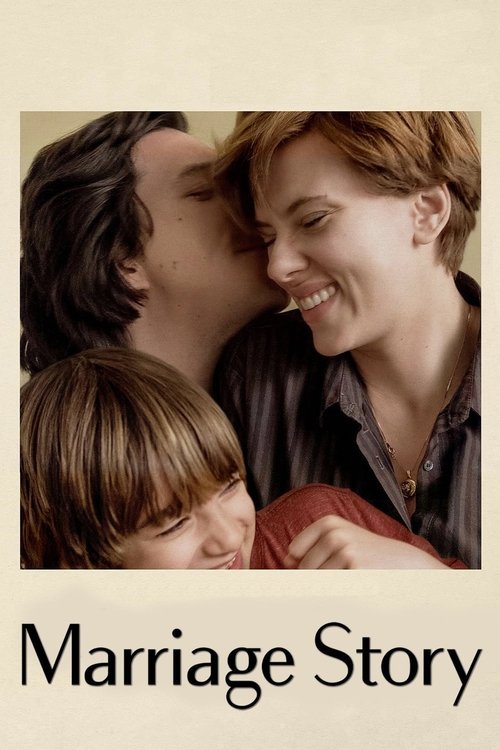
Marriage Story2019
The same unflinching, unglamorous excavation of a life coming apart—here it's a marriage instead of buried maternal guilt, but the rawness and the performances hit the same nerve.
But It's about divorce, not motherhood ambivalence, so the specific guilt at the heart of Lost Daughter isn't really present.
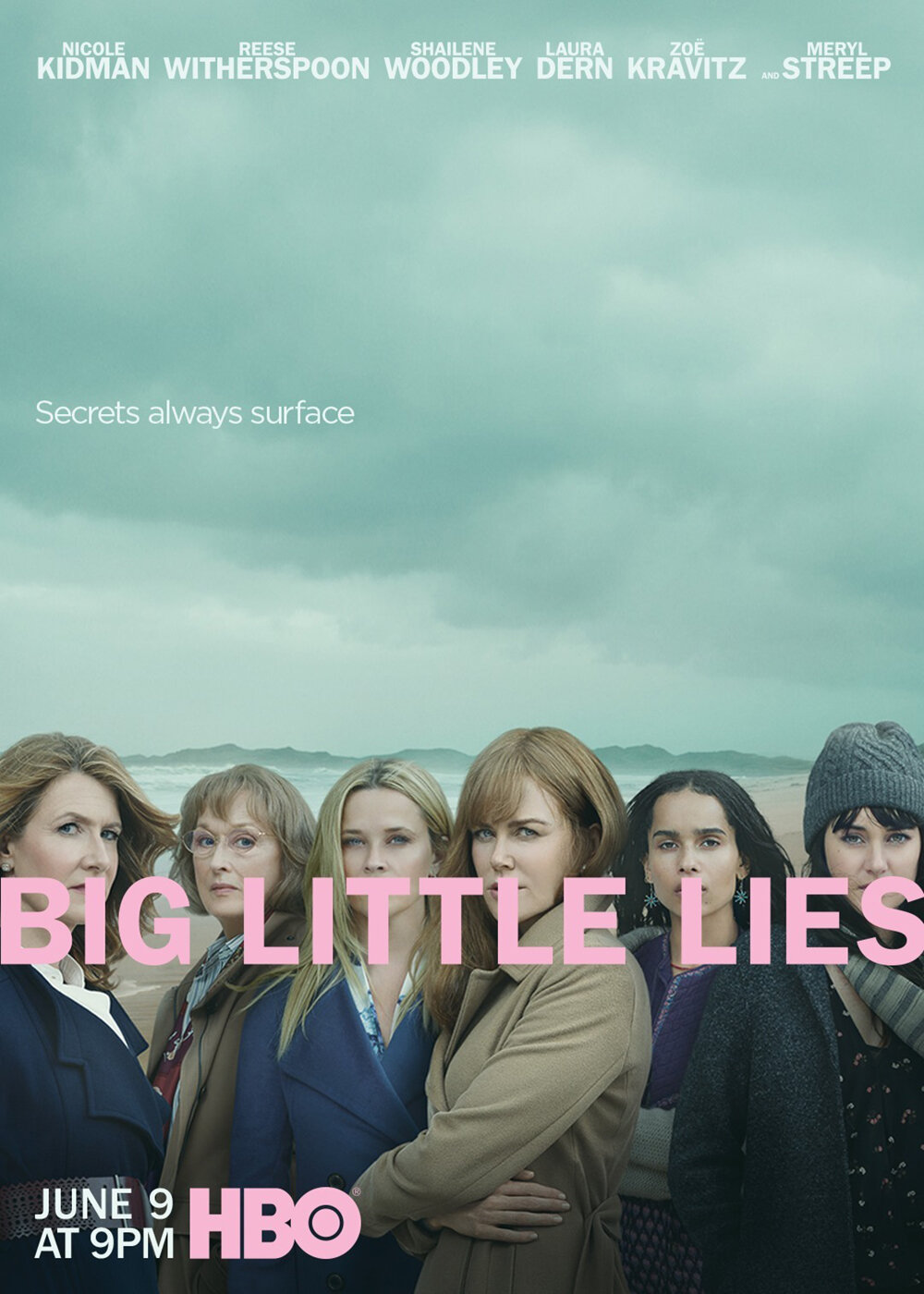
Big Little Lies2017
Same starry ensemble energy and sun-drenched discomfort, with mothers whose secrets threaten to crack the polished surface of their lives.
But It's soapier and more plot-driven, with a murder-mystery hook this film never bothers with.
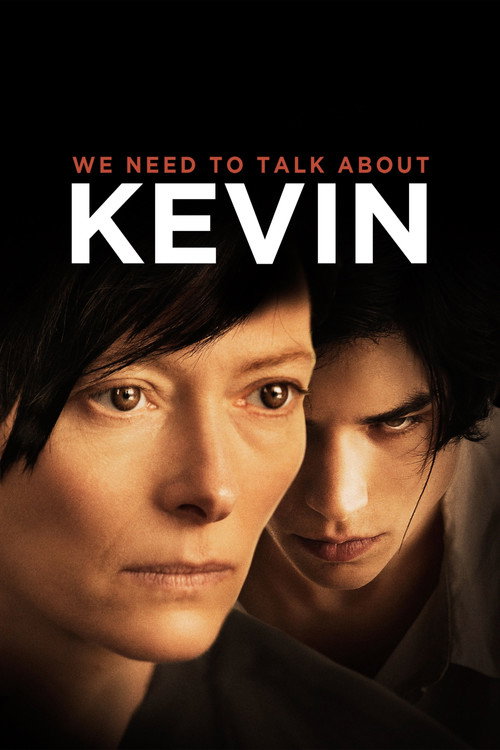
We Need to Talk About Kevin2011
Tilda Swinton gives the performance Colman's Leda is quietly in conversation with—a mother who never wanted this life, shot with the same dread-soaked intimacy.
But Bleaker and more overtly horrifying, with little of the warmth or humour that softens Lost Daughter's edges.
The wildcard
Something you would not have found on your own.
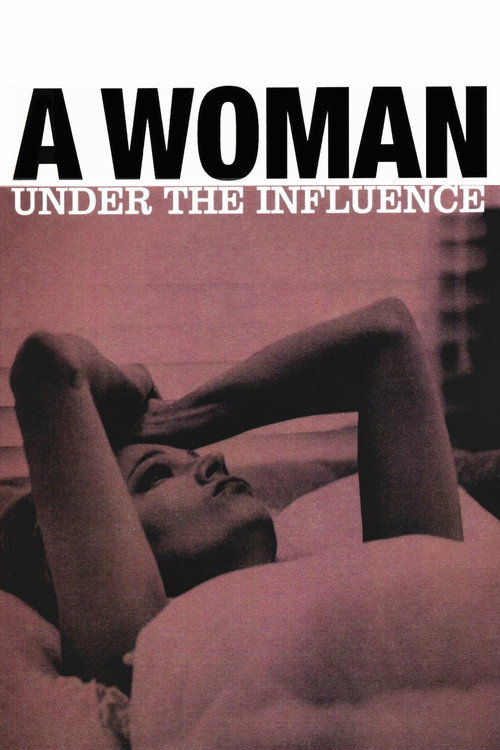
A Woman Under the Influence1974
Nearly fifty years earlier, Cassavetes made the same film in essence—a woman failing to perform motherhood correctly, watched so closely you flinch. Lost Daughter inherits its rawness directly from it.
Gena Rowlands' performance is the ancestor of Colman's—a woman disintegrating under the weight of a role she can't fit herself into, shot with unbearable, handheld closeness.
But Cassavetes' style is loose, long and deliberately uncomfortable; it demands patience with chaos rather than narrative control.
More like this (8)
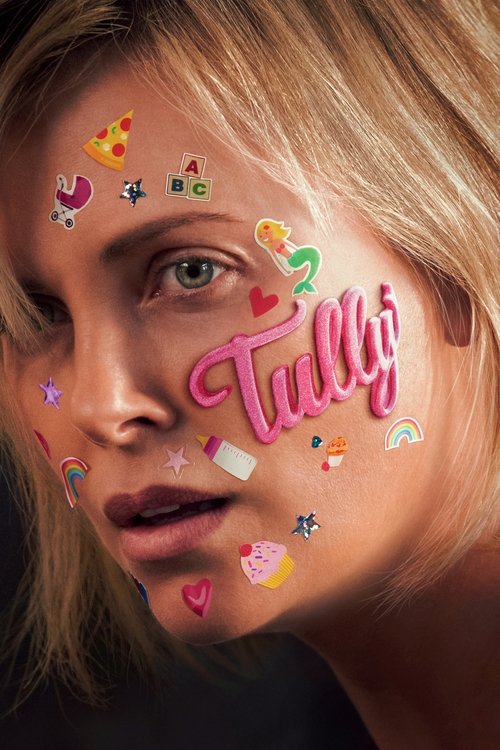
Tully2018
The same exhausted, unglamorous honesty about motherhood, but run through pitch-black comedy that gives the despair somewhere to go.
But The third-act swerve into a different register strikes some viewers as gimmicky rather than illuminating.
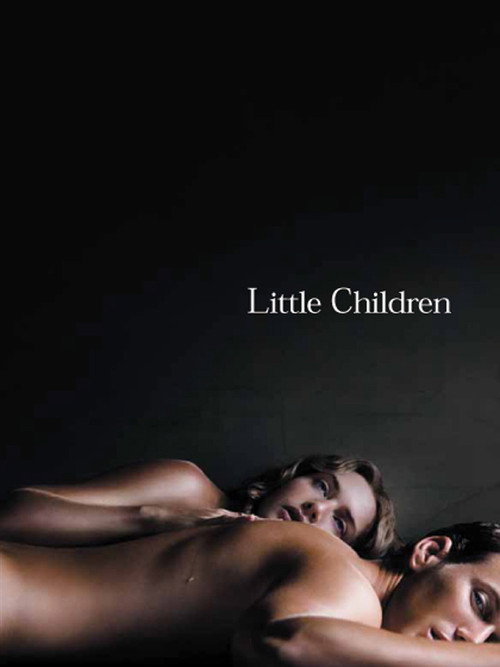
Little Children2006
Suburban parents circling their own dissatisfaction and desire, secrets simmering under manicured lawns—the same slow unraveling of a life that looked fine from outside.
But Leans harder into romantic transgression than Lost Daughter's more internal, solitary reckoning.
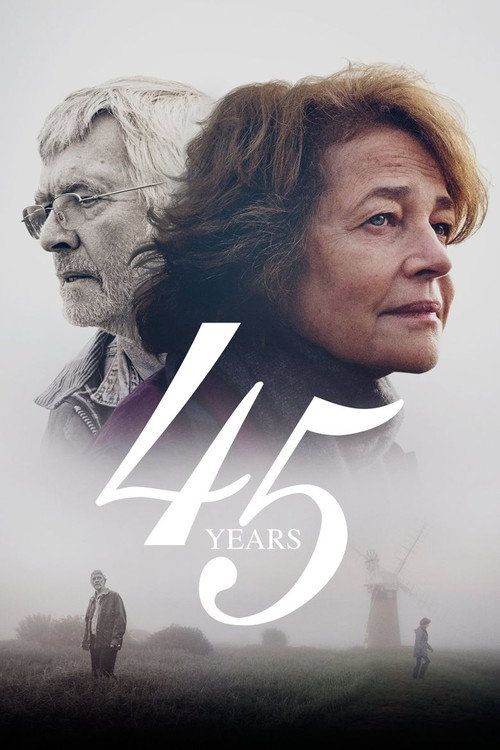
45 Years2015
Charlotte Rampling unearths a marriage-shaking secret with the same quiet devastation Colman brings to memory—small gestures carrying enormous weight.
But Slower and colder, with almost no plot momentum if you need forward motion to stay engaged.
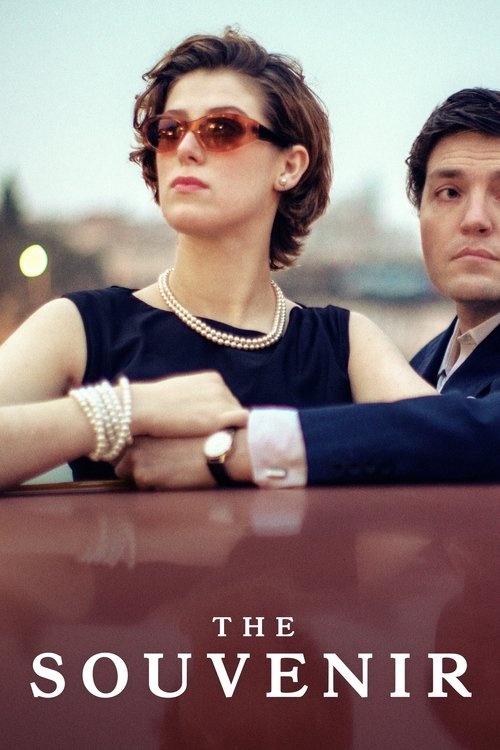
The Souvenir2019
A woman reconstructing her younger self through memory, with the same slippery sense that the past never settles into a clean, tellable story.
But Deliberately elliptical and emotionally withholding—it asks for patience Lost Daughter's visceral dread doesn't.
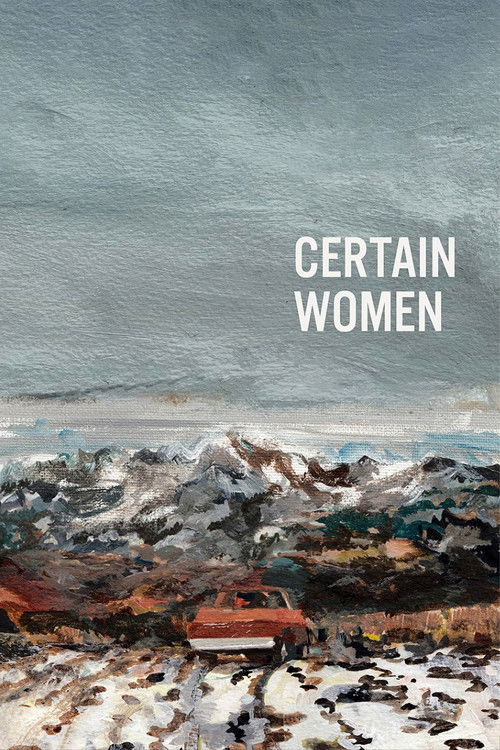
Certain Women2016
Same commitment to interior, unglamorous female experience, told with patience and trust that quiet moments carry real weight.
But Very little happens by design; if you want mounting dread, this is far gentler.
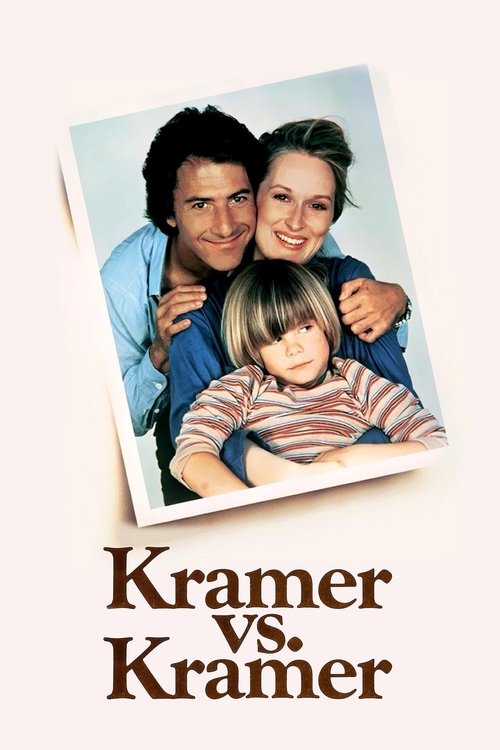
Kramer vs. Kramer1979
The original mainstream reckoning with a parent who leaves and the guilt and judgment that follow it—still sharp decades on.
But Told almost entirely from the father's side, so it can't give you the specifically maternal guilt this film sits inside.
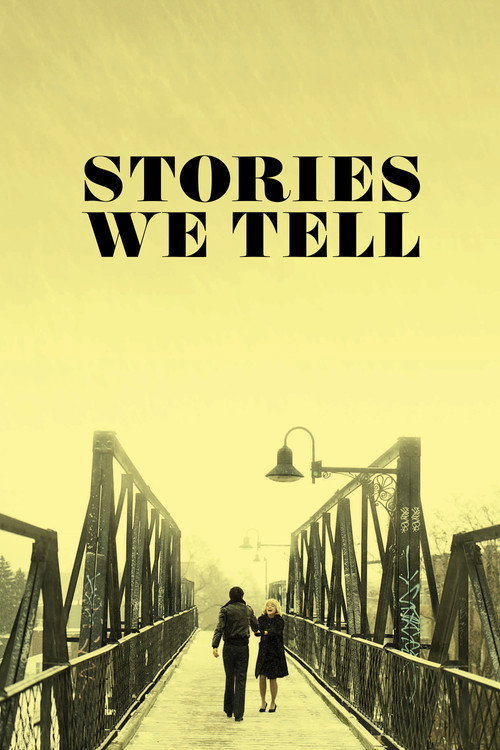
Stories We Tell2012
Same structural obsession—memory as unreliable, reconstructed and dangerous to disturb—but told for real, by the daughter doing the digging instead of the mother doing the remembering.
Sarah Polley's documentary digs into her own family's buried secrets and an unreliable, reconstructed past, told through interviews and re-enactment that blur memory and invention.
But It's a documentary with no genre pleasures to hide behind—just one family's actual, sometimes painful history.
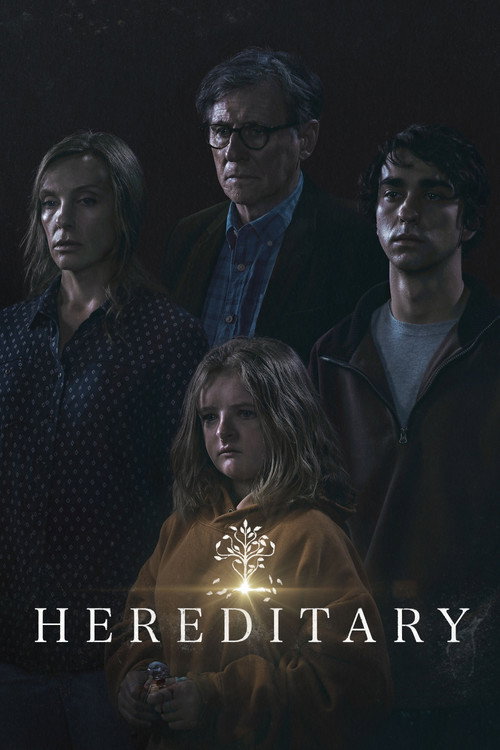
Hereditary2018
Both are studies of inherited maternal damage and the guilt of not loving a child the way you're supposed to—one keeps it psychological, the other turns it into a nightmare.
Toni Collette channels the same maternal guilt and resentment Colman does, except here the film lets that dread take physical, monstrous shape.
But It's a horror film with real scares and gore; if you came to Lost Daughter for restraint, this goes the opposite direction entirely.
People
Cast
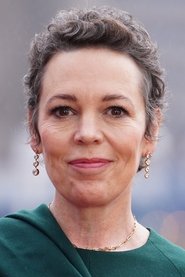 Olivia ColmanLeda Caruso
 Jessie BuckleyYoung Leda Caruso
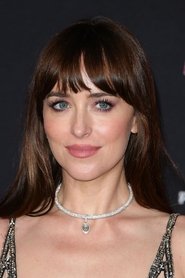 Dakota JohnsonNina
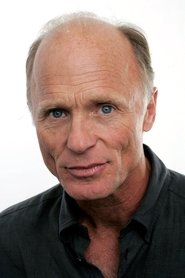 Ed HarrisLyle
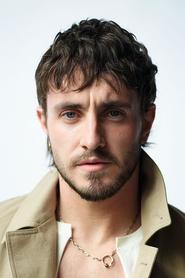 Paul MescalWill
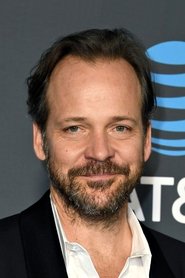 Peter SarsgaardProfessor Hardy
 Dagmara DominczykCallie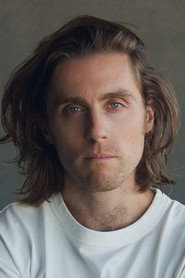
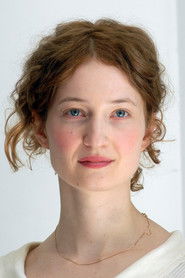 Alba RohrwacherFemale Hiker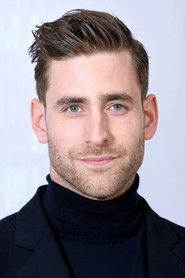
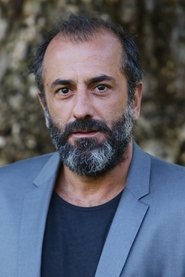 Panos KoronisVasili
- Robyn ElwellBianca
Directing
- Maggie GyllenhaalDirector
- Simon HedgesFirst Assistant Director
- Karolina ZapatinaScript Supervisor
- Gemma NunnSecond Assistant Director
- Emmanuela FragiadakiThird Assistant Director
Writing
- Elena FerranteNovel
- Maggie GyllenhaalWriter
Production
- Giorgos KarorisAssistant Location Manager
- Kahleen CrawfordCasting
- Dan GuandoExecutive In Charge Of Production
- Christos V. KonstantakopoulosExecutive Producer
- Courtney KivowitzExecutive Producer
- David GilberyExecutive Producer
- Marlon VogelgesangExecutive Producer
- Olivia ColmanExecutive Producer
- Tmira YardeniExecutive Producer
- Dimitris BirbilisLine Producer
- Aggelos KemavorLocation Assistant
- Alexandra NikolaouLocation Coordinator
- Yorgo StathopoulosLocation Manager
- Charles DorfmanProducer
- Maggie GyllenhaalProducer
- Osnat Handelsman-KerenProducer
- Talia KleinhendlerProducer
- Dimitris BirbilisProduction Manager
- Stefanos KoutsardakisProduction Supervisor
- Babis NikolisUnit Manager