
Film
The Rack
- War drama
- Very dark
A 1956 court-martial drama that asks uncomfortable questions about loyalty, coercion and the breaking point of the human mind. Paul Newman plays a Korean War POW accused of collaboration after years of brainwashing and psychological torture in captivity. It's a tense, morally knotted interrogation of what we can fairly ask of people pushed to their absolute limits.
If you liked this
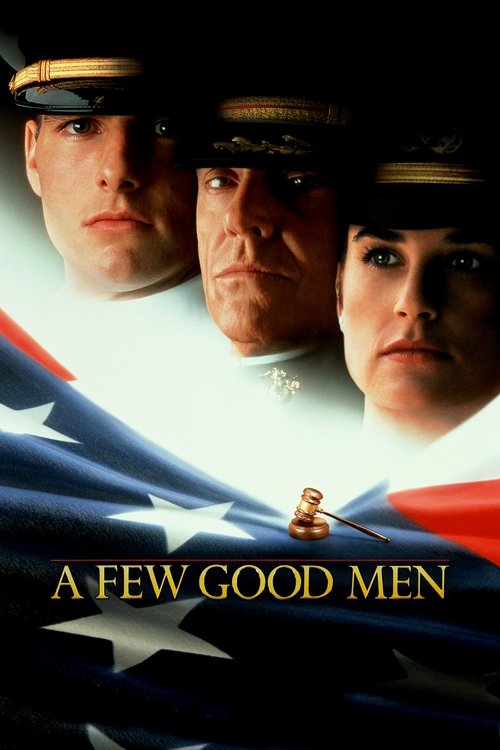
A Few Good Men1992
Sharp courtroom drama where military protocol and personal conscience collide. Jack Nicholson and Tom Cruise face off over questions of duty that demand you actually think about who's right.
But Technically a thriller with movie-star energy rather than the grittier, quieter moral weight you're looking for here.
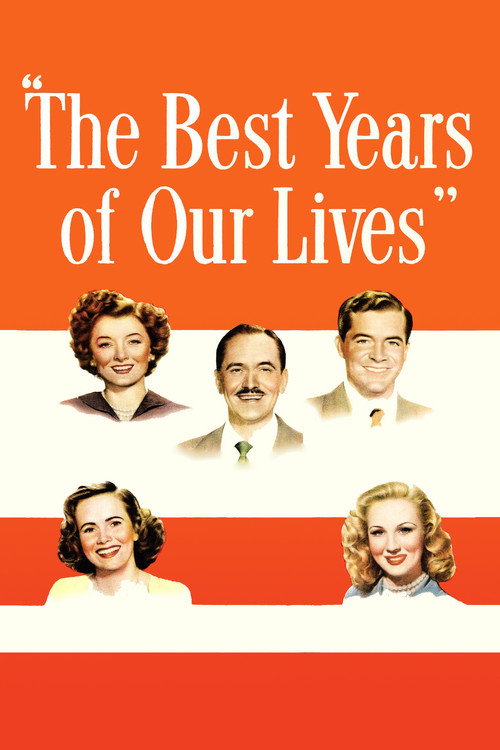
The Best Years of Our Lives1946
Directly addresses soldiers returning home changed and broken. Three vets struggle to reintegrate into civilian life after WWII. Profound, patient, devastatingly human.
But Nearly four hours long and deliberately paced. It's a slow unfold rather than a drama with momentum.
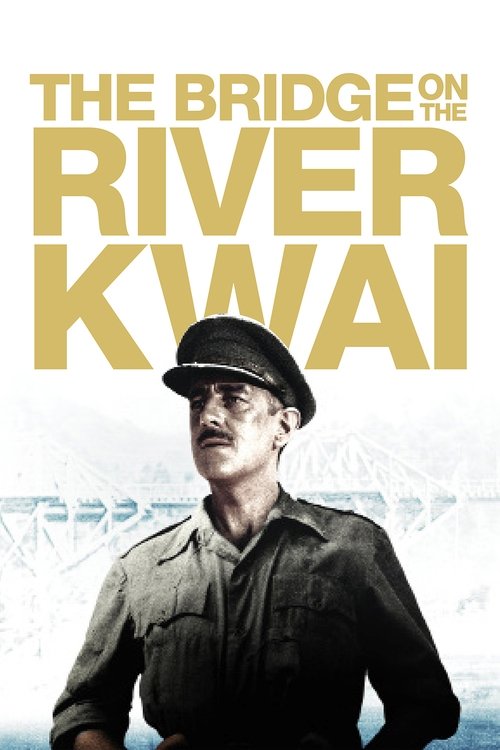
The Bridge on the River Kwai1957
A colonel torn between duty to his men and his conscience in a Japanese POW camp. Explores how honor and loyalty can become dangerous when pushed by circumstance and a commanding officer's ego.
But The final act pivots toward action-film territory. The philosophical questions matter less once things explode.
Not sure tonight? Get a pick in a minute, starting from The Rack
The wildcard
Something you would not have found on your own.
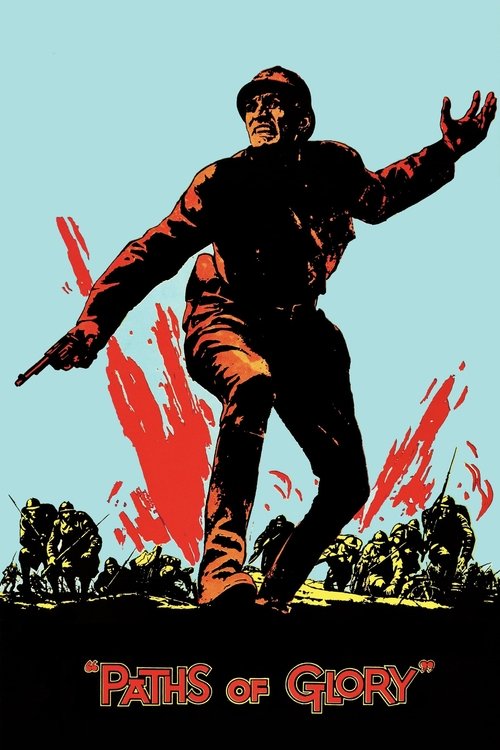
Paths of Glory1957
Both are court-martial dramas built on the premise that the military machine will sacrifice the individual to protect itself and its own logic, regardless of guilt.
Kubrick's shattering indictment of military hierarchy. A French general orders an impossible charge; when it fails, he demands executions as scapegoats. Kirk Douglas fights a system where individual worth means nothing.
But A howl of rage rather than a reasoned argument. If you want moral complexity and grey areas, this refuses to give them to you.
More like this (6)
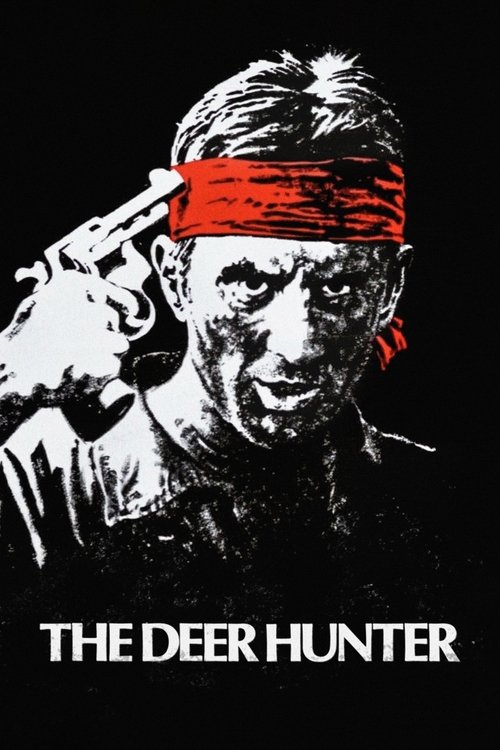
The Deer Hunter1978
Three steelworkers' lives shattered by Vietnam. Explores trauma, guilt, the impossibility of coming home unchanged. Brutal and compassionate in equal measure.
But The Russian roulette sequences are genuinely hard to watch. It's nearly three hours and emotionally exhausting.
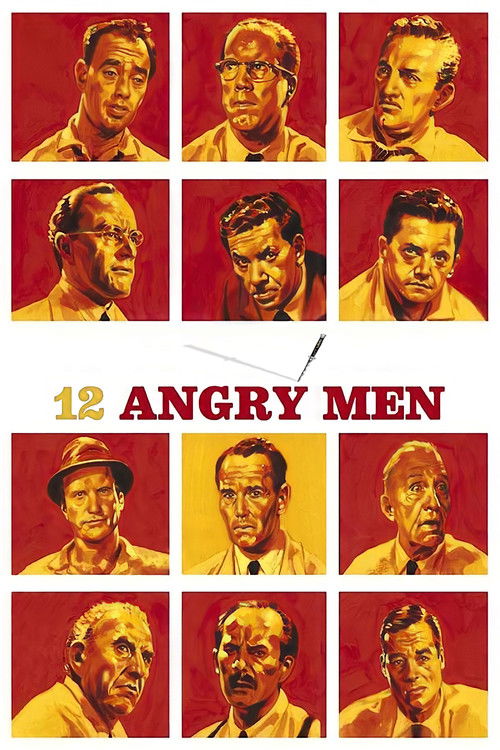
12 Angry Men1957
Jury deliberation becomes a moral and intellectual battle. Sidney Lumet directs with intelligence and clarity. Every argument matters; no one is wasted.
But Set almost entirely in one room. If claustrophobic dialogue-driven films don't interest you, this won't move you.
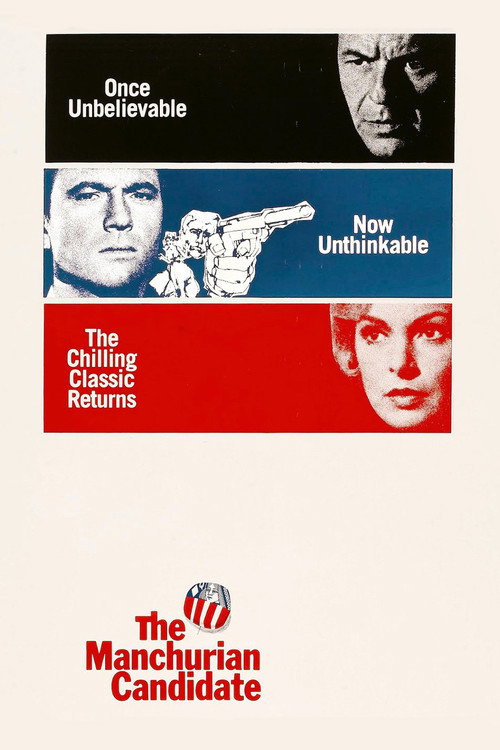
The Manchurian Candidate1962
A brainwashed Korean War vet becomes an unwitting assassin. Combines psychological thriller with political paranoia. Frank Sinatra and Laurence Harvey are both superb and deeply unsettling.
But It's a thriller first, so the moral complexity takes a back seat to plot momentum and spectacle in the final act.
Come and See1985
A teenage Soviet boy's education into the absolute horror of war. Not a war film with heroes—a document of how combat destroys innocence and sanity. Unbearably powerful.
But One of the most genuinely traumatic films ever made. It's not entertainment. It's an ordeal that some viewers may find genuinely damaging.

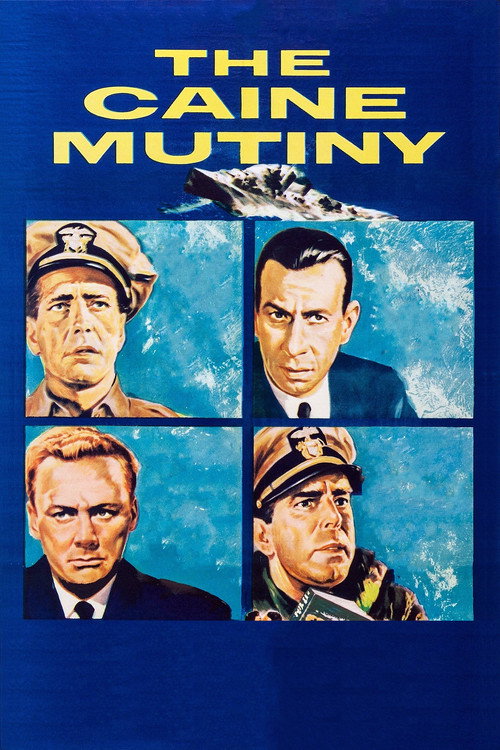
The Caine Mutiny1954
Officers challenge their captain's command during peacetime. Humphrey Bogart is magnetic as the unstable Queeg. Questions authority, duty, and what you owe your crew.
But Resolved with a courtroom scene that undercuts its own boldness. The ending feels safer than the questions it asked.
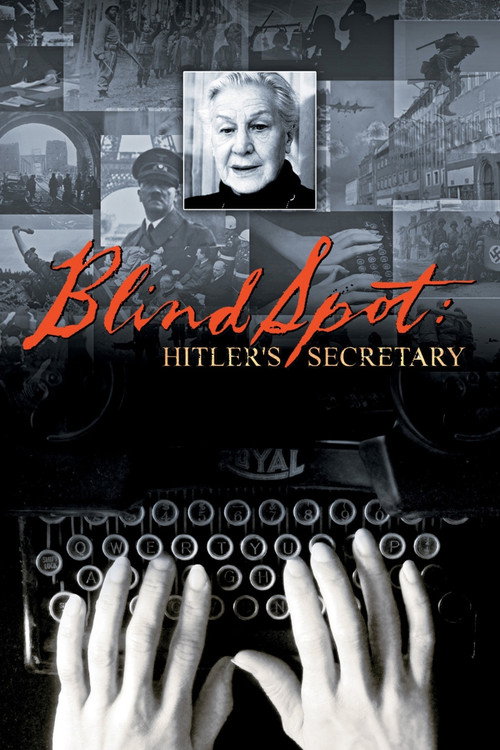
Blind Spot: Hitler's Secretary2002
Both examine the psychology of collaboration and the question of culpability when you're trapped in a system that has already decided your role for you.
A documentary interview with Traudl Junge, Hitler's typist. She was never a Nazi true believer, just complicit through proximity and obedience. Haunting meditation on how ordinary people enable atrocity through inaction and willful blindness.
But It's an old woman talking in an armchair. No music, no graphics, no narrative shimmer. Utterly unglamorous and deliberately slow.
People
Cast
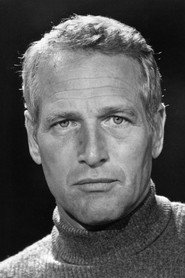 Paul NewmanCapt. Edward W. Hall, Jr.
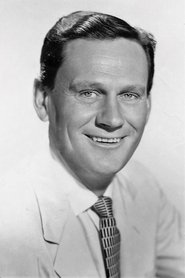 Wendell CoreyMaj. Sam Moulton
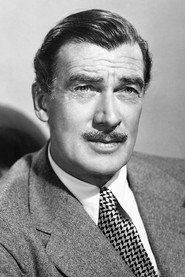 Walter PidgeonCol. Edward W. Hall, Sr.
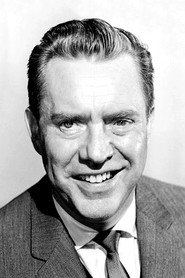 Edmond O'BrienLt. Col. Frank Wasnick
 Anne FrancisAggie Hall
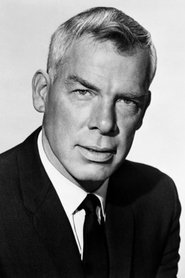 Lee MarvinCapt. John R. Miller
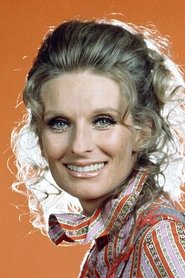 Cloris LeachmanCaroline
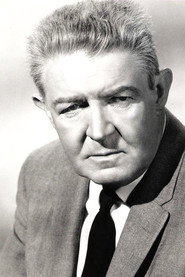 Robert BurtonCol. Ira Hansen
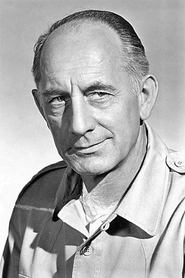 Robert F. SimonLaw Officer
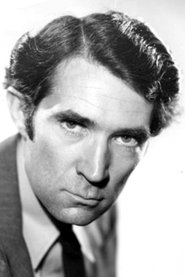 Trevor BardetteCourt President
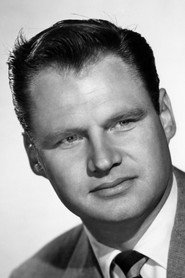 Adam WilliamsSgt. Otto Pahnke
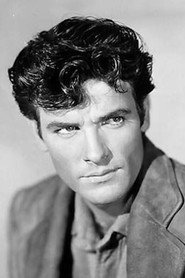 James BestMillard Chilson Cassidy
Directing
- Arnold LavenDirector
Writing
- Stewart SternScreenplay
- Rod SerlingTeleplay
Production
- Arthur M. Loew Jr.Producer