
Film
Armored Car
A 1937 crime drama following armored car guards who partner with a detective to stop a gang of robbers. Lean and propulsive, it moves like a B-picture should—no wasted scenes, real stakes. Built for an audience that trusts the setup and wants to see smart people outwit crooks. Made when these stories still felt urgent.
If you liked this
The Killers1946
Burt Lancaster's film debut: a small-town murder spirals into something far larger. Like Armored Car, it's economical crime storytelling that trusts viewers to keep up with plot reversals and moral complications.
But Shot in stark black-and-white and built on 1940s cynicism. If you want warmth or modern pacing, this will feel distant and slow.

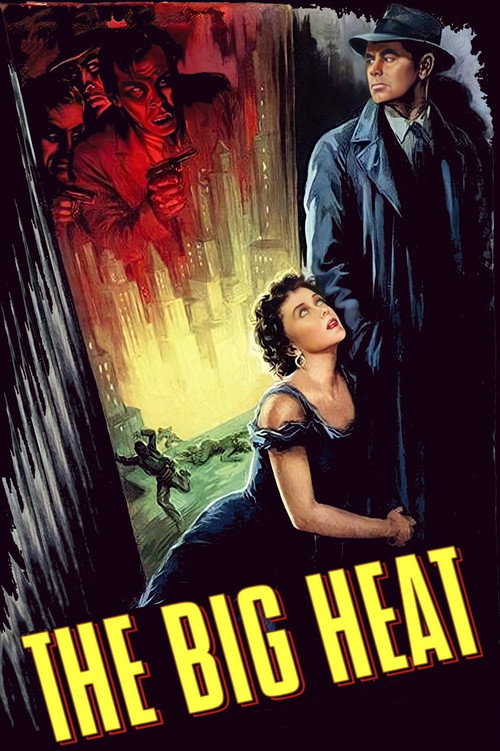
The Big Heat1953
Fritz Lang's masterwork of revenge and robbery. A man betrayed by his wife and corrupted cops transforms into something darker. Same DNA as Armored Car—genre precision, moral clarity, propulsive narrative.
But It escalates into violence that shocked 1953. Some viewers find the tone punitive and the plot contrivances troubling.
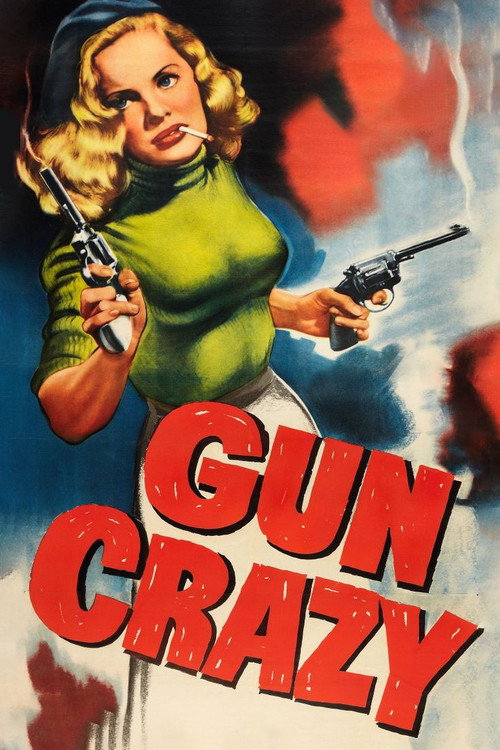
Gun Crazy1950
Two young drifters become bank robbers, shot with hand-held immediacy that predates the French New Wave. Armored Car concerns criminals from the lawman's side; this gives you the other perspective, same era, same moral thickness.
But It's about petty criminals and lovers on the run, not professional security work. The ending is bleak and offers no redemption.
Not sure tonight? Get a pick in a minute, starting from Armored Car
The wildcard
Something you would not have found on your own.
Rififi1955
Both treat robbery as a problem to solve: the heist is the plot, not window dressing. Both believe technical competence and planning are compelling drama.
A French crime masterpiece about a jewel heist, structured around a nearly wordless twenty-minute robbery sequence. Armored Car is American B-picture economical; Rififi is European art-house economical—same precision, different language and sensibility.
But It's in French with subtitles, and the middle section has almost no dialogue. If you're watching casually, you'll miss it.

More like this (7)
The Asphalt Jungle1950
John Huston's template for the heist film: a meticulous robbery, a ensemble of specialists, detail-obsessed plotting. Armored Car shares the professional fascination with how crews work and how plans break down.
But It's nearly two hours of build-up for a twenty-minute heist, then collapse. Modern audiences often find the pacing frustrating.

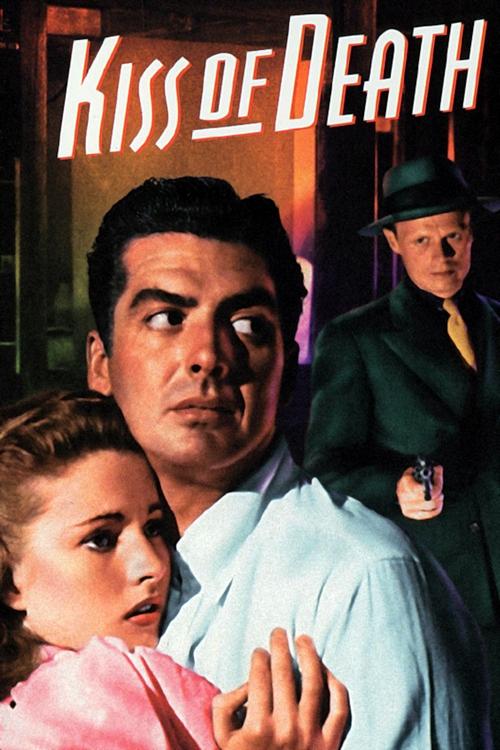
Kiss of Death1947
A stool pigeon trying to go straight gets pulled back into crime by a psychopath. Tense, well-plotted, and anchored by Richard Widmark's debut. Both it and Armored Car use crime as a vehicle for moral questions about obligation and weakness.
But The dialogue is thick 1940s noir—stylized to the point of artificiality. Some find it harder to parse than modern speech.
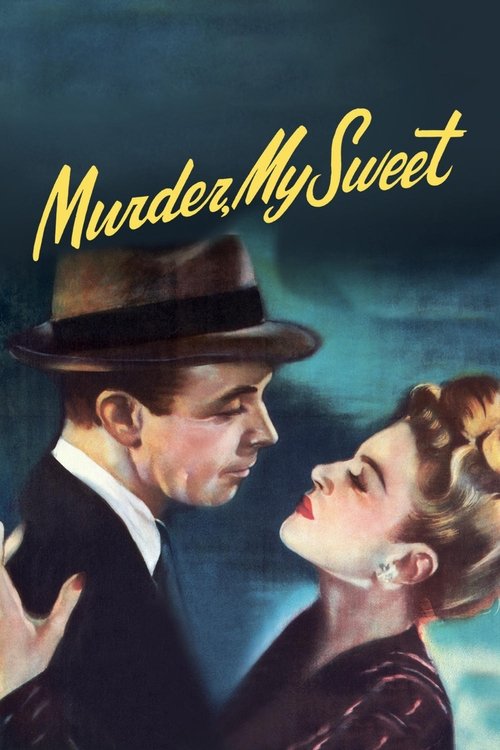
Murder, My Sweet1944
Dick Powell's transformation from song-and-dance man to noir lead. Armored Car is simpler, but both are about men caught in webs they don't fully control, with plotting that rewards close attention.
But It's a complex mystery that demands you follow intricate revelations. If you're looking for something to half-watch, this punishes that.
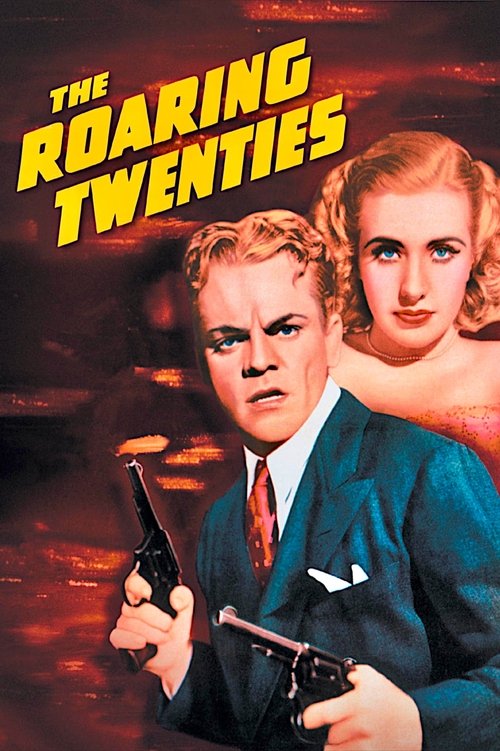
The Roaring Twenties1939
James Cagney and Humphrey Bogart as gangsters in Prohibition. Like Armored Car, it's a crime machine from an era when B-pictures could have both muscle and genuine stakes, with no franchise baggage.
But It covers familiar Prohibition-era ground. For modern viewers, it may feel like you've seen all this before in better films.
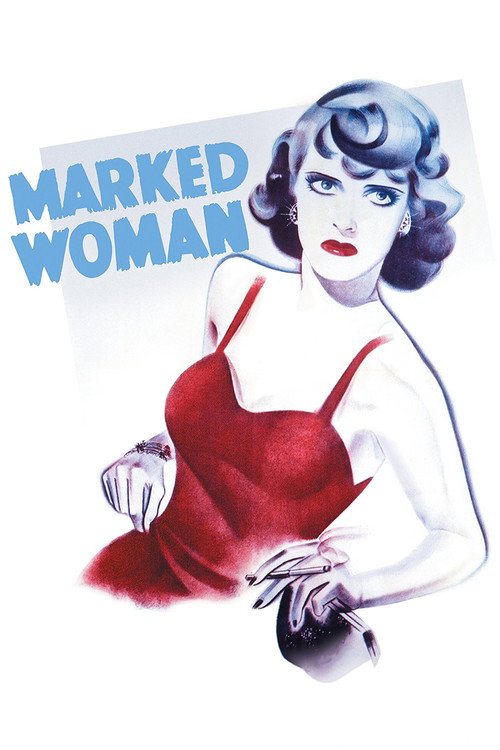
Marked Woman1937
Bette Davis leads a group of nightclub hostesses against the mob. Released the same year as Armored Car, it shares that film's lean professionalism and its belief that competence and coordination can match brute force.
But It's dated in its attitudes about women and sex work. Some scenes play with discomfort now.
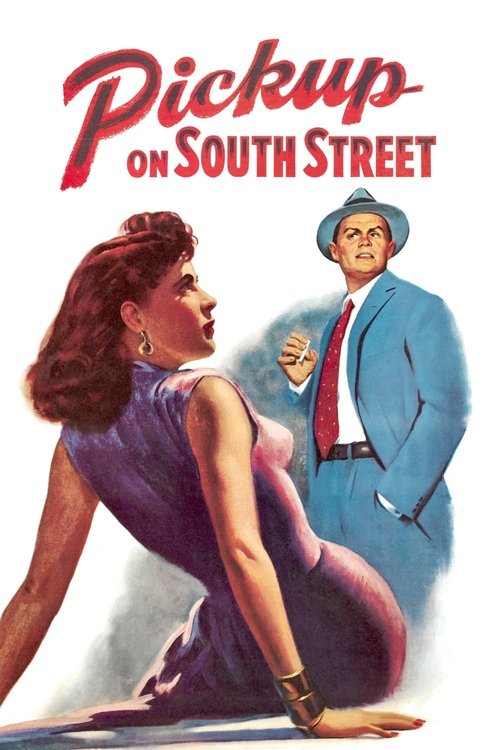
Pickup on South Street1953
Both feature small-scale criminals caught in larger power struggles. Both suggest that the real danger isn't the robbery—it's what people are willing to do to each other.
Samuel Fuller's pickpocket thriller, made as Cold War paranoia erupted. Armored Car has straightforward crooks versus cops; Pickup muddies that entirely—the thief might be the hero, sides are unclear, ideology burns hotter than morality.
But It's messy and schematic at once. The politics feel strident to modern viewers, and the plot hinges on espionage that matters less than character.
The Third Man1949
Both ask: what do you owe loyalty when it conflicts with law? Both feature men who discover that proximity to crime changes you, whether you commit it or not.
Carol Reed's Vienna noir: a man arrives to find his old friend dead in a postwar black-market scheme. It's crime as atmosphere rather than action—gravity and dread instead of pursuit. Armored Car is plot-driven; this is mood-driven, but both work at genre's emotional core.
But It's deliberately paced and indirect. If you need conflict and action beats, the long stretches of investigation will test you. Also shot in a stylized black-and-white that reads as artificial.

People
Cast
 Robert WilcoxLarry Wills
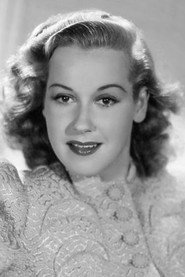 Judith BarrettElla Logan
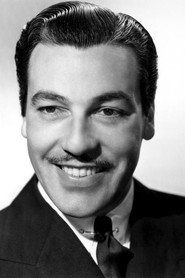 Cesar RomeroPetack
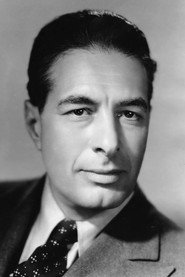 Irving PichelWalinsky
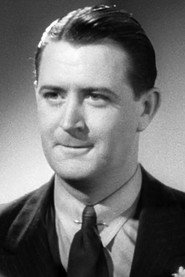 J. Anthony HughesBill Wane
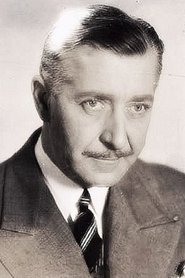 Richard TuckerJohn Hale
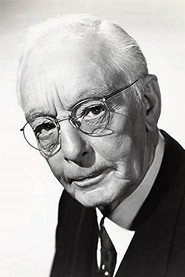 Harry DavenportPop Logan
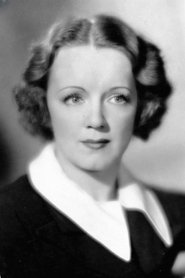 Inez CourtneyBlind Date
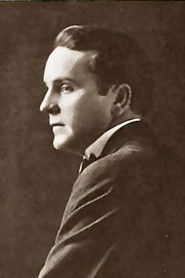 Joe KingTom Sheridan
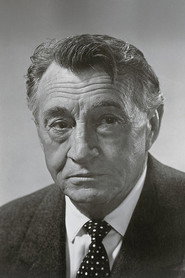 Paul FixSlim
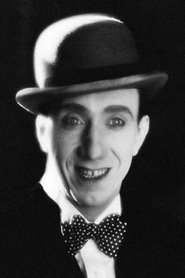 George DavisMusic Clerk (uncredited)
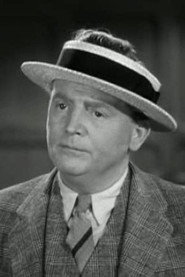 David OliverBubbles
Directing
- Lewis R. FosterDirector
Writing
- William A. PierceStory
- Lewis R. FosterWriter
- Robert N. LeeWriter
Production
- E.M. AsherProducer