
Film
Cloak and Dagger
A 1946 spy thriller where Gary Cooper's OSS operative infiltrates Nazi-held Italy to locate a captured atomic scientist. Tense and propulsive, shot in authentic locations with documentary immediacy. Built for viewers who want post-war realism over Hollywood gloss—espionage as unglamorous work, trust hard-won in shadow.
If you liked this
Notorious1946
Hitchcock's contemporary masterpiece about an American agent and a woman tasked with infiltrating a Nazi spy ring in Rio. Suspense that coils tighter with every frame, and the chemistry between Grant and Bergman is incandescent.
But Slower in the first half than modern thrillers expect; the plot turns on small, intimate moments rather than action.
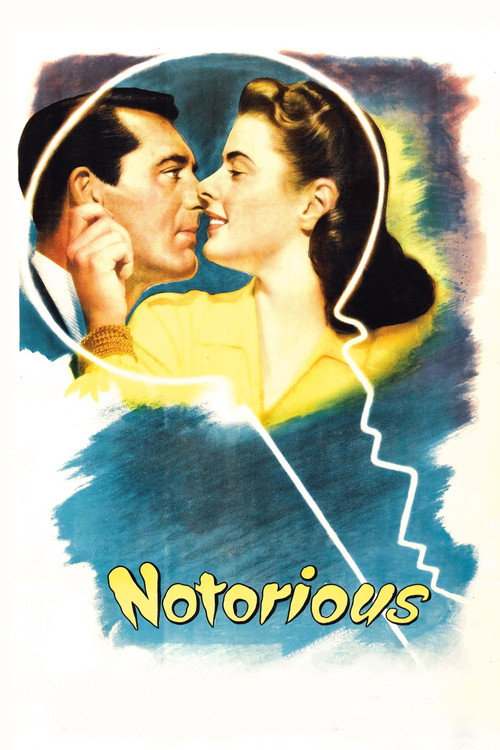
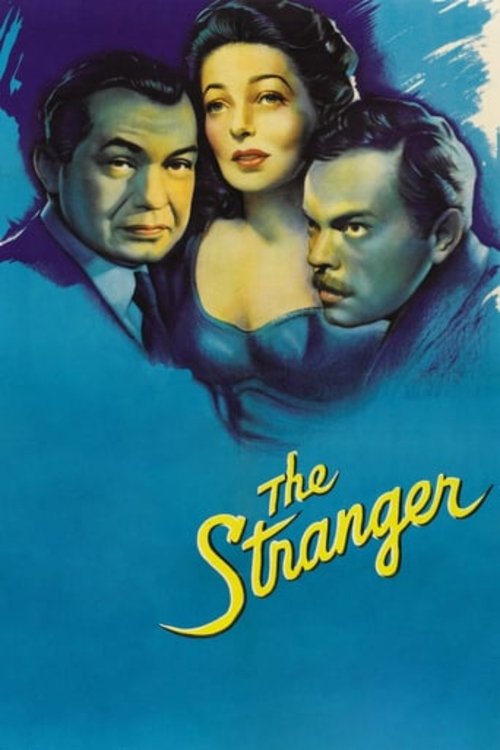
The Stranger1946
Welles directs himself as a Nazi war criminal hiding in Connecticut. Same year as Cloak and Dagger, same urgent postwar anxiety, but far more claustrophobic—a hunt through American suburbia rather than European partisan networks.
But Welles occasionally feels like he's playing a role rather than inhabiting one. The climax strains credibility.
The Third Man1949
Carol Reed's Vienna-set masterpiece about an American trying to uncover the truth about a dead friend in occupied Austria. The zither score, the cinematography, the moral ambiguity—this is postwar espionage as corrupted poetry.
But Relies on atmosphere over plot momentum; the middle sags if you're looking for constant narrative propulsion.

Not sure tonight? Get a pick in a minute, starting from Cloak and Dagger
The wildcard
Something you would not have found on your own.
Bicycle Thieves1948
Both are Italian neorealist documents of the immediate postwar period, filmed on location with non-professional actors; Bicycle Thieves shows the civilian context that gives Cloak and Dagger its urgency.
Vittorio de Sica's neorealist masterpiece about a man searching postwar Rome for his stolen bicycle. No spies, no Nazis—but the same immediate, unadorned Italy that Cloak and Dagger captures, the same sense of ordinary survival in extraordinary times. De Sica shows you the world that Cooper's character is moving through.
But Not a thriller. Plotless by conventional standards, and heartbreaking in ways that require stillness from the viewer.

More like this (8)
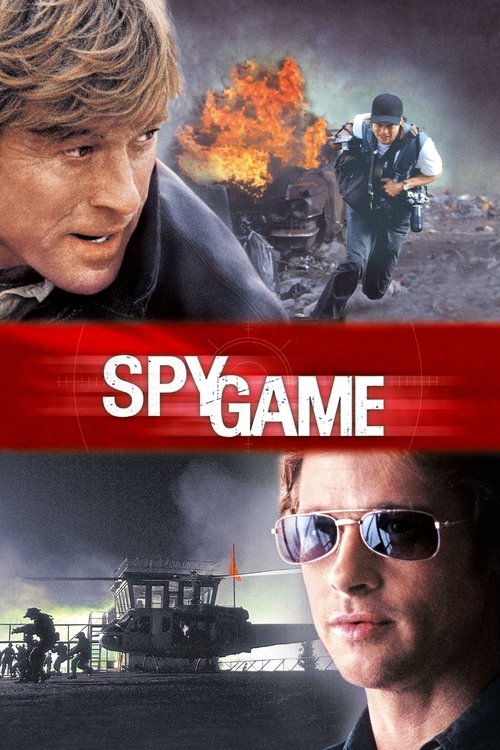
Spy Game2001
Brad Pitt and Robert Redford in a cat-and-mouse game told through alternating timelines. Slick and efficient, with genuine invention in how it structures the story. If you want modern pacing with period charm, this delivers.
But Ultimately more style than substance; the emotional stakes never quite land despite the craftsmanship.
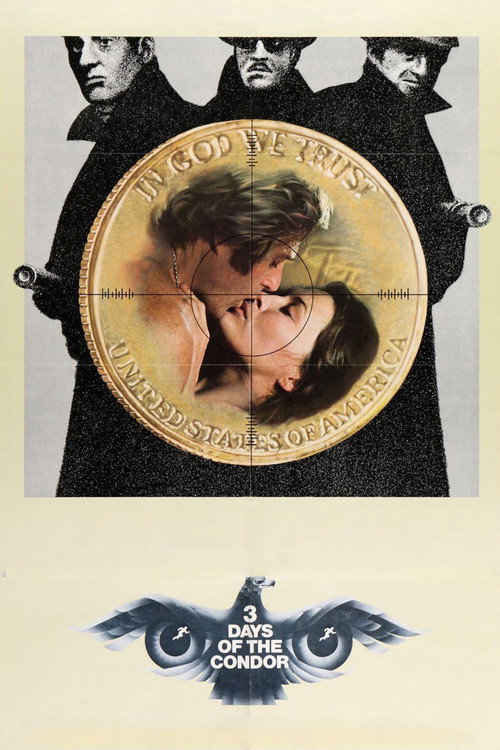
Three Days of the Condor1975
Robert Redford as an CIA analyst on the run after witnessing a murder. Paranoia and uncertainty as thick as fog, with New York in autumn as a character itself. The best argument for spycraft as moral quicksand.
But 1970s pacing means long stretches of quiet. Some find it contemplative; others find it slow.
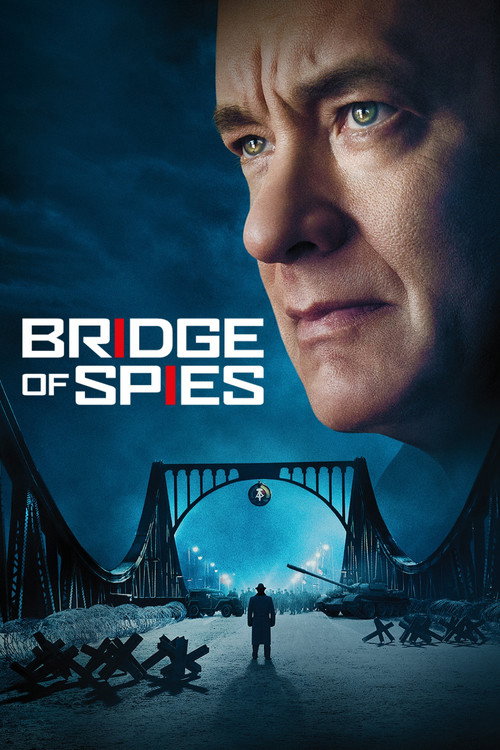
Bridge of Spies2015
Spielberg and Hanks reunited for a Cold War legal thriller about negotiating a prisoner exchange. Meticulous period detail, authentic locations, and moral precision—espionage as negotiation rather than gunfire.
But Deliberately measured and procedural. If you came for action, you'll spend two hours waiting for something to explode.
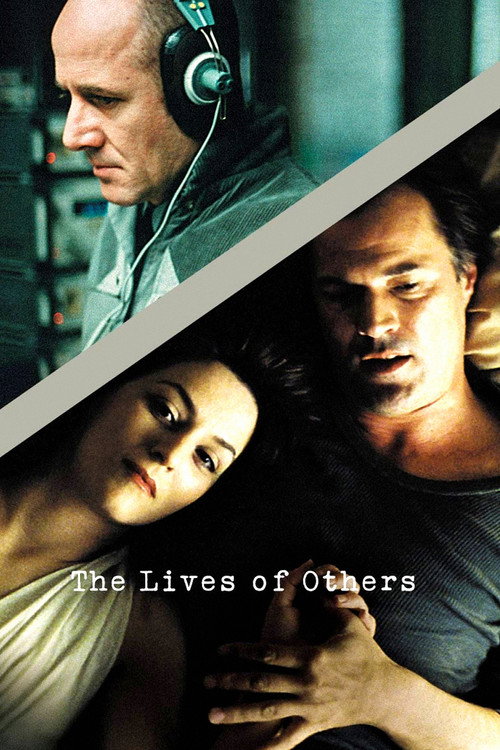
The Lives of Others2006
East German secret police officer assigned to spy on a playwright experiences a crisis of conscience. Devastating in its quiet way, with surveillance as the mechanical heartbeat of a surveillance state. A film about the cost of watching.
But Subtitle-dependent and slow-burn; the payoff requires patience and emotional investment most thrillers don't demand.
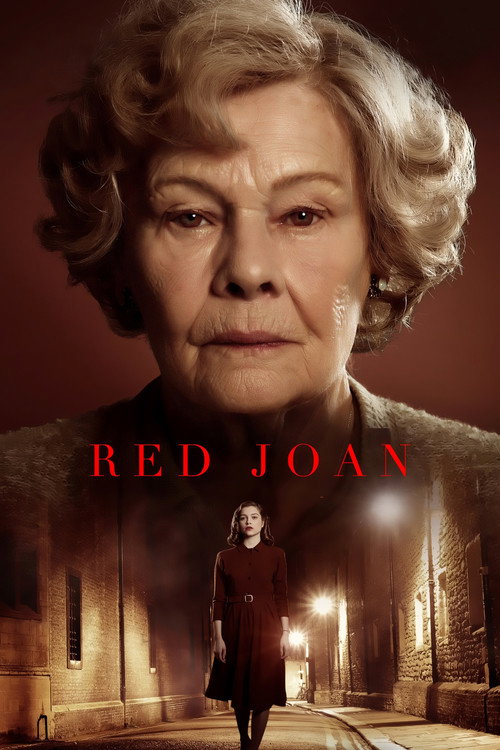
Red Joan2018
Judi Dench as a woman arrested for passing atomic secrets to the Soviets during World War II. True story, strong cast, and the moral geometry of Cold War espionage from a female perspective rarely seen.
But The flashback structure feels obligatory rather than organic. Some resent the sympathetic treatment of Soviet collaboration.
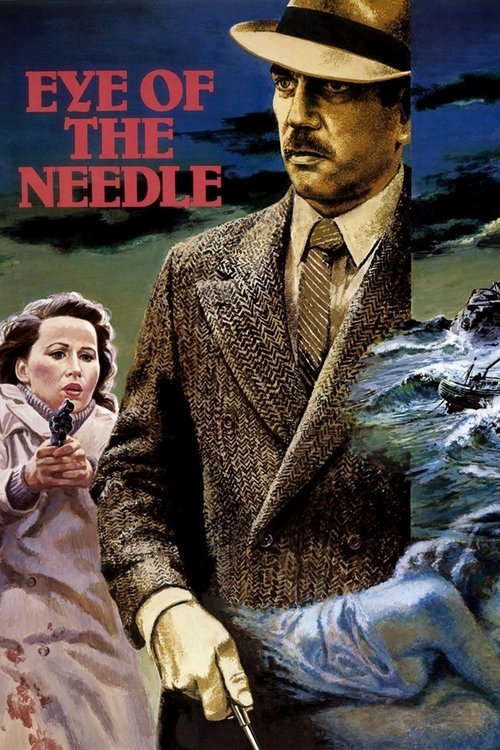
Eye of the Needle1981
Donald Sutherland as a German spy trying to transmit invasion plans to Berlin before D-Day. Intimate and tense, with the cat-and-mouse game confined to a small island. Efficient storytelling with genuine stakes.
But Feels smaller than it is, which some read as minor. The period detail is functional rather than immersive.
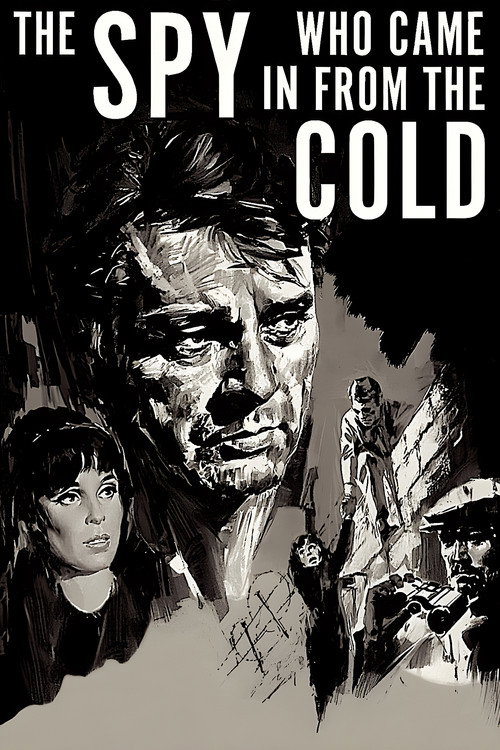
The Spy Who Came In from the Cold1965
Both reject spy-story mythology in favor of showing espionage as morally corrosive work; both feature aging operatives carrying previous wars forward into new ones.
le Carré's adaptation with Richard Burton as a burnt-out British agent sent on one last mission. Everything Cloak and Dagger gestures toward—moral exhaustion, betrayal, the grinding unglamorous truth of espionage work. No heroes, only survivors and ghosts.
But Relentlessly bleak and talky. Made in 1965 but feels older, colder, more European in its disdain for comfort or resolution.
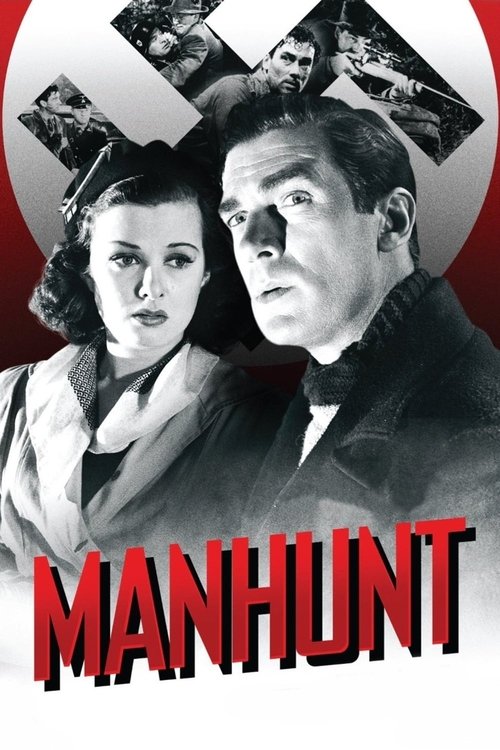
Man Hunt1941
Both are American studio espionage films from the 1940s that treat Europe as a maze of danger; Man Hunt is the earlier prototype that Cloak and Dagger refines with harder-earned realism.
Fritz Lang's pre-Cloak and Dagger thriller about a British hunter pursued by Nazis after an assassination attempt. Made five years earlier but covers similar ground: evasion through occupied Europe, moral compromise, trust fractured by circumstance. Urgently plotted and shot with expressionist shadows.
But Older, faster, less concerned with realism than postwar films became. The pacing will feel theatrical to modern eyes.
People
Cast
 Gary CooperProf. Alvah Jesper
 Lilli PalmerGina
 Robert AldaPinkie
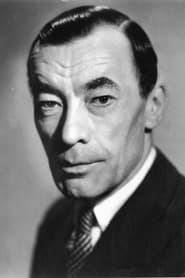 Vladimir SokoloffPolda
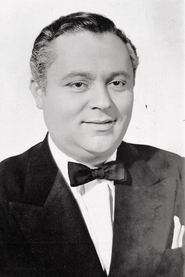 J. Edward BrombergTrenk
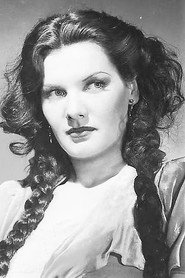 Marjorie HoshelleAnn Dawson
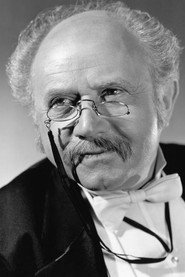 Ludwig StösselThe German
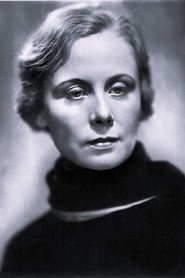 Helene ThimigKaterin Lodor
- Dan SeymourMarsoli
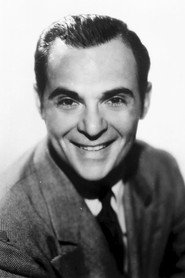 Marc LawrenceLuigi
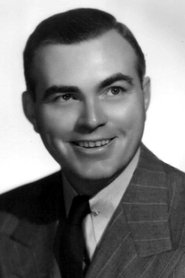 James FlavinCol. Walsh
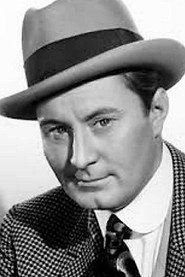 Patrick O'MooreThe Englishman
Directing
- Fritz LangDirector
Writing
- Alastair MacBainBook
- Corey FordBook
- Albert MaltzScreenplay
- Ring Lardner Jr.Screenplay
- Boris IngsterStory
- John LarkinStory
Production
- Milton SperlingProducer