
Film
Man Hunt
A taut 1941 thriller where a British big-game hunter nearly assassinates Hitler, escapes Nazi torture, and must evade relentless German agents in wartime London. It's a crackling cat-and-mouse game that balances suspense with dark humour, and a showcase for the paranoia and moral chaos of occupied Europe. Perfect for anyone who loves smart espionage without superhero theatrics.
If you liked this
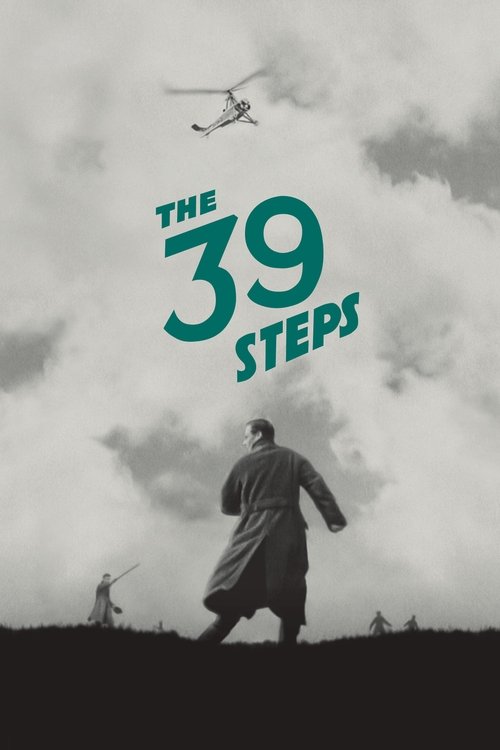
The 39 Steps1935
Hitchcock's definitive wronged-man chase across Scotland—innocent protagonist hunted by both villains and police, with jaw-dropping set pieces and the kind of propulsive momentum Man Hunt learned from.
But Black-and-white, deliberately theatrical in places; the middle act slows for romance when you're hungry for danger.
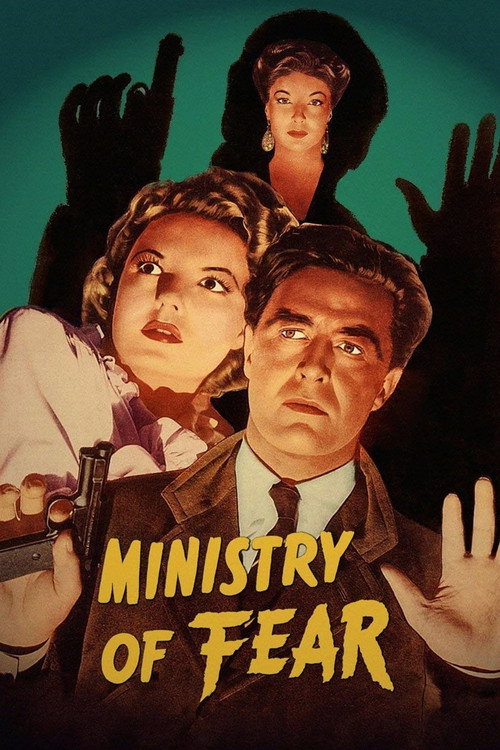
Ministry of Fear1944
Fritz Lang's wartime London thriller: an asylum escapee stumbles into Nazi espionage with the same urban paranoia and moral murkiness. Both films trap you in a city where no one is safe.
But Labyrinthine plot can feel overstuffed, and the ending sacrifices tension for sentiment.
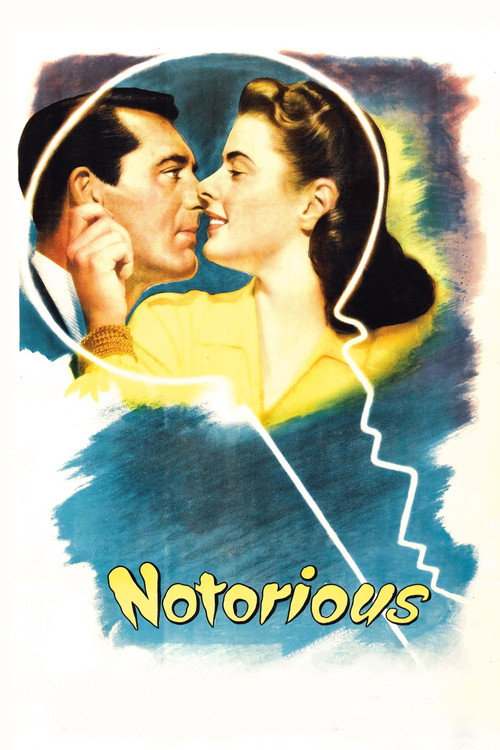
Notorious1946
Hitchcock's post-war masterpiece: a woman blackmailed into seducing a Nazi sympathiser in Rio. Shares Man Hunt's obsession with the hunted protagonist, duplicitous romance, and the psychological weight of deception.
But Moves slowly by modern standards; Cary Grant's moral ambiguity might feel uncomfortable.
Not sure tonight? Get a pick in a minute, starting from Man Hunt
The wildcard
Something you would not have found on your own.
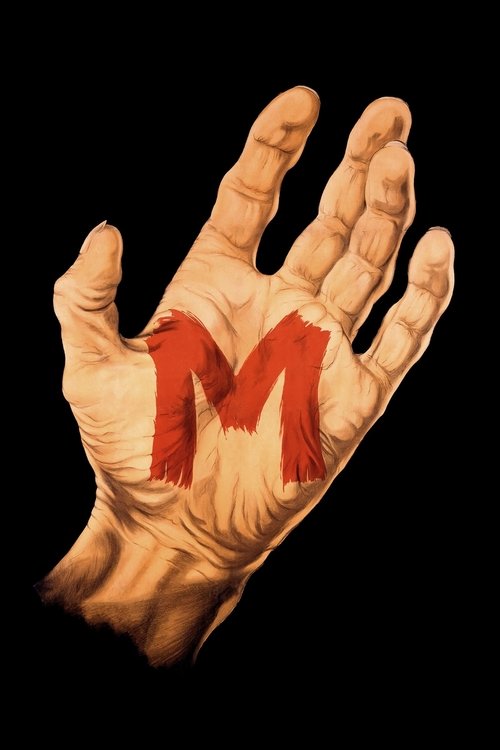
M1931
Both use the hunted protagonist as a mirror for institutional corruption—the hunter becomes indistinguishable from the hunted when systems collapse.
Fritz Lang's masterpiece: a serial killer hunted through Weimar Berlin by police and underworld alike. Same engine as Man Hunt—a man hunted by systems far larger than himself—but focused inward on the psychology of the hunted rather than outward on action.
But Silent-era theatrical acting; feels like a play in places; the moral ambiguity won't satisfy anyone wanting straightforward justice.
More like this (7)
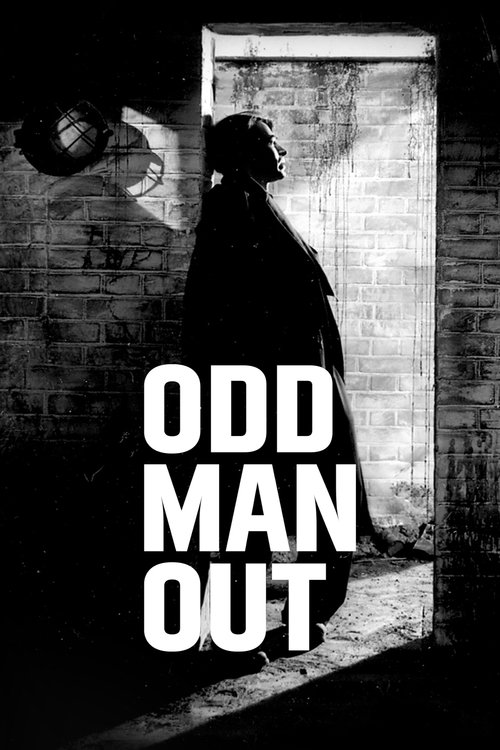
Odd Man Out1947
Carol Reed's IRA fugitive hunted through Belfast's nighttime streets—essentially Man Hunt reframed as urban noir. Stunning black-and-white cinematography and a doomed, hunted atmosphere that sticks with you.
But Deliberately paced for mood over plot mechanics; some find it glacial.
The Third Man1949
Welles and Greene's Vienna-set masterpiece about betrayal and moral compromise in occupied post-war Europe. The same fever-dream paranoia as Man Hunt, but stretched into something mythic.
But The zither score is divisive; it demands patience and rewards it only on second viewing.

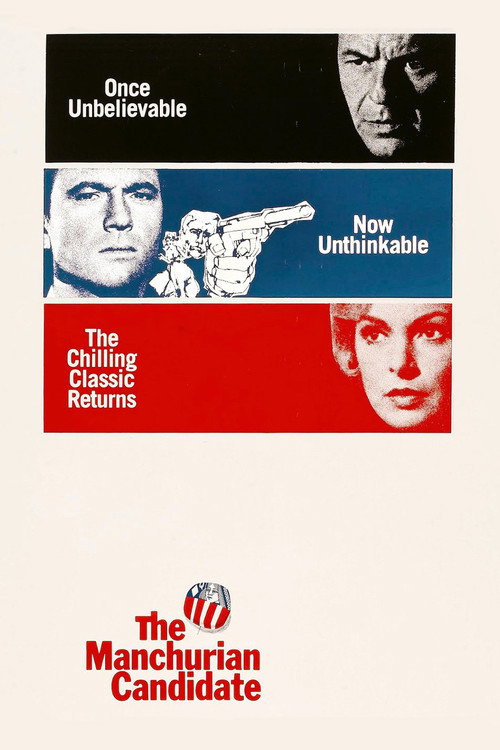
The Manchurian Candidate1962
Cold War paranoia thriller where nothing is as it seems and no institution can be trusted. That same sense of invisible enemies and compromised allies that drives Man Hunt into its final act.
But Tonal shifts from satire to horror can feel jarring; deeply of its moment in ways that date it.
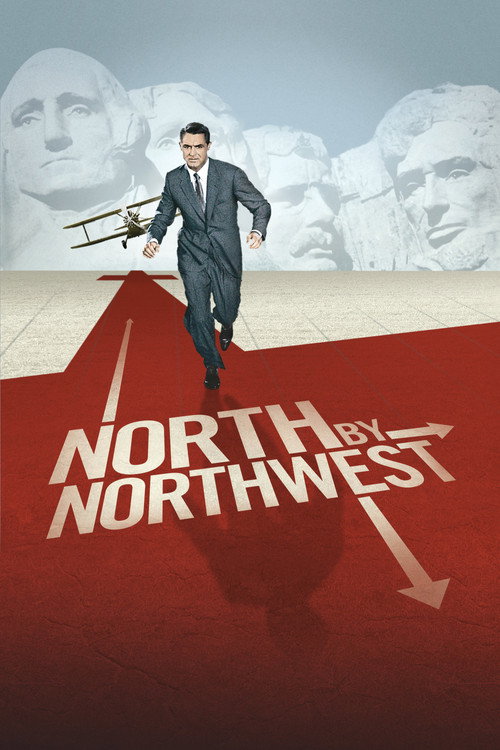
North by Northwest1959
Hitchcock's Everyman-mistaken-for-spy masterpiece. Man Hunt's spiritual cousin: an ordinary man hunted across a continent by forces he barely understands, with charm and humour keeping the dread at bay.
But Plot logic crumbles under scrutiny; leans heavily on Cary Grant's charisma to paper over contrivances.
Rope1948
Hitchcock's real-time confined-space thriller set almost entirely in one apartment. Shares Man Hunt's emphasis on psychological torture, the cat-and-mouse between hunter and hunted, and moral corruption seeping through everyday surfaces.
But The theatrical structure feels stagy to modern eyes; less action than psychological chess.

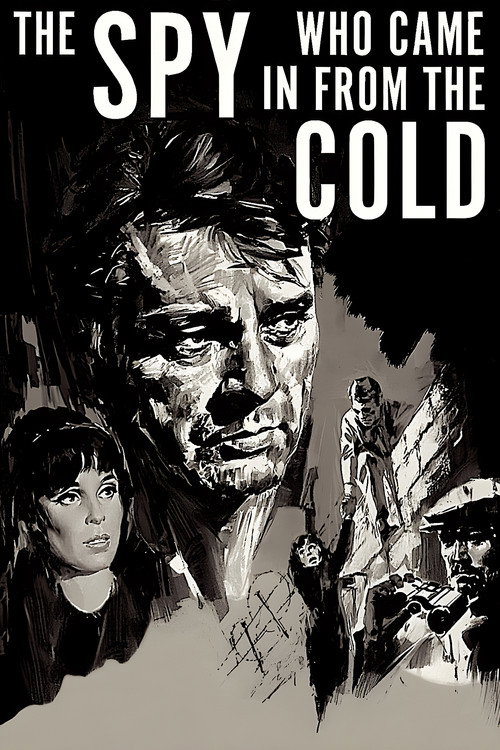
The Spy Who Came In from the Cold1965
le Carré's adaptation trades excitement for exhaustion—a burnt-out operative dragged into one final betrayal. Different pace than Man Hunt, but the same moral quicksand and the sense that survival isn't the same as winning.
But Bleak, slow, and deliberately anti-thrilling; the ending offers no catharsis whatsoever.
Rififi1955
Both trace the arc of a skilled man forced by circumstance into exactly the situation he was trying to escape—the hunted eventually becomes what hunts him.
Jules Dassin's French heist noir: a paroled safe-cracker pulled into one last job, hunted by both gangsters and police. Different genre, same moral exhaustion and the sense of being trapped by circumstance rather than villainy—a man running because the system gave him no other choice.
But The famous 30-minute silent heist sequence is brilliant but can feel like a short film interrupting the story; the ending is ambiguous and unsatisfying.

People
Cast
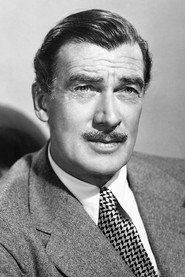 Walter PidgeonCaptain Alan Thorndike
 Joan BennettJerry Stokes
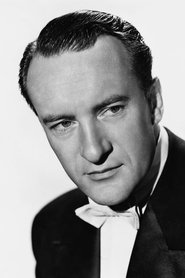 George SandersMajor Quive-Smith
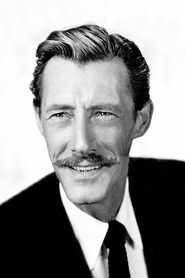 John CarradineMr. Jones
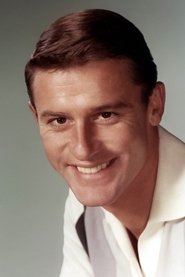 Roddy McDowallVaner
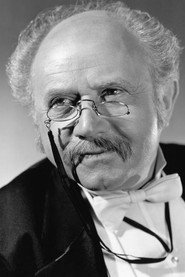 Ludwig StösselDoctor
 Heather ThatcherLady Alice Risborough
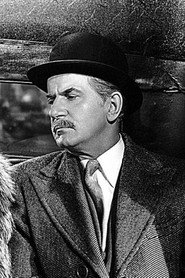 Frederick WorlockLord Gerald Risborough
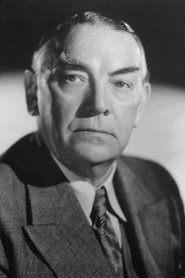 Roger ImhofCaptain Jensen
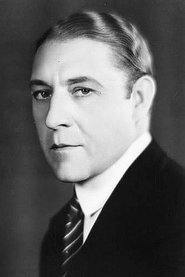 Holmes HerbertSaul Farnsworthy
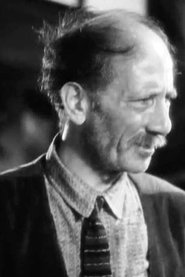 Egon BrecherJeweler
 Eily MalyonPostmistress
Directing
- Fritz LangDirector
Writing
- Geoffrey HouseholdNovel
- Dudley NicholsScreenplay
Production
- Darryl F. ZanuckExecutive Producer
- Kenneth MacgowanProducer