
Film
Shock
A 1946 psychological thriller where Vincent Price's psychiatrist commits murder, then exploits his professional credibility to gaslight the one witness into silence. Claustrophobic and morally nasty, it's a lean pulp exercise that trusts Price's urbane menace and the audience's discomfort. For anyone who loves noir's darker impulses without the sentimentality.
If you liked this
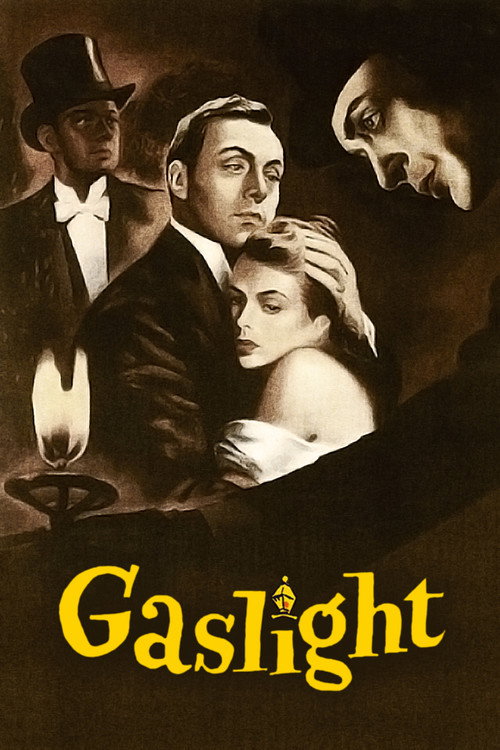
Gaslight1944
Ingrid Bergman's slow-motion psychological unraveling at the hands of her manipulative husband. Peak psychological thriller, and it popularized the term 'gaslighting' itself. Essential foundation.
But Bergman's hysteria can feel overwrought by modern standards, and the pacing sags in the middle despite the taut premise.
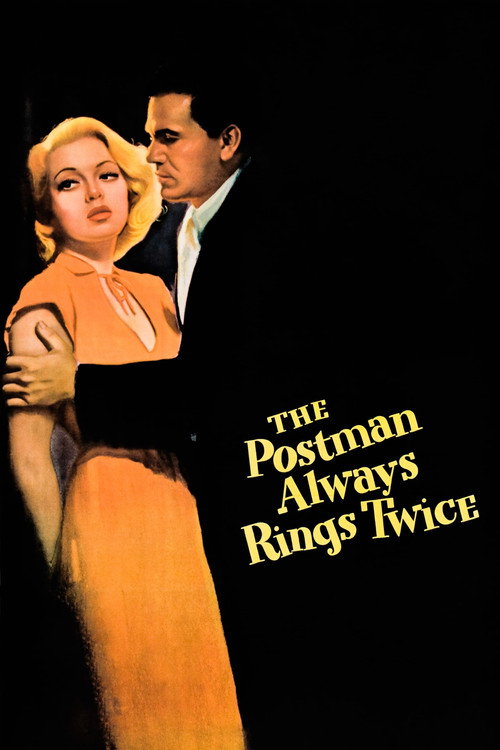
The Postman Always Rings Twice1946
Lana Turner and John Garfield's suffocating murder plot unfolds with genuine erotic charge and moral rot. Same year as Shock, same understanding that nice people do terrible things for desire.
But It's slower than you'd expect, and the ending ties things up in ways that feel like obligations to the Hays Code rather than character logic.
In a Lonely Place1950
Humphrey Bogart as a volatile screenwriter accused of murder, where the real horror is watching a good man become what people believe him to be. Darker and more sophisticated than it first appears.
But It meanders psychologically when you want plot momentum. Some viewers find Bogart's rage exhausting rather than compelling.

Not sure tonight? Get a pick in a minute, starting from Shock
The wildcard
Something you would not have found on your own.
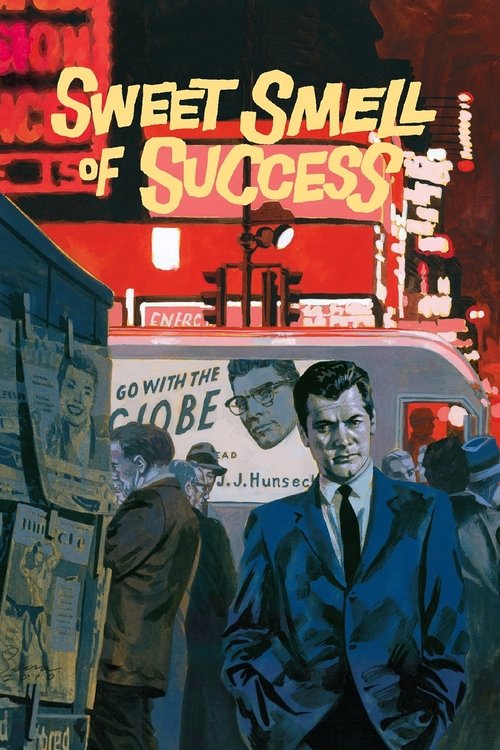
Sweet Smell of Success1957
Both use a trusted professional or authority figure as the murder weapon. Price and Burt Lancaster each understand that the most effective villain is the one people want to believe.
A gossip columnist destroys a man's life through rumor and manipulation disguised as friendship. Same moral DNA as Shock—the weapon is credibility and charm, not a gun. Fiercer, more baroque, deeply nasty in ways that age beautifully.
But Filmed in a hellscape of neon and shadows that some find exhausting. The dialogue is thick and writerly, closer to poetry than naturalism. Not for anyone seeking comfort.
More like this (8)
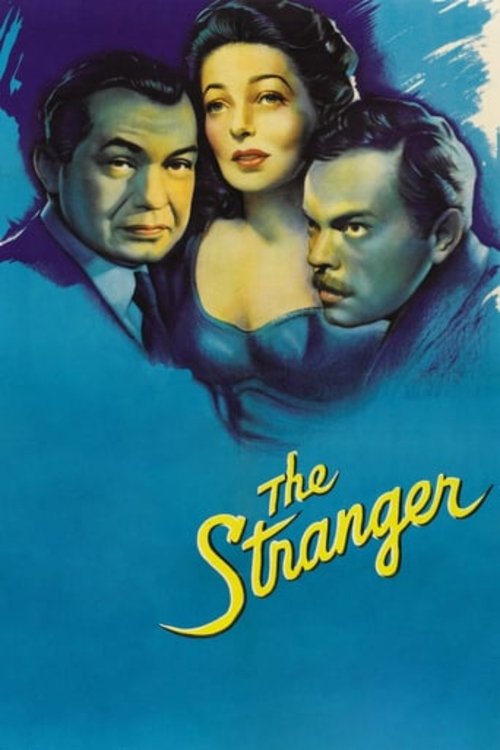
The Stranger1946
Orson Welles directs and stars as a Nazi war criminal hiding in plain sight as a small-town intellectual. Taut, morally complex, and paranoid in the way that suits Price's sensibility perfectly.
But It's Welles working in a commercial framework, so it feels constrained compared to his bigger swings. Some plot mechanics creak audibly.
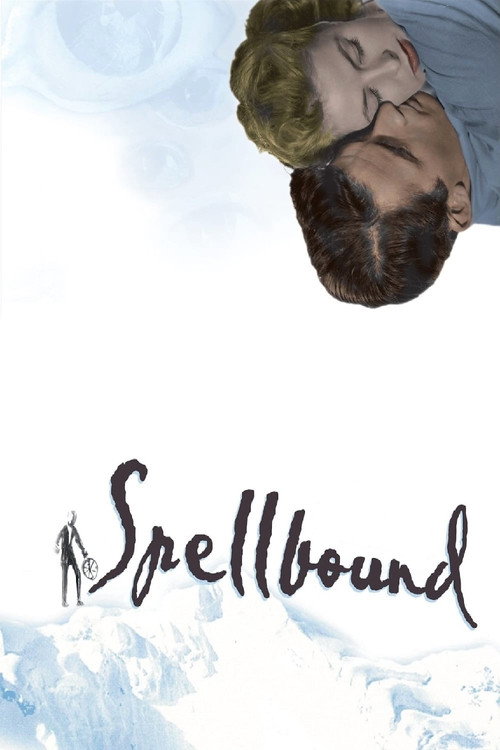
Spellbound1945
Hitchcock and Dalí on the psychology of guilt and trauma, with a psychiatrist (Ingrid Bergman) slowly realizing her colleague hides a fractured mind. Visually restless and genuinely unsettling.
But The dream sequence is famous largely for being famous, and the climax wraps psychoanalysis up too neatly for comfort.
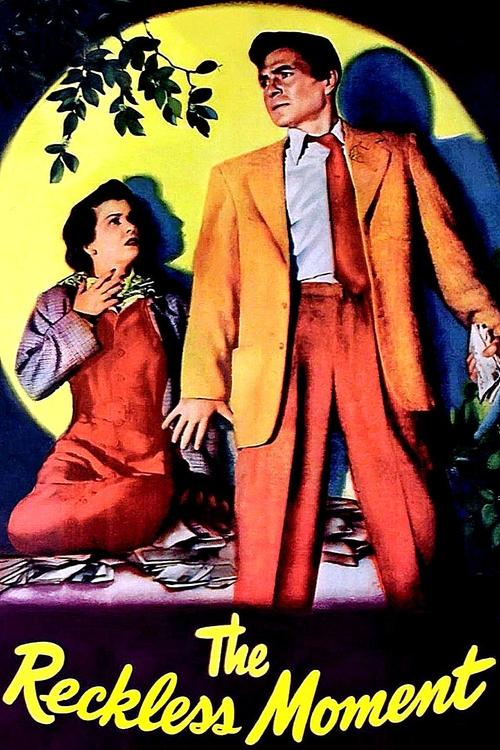
The Reckless Moment1949
Ophüls and James Mason in a quietly vicious game where a woman's attempt to protect her daughter spirals into blackmail and moral compromise. Elegant and merciless.
But The emotional register is restrained even by noir standards—some find it glacial rather than intense.
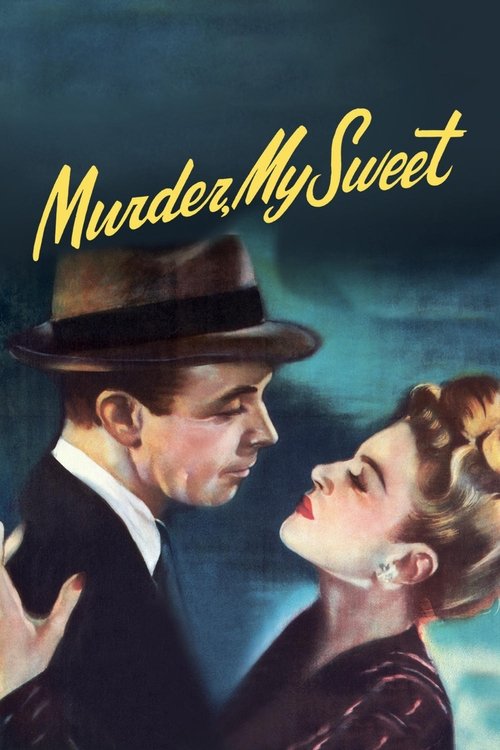
Murder, My Sweet1944
Dick Powell's private eye stumbles into psychological traps set by beautiful people with ugly secrets. Visually stunning and genuinely disorienting in the best ways.
But At nearly two hours, it takes its time establishing beats that Shock disposes of in seventy minutes. Patience required.
The Killers1946
Burt Lancaster's boxer destroyed by a femme fatale and his own passivity, told in fractured chronology by a methodical insurance investigator. Ava Gardner burns the screen.
But The non-linear storytelling was novelty then and feels mechanical now. Some sequences meander before pulling the thread.

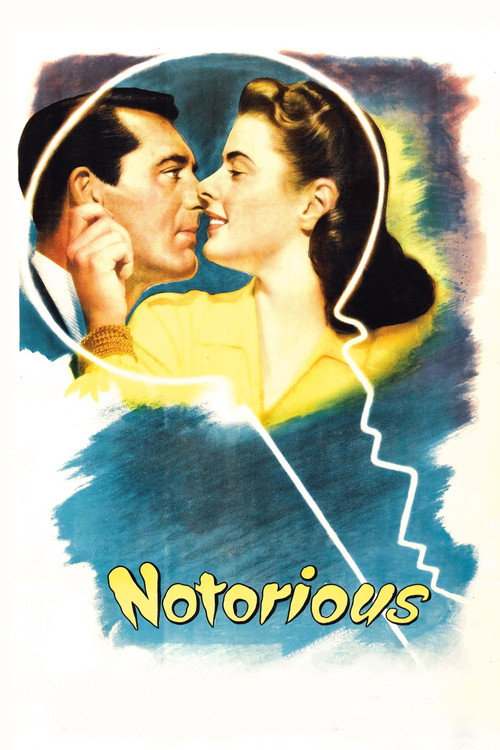
Notorious1946
Hitchcock's study of a woman manipulated by two men—one enemy, one lover—with poisoning and emotional cruelty woven tight. Cary Grant has never been more controlled or sinister.
But It's a Hitchcock masterpiece, so if you've already seen it, nothing here is new. If you haven't, start with Vertigo or Psycho instead.
Notes on a Scandal2006
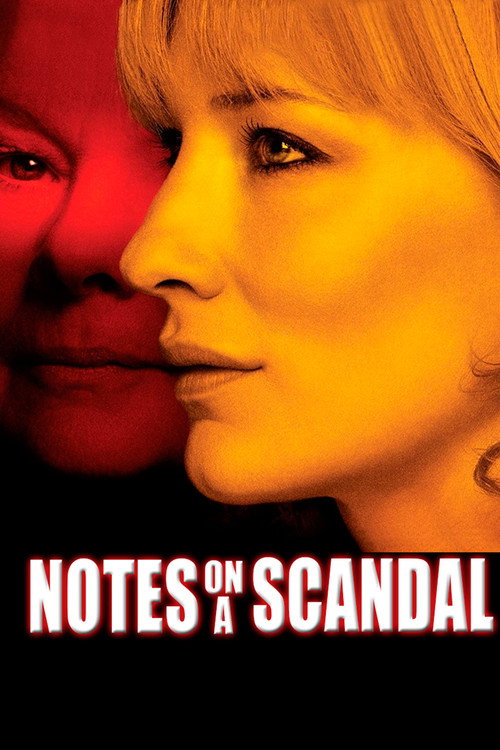
Both understand that the deadliest manipulation is when the victim can't fully articulate what's being done to them. Psychology weaponized through patient proximity.
Judi Dench as a schoolteacher who insinuates herself into a colleague's life and slowly poisons it through jealousy disguised as concern. A woman's Shock—quieter, more intimate, equally toxic. Cate Blanchett is the gaslit prey.
But It's a small, claustrophobic chamber piece. If you need external action or plot reversals, you'll find it static and monotonous.
The Servant1963
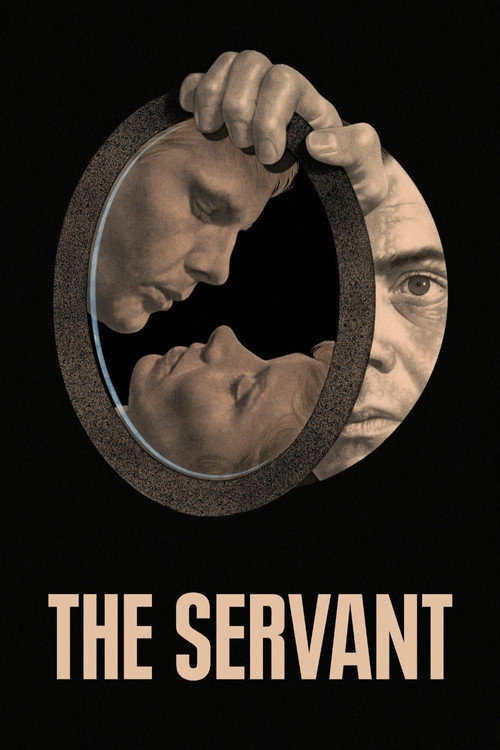
Like Shock, it's about a figure of apparent service who weaponizes trust and professional role against someone who has no institutional way to expose them. The victim appears mad for claiming reality.
Joseph Losey's film about a manservant who systematically inverts the power dynamics of his employer's house through obsequiousness and sexual entanglement. British, formally inventive, and morally suffocating. Dirk Bogarde playing servitude as predation.
But It's deliberately mannered and slow. The power reversals are psychological rather than plot-driven. Won't satisfy anyone looking for conventional thriller mechanics.
People
Cast
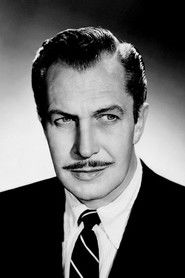 Vincent PriceRichard Cross
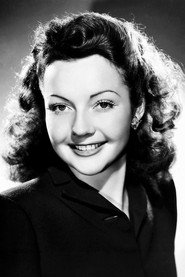 Lynn BariElaine Jordan
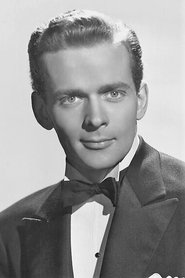 Frank LatimorePaul Stewart
 Anabel ShawJanet Stewart
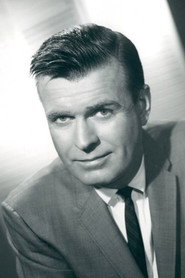 Stephen DunneDr. Stevens
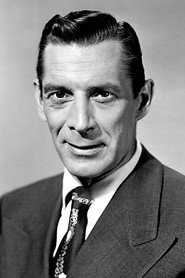 Reed HadleyO'Neill
- Renee CarsonMiss Hatfield
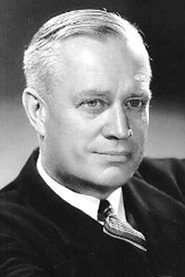 Charles TrowbridgeFranklin Harvey
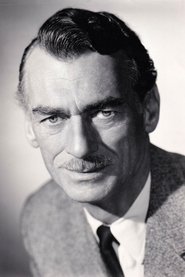 Robert AdlerFrank (uncredited)
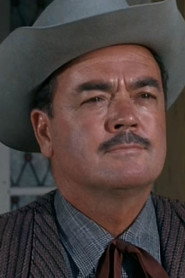 Harry CarterSanitarium Orderly (uncredited)
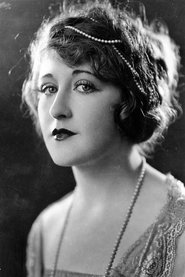 Ruth CliffordMargaret Cross (uncredited)
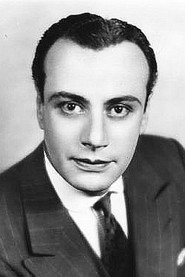 John DavidsonMr. Edwards (uncredited)
Directing
- Alfred L. WerkerDirector
Writing
- Eugene LingScreenplay
- Albert DeMondStory
Production
- Aubrey SchenckProducer
- Frances C. RichardsonResearcher