
Film
Conflict
A 1945 Warner Bros. thriller where Humphrey Bogart plots his wife's murder with surgical precision, only to discover that guilt and circumstance have other plans. It's a taut psychological game—less film noir than chamber piece, all tension and confession. For anyone who loves the claustrophobia of a man being slowly crushed by his own crime.
If you liked this
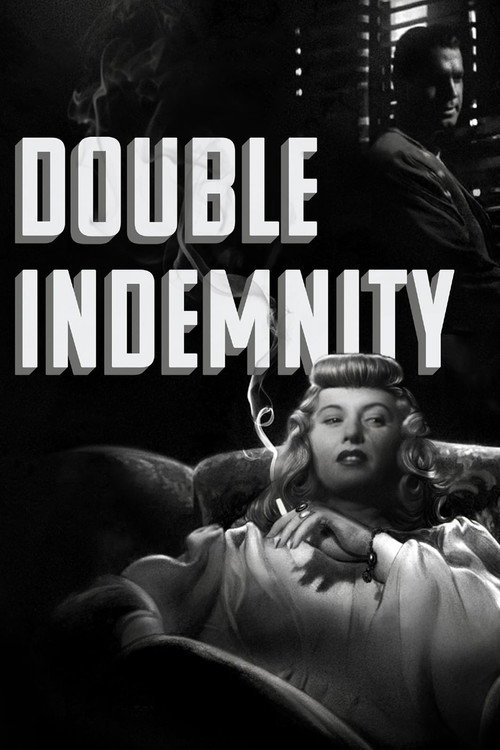
Double Indemnity1944
The gold standard of murder plots and doomed passion. Billy Wilder's masterpiece shows what happens when desire and insurance money collide. If you want the Platonic ideal of this story, here it is.
But It's in black and white and moves at a 1940s pace. Some find the femme fatale trope dated or uncomfortable now.
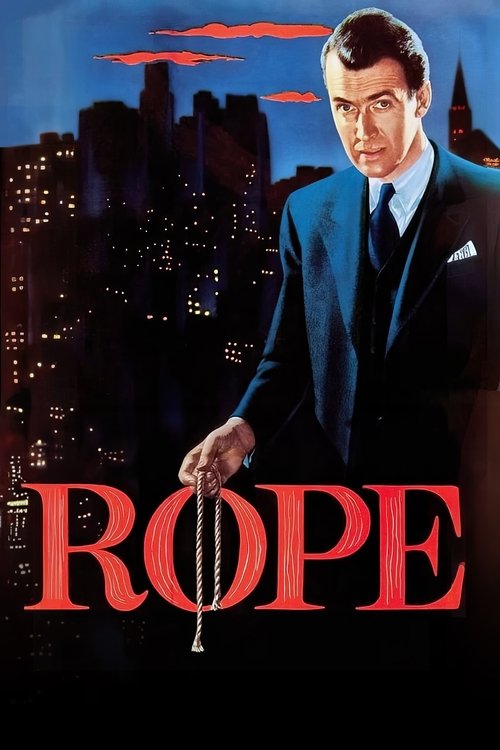
Rope1948
Hitchcock's real-time psychological thriller about two men who murder a friend and host a dinner party over his body. Pure suspense built from guilt and the possibility of discovery—the same engine as Conflict, just wound tighter.
But The gimmick (filmed to appear as one unbroken take) can feel stagey. It's also deeply homophobic in ways that haven't aged well.
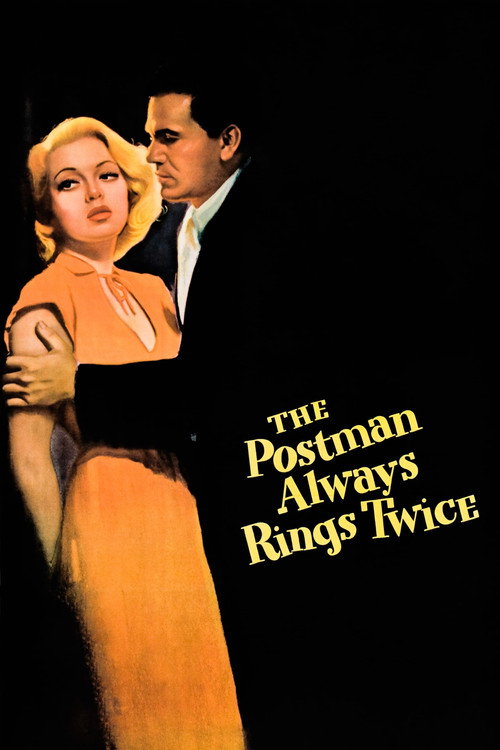
The Postman Always Rings Twice1946
A drifter and a femme fatale plot to murder her husband. Like Conflict, it's about a murder that should be perfect but becomes a moral quicksand. Lana Turner's sexuality is the dynamite; Bogart's co-star John Garfield is electric.
But The censorship of the era means the affair is more implied than shown. By modern standards, it feels restrained.
Not sure tonight? Get a pick in a minute, starting from Conflict
The wildcard
Something you would not have found on your own.
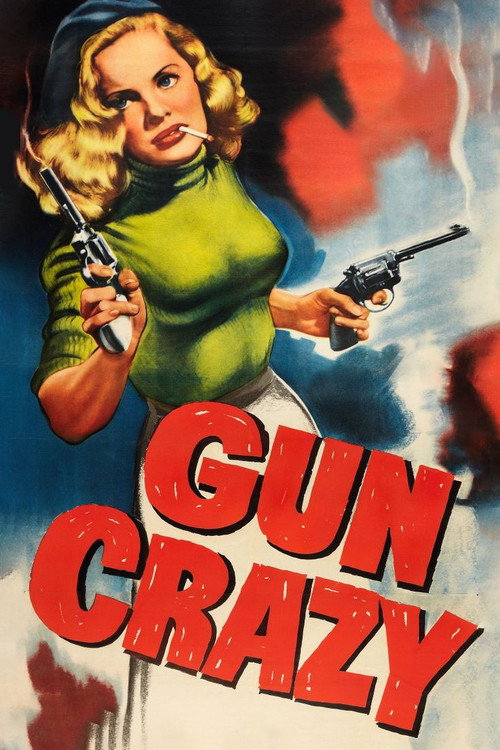
Gun Crazy1950
Both are about ordinary people realizing, too late, that they can't escape the consequences of what they've chosen to do. The difference is Gun Crazy finds their doom exhilarating while Conflict finds it suffocating.
A couple obsessed with guns and each other go on a crime spree. It's Bonnie and Clyde before Arthur Penn, and it has the same addictive quality as Conflict—watching good people become trapped by their own desires. The famous car-robbery shootout influenced everything after.
But It's cheaper and cruder than a big studio picture, and the couple's moral descent might feel too sympathetic to modern sensibilities about violence.
More like this (8)
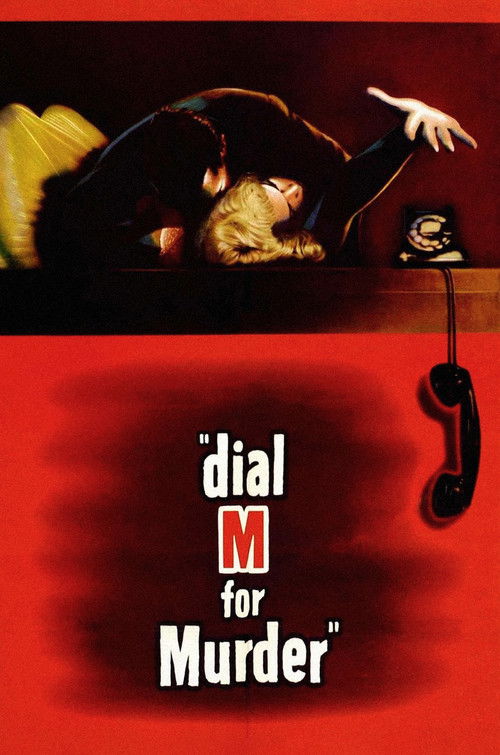
Dial M for Murder1954
Hitchcock again, but this time a man hires someone to kill his wife. The pleasure is watching the plan unravel and the cat-and-mouse that follows. Tighter plotting than Conflict, more theatrical in the best way.
But It's very stage-bound; three rooms, essentially. If you need movement and variety, this will feel claustrophobic in a way you didn't sign up for.
In a Lonely Place1950
Bogart again, this time a volatile Hollywood screenwriter suspected of murder. It's less a whodunit than a character study of a man whose own nature becomes his prison. Darker and more psychologically complex than Conflict.
But It's a slow-burn character study, not a thriller. If you want plot momentum, you'll find it frustratingly introspective.

The Killers1946
Two assassins arrive to kill a man, then we unwind why. Hemingway's story becomes a fractured noir puzzle. It has Conflict's sense of inescapable fate, but told backwards and sideways.
But The structure is deliberately non-linear and can feel fragmented. Some viewers find it confusing rather than clever.

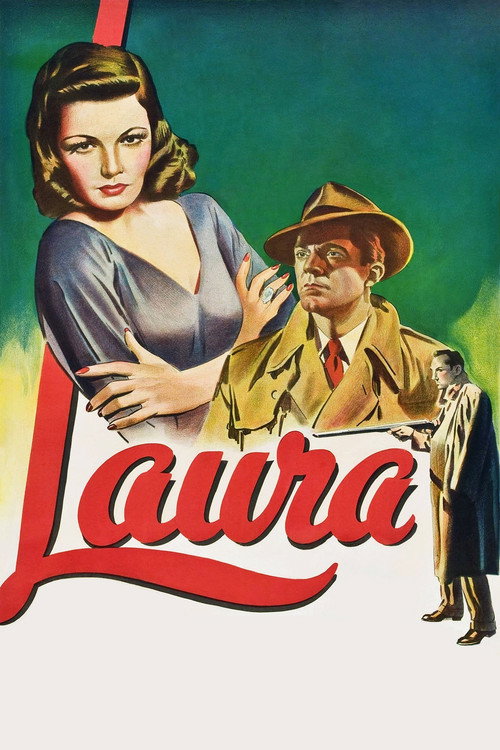
Laura1944
A detective investigates a murder, but the victim may not be dead. It's elegant and mysterious in a way that rewards a second viewing. Otto Preminger's control is absolute; every frame earns its place.
But The plot hinges on something that feels contrived. And the romance subplot, by modern standards, is uncomfortable—a man falling in love with a portrait.
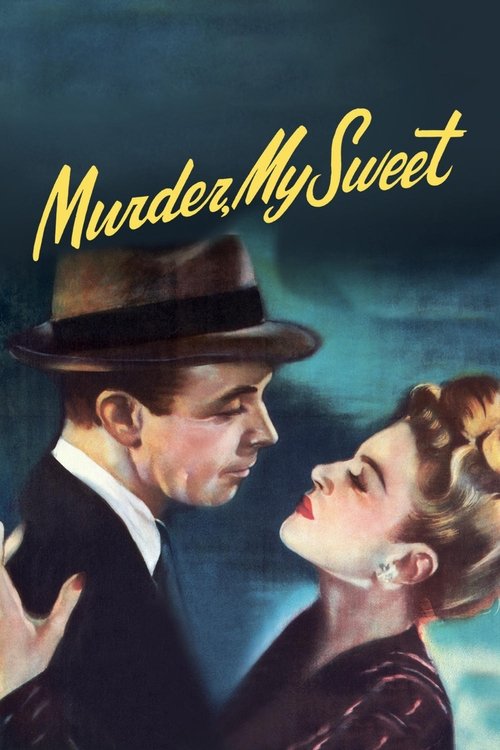
Murder, My Sweet1944
Dick Powell as a private eye caught in a murder scheme. It's a textbook noir with great atmosphere and the kind of plot twists that feel earned. If you want the world Bogart moves through, this captures it perfectly.
But It's convoluted; the plot demands attention. Zoning out for five minutes means you'll be lost for the next twenty.
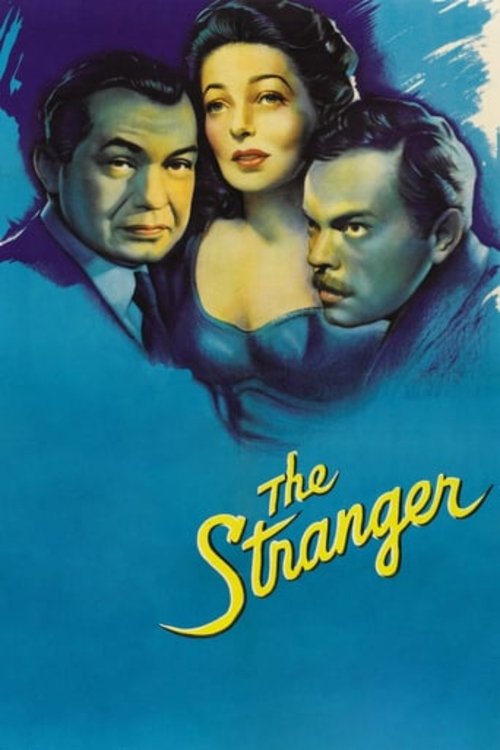
The Stranger1946
Orson Welles directs and stars as a Nazi war criminal hiding in small-town Connecticut. It's a thriller about secrets eating a man from the inside. The moral weight is heavier than Conflict, the paranoia just as real.
But It's less about suspense and more about dread. If you want a plot that moves, this prioritizes mood over momentum.
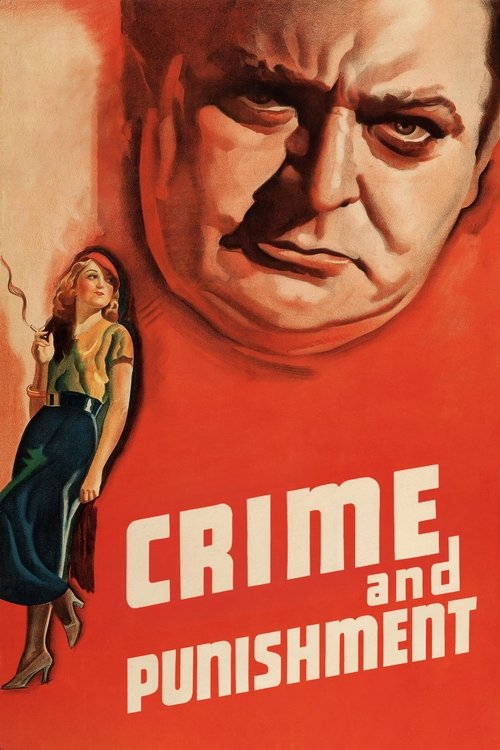
Crime and Punishment1935
Both follow a man who commits murder to free himself, only to discover that freedom was never the point. But where Conflict is a thriller, this is a tragedy about conscience.
Josef von Sternberg's adaptation of Dostoevsky, with Peter Lorre as a student who murders a pawnbroker and then descends into psychological torment. It's what Conflict might become if given Russian soul and an extra hour—the guilt becomes the real story.
But It's slow, heavy, and European in register. Lorre is brilliant but unsettling. If you want entertainment rather than existential crisis, skip it.
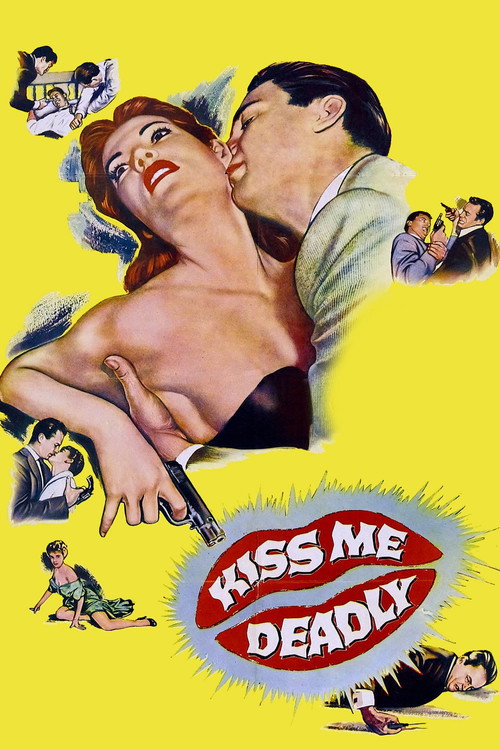
Kiss Me Deadly1955
Both are about a man moving through a web of secrets and betrayals, but Conflict treats the web as solvable. Aldrich treats it as the human condition—unsolvable, inescapable, and radioactive.
Robert Aldrich's atomic-age noir with Mike Hammer. It's ostensibly about a murder investigation, but it becomes something stranger and more savage—a descent into a world where morality is a luxury. Bogart's world, but ten years later and soaked in Cold War dread.
But It's nihilistic and brutal. The ending is apocalyptic and bleak. If you watch Conflict for the suspense, this will feel like watching the world end.
People
Cast
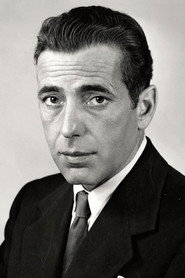 Humphrey BogartRichard Mason
 Alexis SmithEvelyn Turner
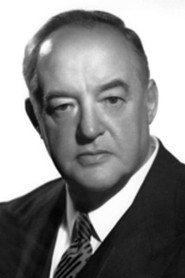 Sydney GreenstreetMark Hamilton
 Rose HobartKathryn Mason
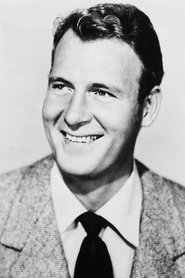 Charles DrakeNorman Holsworth
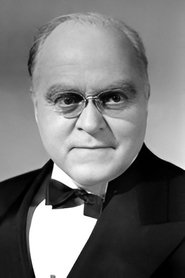 Grant MitchellDr. Grant
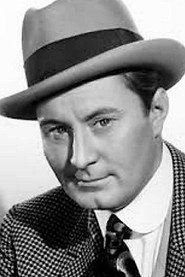 Patrick O'MooreEgan
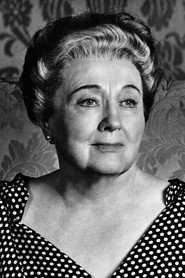 Ann ShoemakerNora Grant
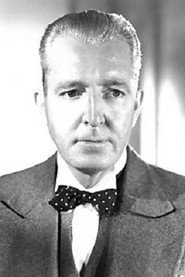 Edwin StanleyPhillips (uncredited)
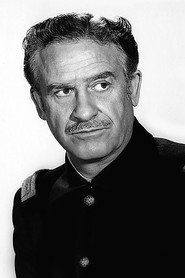 Frank WilcoxFreston (uncredited)
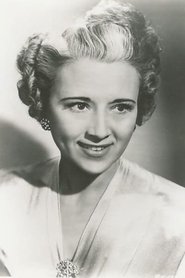 Bess FlowersGuest at Rainbow Lodge (uncredited)
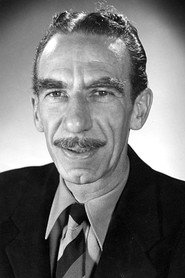 Oliver BlakePawnbroker #1 (uncredited)
Directing
- Curtis BernhardtDirector
Writing
- Alfred NeumannOriginal Story
- Robert SiodmakOriginal Story
- Arthur T. HormanScreenplay
- Dwight TaylorScreenplay
Production
- Jack L. WarnerExecutive Producer
- William JacobsProducer