
Film
Deadline at Dawn
A 1946 noir-thriller where a sailor wakes from a blackout holding stolen cash and must scramble through a single night to prove he didn't commit the murder everyone thinks he did. It's a taut, elegantly constructed mystery with romantic undertones, the kind of lean genre picture Hollywood made when narrative economy was a virtue. Perfect for anyone who loves the architecture of classic Hollywood suspense.
If you liked this
The Killers1946
Released the same year, this Siodmak masterpiece features a similar innocent-man-in-danger setup with Burt Lancaster's debut. Stylish, propulsive, and it shows what peak film noir ambition looked like.
But The plot unfolds backwards and sideways; if you want straightforward storytelling, this will frustrate you.

In a Lonely Place1950
Bogart plays a man under suspicion for murder in post-war Hollywood, racing to clear his name while his world collapses. Ray's direction is superb, and the moral ambiguity cuts deeper than most thrillers.
But It's bleak and ends quietly; there's no cathartic vindication, which some find unsatisfying.

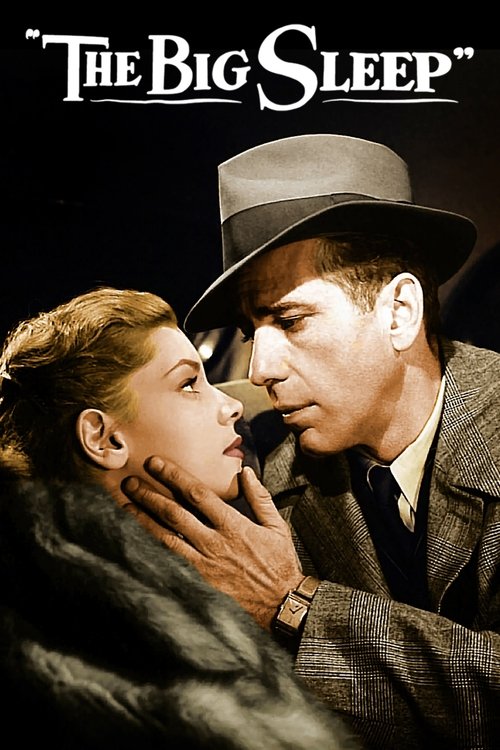
The Big Sleep1946
Bacall and Bogart's chemistry is electric in this maze of a mystery where the plot barely matters because the characters are so compelling. Witty, sensual, endlessly rewatchable.
But The narrative is genuinely confusing—even the studio wasn't sure who killed who—and it doesn't pretend to clarity.
Not sure tonight? Get a pick in a minute, starting from Deadline at Dawn
The wildcard
Something you would not have found on your own.
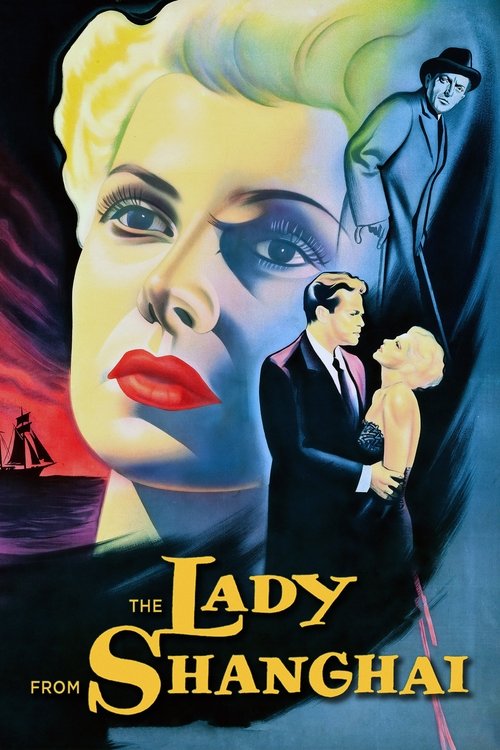
The Lady from Shanghai1947
Both are tight noir mechanics built on the scaffolding of a man trying to outrun circumstance in a single night, but where Deadline aims for clarity, Shanghai embraces chaos and mirrors.
Welles made this the year after Deadline, and it shares the same restless, propulsive energy: a man adrift in the city, drawn into a web of murder and betrayal by a woman he can't refuse. The fun-house climax is one of cinema's great set pieces.
But The narrative is deliberately baroque and the editing is dizzying; if you want clarity, you won't find it. Also, Welles' Irish accent is legendarily terrible.
More like this (8)
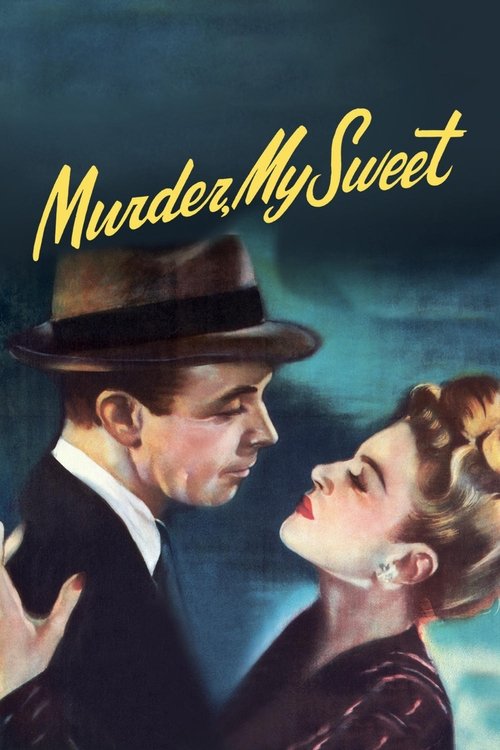
Murder, My Sweet1944
Dick Powell transforms into a hard-boiled detective navigating murder, blackmail, and betrayal across a single fevered night. Wonderfully shot and Powell's performance is the revelation.
But At nearly two hours, it's longer and more baroque than Deadline's taut simplicity; some find it overwrought.
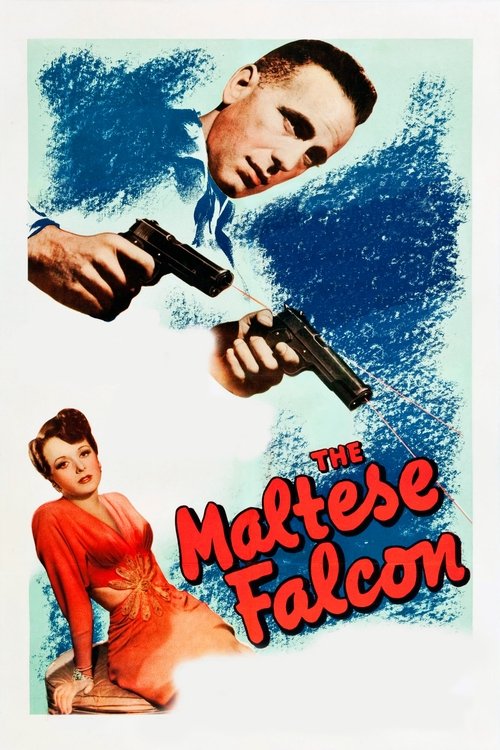
The Maltese Falcon1941
Huston's debut is the foundational text: a man searching for truth in a maze of deception and shifting allegiances. Every scene hums with purpose and Bogart is effortlessly cool.
But Its influence is so pervasive that it can feel familiar even on first viewing; the genre has been mining it for decades.
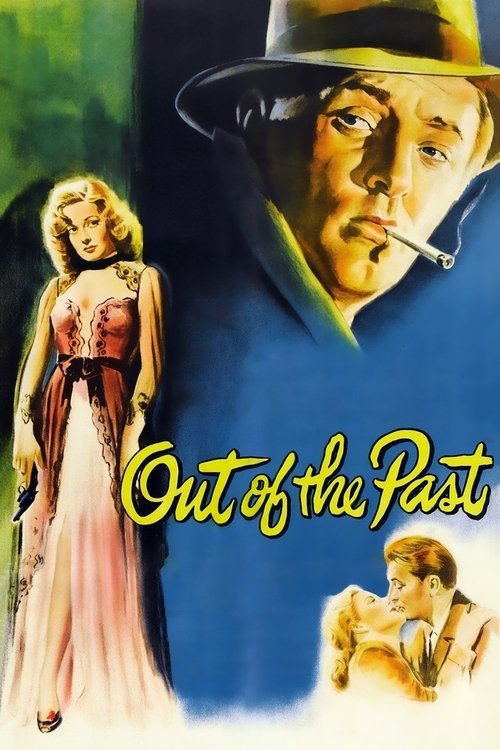
Out of the Past1947
Mitchum and Greer in a doomed romance wrapped around a murder scheme—the quintessential noir about a man caught between past and present. Languorous, fatalistic, hypnotic.
But It's slower and moodier than Deadline; if you want propulsive forward momentum, this meditative pacing won't deliver it.
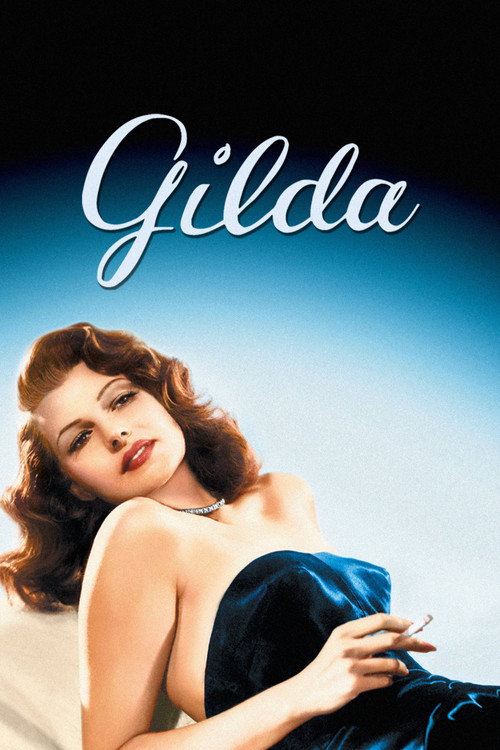
Gilda1946
Rita Hayworth in the femme fatale role that defined the archetype, opposite Glenn Ford in a post-war Buenos Aires of jealousy and desire. Glamorous and darkly sexual.
But It's more about atmosphere and spectacle than mystery; the plot takes a backseat to Hayworth's presence and the men's obsessions.
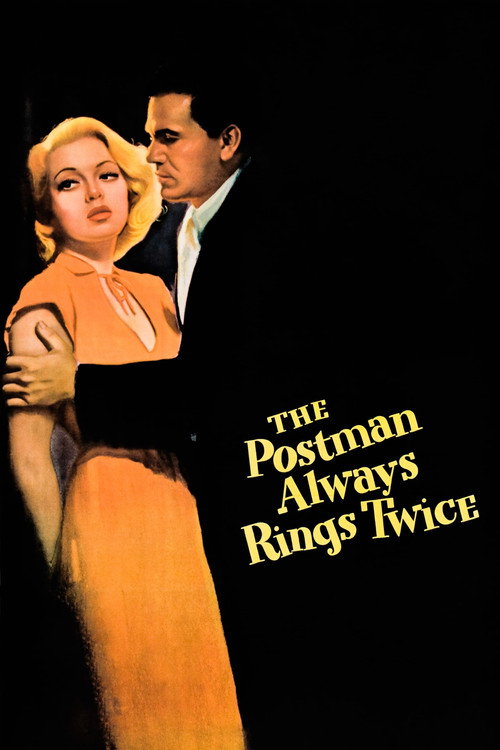
The Postman Always Rings Twice1946
Lana Turner and John Garfield ignite the screen in a steamy tale of murder and deception set in a roadside diner. Raw, immediate, and bursting with noir sensuality.
But The femme fatale is the narrative engine; if you want female characters with agency beyond seduction, this won't satisfy.
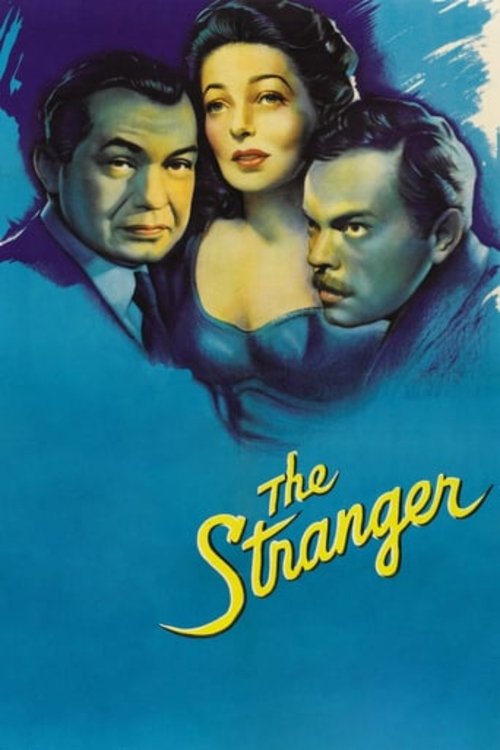
The Stranger1946
Welles directs and stars in this elegant thriller about a Nazi war criminal hiding in small-town America, pursued by an investigator. Tense and architecturally brilliant.
But It's more political than personal, and Welles' performance is deliberately controlled; some find it cold where Deadline is urgent.
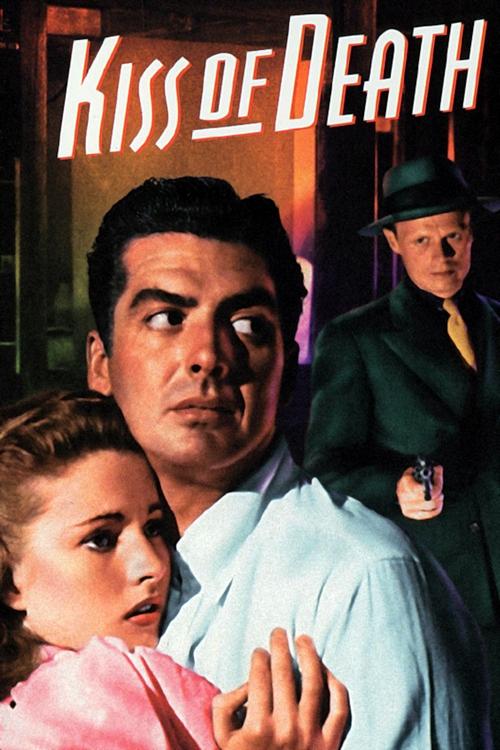
Kiss of Death1947
Both feature men caught in systems larger than themselves, but this one inverts the perspective—instead of watching the innocent run, you're watching the guilty scheme, and the moral ground becomes unstable.
Richard Widmark's debut as a psychotic killer is genuinely unsettling, and Henry Hathaway's direction transforms the noir formula into something visceral and modern. It's a character study of evil that feels closer to psychology than pulp.
But The focus shifts from the innocent man to the criminal, and Widmark's character is deliberately detestable; the moral clarity of Deadline evaporates.
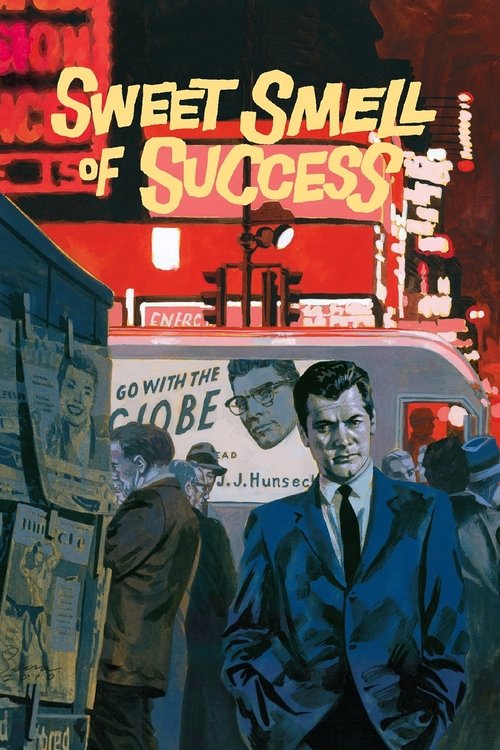
Sweet Smell of Success1957
The frantic single-night structure returns, but it's been drained of innocence—where Deadline asks 'how do I prove I didn't do it?', this asks 'how do we destroy the person we envy?' The machinery is the same, but the souls running it have rotted.
A columnist and a press agent scheme to destroy a jazz musician's career over a single night in New York, and their moral corruption becomes the real subject. The dialogue is intoxicating, the cinematography is suffocating, and it's a masterpiece of nihilism.
But It's poisonously cynical; no one is redeemable, and if you're looking for a hero to root for, this will leave you feeling soiled.
People
Cast
 Susan HaywardJune Goffe
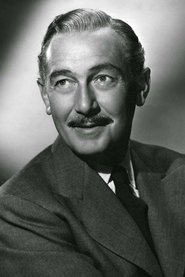 Paul LukasGus Hoffman
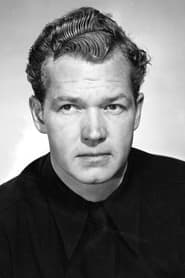 Bill WilliamsAlex Winkler
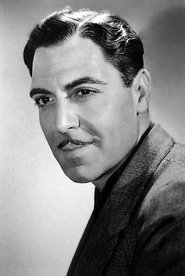 Joseph CalleiaVal Bartelli
- Osa MassenHelen Robinson
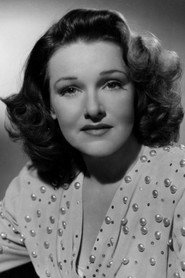 Lola LaneEdna Bartelli
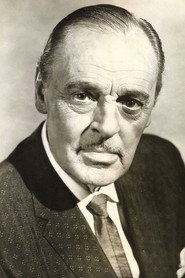 Jerome CowanLester Brady
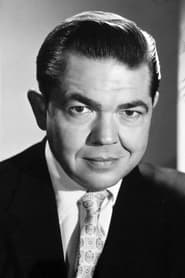 Marvin MillerSleepy Parsons
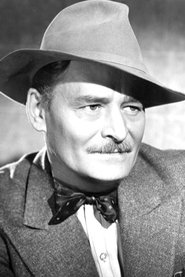 Roman BohnenFrantic Man with Injured Cat
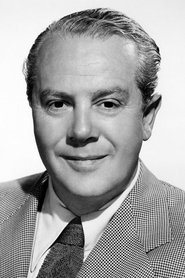 Steven GerayEdward Honig
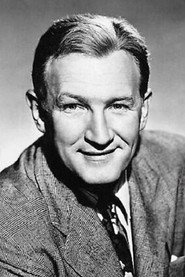 Joe SawyerBabe Dooley
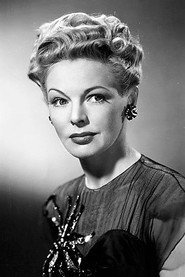 Constance WorthNan Raymond
Directing
- William DorfmanAssistant Director
- William Cameron MenziesCo-Director
- Harold ClurmanDirector
Writing
- Cornell WoolrichNovel
- Clifford OdetsScreenplay
Production
- Sid RogellExecutive Producer
- Adrian ScottProducer