
Film
Johnny Comes Flying Home
A brisk 1946 postwar drama about three ex-fighter pilots trying to launch an air-freight business while dodging creditors and personal demons. It's a working-class success story with real stakes—money problems feel genuinely urgent, not ornamental. Ideal for anyone who likes their optimism tempered with struggle and their aviation with grit.
If you liked this
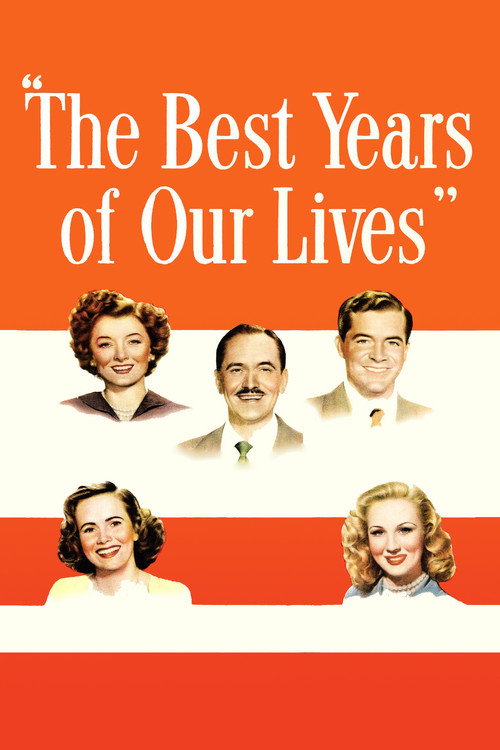
The Best Years of Our Lives1946
The definitive postwar adjustment film. Three men—an airman, a sailor, a soldier—return home and discover that victory doesn't automatically solve anything. It's patient, humane, and occasionally devastating.
But At three and a half hours, it demands real time. The pacing is deliberate; if you want quick resolutions, you'll get frustrated.
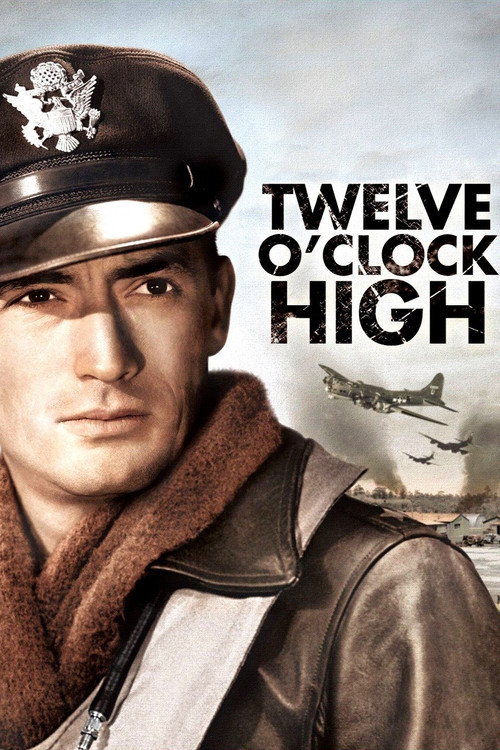
Twelve O'Clock High1949
A bomber squadron drama that understands both the brotherhood of fliers and the terrible cost of command. Gregory Peck anchors a film about men under pressure that never looks away.
But The air sequences are stirring but brief; most of the film is ground-level. If you came for dogfights, you'll spend a lot of time watching tired men make impossible choices.
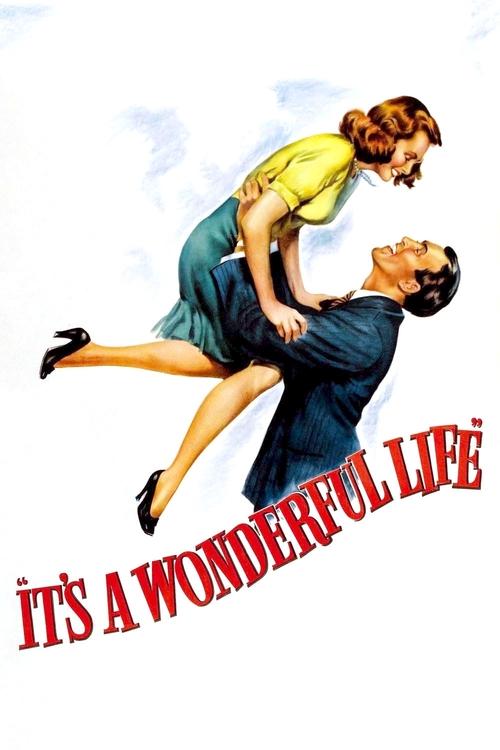
It's a Wonderful Life1946
Released the same year, it's also about an ordinary man fighting for his small dream against institutional pressure. The desperation underneath the sentimentality is real, and the ending earns every tear.
But The repetition and structure can feel contrived if you're not in the mood for allegory. Some find the ending too neat given how dark it got.
Not sure tonight? Get a pick in a minute, starting from Johnny Comes Flying Home
The wildcard
Something you would not have found on your own.
Wings of Desire1987
Both films treat ordinary struggle—pilots trying to build something, angels trying to understand why humans long for things—as metaphysically significant. Neither is cynical about desire, even when it fails.
Wim Wenders' angels watch over divided Berlin and contemplate human longing. It's about the weight of desire and the ache of being stuck, watching others live. The mood is melancholy transcendence.
But It's meditative and poetic to the point of plotlessness. If you want story, you will be profoundly irritated.

More like this (8)
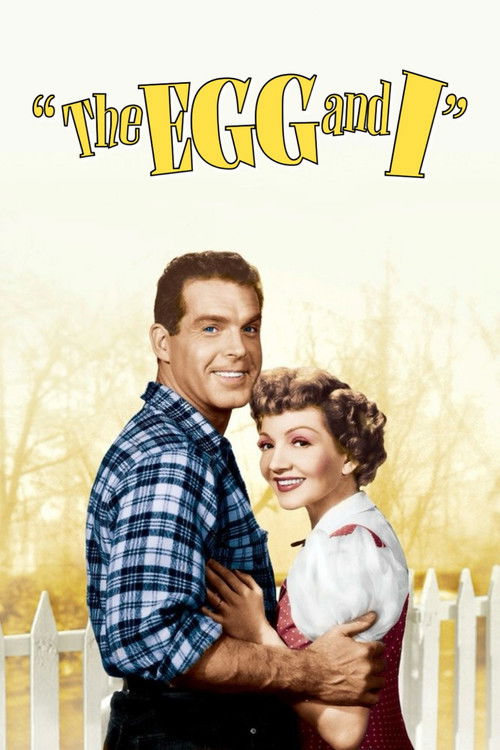
The Egg and I1947
Claudette Colbert and Fred MacMurray as a couple starting a chicken farm in the Pacific Northwest. It's lighter than Johnny Comes Flying Home but has the same DNA—ordinary people, genuine obstacles, a marriage that has to survive hard work.
But The tone wanders between comedy and earnestness. It doesn't always know what it wants to be, and neither will you.
Gilda1946
Rita Hayworth and Glenn Ford in postwar Buenos Aires, where passion and corruption intertwine. It's operatic and gorgeous, and the moral ambiguity will stay with you longer than you'd expect from a noir-adjacent drama.
But It's sensual and slow. If you need plot momentum, this will feel like watching people perform regret in beautiful lighting for two hours.

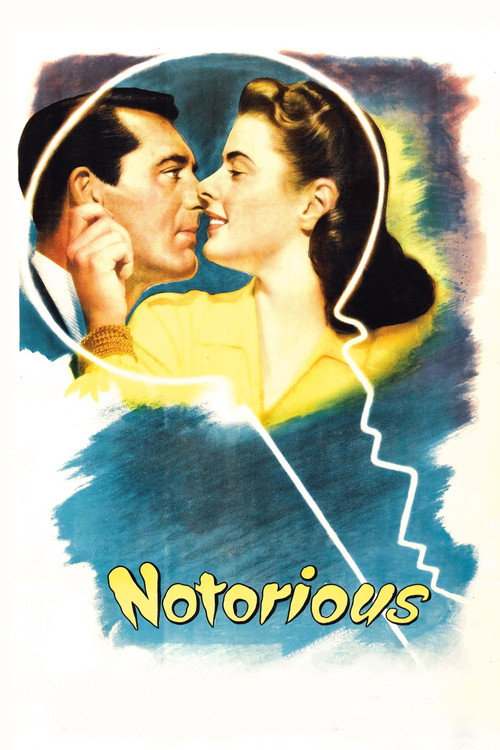
Notorious1946
Hitchcock's masterpiece about an American woman sent to seduce a Nazi sympathizer after the war. The espionage is tense, but it's really a love story poisoned by duty and mistrust. Extraordinary.
But The sexual politics are of their era—the hero manipulates the heroine in ways that now read as abuse. You have to hold that and still appreciate the filmmaking.
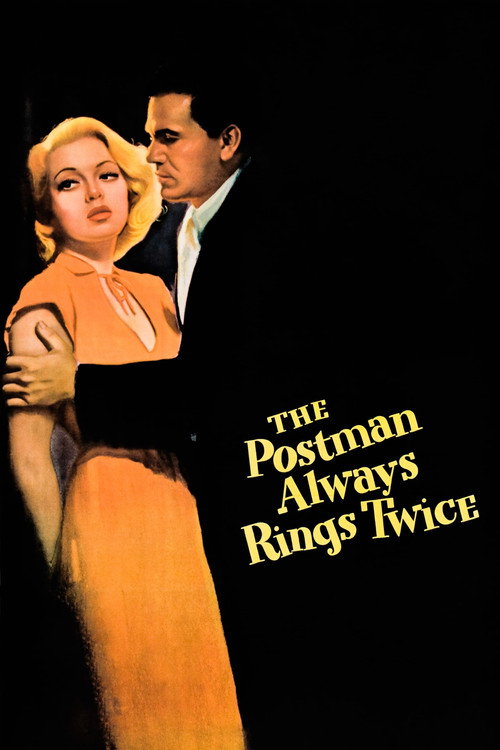
The Postman Always Rings Twice1946
Lana Turner and John Garfield in a noir that understands desire as a trap. The diner becomes a pressure cooker; every scene crackles. It's dangerous and thrilling in ways Johnny Comes Flying Home is not.
But It's bleak in a way that makes the struggles in postwar entrepreneurship look quaint. Not a comfort watch.
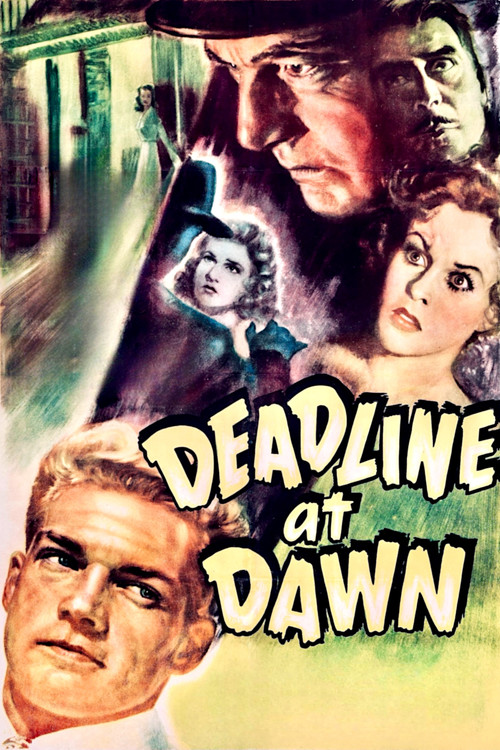
Deadline at Dawn1946
A naval sailor on shore leave in New York becomes entangled in a murder. It has the same economic desperation—men without much money, with limited time, making quick decisions—but filtered through noir paranoia.
But The plot strains credibility, especially toward the end. You have to trust the mood more than the mechanics.
The Killers1946
A boxer with a death wish and the insurance investigator trying to understand why. It's a postwar film about a man destroyed by the depression and the war itself. Short, sharp, and unforgettable.
But The narrative structure is fractured. If you prefer a straight line, the back-and-forth will feel unnecessarily complicated for what is ultimately a simple story.

Tokyo Story1953
Both are postwar films about people rebuilding lives without melodrama, but where Johnny Comes Flying Home is propulsive, Ozu is still. One moves forward; the other moves deeper.
An elderly couple visits their adult children in postwar Tokyo. Almost nothing happens. Ozu watches people sit, talk, and reckon with time, distance, and the smallness of their lives. It's devastating.
But The pacing is glacial. Scenes of people simply being together, with silence, will test your patience. It's not a film for restlessness.

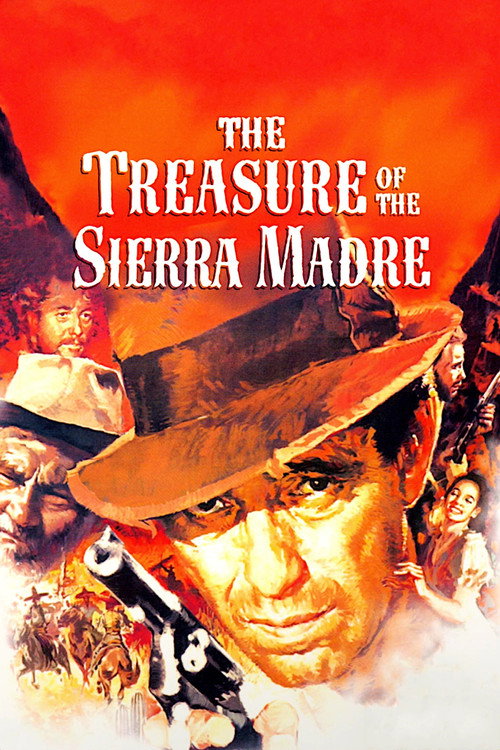
The Treasure of the Sierra Madre1948
Three men trying to make something together, but where Johnny Comes Flying Home trusts in cooperation, Sierra Madre reveals that cooperation collapses under pressure. It's the dark prophecy of what could happen if luck turned.
Three men hunt gold in Mexico after World War II. Greed corrodes their friendship; the jungle corrodes their sanity. Humphrey Bogart gives one of cinema's great performances as a man who starts decent and becomes monstrous.
But It's pessimistic in a way that feels almost offensive. If you believe in camaraderie and shared purpose, this film will mock you for it.
People
Cast
 Richard CraneJohnny Martin
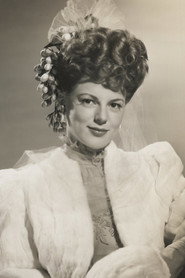 Faye MarloweSally Cary
 Martha StewartAnn Cummings
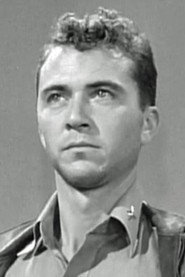 Charles RussellMiles Carey
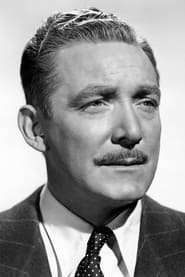 Roy RobertsJ.P. Hartley
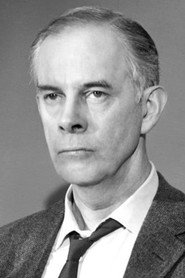 Harry MorganJoe Patillo
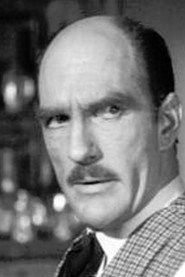 Charles TannenHarry
- Elaine LanganPeggy-Lou Robinson
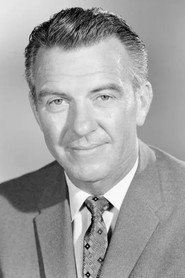 Hugh BeaumontEngineer (uncredited)
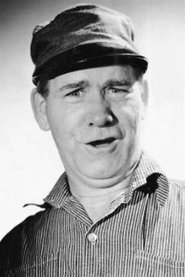 Tom DuganWatchman (uncredited)
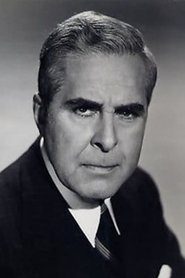 John HamiltonC.H. Metters (uncredited)
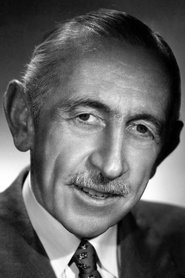 Will WrightForeman (uncredited)
Directing
- Benjamin StoloffDirector
Writing
- George BrickerScreenplay
- Jack AndrewsScreenplay
- George BrickerStory
Production
- Frances C. RichardsonResearcher