
Film
Command Decision
A tense examination of command under impossible pressure. High-ranking officers grapple with whether to launch a bombing campaign that will cost thousands of lives but might cripple Nazi jet production. It's a thinking person's war film—less about heroism than the moral mathematics of sending men to die. For viewers who prize substantive drama over spectacle.
Should you watch it?
Watch it if you like war stories that are really about the men deciding who pays the price, with the talk in the briefing room doing more damage than the bombs, and you're happy with a stage-bound, dialogue-heavy 1940s picture.
Skip it if you want the battle itself on screen; much of the film stays in offices and debriefings, and its moral arguments are spelled out at length rather than felt through action.
What it asks of you: Settle in for a talky, unhurried 112 minutes with few explosions and plenty of argument, where patience with long conversations pays off more than any rush of spectacle.
Not sure? Find tonight's pick in a minute.
If you liked this
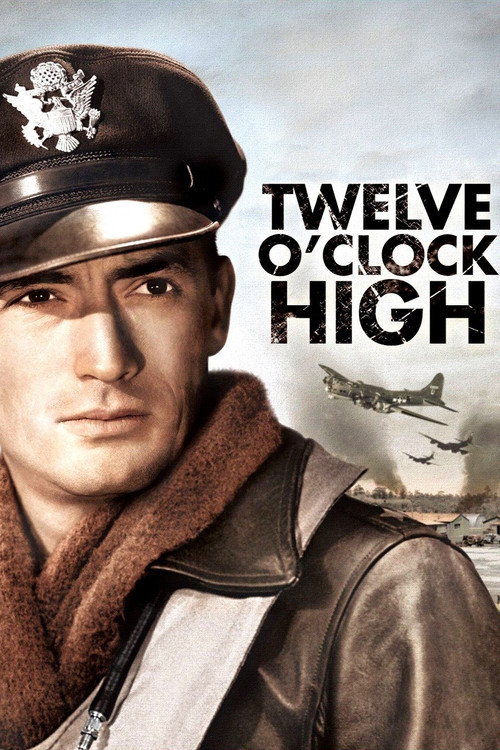
Twelve O'Clock High1949
Gregory Peck leads a bomber squadron facing crushing losses and command decisions that destroy men psychologically as much as physically. Shares Command Decision's unflinching look at the human cost of strategic necessity.
But Peck's breakdown scene feels theatrical by modern standards, and the pacing can drag during ground sequences.
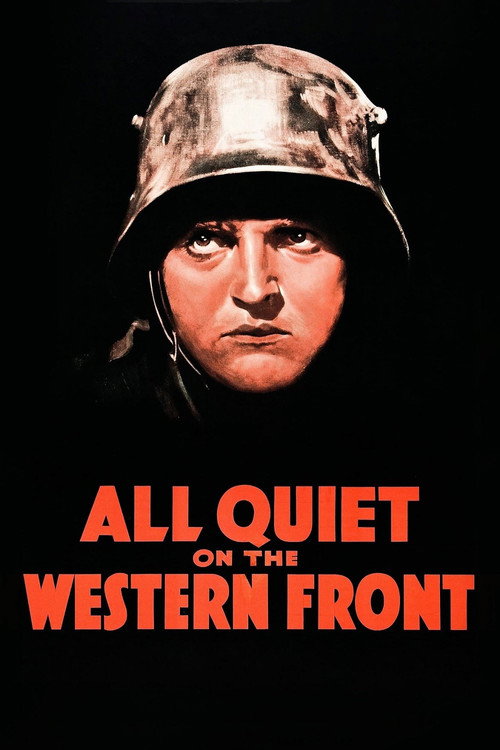
All Quiet on the Western Front1930
The original and still the most devastating portrait of war's waste. Shows soldiers as fodder processed by a system they don't control—the same moral spine as Command Decision, just from the enlisted view.
But Pre-Code and deliberately bleak. No comfort offered, no heroic payoff. The battle scenes, though pioneering, lack modern cinema's visceral power.
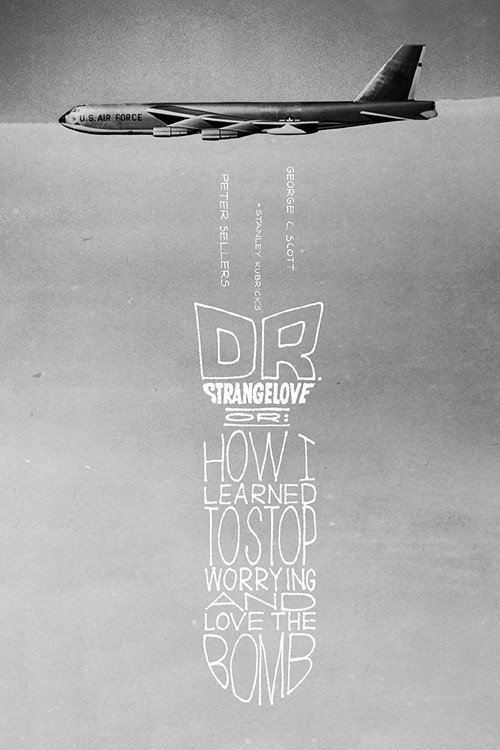
Dr. Strangelove or: How I Learned to Stop Worrying and Love the Bomb1964
A savage comedy about command decisions and military logic taken to their apocalyptic conclusion. Kubrick weaponizes the same dilemma as Command Decision—duty versus conscience—and finds the horror in it.
But Its satire is so dark it borders on flippant. If you want seriousness without jokes, this will feel like it's mocking the weight of its own subject.
Not sure tonight? Get a pick in a minute, starting from Command Decision
The wildcard
Something you would not have found on your own.
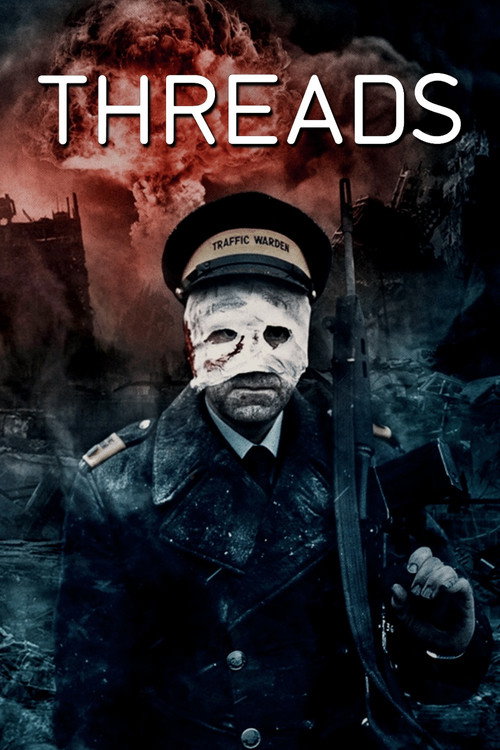
Threads1984
Both films treat catastrophic command decisions with absolute seriousness and without the mercy of a redemptive narrative. Neither allows the audience emotional escape.
A nuclear war documentary-drama hybrid that traces the unthinkable aftermath of a command decision to deploy weapons. Where Command Decision asks 'should we send bombers?', Threads asks 'what does civilization actually look like after we say yes?'
But Genuinely traumatizing. Not tragic or moving—bleakly procedural about extinction. Watches like a public information film about the end of the world. Leaves many viewers unable to shake it.
More like this (8)
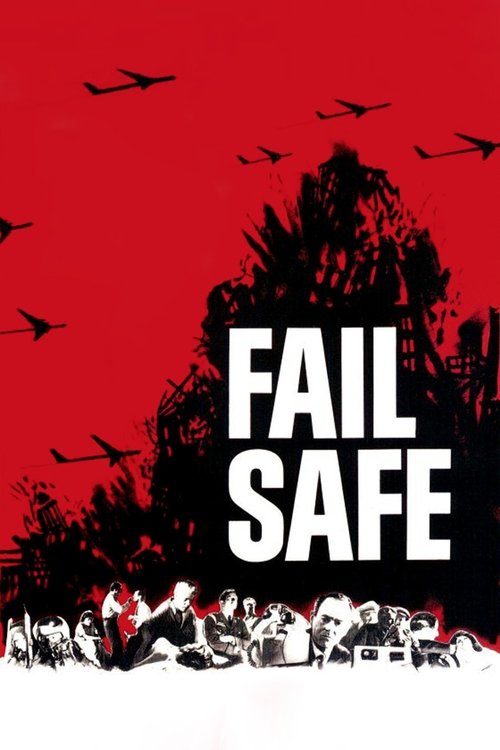
Fail Safe1964
Sidney Lumet's white-knuckle thriller about a nuclear war triggered by accident. Like Command Decision, it treats military hierarchy and impossible orders with absolute gravity, but cranks the stakes to apocalypse.
But Shot in black-and-white on a constrained budget. Long scenes of men in rooms talking, with minimal action. The ending, while powerful, offers no catharsis.
The Best Years of Our Lives1946
Explores what happens after the command decisions are made. Three servicemen return home and find the moral clarity of warfare shattered by civilian life. A companion piece to the strategic thinking in Command Decision.
But Nearly four hours, and the romance subplot slows momentum. Its optimism about postwar America feels quaint and sometimes saccharine.

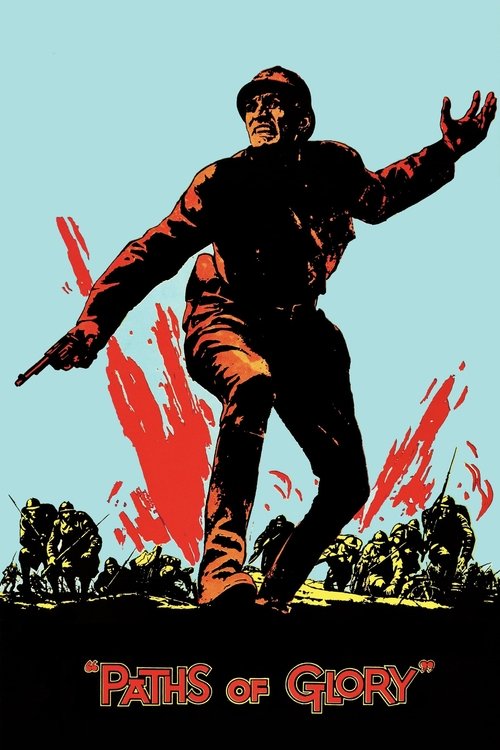
Paths of Glory1957
Kubrick's first masterpiece: a court-martial over orders that sent soldiers to suicidal assault. Command Decision's moral questions sharpened to a razor—command becomes indistinguishable from murder.
But The final scene's sentimentality contradicts the bleak logic that precedes it. Some find the tonal shift jarring rather than moving.
The Third Man1949
Not a war film, but an occupied-city thriller where every decision has weight and consequence. The same atmosphere of hierarchy, betrayal, and compromised choices that Command Decision examines through military brass.
But Deliberately paced for mood over plot momentum. The zither score is distracting until it isn't. Requires patience.

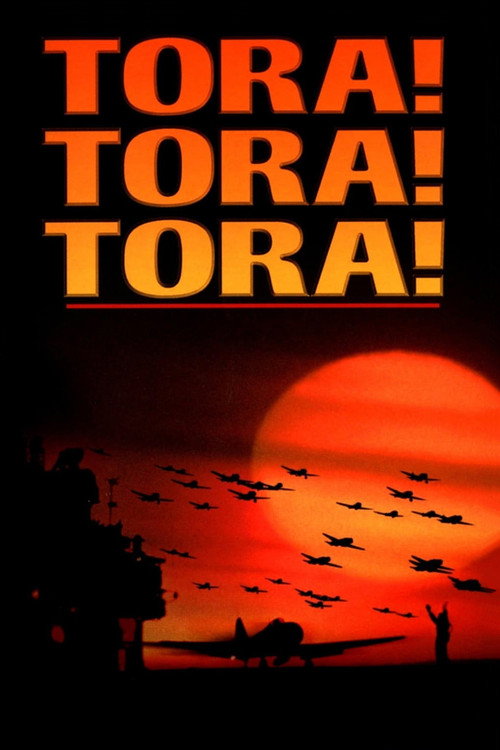
Tora! Tora! Tora!1970
A procedural look at Pearl Harbor from both American and Japanese command perspectives. Like Command Decision, it respects the complexity of high-stakes decisions and shows how identical choices look different depending on your chair.
But Over two hours of setup for an hour of action. The dual-perspective structure can feel repetitive. Dated special effects undermine the spectacle.
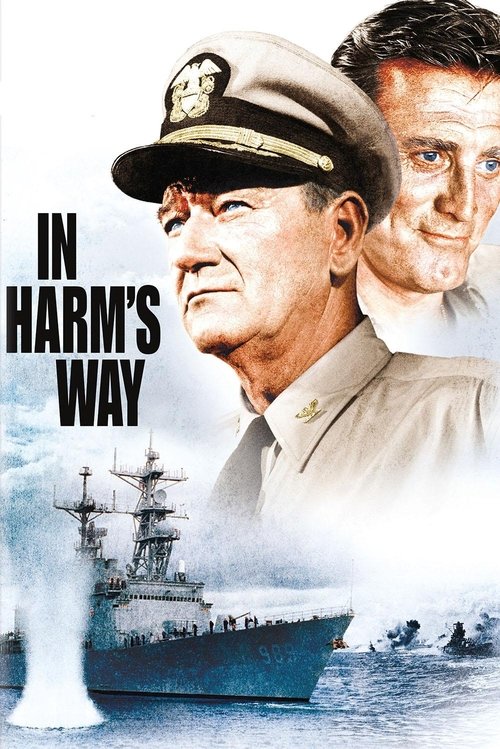
In Harm's Way1965
Otto Preminger's sprawling naval drama follows a commander navigating political pressure, tactical necessity, and personal survival. Similar moral ambiguity and command dilemmas, though with less focus and more melodrama.
But Bloated and uneven. The subplots involving romance and personal trauma dilute the strategic tension that makes the command material worthwhile.
Come and See1985
Command Decision shows war as a problem to be solved by logic; Come and See shows that logic applied to human beings. Together they form a complete picture of the abyss.
A Soviet war film that follows a young partisan and shows the full moral and human consequence of military decisions made far from the front. The inverse of Command Decision's boardroom perspective—what those orders look like at ground level.
But One of cinema's most harrowing films. The violence is contextualized, not sanitized. Not entertainment, not cathartic. Demands patience and emotional strength.

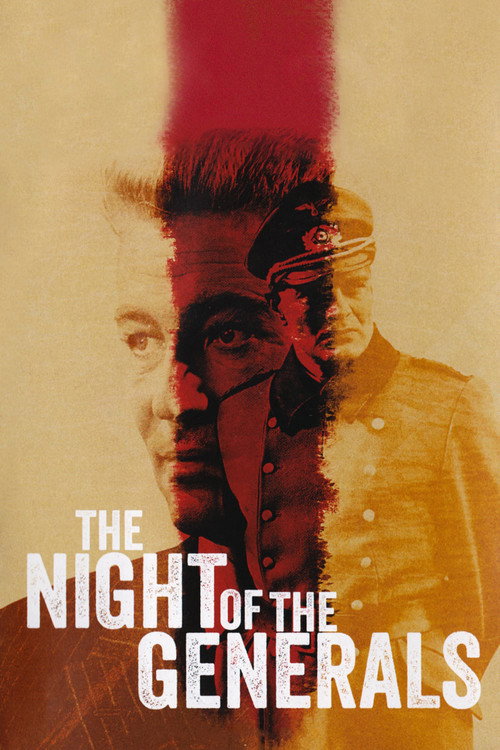
The Night of the Generals1967
Both films suggest that command—the authority to decide who lives and dies—corrupts in ways beyond simple tactics. The generals in Command Decision are honorable men; The Night of the Generals asks whether honor survives the role.
A German murder mystery during WWII where three Nazi generals are suspects in a serial killing. Uses the detective-story structure to examine command, complicity, and the moral corruption of the regime. A wildly different way to interrogate the same questions.
But Obscure and poorly structured. The mystery plot doesn't resolve satisfyingly. Tense without building toward clarity. Feels like it was trimmed by studio hands.
People
Cast
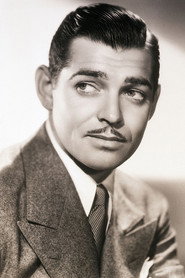 Clark GableBrigadier General K.C. 'Casey' Dennis
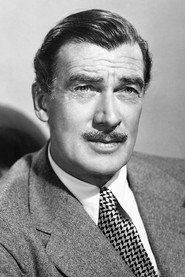 Walter PidgeonMajor General Roland Goodlow Kane
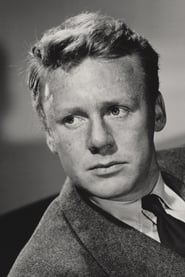 Van JohnsonTechnical Sergeant Immanuel T. Evans
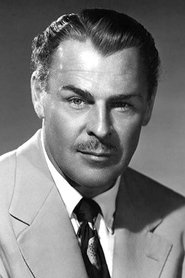 Brian DonlevyBrigadier General Clifton I. Garnet
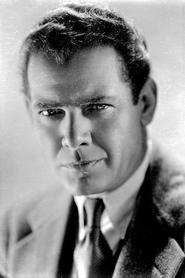 Charles BickfordElmer Brockhurst
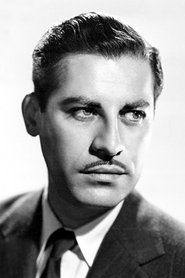 John HodiakCol. Edward Rayton Martin
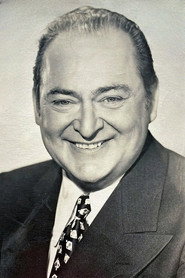 Edward ArnoldCongressman Arthur Malcolm
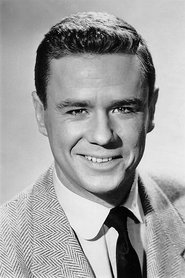 Marshall ThompsonCapt. George Washington Bellpepper Lee
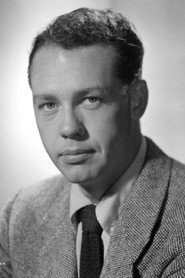 Richard QuineMaj. George Rockton
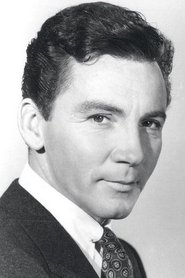 Cameron MitchellLt. Ansel Goldberg
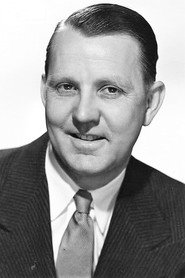 Clinton SundbergMaj. Homer V. Prescott
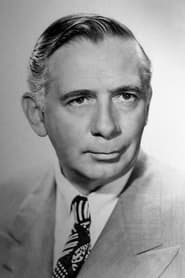 Ray CollinsMaj. Desmond Lansing
Directing
- Sid SidmanAssistant Director
- Sam WoodDirector
Writing
- George FroeschelScreenplay
- William R. LaidlawScreenplay
- William Wister HainesTheatre Play
Production
- Gottfried ReinhardtAssociate Producer
- Sidney FranklinProducer
- Al ShenbergProduction Manager
Recommended by
Twelve O'Clock High, Fighter Squadron, Captains of the Clouds