
Film
Patton
Patton is a character study disguised as a war epic — three hours built almost entirely around George C. Scott's towering, theatrical performance as a brilliant, vainglorious general who treats war as his one true home. It's grand, quotable, unfashionably confident in its own scale, and more interested in ego than tactics. For anyone who likes their history loud and their men complicated.
Should you watch it?
Watch it if you love a big, talky biography built around a single magnetic and infuriating man, where the drama lives in arguments, vanity and showmanship rather than in battle sequences alone.
Skip it if you want a steady stream of combat and a clear hero to root for, since the film keeps its title character prickly, self-dramatising and hard to warm to for nearly three hours.
What it asks of you: Settle in for a long, deliberate film of just under three hours, with stretches of quiet dialogue and staging that rewards patience more than constant forward momentum.
Not sure? Find tonight's pick in a minute.
If you liked this
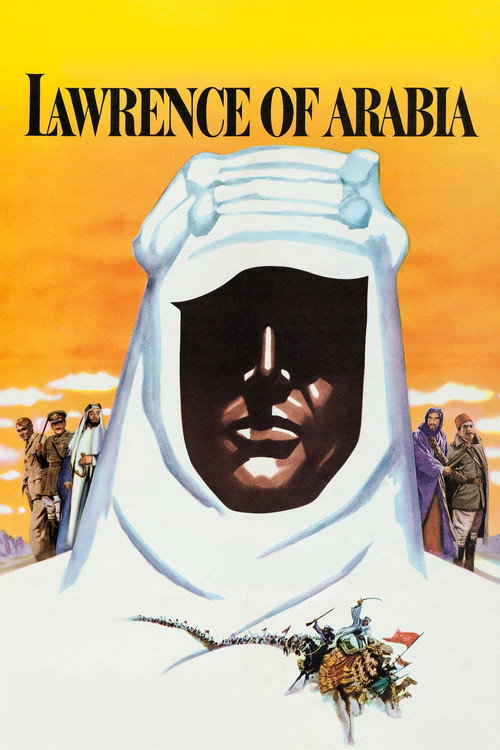
Lawrence of Arabia1962
David Lean's epic about another brilliant, self-mythologising military man undone by his own legend — the same scale, same fascination with ego and command, same widescreen appetite for spectacle.
But It's even longer than Patton, and slower — patience for its silences and sand is required.
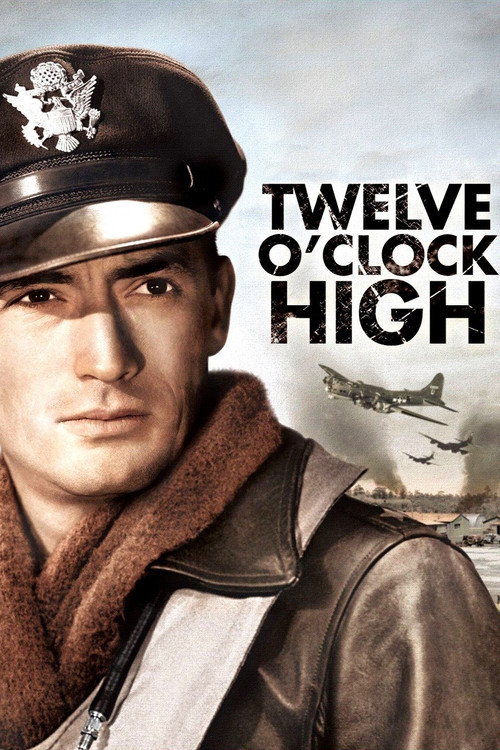
Twelve O'Clock High1949
A tighter, earlier study of command under pressure — the psychological toll leadership takes on the men who wield it, filmed with none of Patton's showmanship or scale.
But Black-and-white, stagier, and quietly procedural — it offers none of Patton's colour, wit, or larger-than-life spectacle.
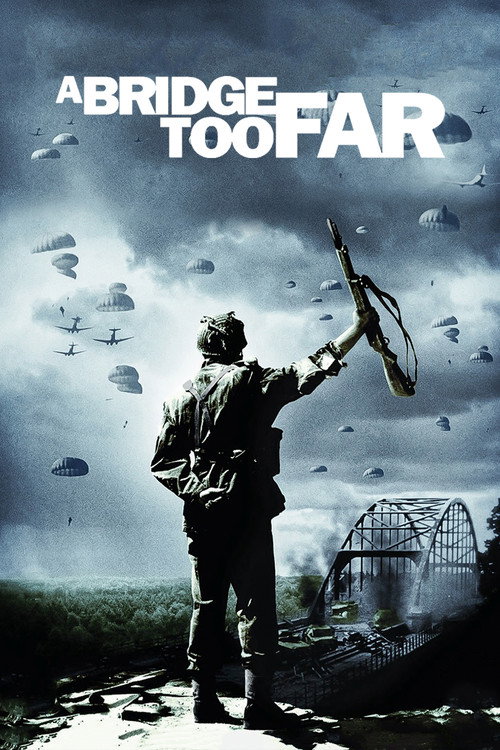
A Bridge Too Far1977
A starry, sprawling WWII epic about an operation gone wrong — the same appetite for grand scale and the same fascination with command decisions made under impossible, ticking-clock pressure.
But Ensemble cast spreads the focus thin across a dozen storylines — no single towering performance to anchor the whole thing.
Not sure tonight? Get a pick in a minute, starting from Patton
The wildcard
Something you would not have found on your own.
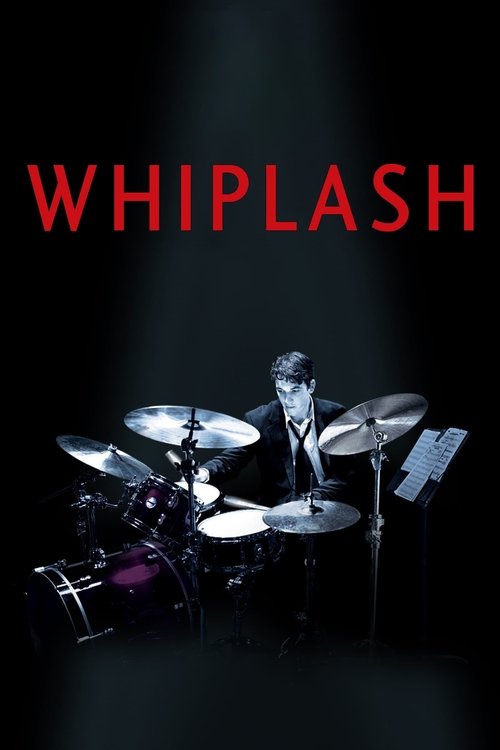
Whiplash2014
Both films are portraits of brilliant, abusive perfectionists who mistake terror for leadership and self-mythology for greatness — swap the battlefield for a bandstand and Patton becomes Fletcher.
A ferocious character study of a tyrant who believes cruelty is the price of greatness — the same engine as Patton's officer's mess, relocated to a jazz classroom and a drum kit.
But No tanks, no history, and its intensity is claustrophobic rather than epic — a very different kind of loud.
More like this (8)
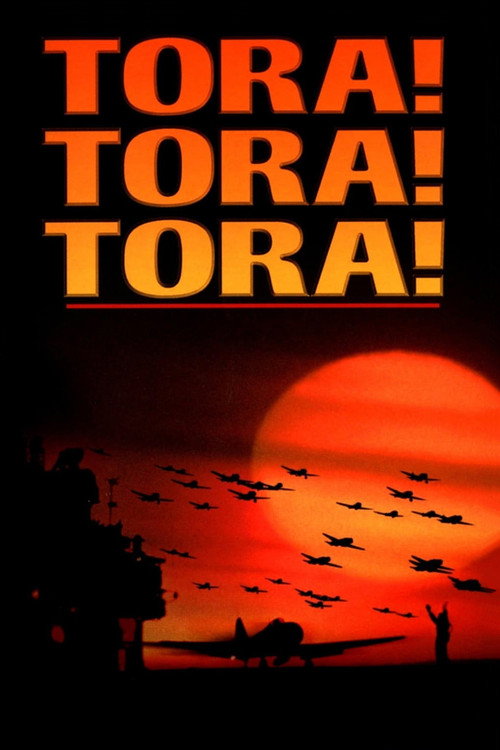
Tora! Tora! Tora!1970
Released the same year as Patton, this is its cool, procedural mirror image, tracing command failures on both the American and Japanese sides that led inexorably to catastrophe.
But Deliberately dry and dual-perspective, with no charismatic lead like Scott's Patton to carry you through the runtime.
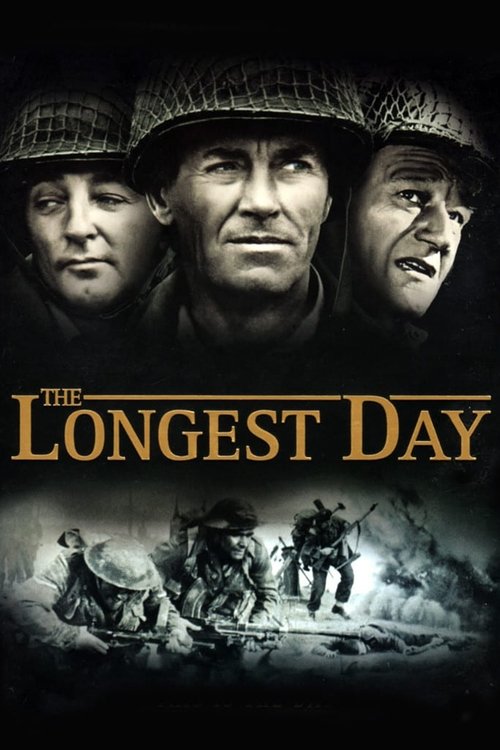
The Longest Day1962
The all-star, multi-perspective D-Day epic that shares Patton's confidence in enormous scale, and its era's certainty that history deserves the biggest possible canvas and cast.
But Episodic and crowded with famous faces cameoing briefly, rather than one commanding performance to hold onto.
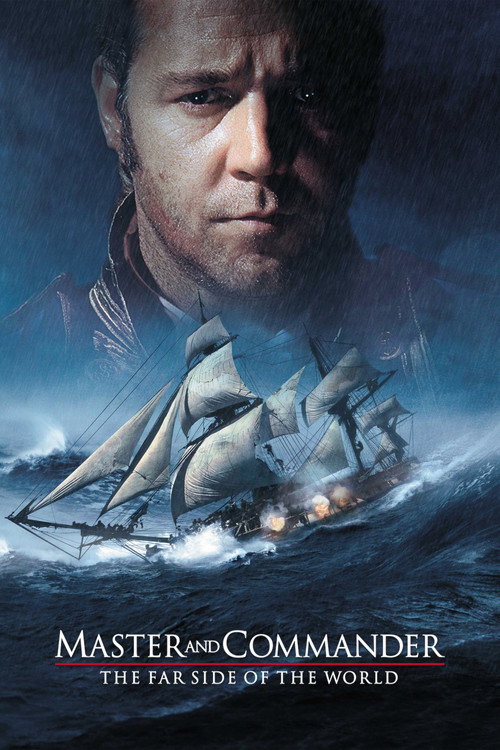
Master and Commander: The Far Side of the World2003
A different war, a different century, but the same fascination with a commander's isolation, discipline, and the strange intimacy of leading men into battle at sea.
But Naval warfare and period detail take precedence over character psychology, if psychology is what you came for.
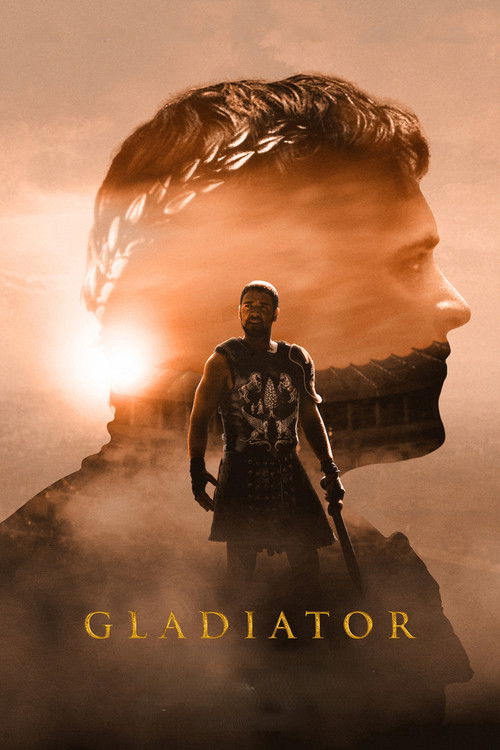
Gladiator2000
Trades history for myth but keeps the same pleasure — a soldier defined entirely by war, magnetic and larger than life, filling nearly every frame he's in.
But Fiction dressed as history, with none of Patton's grounding in real events or documentary weight.
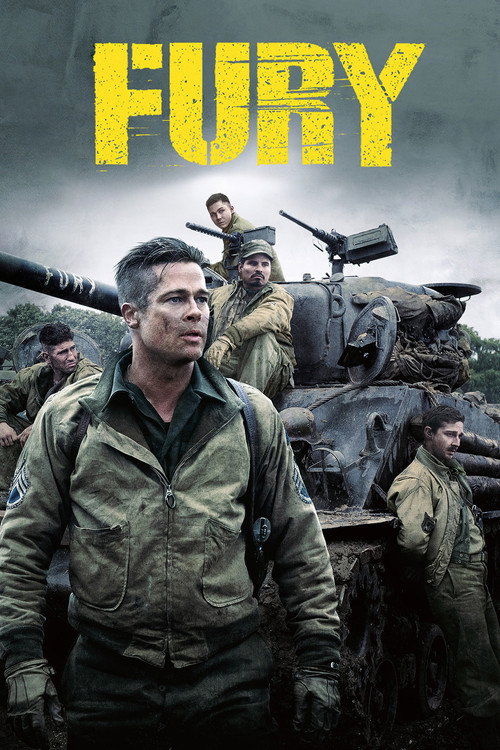
Fury2014
Puts you inside the tanks Patton commanded from a comfortable distance — the same war, but ground-level, brutal and claustrophobic where Patton stays panoramic and grand.
But Grim and relentlessly visceral rather than grand, with little of the wit or command-room drama Patton offers.
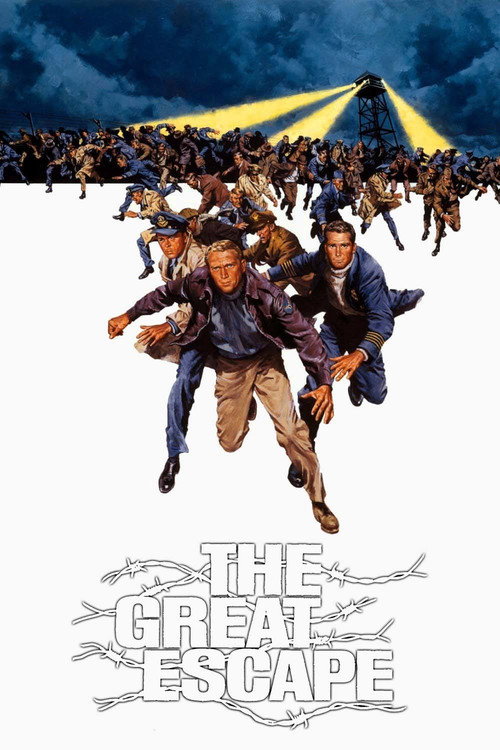
The Great Escape1963
Lighter, starrier, and far more purely entertaining — WWII reimagined as adventure rather than character study, for when you want the era without the weight of it.
But Almost no interest in command or ego; it's a caper of camaraderie, not a psychological portrait.
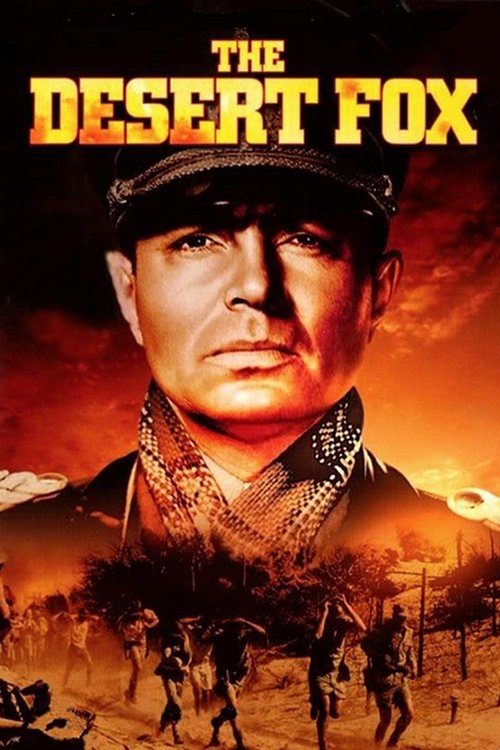
The Desert Fox: The Story of Rommel1951
Patton mythologises its own general from a comfortable distance from the enemy; this earlier film does the same for the man Patton actually fought in the desert — same war, same admiration for a flawed military genius, from the other side of the line.
A sympathetic Hollywood portrait of Rommel — Patton's real opposite number in North Africa — made just six years after the war, when humanising a German general was still genuinely startling.
But Its sympathy for a Nazi-era general will sit uneasily with some viewers, and its politics are of their moment, not ours.
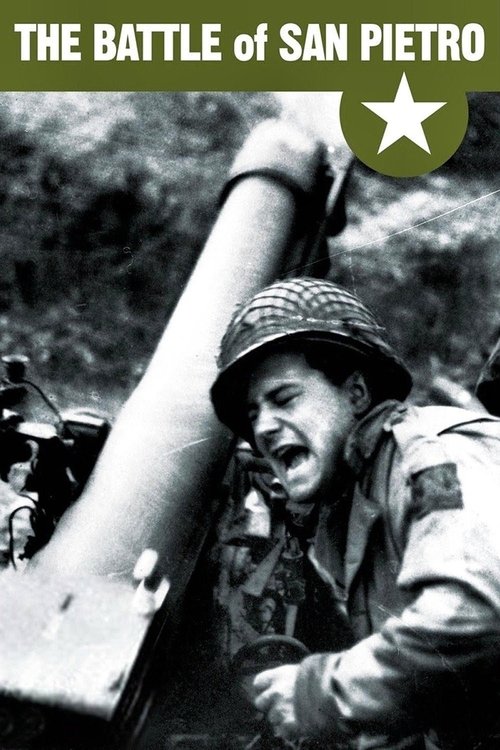
The Battle of San Pietro1945
Where Patton stays at the level of generals and grand strategy, Huston's documentary — filmed during the actual battle and initially suppressed by the Army for being too honest — shows the infantry paying for those strategies, foxhole by foxhole.
A 32-minute wartime documentary shot amid actual combat, showing the ground-level cost of decisions men like Patton made from maps and jeeps — raw, unglamorous, and startlingly modern in its scepticism.
But It's short, grainy, and offers none of Patton's sweep or spectacle — a hard, quiet corrective rather than entertainment.
People
Cast
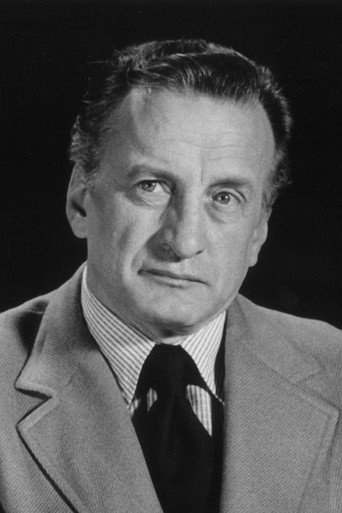 George C. ScottGeneral George S. Patton Jr.
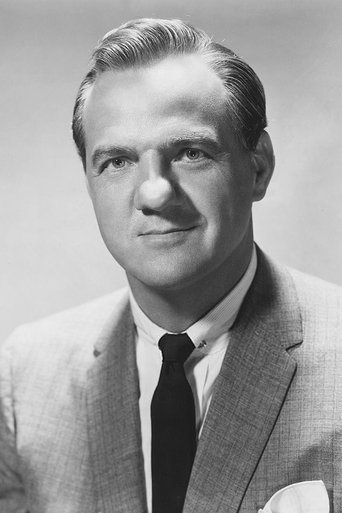 Karl MaldenGeneral Omar N. Bradley
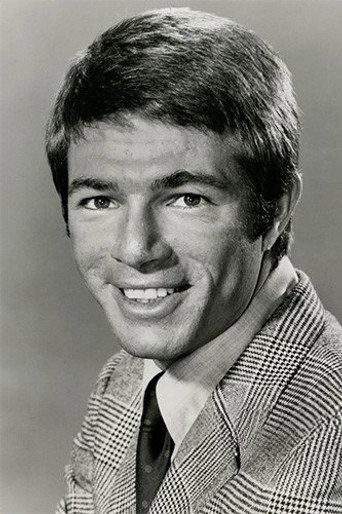 Stephen YoungCaptain Chester B. Hansen
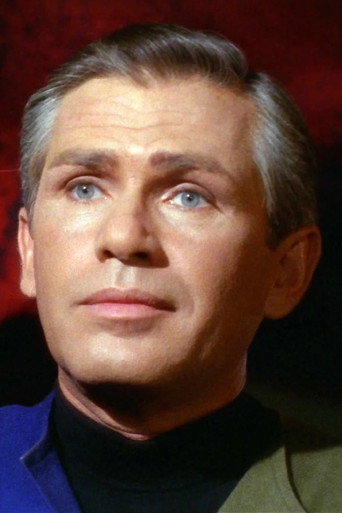 Michael StrongBrigadier General Hobart Carver
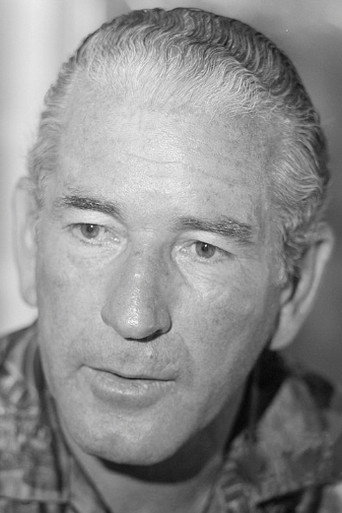 Carey LoftinGeneral Bradley's Driver
- Albert DumortierMoroccan Minister
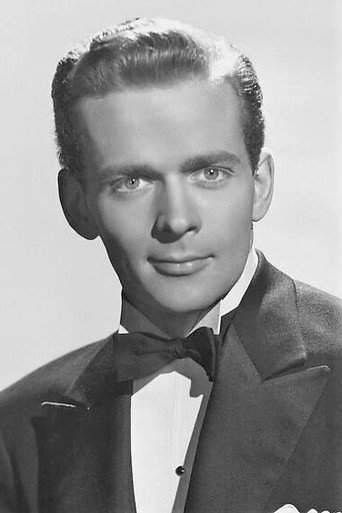 Frank LatimoreLieutenant Colonel Henry Davenport
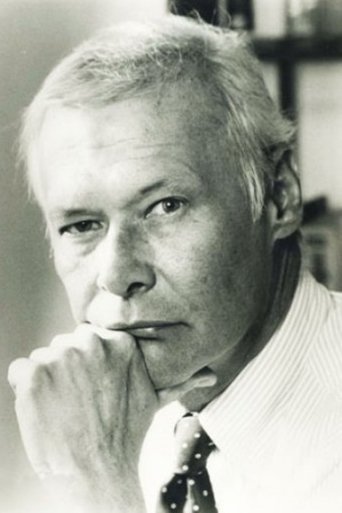 Morgan PaullCaptain Richard N. Jenson
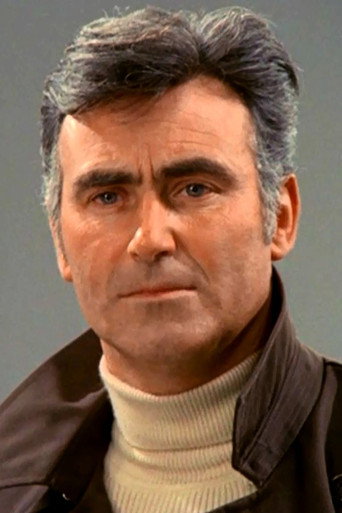 Karl Michael VoglerField Marshal Erwin Rommel
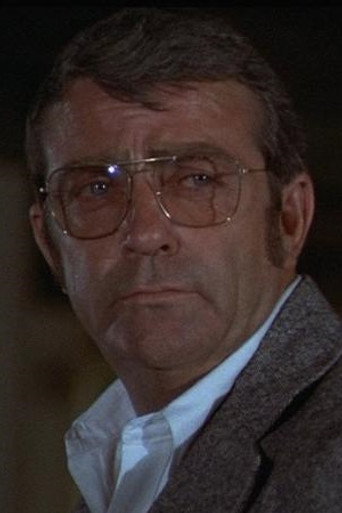 Bill HickmanGeneral Patton's Driver
- Pat ZuricaFirst Lieutenant Alexander Stiller
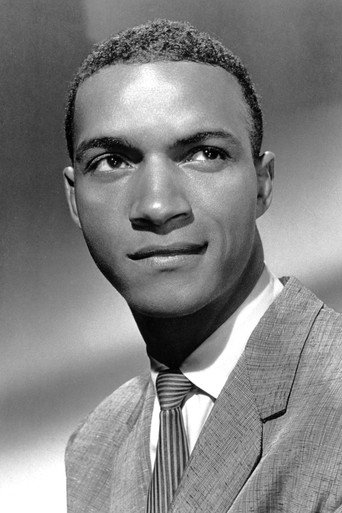 James EdwardsSergeant William George Meeks
Directing
- Brian BilgorriAssistant Director
- Eli DunnAssistant Director
- José López RoderoAssistant Director
- Franklin J. SchaffnerDirector
- Ray CorbettSecond Assistant Director
- Michael D. MooreSecond Unit Director
Writing
- Ladislas FaragoBook
- Omar N. BradleyBook
- Edmund H. NorthScreenplay
- Francis Ford CoppolaScreenplay
- Edmund H. NorthScreenstory
- Francis Ford CoppolaScreenstory
Production
- Frank CaffeyAssociate Producer
- Michael McLeanCasting
- Frank McCarthyProducer
- Ralph M. LeoProduction Accountant
- Richard D. ZanuckProduction Executive
- Francisco ArizaProduction Manager
- Eduardo García MarotoUnit Production Manager
- Francisco DayUnit Production Manager
- Tadeo VillalbaUnit Production Manager
Recommended by
The Bridge on the River Kwai, A Bridge Too Far, SAS: Rogue Warriors, In Harm's Way, Ike: Countdown to D-Day