
Film
Ike: Countdown to D-Day
A focused dramatization of the weeks leading up to D-Day, centering on Eisenhower's command decisions and the tension between Allied generals with clashing egos and strategies. Tom Selleck carries the weight of impossible choices, and the film prioritizes the human strain of leadership over spectacle. Solid for history buffs and anyone curious about how consensus forms under pressure.
If you liked this
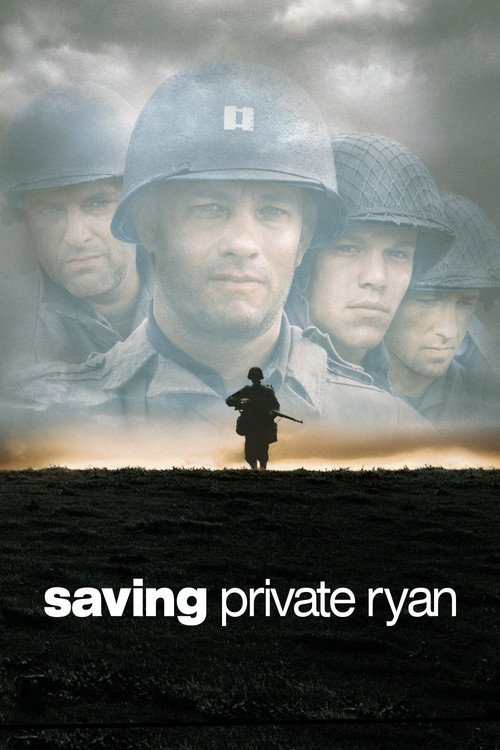
Saving Private Ryan1998
Spielberg's visceral depiction of the actual invasion gives the context you need to understand what Eisenhower was authorizing. The beach landing sequences are unforgettable and earned their legendary status.
But Three and a half hours, and the opening thirty minutes are relentlessly intense combat—not everyone wants to sit with that level of graphic violence.
Dunkirk2017
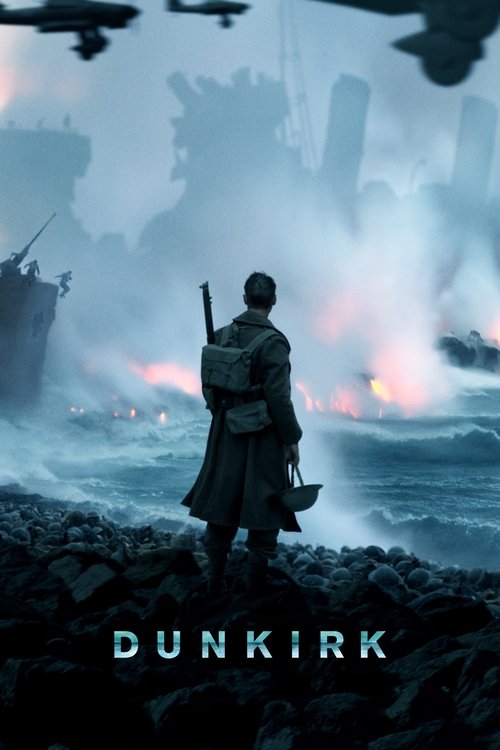
Nolan's approach to war as a geometric puzzle mirrors Ike's mindset perfectly. It's about logistics, timing, and impossible choices presented without sentiment, just consequence and mathematics.
But The fractured timeline can feel deliberately obscure, and if you're not engaged by the formal structure, the emotional beats may not land.
The Crown2016
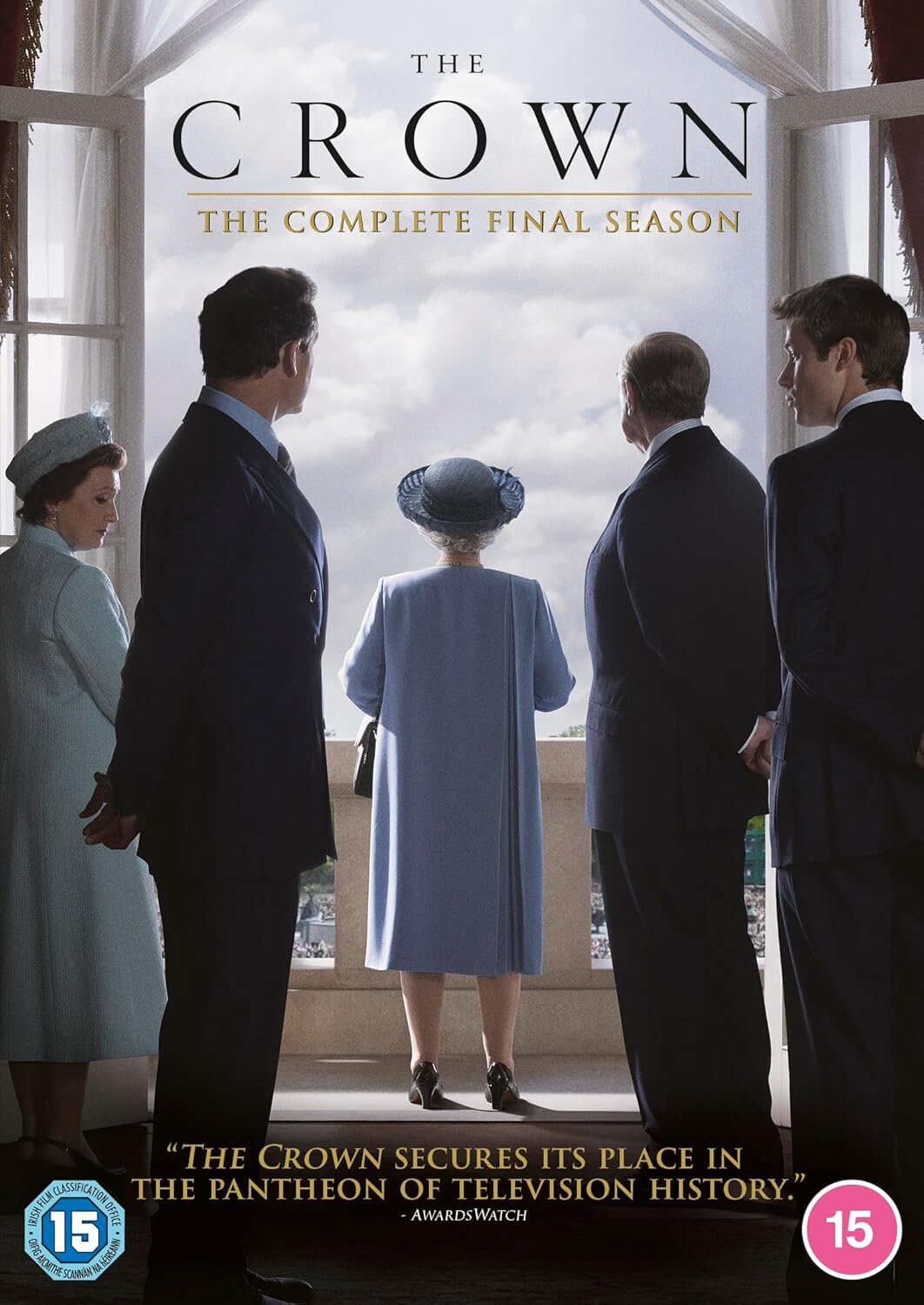
Season 2 includes scenes with Churchill and the early months of Elizabeth's reign that provide wartime context and personality. Peter Morgan's dialogue is sophisticated and the production is immaculate.
But You're watching an entire series for a handful of episodes. Commitment required, and some find the pacing stately rather than gripping.
Not sure tonight? Get a pick in a minute, starting from Ike: Countdown to D-Day
The wildcard
Something you would not have found on your own.
The Fog of War2003
Both ask the same question: how do you make a choice that will cost thousands of lives, knowing you might be wrong?
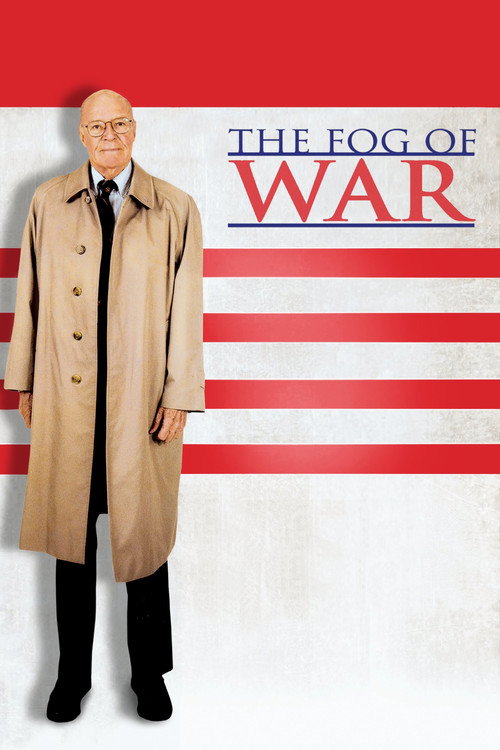
Errol Morris interviews Robert McNamara about decision-making during crisis, drawing explicit lines to D-Day and the philosophy of command. It's a documentary essay on the exact problem Eisenhower faced—what you know, what you guess, what you live with.
But Abstract and conversational, with no dramatization. If you want human faces and dialogue, this is a portrait of a mind, not a story.
More like this (7)
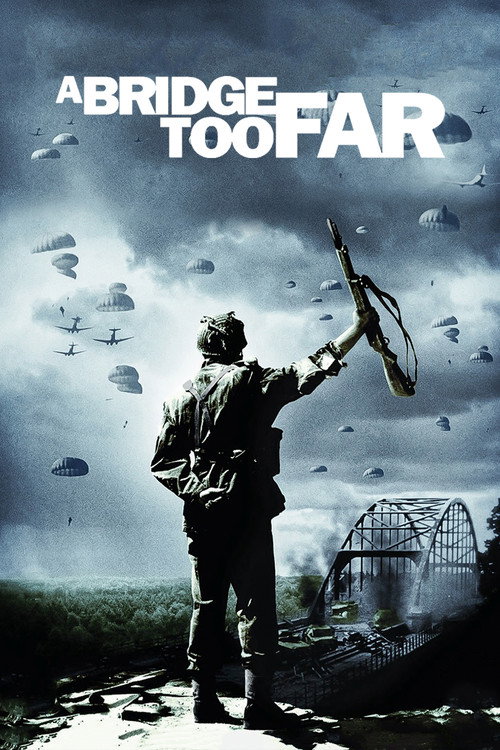
A Bridge Too Far1977
Another epic ensemble war drama with major military figures making strategic decisions under pressure. The scale is enormous, the cast is stellar, and it handles competing commanders' egos with intelligence.
But Nearly three hours, and the sheer number of characters means some don't get enough definition. The pacing can drag if you're not invested in every subplot.
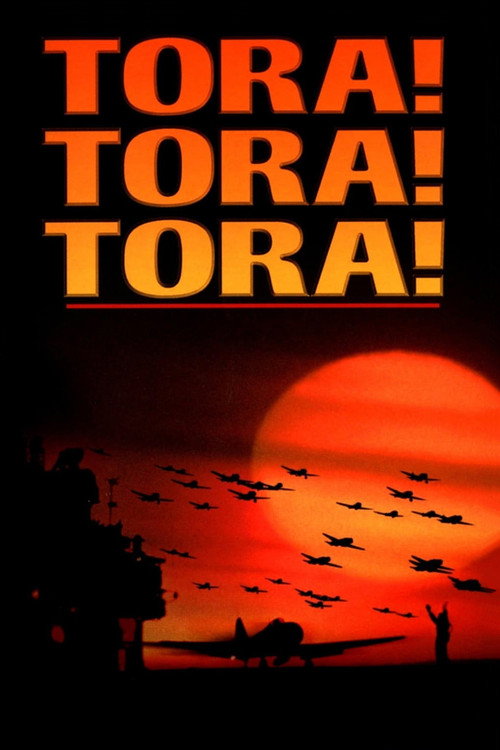
Tora! Tora! Tora!1970
Shows both sides preparing for Pearl Harbor with the same focus on command-level decision-making and miscommunication. It's a mirror image: American generals wargaming a battle they can't imagine will happen.
But The technical detail and restrained emotional register feel dated. Some will find it slow; others will love that precision.
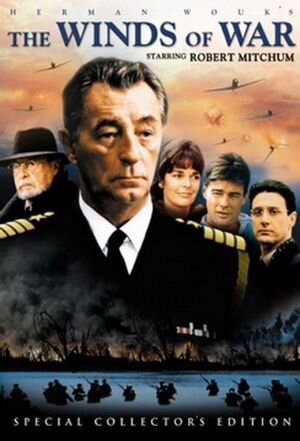
Herman Wouk's The Winds of War1983
A sweeping miniseries that captures the political and military atmosphere of the pre-D-Day period. It's melodrama with substance, and the scale gives you the full weight of what's at stake.
But Eighties TV production values, and the personal drama subplot may feel like it's pulling focus from the history you came for.
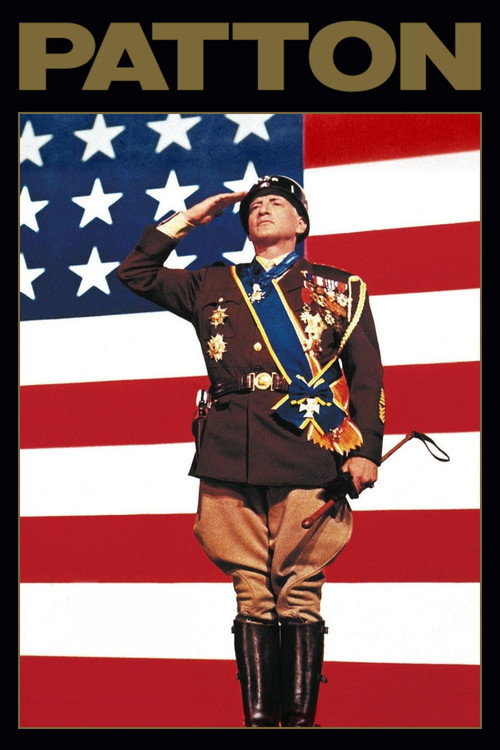
Patton1970
George C. Scott's Patton is the template for how to play a brilliant, difficult general. You see the exact clash of personality and vision that Ike had to manage.
But It's very much a product of its era, and Scott's performance, though tremendous, can feel hammy by modern standards. The pacing is leisurely.
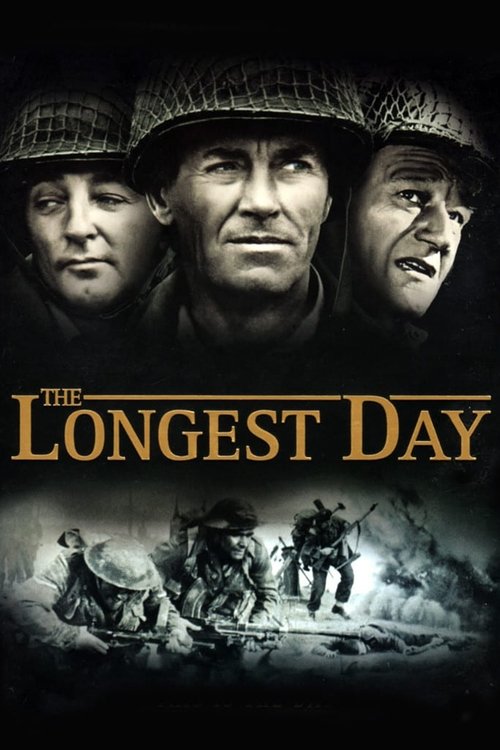
The Longest Day1962
The classical approach: an enormous ensemble cast showing D-Day from every angle—military, civilian, strategic, personal. If you want scale and detail, this is encyclopedic.
But Over three hours in black and white with no CGI. The battle scenes are static by modern standards, and the sprawl means some characters barely register.
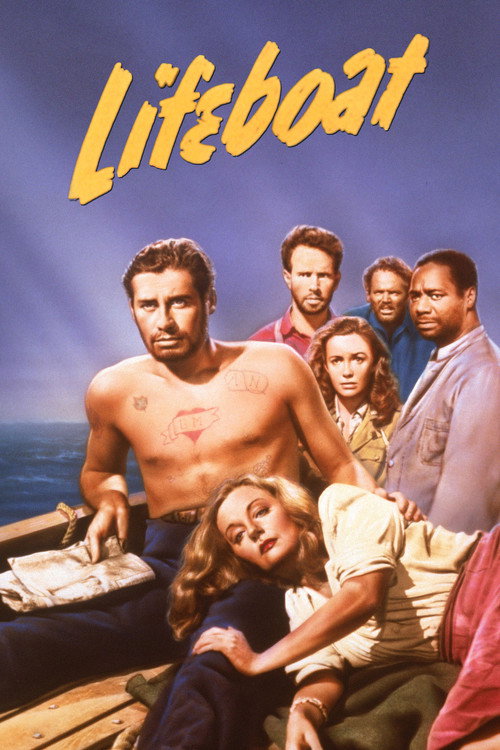
Lifeboat1944
Hitchcock's wartime experiment: seven people in a boat, one of them possibly German. It's a claustrophobic chamber drama about trust, leadership, and the decisions made under extremity.
But The allegory can feel heavy-handed, and the moral argument isn't resolved neatly. Some find it more interesting as concept than as entertainment.
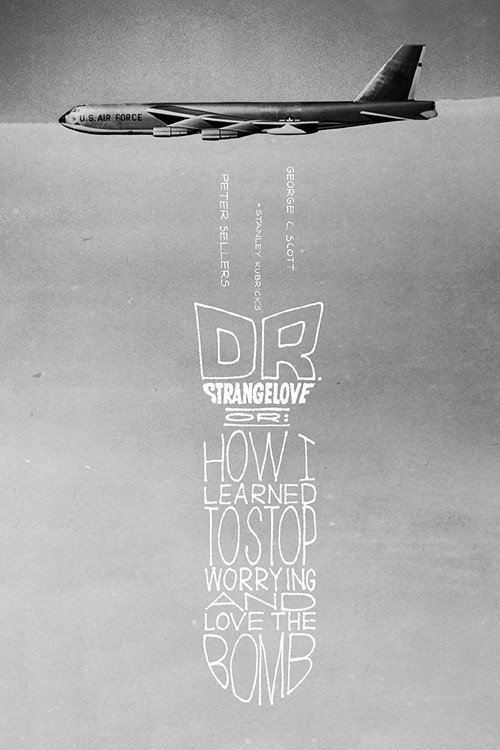
Dr. Strangelove or: How I Learned to Stop Worrying and Love the Bomb1964
Both ask: what happens when the people in the room are reasonable but the system is not? Ike tries to manage it; Dr. Strangelove says management is impossible.
Kubrick's dark comedy about military command during nuclear crisis—the exact opposite register from Ike, but the same machinery. Selleck plays duty and responsibility; Sellers plays the system that makes duty absurd.
But A satire that treats apocalypse as farce. If you came for history, this is philosophy dressed as comedy, and it might feel like it's mocking what you take seriously.
People
Cast
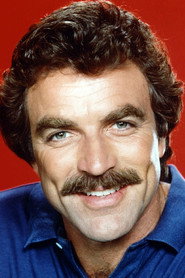 Tom SelleckGeneral Dwight D. Eisenhower
 James RemarGeneral Omar Bradley
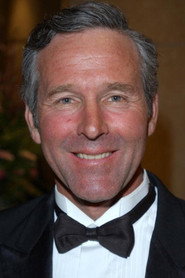 Timothy BottomsWalter Bedell 'Beetle' Smith
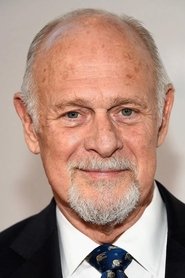 Gerald McRaneyLieutenant General George S. Patton
 Ian MuneWinston Churchill
 Bruce PhillipsGeneral Bernard Montgomery
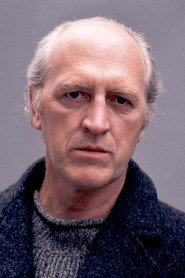 John BachAir Marshal Leigh-Mallory
 Nick BlakeAir Chef Marshall Tedder
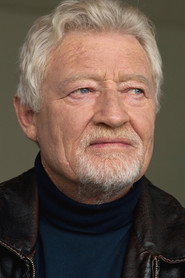 Kevin J. WilsonRAdm. Bert Ramsay
 Christopher James BakerGroup Capt. Maj. James Stagg
 David MackieProjector Sergeant
- Carole SeayQueen Elizabeth
Directing
- Robert HarmonDirector
Writing
- Lionel ChetwyndWriter