
Film
Stand by for Action
A 1942 naval comedy-drama about a privileged Harvard-educated lieutenant learning real seamanship from grizzled Navy veterans. It's the kind of wartime morale-booster that mixes action, banter, and class friction—a fish-out-of-water story that uses the Navy as both backdrop and mirror. For anyone curious about how Hollywood sold the war effort, or who enjoys ensemble casts sparring with charm.
If you liked this
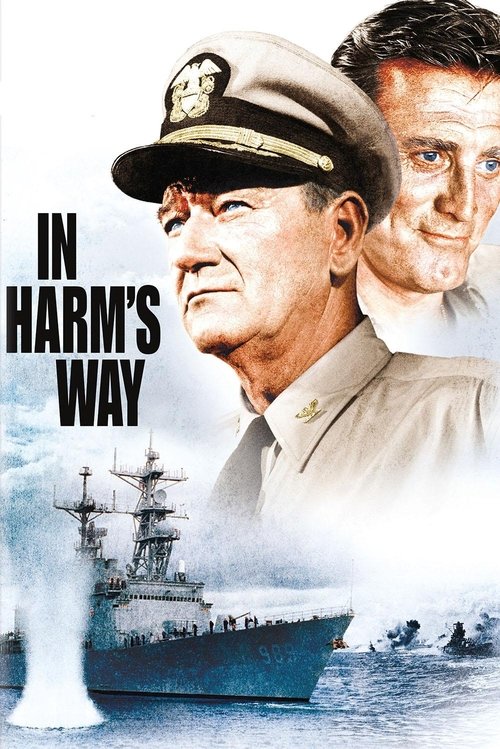
In Harm's Way1965
John Wayne leads an ensemble cast through naval strategy and personal tragedy in the wake of Pearl Harbor. It has the same mix of duty, camaraderie, and class dynamics, but treats the material with epic scope and genuine darkness.
But It's over three hours long and deliberately paced in the old-Hollywood style—patience required, and the gender politics are dated even for 1965.
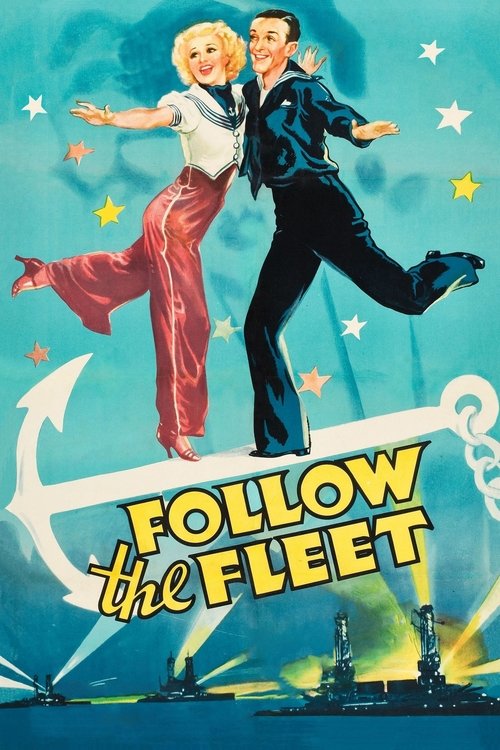
Follow the Fleet1936
Fred Astaire and Ginger Rogers in a Navy musical-comedy that predates your film. It has the same genial ensemble spirit and the same pleasure in watching officers and enlisted men navigate both romance and duty.
But It's a musical, and if you're not in the mood for extended dance numbers, the plot can feel thin between them.
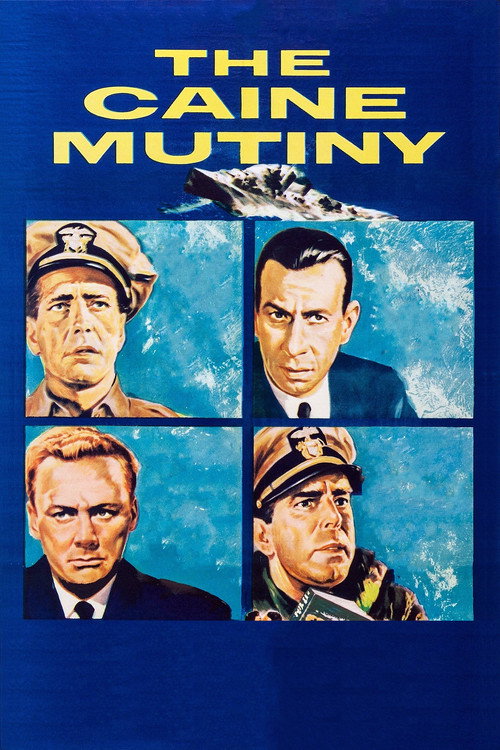
The Caine Mutiny1954
Humphrey Bogart and José Ferrer clash aboard a minesweeper in this court-martial drama. It takes the naval ensemble and officer-conflict premise much darker and more morally complex.
But The courtroom sections drag, and the final act softens the moral ambiguity in ways some find dishonest.
Not sure tonight? Get a pick in a minute, starting from Stand by for Action
The wildcard
Something you would not have found on your own.
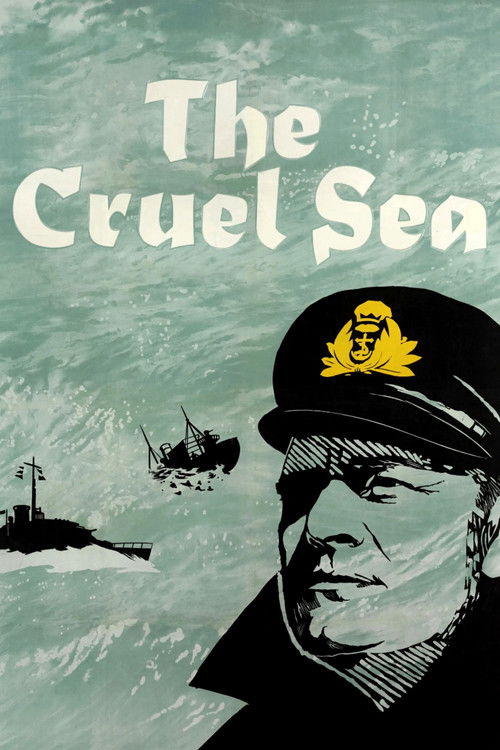
The Cruel Sea1953
Both films use the Navy and masculine hierarchies as a setting for examining how men change under pressure, but this one asks what that change costs.
A British naval film about the Atlantic convoy war—it starts as your film's tonal cousin but grows into something haunted and devastating. Jack Hawkins plays the captain with the same worn authority as Laughton, but the human cost becomes undeniable.
But It's slow, bleak, and emotionally draining. The first half seems cozy before the war intrudes with real violence and loss.
More like this (7)
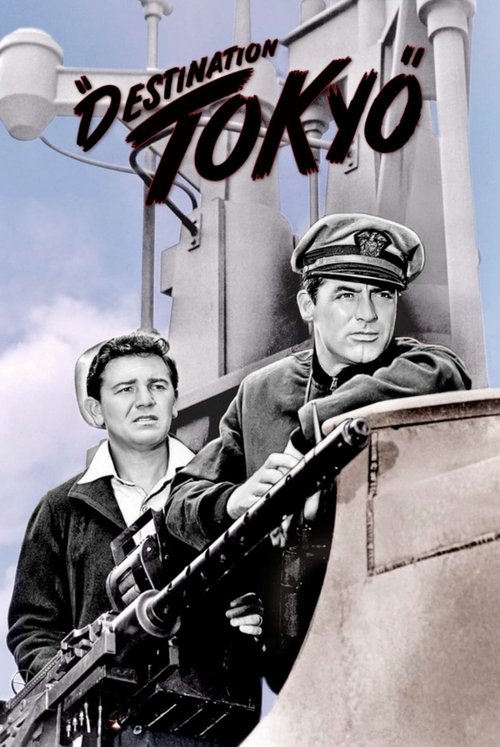
Destination Tokyo1943
Cary Grant commands a submarine crew in this tight, intelligent war picture. It has the same period authenticity and camaraderie you'll find in Stand by for Action, but with genuine jeopardy.
But It's earnest rather than comic, and if you want the lighter touch of your starting film, the gear-shift in tone might feel jarring.
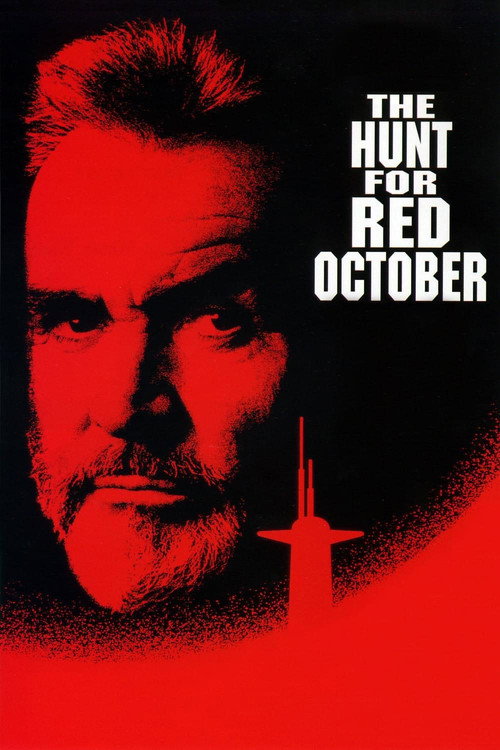
The Hunt for Red October1990
A submarine thriller with an ensemble cast and the same tension between officers of different nationalities and worldviews. The procedural detail and class friction echo the earlier naval tradition.
But It's slick 1990s filmmaking rather than 1940s character study—the sensibility is utterly different, and it's much more plot-driven than people-focused.
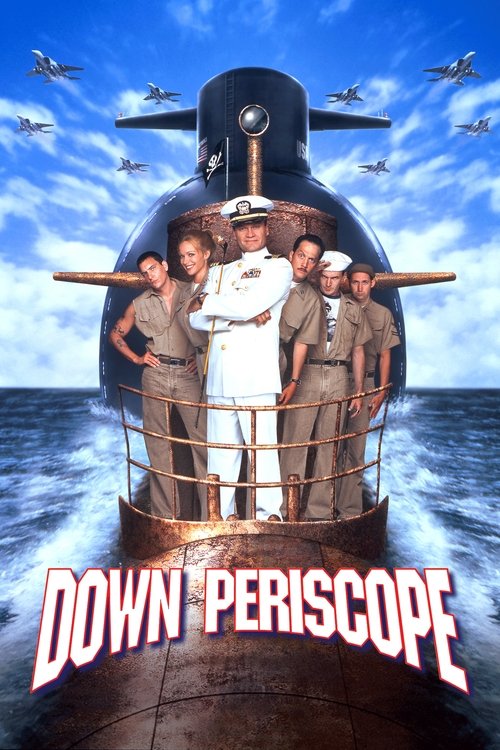
Down Periscope1996
A submarine comedy with an underdog crew learning to work together. It's deliberately light and funny in a way that recalls the comedic thrust of Stand by for Action without pretending to be serious.
But It's broad and occasionally silly, and if you want the sophistication of the earlier films, this will feel like it's winking too hard.
The Philadelphia Story1940
Another 1940s ensemble picture about class, privilege, and learning to see straight. Cary Grant and James Stewart navigate around Katharine Hepburn's Main Line aristocrat with the same grace and wit your film aims for.
But It's a romantic comedy, not a war picture, so the thematic echoes might feel too indirect if you're looking for ships and Navy business.

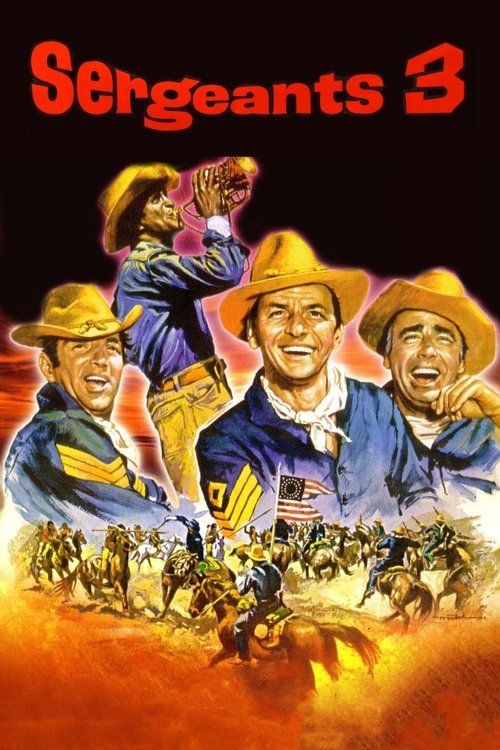
Sergeants 31962
A late Rat Pack picture with Frank Sinatra, Dean Martin, and Sammy Davis Jr. as cavalry officers in the Old West. It's a Western remake of Gunga Din, with the same ensemble-centric humor and masculine camaraderie.
But It's genial to the point of being forgettable, and the racial politics are cringeworthy even by 1962 standards.
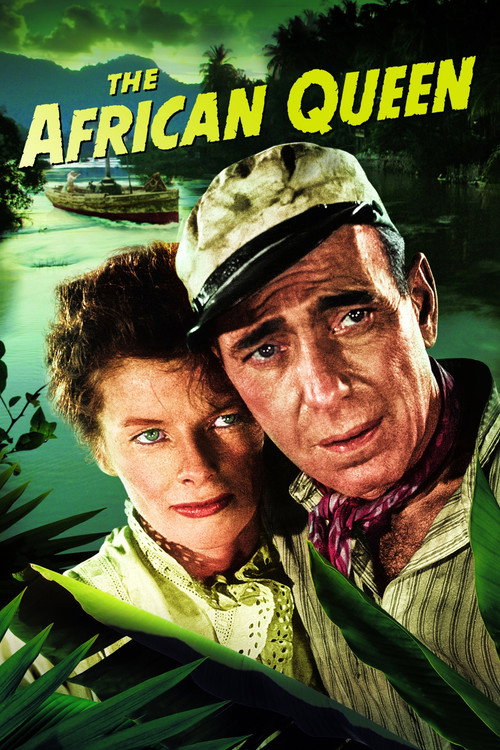
The African Queen1952
Both use the friction between social classes and the competence that lives outside the drawing room as their real subject—the war is just the honest stage for it.
Humphrey Bogart and Katharine Hepburn on a river journey during WWI. It's a two-hander instead of an ensemble, and a romance rather than a war picture, but the dynamic between a coarse professional and an uptight civilian discovering competence mirrors your film's class-friction engine.
But It's primarily a love story, not a military picture, and if you're expecting battle scenes or Navy procedure, you'll find something more intimate and slower.
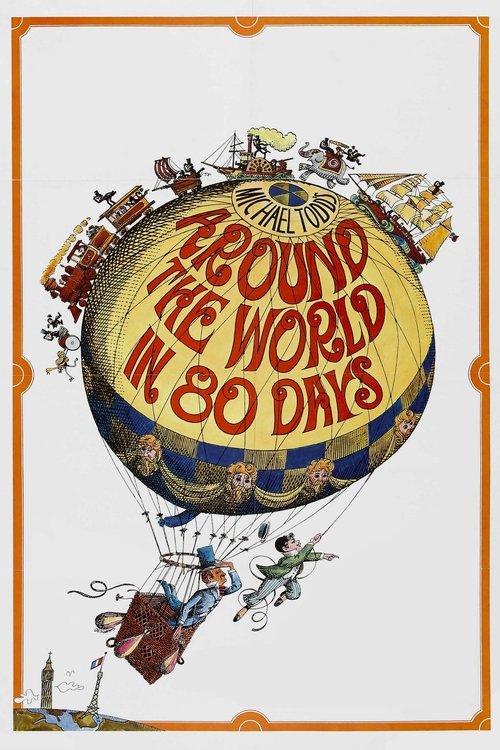
Around the World in 80 Days1956
Both films believe that working-class wisdom and aristocratic privilege have to teach each other, and both trust their ensemble casts enough to let scenes breathe for the pleasure of watching people get along.
A sprawling, funny ensemble picture from the same era about mismatched men learning to work together. David Niven, Cantinflas, and a supporting cast of dozens create the same joshing camaraderie and the same faith that different temperaments can find common cause.
But It's nearly 3.5 hours of travelogue spectacle, and the plot is almost willfully thin—if you need tight structure, you'll find it exhausting rather than charming.
People
Cast
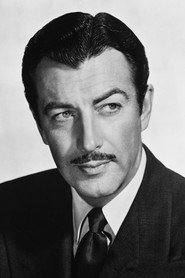 Robert TaylorLieut. Gregg Masterman
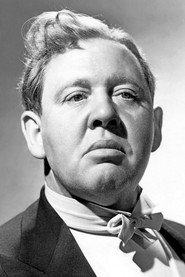 Charles LaughtonRear Admiral Stephen Thomas
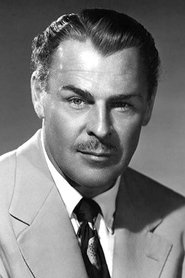 Brian DonlevyLieut. Cmdr. Martin Roberts
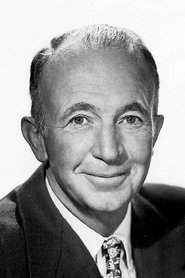 Walter BrennanChief Yeoman Henry Johnson
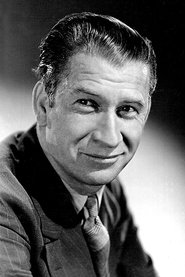 Chill WillsMate Jenks, Chef-Bootsmann
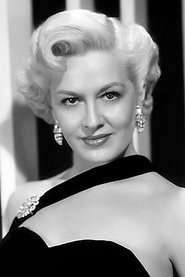 Marilyn MaxwellAudrey Carr
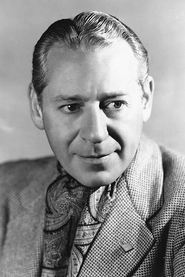 Henry O'NeillCmdr. Stone M.C
 Marta LindenMary Collins
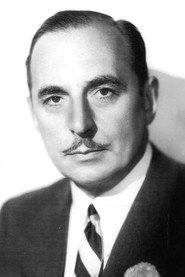 Douglass DumbrilleCapt. Ludlow
 Richard QuineEnsign Lindsay
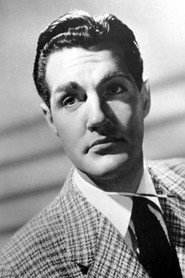 William TannenFlag Lt. Dudley
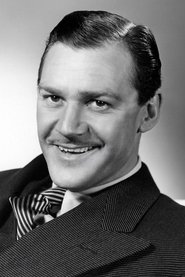 Douglas FowleyEnsign Martin
Directing
- Robert Z. LeonardDirector
Writing
- Harvey S. HaislipOriginal Story
- R.C. SherriffOriginal Story
- George BruceScreenplay
- Herman J. MankiewiczScreenplay
- John L. BalderstonScreenplay
- Laurence KirkStory