
Film
The Mighty McGurk
A gruff ex-boxer takes in a polite English orphan in post-war New York and learns what family means. Part slapstick comedy, part genuine warmth, *The Mighty McGurk* trades in the sentimentality of 1940s Hollywood but backs it with real tenderness. It's for anyone who loves a rough-diamond-finds-his-heart story, where the softening feels earned.
If you liked this
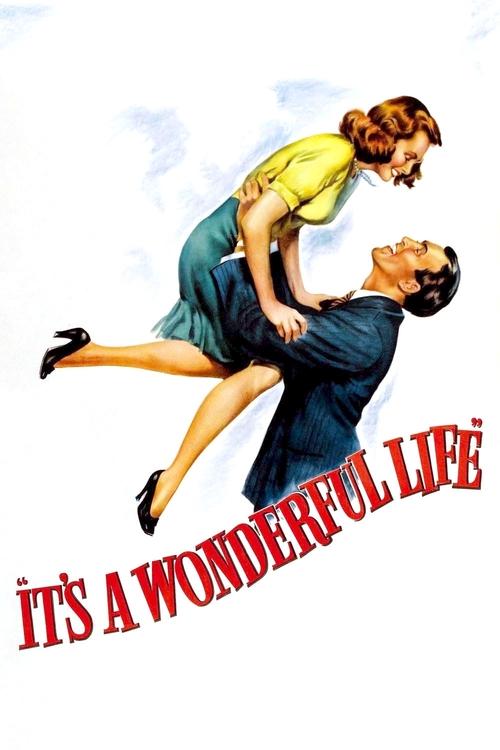
It's a Wonderful Life1946
A man discovers how much he's mattered to others and to his community. Like *McGurk*, it hinges on an unlikely bond and finds profound meaning in small lives, though with even greater emotional sweep.
But The ending can feel didactic and engineered. If you resist sentimentality that shows its seams, this will test you.
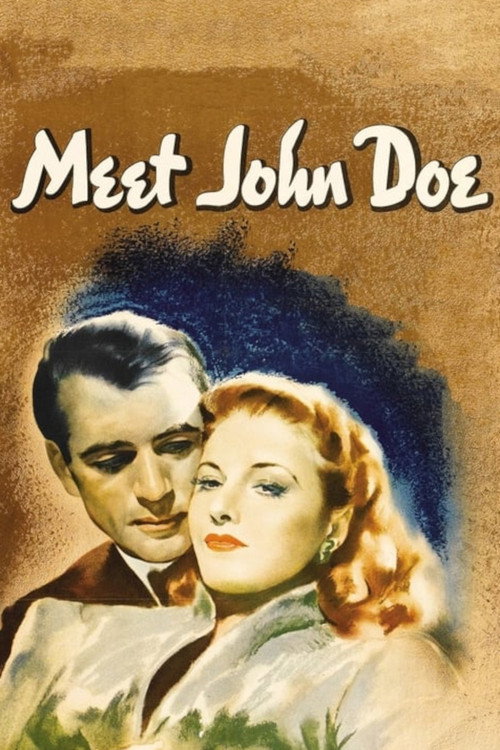
Meet John Doe1941
Frank Capra again finds decency and hope in ordinary people and the press that surrounds them. The orphan-and-protector dynamic echoes *McGurk*, though here it's moral rather than legal.
But It's a Capra sermon at heart. The whimsy can tip into preachy, and the third act loses some of the earlier charm.
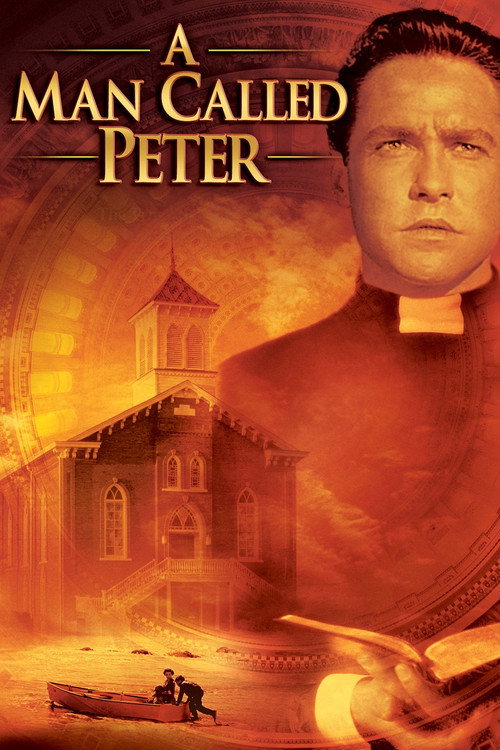
A Man Called Peter1955
A true story about a man of faith who transforms those around him. Same DNA as *McGurk*—watching a gruff character soften through love and responsibility—but with more spiritual weight.
But It's earnest religious drama. If faith stories bore you, the film has little else to offer beneath its message.
Not sure tonight? Get a pick in a minute, starting from The Mighty McGurk
The wildcard
Something you would not have found on your own.
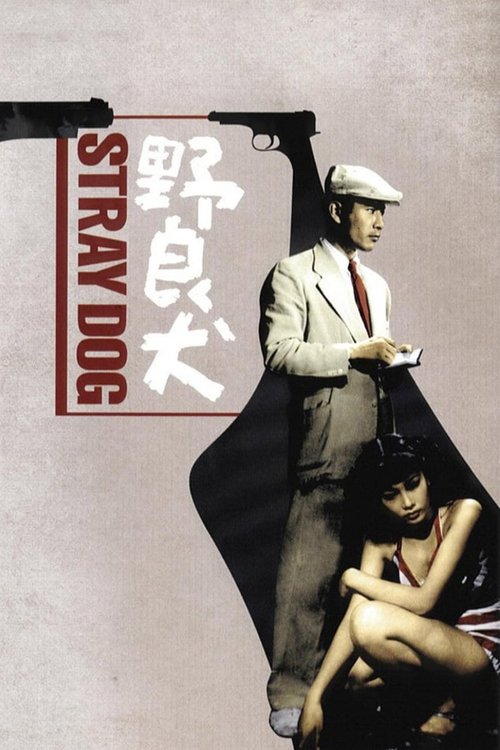
Stray Dog1949
Both are postwar films about flawed men finding dignity through duty. *McGurk* softens through love; *Stray Dog* hardens through truth. Same story, opposite registers.
A Tokyo detective pursues the thief who stole his pistol through postwar Japan's underworld. Kurosawa's film has the same DNA as *McGurk*—a rough man's character tested, a mission that becomes human—but trades the sentimentality for noir realism and moral ambiguity.
But It's a police procedural in a devastated city. The bleakness and structural complexity make it feel nothing like a feel-good American picture.
More like this (8)
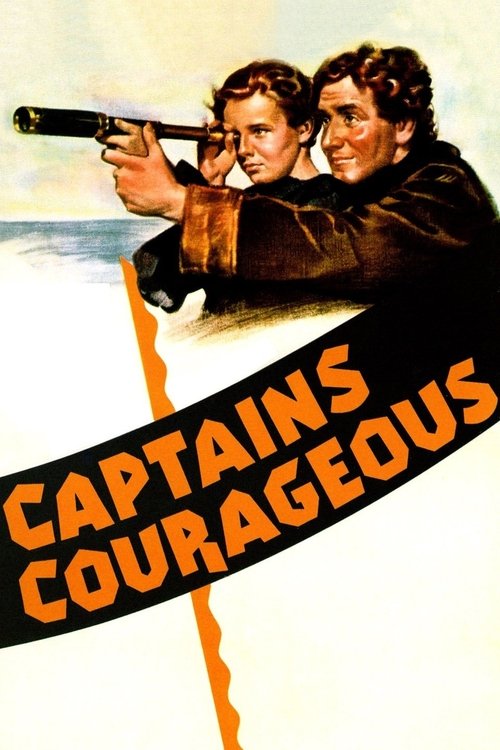
Captains Courageous1937
A spoiled boy is redeemed by a seasoned working man aboard a fishing vessel. The exact same structure as *McGurk*: male mentor, boy in need, Americana grit, and a transformation that feels genuine.
But Spencer Tracy can overshadow the story. It's also longer and slower than *McGurk*, and the boy's initial obnoxiousness grates.
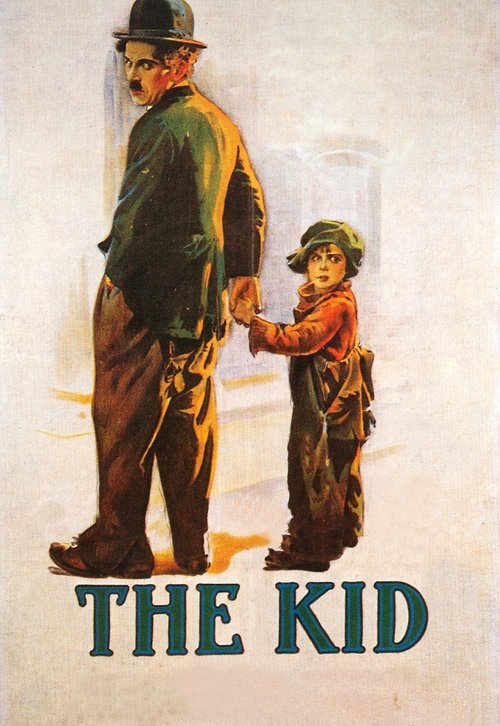
The Kid1921
Chaplin's vagrant finds an abandoned child and discovers he can love. The prototype for all reluctant-guardian stories. Silent cinema at its most moving, with comedy that doesn't undercut the emotion.
But Silent film requires patience. The pacing is slow by modern standards, and the pathos can feel manipulative on a cold viewing.
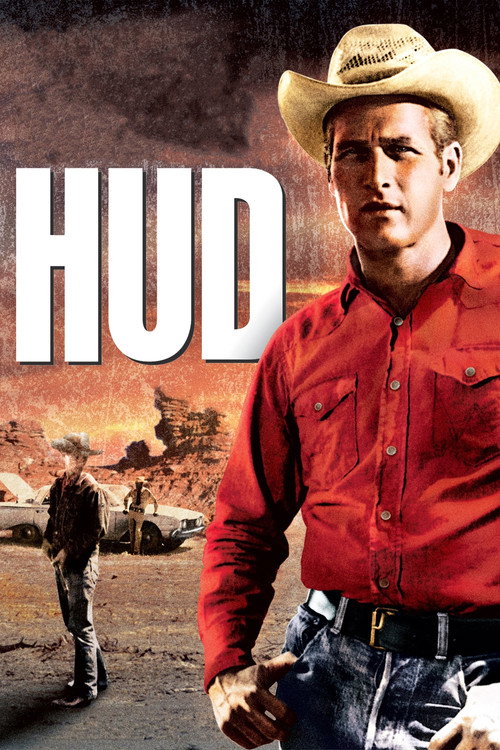
Hud1963
A young man learns what his grandfather knows: that integrity and kindness have real weight. It reverses *McGurk*'s dynamic—old man teaching young—but shares the belief that character can be passed on.
But Paul Newman's roguish charm nearly sabotages the moral framework. The film is cynical about masculinity in ways *McGurk* isn't.
The Philadelphia Story1940
A privileged woman learns humility from ordinary people. Like *McGurk*, it's a comic moral education, though with cocktails and sophistication instead of Bowery grit.
But The screwball rhythm is fussy and the romance overshadows the real learning. It can feel like watching the wealthy play at being good.

National Velvet1945
A girl and a horse find each other against the odds, and an older woman guides them both. Another coming-of-age fable soaked in 1940s sentiment, with Elizabeth Taylor's radiance and real stakes.
But It's horse-movie melodrama. If you find animal stories saccharine, this will confirm it.

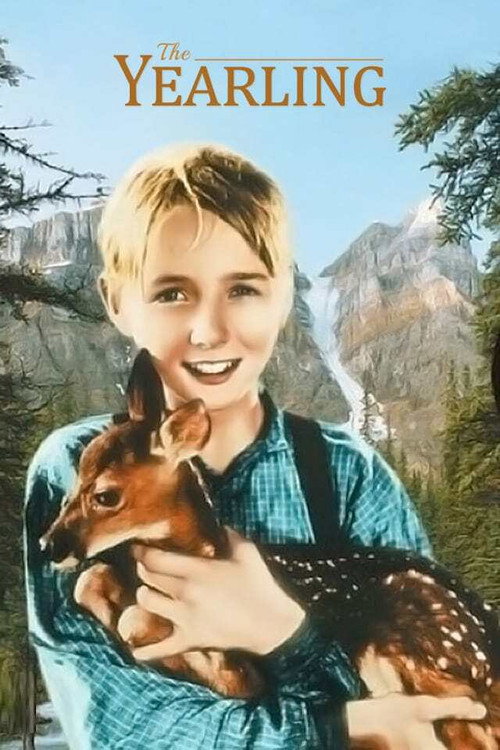
The Yearling1946
A boy and a fawn form a bond that costs him and his father both everything. It shares *McGurk*'s faith in small stories and its willingness to let sentiment breathe, set against frontier hardship.
But The emotional climax will destroy you if you have any feeling. Some find it gratuitously bleak for a film with a young protagonist.
Bicycle Thieves1948
Where *McGurk* says a child rescues a man's heart, *Bicycle Thieves* asks whether a man can rescue his child when the world is rigged against both. Same question; opposite answer.
A father and son search Rome for a stolen bicycle on which the father's livelihood depends. Italian neorealism's masterpiece: tender, angry, unsentimental, and devastatingly human. The bond between the man and boy is everything.
But There is no Bowery warmth here. The ending offers no comfort, and the poverty feels like a wound, not a backdrop for character development.

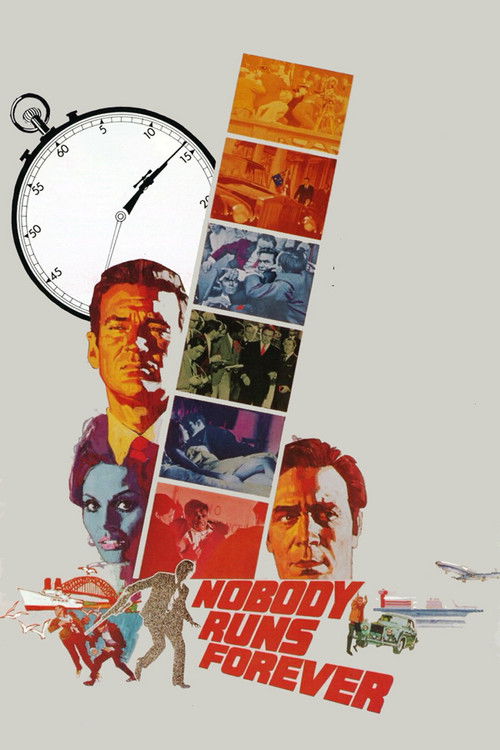
Nobody Runs Forever1968
Both make the gruff guardian story central, but *Nobody Runs Forever* assumes the mentor has already paid the cost of living. *McGurk* is about discovery; this is about passing the torch you're no longer sure was worth carrying.
A weary Australian detective on his final case mentors a hot-headed young cop. A late-period Mann film that plays the mentor-and-boy story as existential fatigue. Gruff exterior, real care beneath, the whole machinery of aging and transition that *McGurk* sidesteps.
But It's a slow police procedural from 1968. The emotional temperature is cold, the plot is thin, and it expects you to find melancholy in grey office light.
People
Cast
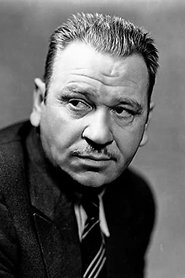 Wallace BeeryRoy 'Slag' McGurk
 Dean StockwellNipper
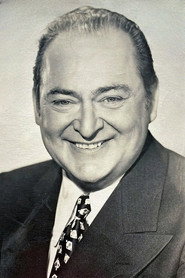 Edward ArnoldMike Glenson
 Aline MacMahonMamie Steeple
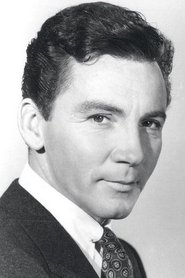 Cameron MitchellJohnny Burden
 Dorothy PatrickCaroline Glenson
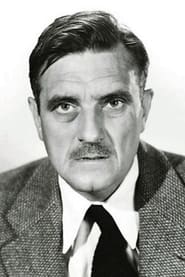 Morris AnkrumFowles
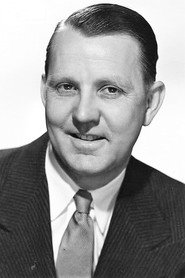 Clinton SundbergFlexter
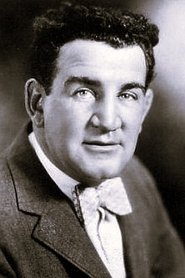 Tom KennedyBruiser (uncredited)
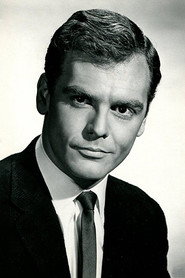
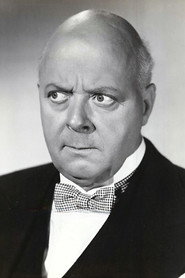 Aubrey MatherMilbane
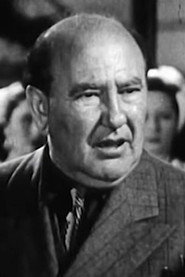 Charles JudelsFirst Brewer
Directing
- John WatersDirector
Writing
- Grant GarettScreenplay
- Harry ClorkScreenplay
- William R. LipmanScreenplay