
Film
Tarka the Otter
A lyrical 1979 film following an otter's life through the English countryside, narrated by Peter Ustinov with unhurried grace. It's patient, observational cinema—less plot-driven than mood-driven, finding drama in survival and nature's quiet moments. Perfect for viewers who treasure wildlife films that respect their subject's inner life without sentimentality.
If you liked this
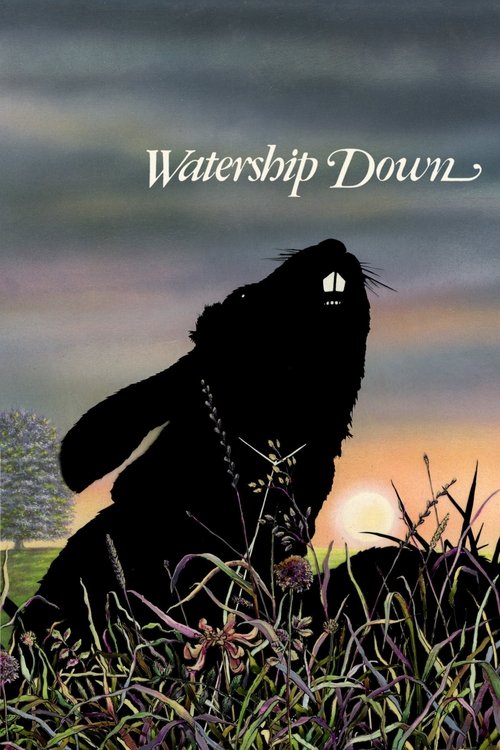
Watership Down1978
An animated epic about rabbits that respects animal intelligence and agency. It has the same lyrical, naturalistic approach to animal life—danger is real, beauty matters, and the perspective is genuinely theirs.
But It's darker and more violent than you'd expect from animation. Some scenes are genuinely disturbing, which can catch viewers off guard.
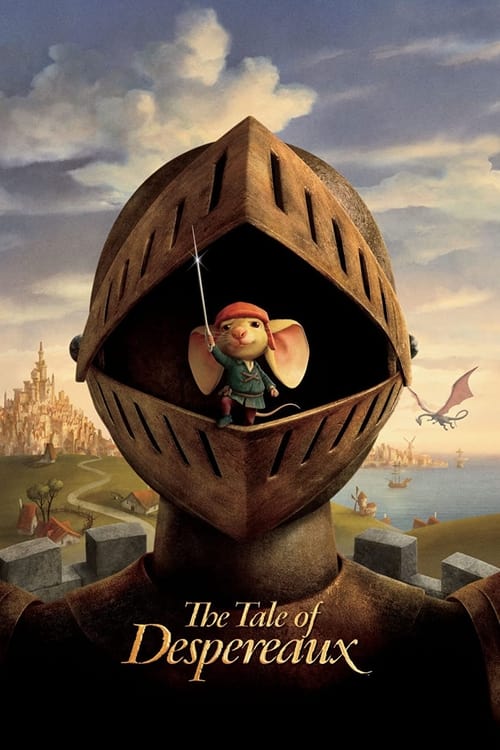
The Tale of Despereaux2008
A storybook approach to an animal's inner world, with gorgeous visual storytelling and that same blend of adventure, peril, and wonder. It trusts its audience to sit with quiet moments.
But The animation style is divisive—some find it beautiful, others find it slightly dated or overly soft. The tone can feel slow for modern children's film pacing.
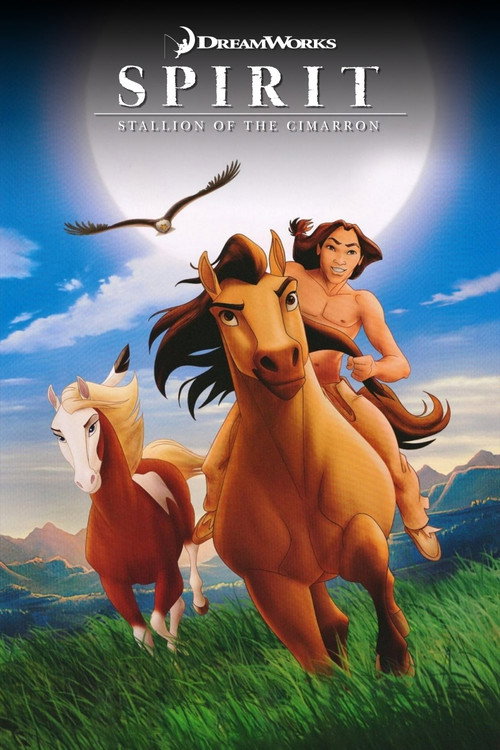
Spirit: Stallion of the Cimarron2002
Wild horse, untamed landscape, minimal dialogue. It shares Tarka's meditative rhythm and belief that an animal's perspective is enough to carry a film. Gorgeously drawn and genuinely moving.
But The pop-rock soundtrack pulls against the film's naturalism in ways that feel incongruous. Some find the earnestness a bit much.
Not sure tonight? Get a pick in a minute, starting from Tarka the Otter
The wildcard
Something you would not have found on your own.
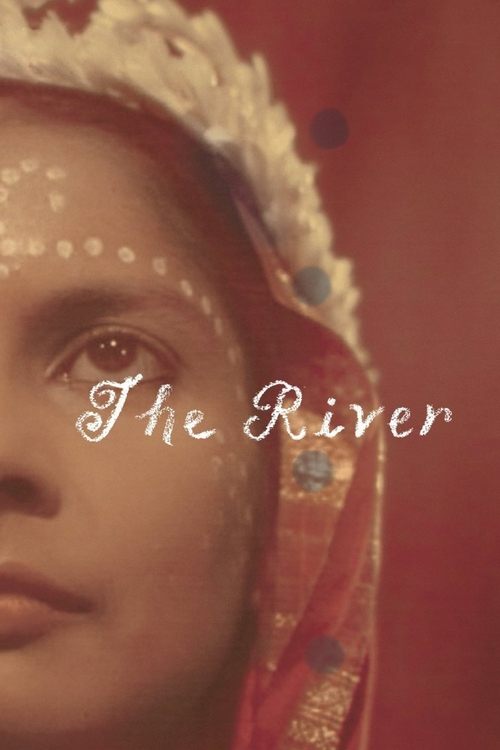
The River1951
Both films reject the idea that animals or nature exist for human drama. They're about witnessing life as it unfolds, with the camera patient enough to see beauty in stillness.
A Jean Renoir documentary-fiction hybrid about the Ganges and the lives of English children living by it. Like Tarka, it observes life with unhurried poetry—human and natural worlds flowing together. Visual storytelling at its most painterly.
But There's almost no plot, and the narrative is genuinely opaque. If you need dramatic structure or clear storytelling, this is pure mood and observation, which can feel inaccessible.
More like this (8)
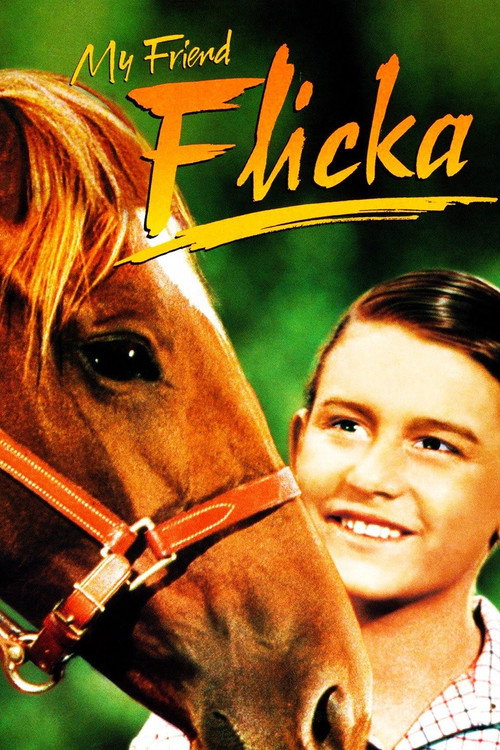
My Friend Flicka1943
A classic about a boy and his horse that gets at something similar—the quiet intensity of observing an animal's nature and building trust. Handsomely shot and genuinely touching.
But It's definitely a period piece, both in style and in some of its values. The pacing is deliberate in a way that can feel slow to modern viewers.
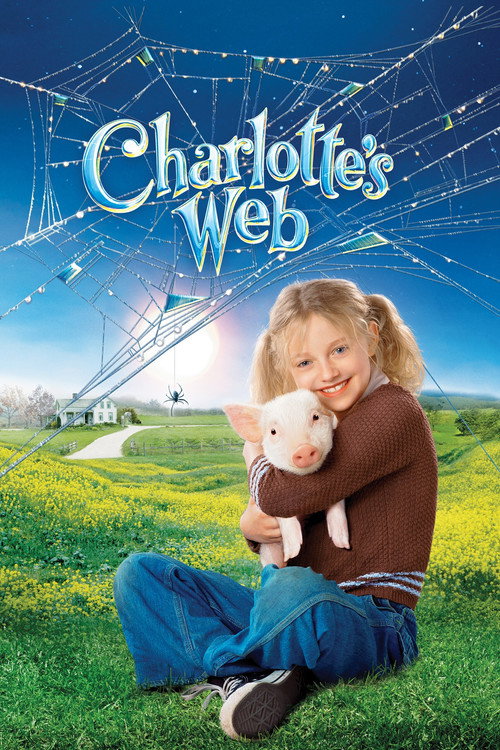
Charlotte's Web2006
The animated 1973 TV special captures the book's tenderness toward animal life and mortality. Melancholy, beautiful, and unafraid to be quiet when it needs to be.
But The animation is basic even by 1973 standards. Some songs feel dated, and the film doesn't try to be visually spectacular—it's all about emotional truth.
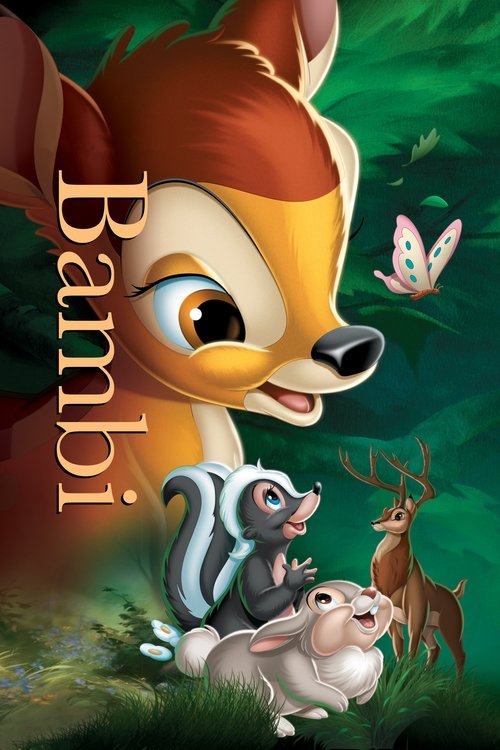
Bambi1942
The foundational Disney film that combines naturalistic observation of animal behavior with genuine emotional stakes. It influenced everything that came after Tarka, including Tarka itself.
But Some sequences are genuinely traumatic for children. The human characters are minimal, which some viewers find limits the dramatic range.
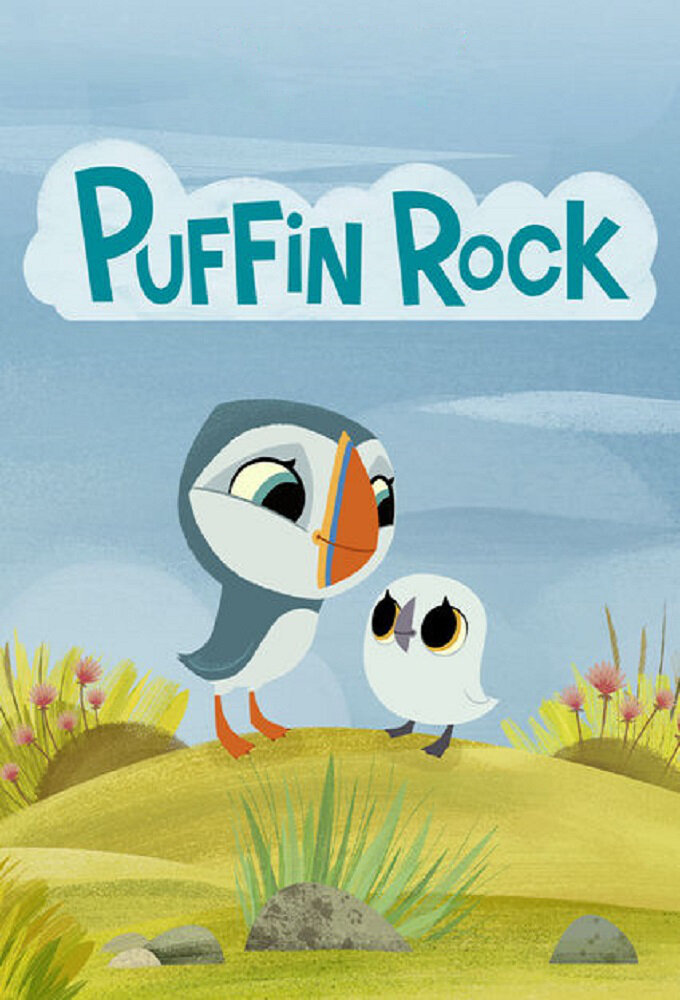
Puffin Rock2015
A stop-motion series narrated by Chris O'Dowd about Irish coastal wildlife. It has Tarka's patient observation of nature and a similar gentle, curious tone about how animals actually live.
But It's aimed at very young children, so the dramatic complexity is minimal. If you want peril and genuine stakes, this is too soft.
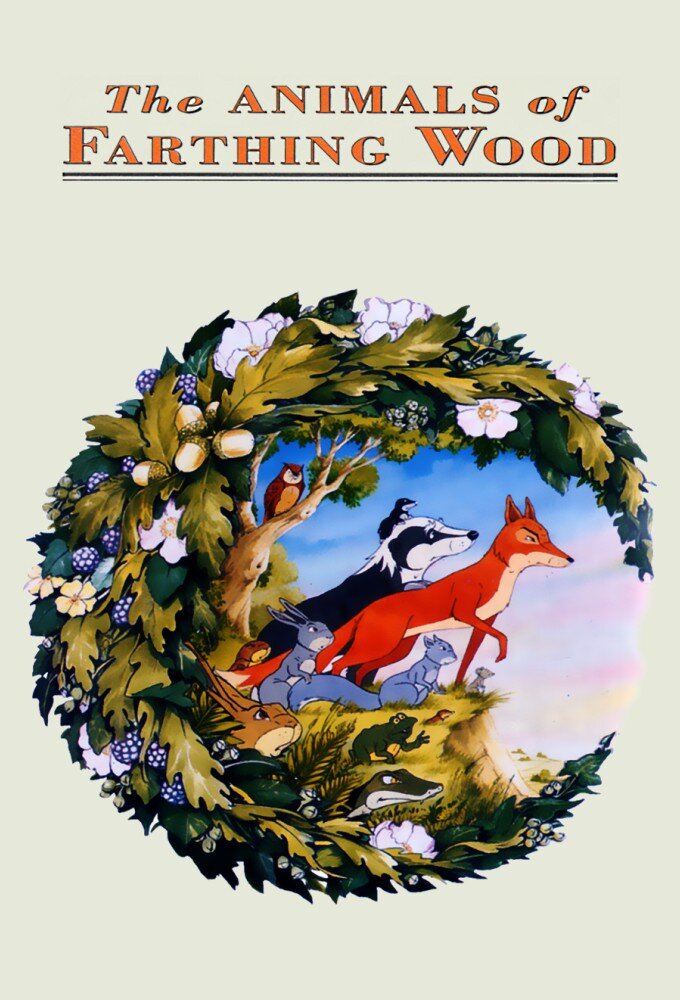
The Animals of Farthing Wood1993
A BBC series about animals migrating to a sanctuary, with real stakes and genuine naturalism about predator and prey. It respects animal behavior while building genuine narrative tension.
But The animation is rudimentary, and some episodes drag. The tone can be uneven—sometimes whimsical, sometimes shockingly dark.
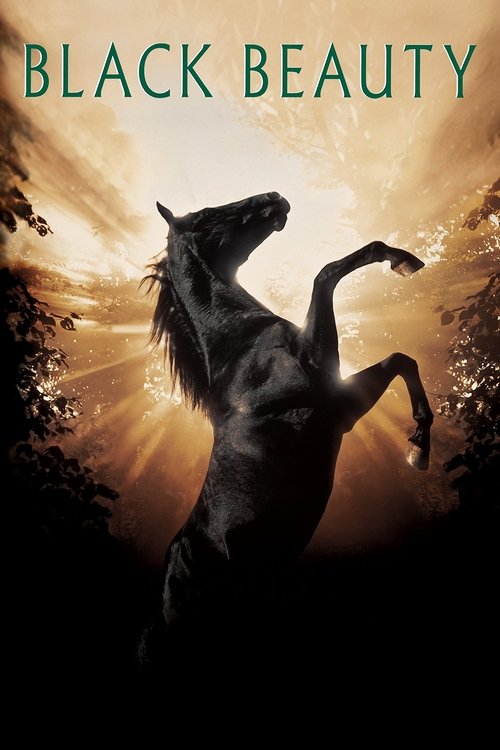
Black Beauty1994
A faithful adaptation of the novel that uses the horse's perspective as its moral center. It's about witnessing injustice and survival through an animal's eyes, with real consequences.
But It's quite dark about human cruelty, which can feel heavy. The pacing meanders in ways some find tedious rather than meditative.
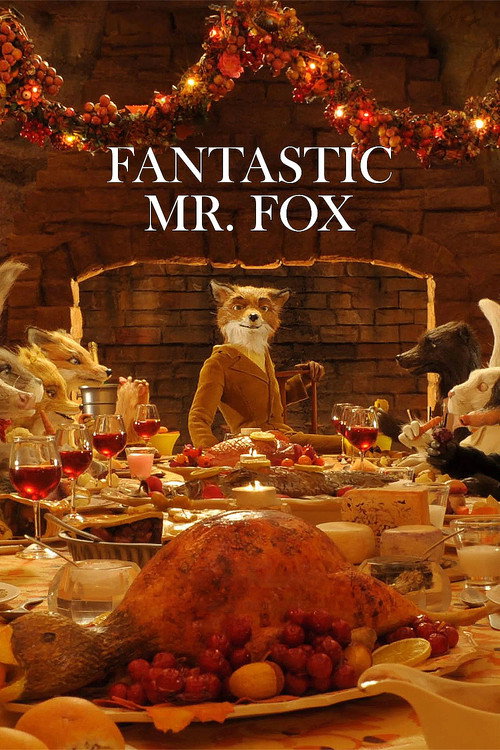
Fantastic Mr. Fox2009
Both understand that animals aren't cute accessories—they're intelligent, self-interested survivors with real skills. Both take their animal protagonists' agency completely seriously.
Wes Anderson's stop-motion film about a fox navigating a world of farmers and hunters. It's witty and urban in style, but it shares Tarka's deep understanding of animal cunning and the genuine peril of predator-prey relationships—just in a completely different register.
But Anderson's artificial, symmetrical style is the opposite of Tarka's naturalism. If you love the film for its earthy poetry, this precise, mannered aesthetic might feel hostile.
The Ascent1977
Both use a natural landscape as a character, and both understand that survival—animal or human—is a quiet, patient kind of drama. Neither explains more than necessary.
A Soviet film about two partisans in a snowy landscape, stripped down to observation and mood. Like Tarka, it finds dramatic weight in small moments and natural detail. Haunting, meditative, and utterly unlike anything else—proof that lyrical cinema about struggle works in any context.
But It's in Russian, in black and white, about human suffering during war. There's no comfort in it, and it demands patience with ambiguity and dread. Completely bleak.

People
Cast
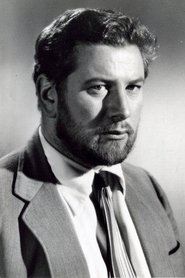 Peter UstinovNarrator (voice)
- Peter BennettMaster of the Hunt
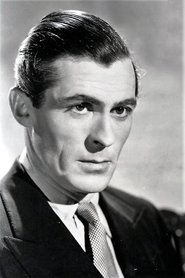 Edward UnderdownHibbert
- Brenda CavendishLucy
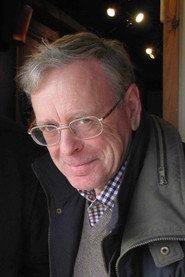 John LeesonSecretary of the Hunt
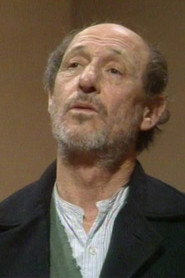 Reg LyeDairy Farmer
- George WaringFarm Labourer
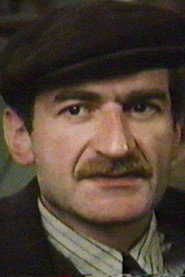 Stanley LeborFarm Labourer
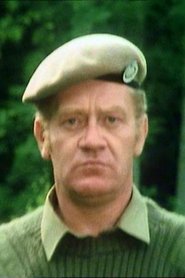 Max FaulknerFerretter
Directing
- Gil WhelanAssistant Director
- Roy P. StevensAssistant Director
- David CobhamDirector
Writing
- Henry WilliamsonNovel
- David CobhamScreenplay
- Gerald DurrellScreenplay
Production
- Frank PowisAssociate Producer
- Janet CobhamAssociate Producer
- David CobhamProducer
- Edward DorianProduction Manager
Recommended by
Ring of Bright Water, Mapp and Lucia, The Wind in the Willows