
Film
It Always Rains on Sunday
A taut 1947 British noir about an escaped prisoner seeking refuge with his former sweetheart in East London. Shot on location with documentary precision, it captures the texture of working-class life alongside genuine menace. Perfect for anyone who loves post-war realism with real stakes and moral complexity, where everyone feels trapped—by poverty, by the past, by circumstances they didn't choose.
Should you watch it?
Watch it if you like postwar British crime films that linger on a cramped, rain-soaked neighbourhood and its ordinary households, where the suspense grows out of small domestic compromises rather than action set-pieces.
Skip it if you need brisk momentum, since much of this is talk, kitchen-table bickering and wandering through a dense crowd of relatives before the story tightens.
What it asks of you: Across ninety-two minutes it builds slowly through a crowded house, its mood staying grey and damp rather than lifting into relief, and its tension stays quiet.
Not sure? Find tonight's pick in a minute.
If you liked this
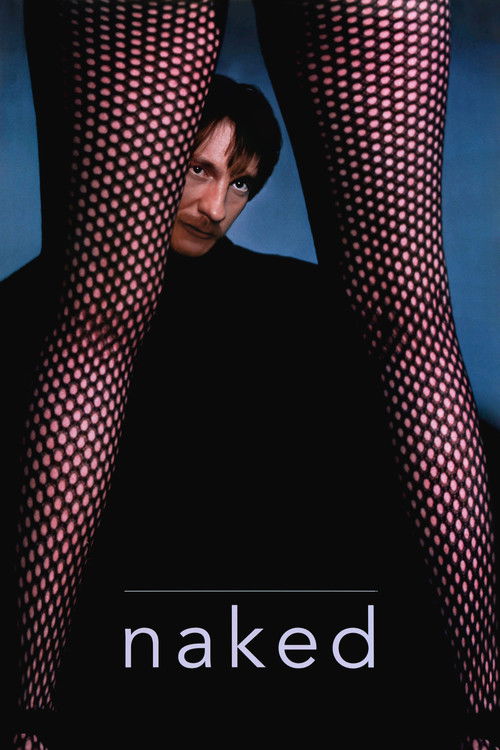
Naked1993
Mike Leigh's savage, brilliant portrait of a wounded man's descent through London. Like *It Always Rains*, it uses a city as a character and finds cruelty and vulnerability in ordinary people. Unflinching and brilliant.
But Deeply bleak and relentlessly misanthropic. The protagonist is often repellent. No comfort here, only clarity.
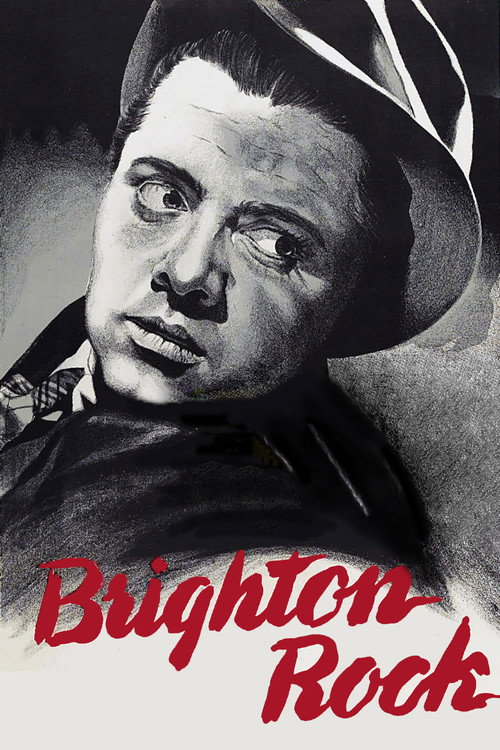
Brighton Rock1948
Released the same year, this Graham Greene adaptation shares *It Always Rains*' commitment to British noir and moral ambiguity. A young gangster on the run; collapsing morality; nowhere to hide. Excellent.
But The pacing is deliberate and sometimes slow. The ending divides viewers sharply on what it means.
The Third Man1949
Carol Reed's masterpiece about deception and loyalty in post-war Vienna. Like Ealing's film, it finds profound human drama in rubble and shadows, where every choice carries weight.
But The zither score is jarring and won't appeal to everyone. Some find the tonal shifts manipulative.

Not sure tonight? Get a pick in a minute, starting from It Always Rains on Sunday
The wildcard
Something you would not have found on your own.
The Asphalt Jungle1950
Both use a criminal rupture as a lens to examine how people at different social levels respond to crisis. The city is a character. Everyone is compromised.
John Huston's heist-film blueprint also begins with a robbery that goes wrong and radiates outward to show how desperation touches ordinary people across a city. That same ensemble structure, same moral framework.
But It's a heist movie—slicker and less intimate than *It Always Rains*. If you want that documentary rawness, this is glossier and more procedural.

More like this (8)
Tinker Tailor Soldier Spy2011
A meticulous study of people trapped in systems larger than themselves. Slow-burn espionage that prizes mood and implication over action. Rewards close attention like *It Always Rains* does.
But Very quiet, very mannered. If you need plot momentum and clear dramatic peaks, this will feel glacial.

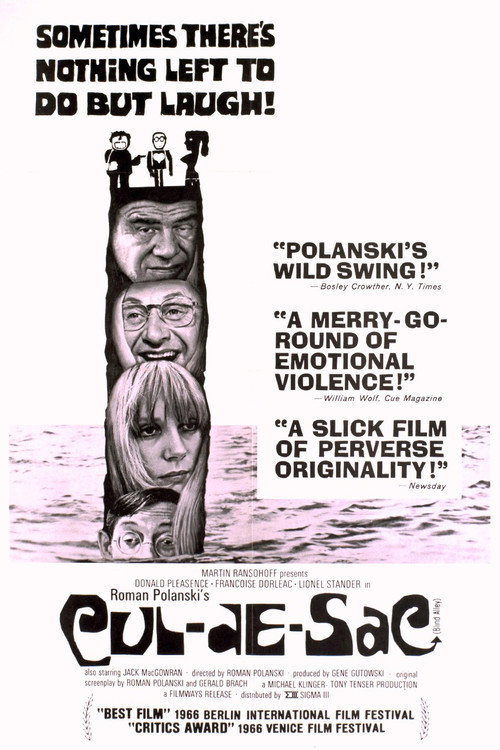
Cul-de-sac1966
Polanski's fierce two-hander about criminals on the run hiding in isolation. Darkly funny, menacing, and fascinated by how quickly civilized people unravel under pressure.
But The tonal whiplash between comedy and violence unsettles some viewers. Deeply weird in ways that don't quite cohere.
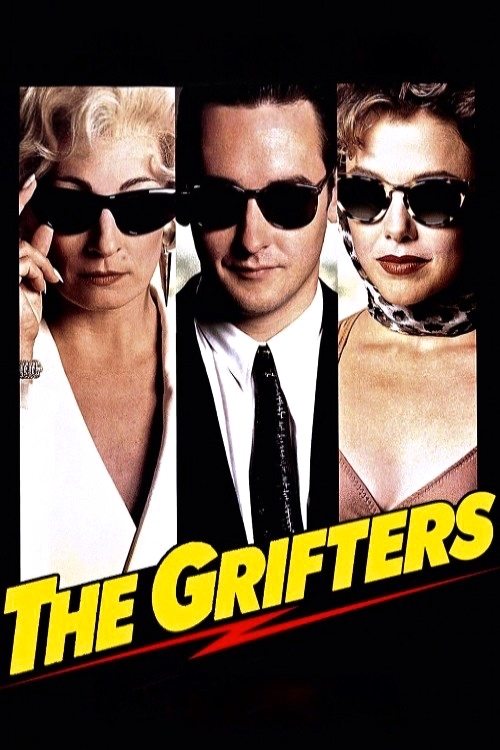
The Grifters1990
Con artists and desperate people in LA underbelly. Taut, paranoid, and deeply interested in how people betray each other under stress. That same suffocating inevitability.
But Everyone is small and vicious. There's no one to root for. The nihilism exhausts some people.
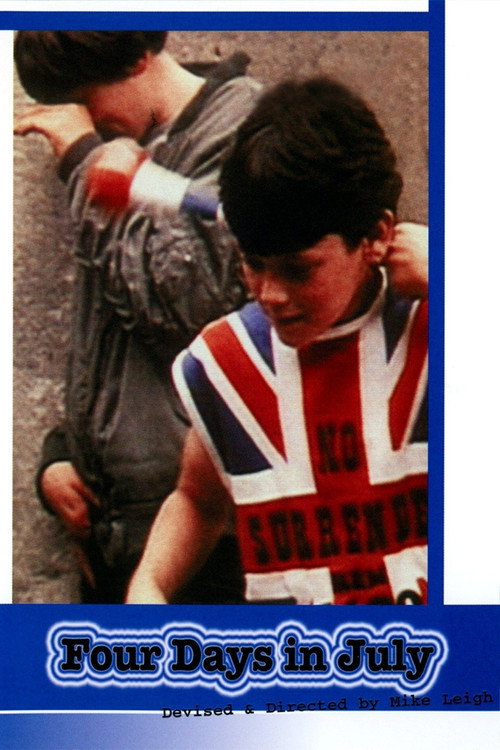
Four Days in July1984
Mike Leigh documentary-style drama about ordinary people in Belfast. Captures class and place with the same sharp eye *It Always Rains* brings to East London. Quietly powerful.
But Glacially paced. Minimal plot. If you need conventional narrative structure, this won't provide it.
Kes1970
Ken Loach's portrait of a working-class Yorkshire boy. The same commitment to location authenticity and social observation. A boy finds brief freedom before systems close in.
But Heartbreaking and angry in ways that feel punitive. The ending is brutal. Some find it more depressing than enlightening.

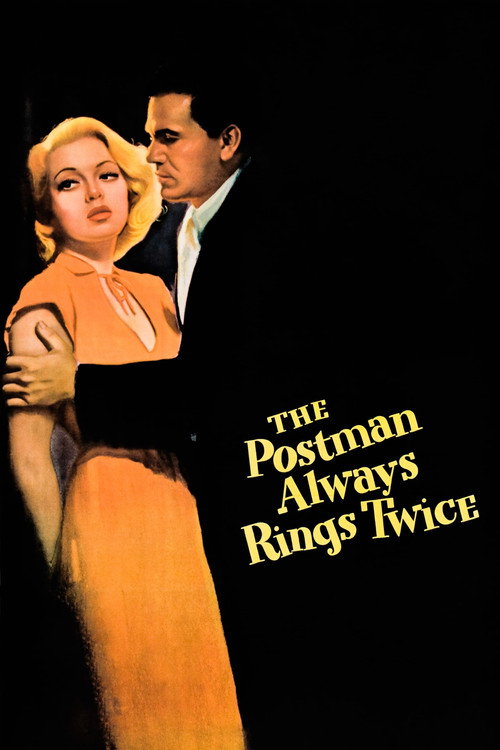
The Postman Always Rings Twice1946
One year before *It Always Rains*, this American noir also traps people in rooms with desire and desperation. Taut, sensual, morally compromised. A solid companion piece.
But The femme fatale tropes feel dated now. The sexual dynamics won't sit right with everyone. It's a product of its era in ways not entirely appealing.
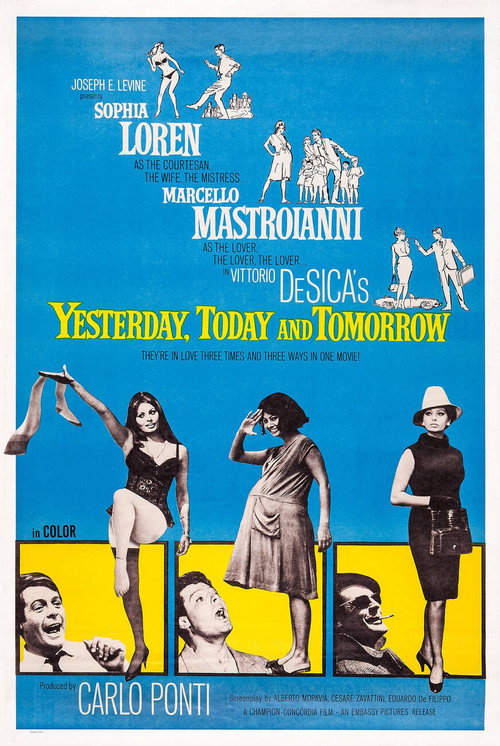
Yesterday, Today and Tomorrow1963
Both films use city life and working-class experience as their true subject. Both find unexpected grace in constrained circumstances. Both believe ordinary people contain moral and emotional depth.
Three linked stories across Naples shot with documentary warmth but operatic emotion. Sophia Loren and Marcello Mastroianni navigate poverty, desire, and class. Italian neorealism's optimistic cousin to British austerity.
But Tonal tonal shifts from segment to segment feel uneven. The third story is sentimental in ways the first two aren't. Requires comfort with episodic structure.
Mulholland Drive2001
Both films use noir language to explore how past attachments trap present selves. Both are about people running from love. Both suggest that escape is impossible, that the past always catches up.
Lynch's fever dream about desire and performance in LA. Like *It Always Rains*, it's obsessed with what people want and what they're willing to do for it. The same inescapable logic.
But Deliberately confusing structure. Demands multiple viewings to parse. The noir elements are buried under surrealism. A very different beast in form from the straightforward Ealing film.

People
Cast
 Googie WithersRose Sandigate
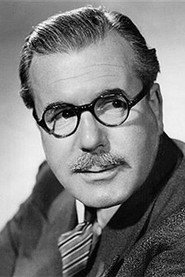 Edward ChapmanGeorge Sandigate
 Susan ShawVi Sandigate
 Patricia PlunkettDoris Sandigate
- David LinesAlfie Sandigate
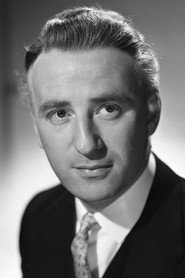 Sydney TaflerMorry Hyams
 Betty Ann DaviesSadie Hyams
 John SlaterLou Hyams, Morrie's Brother
 Jane HyltonBessie Hyams, Morrie's Sister
 Meier TzelnikerSolly Hyams, Morrie's Father
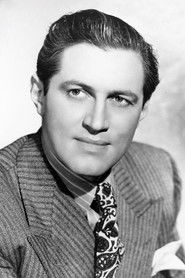 John McCallumTommy Swann
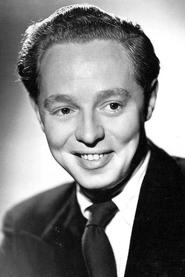 Jimmy HanleyWhitey
Directing
- Robert HamerDirector
- Cecil R. Foster KempFirst Assistant Director
- John MeadowsSecond Assistant Director
- Cyril PopeThird Assistant Director
- Peter PriceThird Assistant Director
Writing
- Arthur La BernNovel
- Angus MacPhailWriter
- Henry CorneliusWriter
- Robert HamerWriter
Production
- Henry CorneliusAssociate Producer
- Michael BalconProducer
- Hal MasonProduction Supervisor
- Slim HandUnit Manager