
Television series
The Young Pope
Paolo Sorrentino's audacious Vatican drama casts Jude Law as the first American pope, a radical conservative who scandalizes the Church establishment with his ascetic purity and contempt for backroom politics. It's gorgeously composed, operatic in its ambitions, moving between theological crisis and intimate character study. For anyone who loved the machinations of prestige drama but wanted more style, more faith, more genuine strangeness.
Should you watch it?
Watch it if you like a character study built on a stubborn, contradictory man, where the Vatican's politics are staged with dry wit and lush, deliberate images.
Skip it if you want drama to move briskly, since it lingers on silences, ornate set pieces and long talks about doctrine and power that rarely hurry toward a point.
What it asks of you: Expect ten episodes of around seventy minutes each, a slow, sumptuous rhythm that rewards patience over momentum and keeps its lightest moments close to its heaviest.
Not sure? Find tonight's pick in a minute.
If you liked this
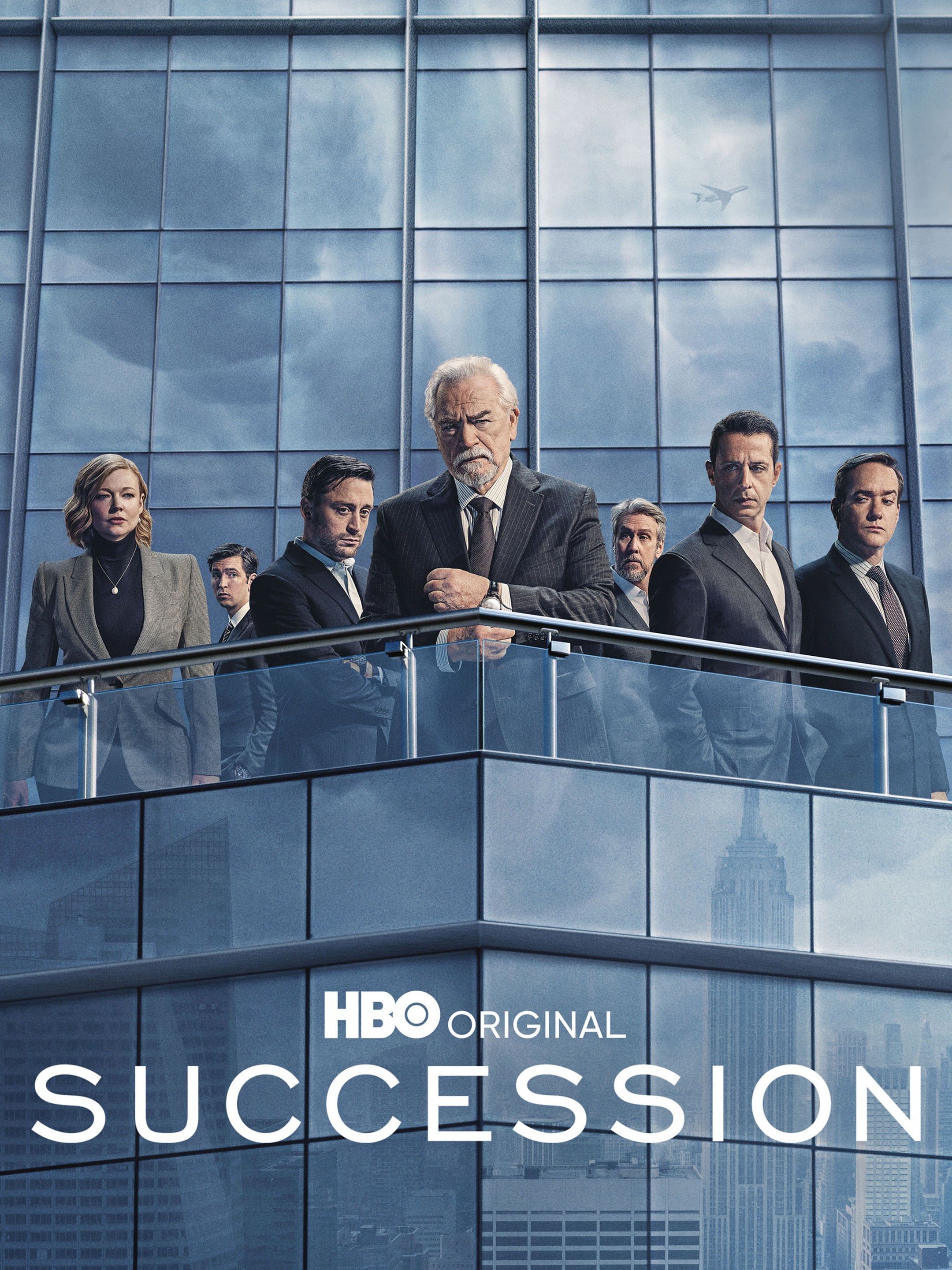
Succession2018
Ruthless power struggle between people in ornate rooms, each convinced of their own righteousness. Like The Young Pope but in a Manhattan skyscraper instead of the Vatican, with the same acid observation of how institutions corrupt the souls of those who lead them.
But Purely political and cynical where The Young Pope reaches for something spiritual. If you're watching for moral clarity, you won't find it here.
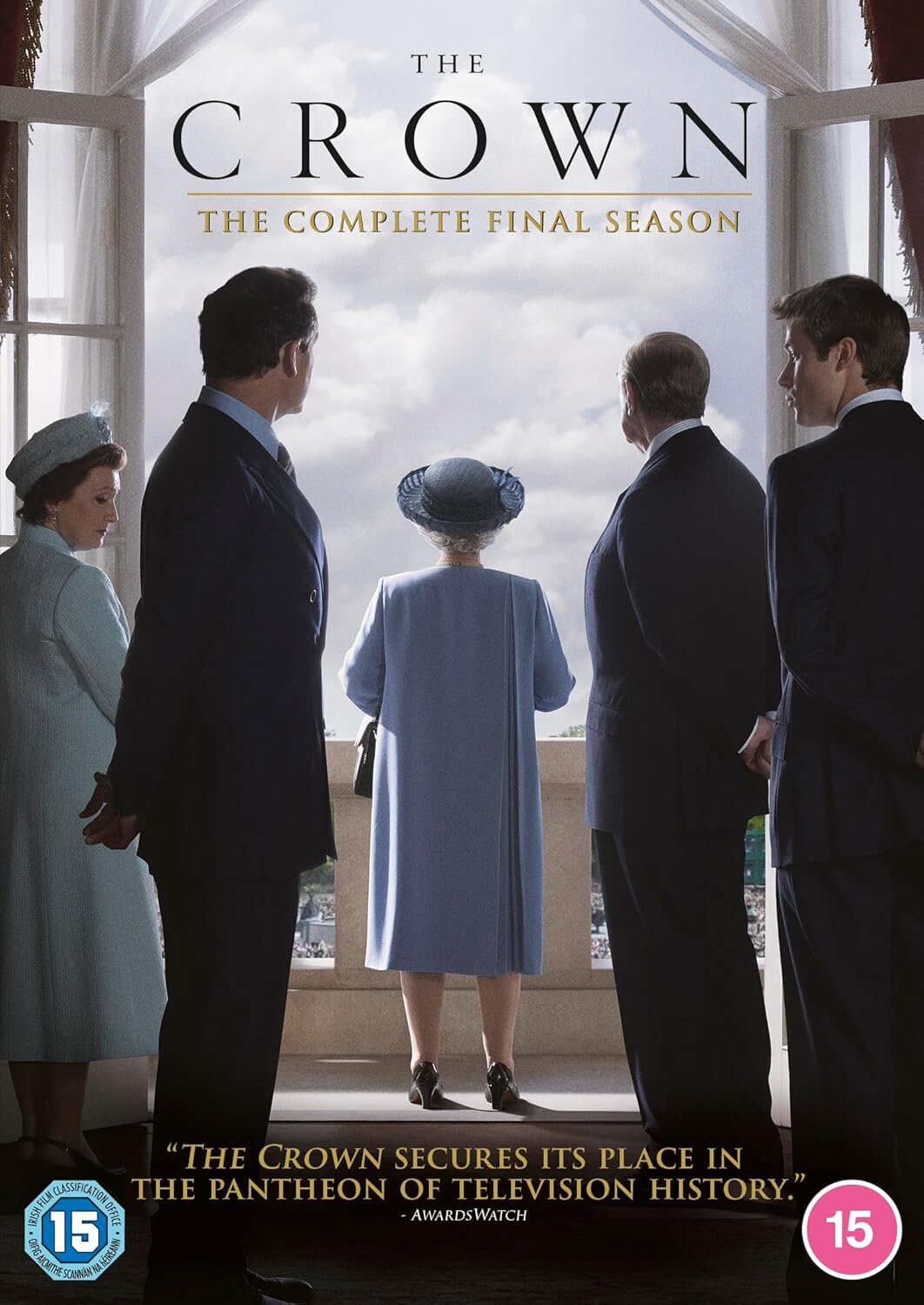
The Crown2016
Another meticulously shot exploration of faith, duty, and the loneliness of absolute power. Both shows understand that wearing the crown is a spiritual trial, not just a political job, and both make the internal life visible through Sorrentino-like precision.
But More restrained and historically cautious. It won't give you the baroque excess or the deliberate provocations that make The Young Pope feel dangerous.
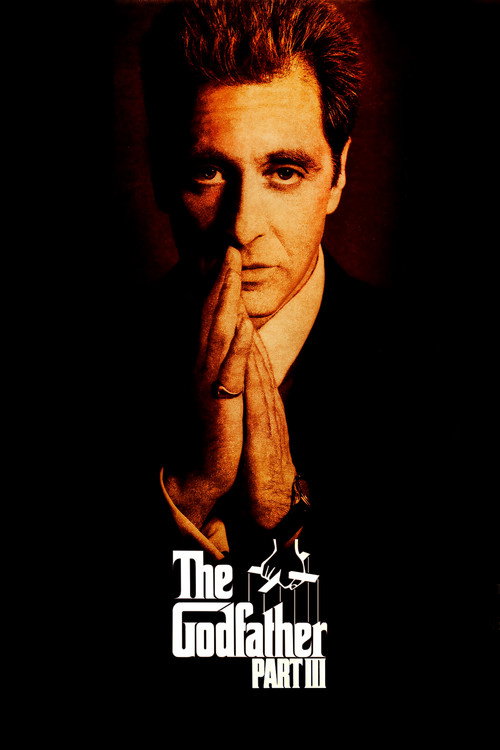
The Godfather Part III1990
Coppola's meditation on power, sin, and the corrupting touch of the Church. It's operatic and despairing in exactly the register The Young Pope matches—style as meaning, beauty as moral reckoning, nothing explained.
But A three-and-a-half-hour film, and its reputation precedes it. The pacing is glacial and the ending deliberately bleak in ways that won't comfort you.
Not sure tonight? Get a pick in a minute, starting from The Young Pope
The wildcard
Something you would not have found on your own.
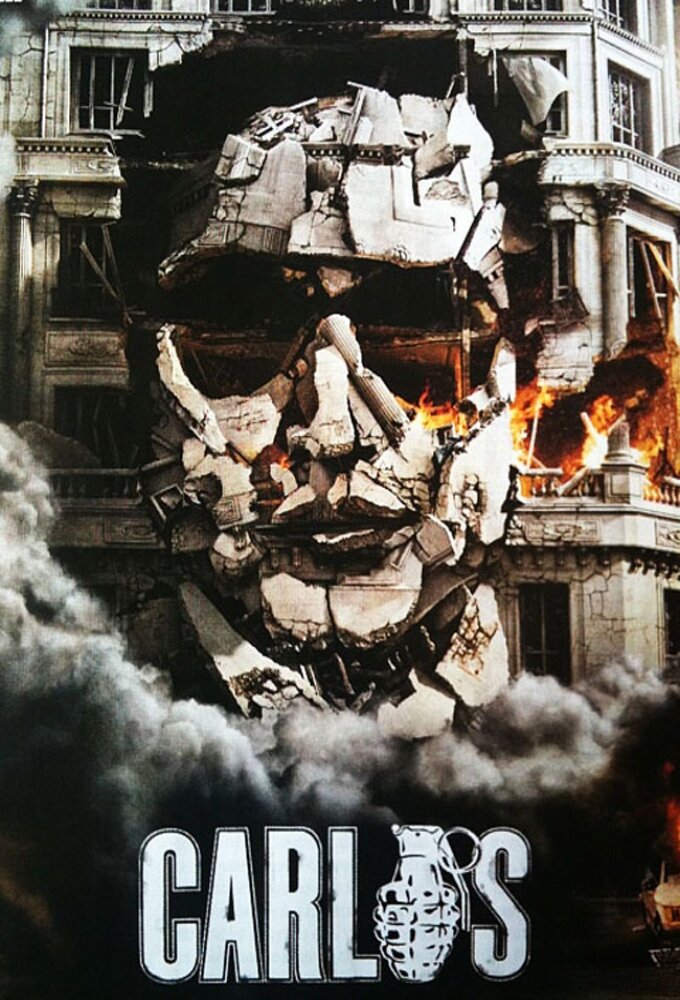
Carlos2010
Both are Sorrentino-adjacent films about young men whose total conviction and personal magnetism become inseparable from their destructiveness. Both ask: what happens when you believe so absolutely that you stop seeing consequences?
Olivier Assayas's five-and-a-half-hour epic about the revolutionary Ilich Ramírez Sánchez uses the exact formal precision Sorrentino employs—exhaustive style, minimal psychology, the subject's inscrutability as his defining feature. It's a portrait of absolute conviction and charisma turning someone into a myth, which is exactly what The Young Pope is doing with Pius XIII.
But A Venezuela-born radical and terrorist. If you went into The Young Pope hoping for a sympathetic portrait of faith, watching a hagiographic treatment of a mass murderer will feel like the inverse of what you wanted, even if the method is the same.
More like this (7)
A Prophet2009
Jacques Audiard's masterpiece about a young man rising to power in prison through charisma, ruthlessness, and a kind of spiritual authority. The same archetypal story as The Young Pope—pure will and conviction transforming a damaged outsider into something terrifying.
But French, subtitled, and set in a brutal prison. The aesthetic is harsh realism, not Sorrentino's visual poetry. Visceral in ways The Young Pope isn't.

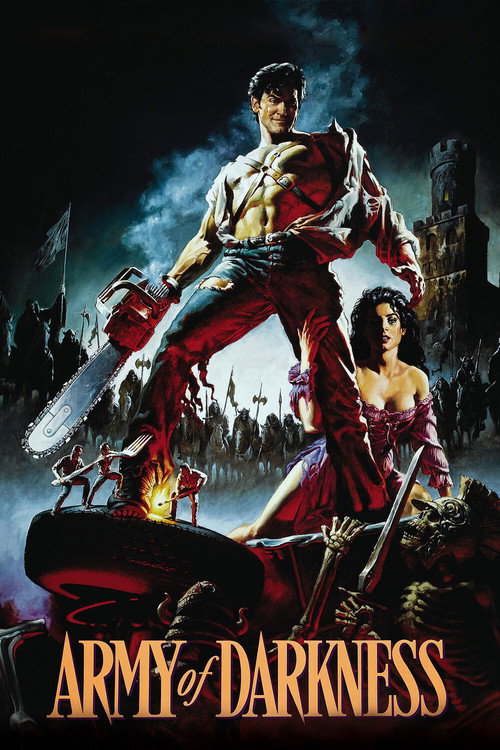
Army of Darkness1992
Jaume Balagueró's Spanish psychological thriller about a family discovering the Catholic past of their new home. It shares The Young Pope's atmospheric dread, the sense that faith and darkness are entangled, and formal precision used to unsettle.
But A horror film, not a drama. If you wanted The Young Pope for its political intrigue, this will feel like a genre pivot that doesn't pay off the way you expect.
The Talented Mr. Ripley1999
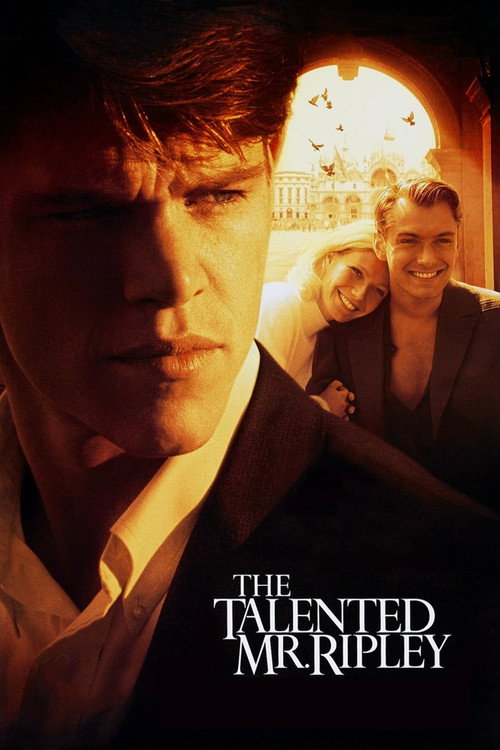
Minghella's lush thriller about a chameleon rising through confidence and deception. Like The Young Pope, it's about a young man from nothing reinventing himself into something impossible, all shot in colours so rich they distract from the moral rot underneath.
But A crime thriller, ultimately. The philosophical ambition matters less than the plot mechanics, which will feel reductive if you're chasing The Young Pope's spiritual inquiry.
I, Claudius1976
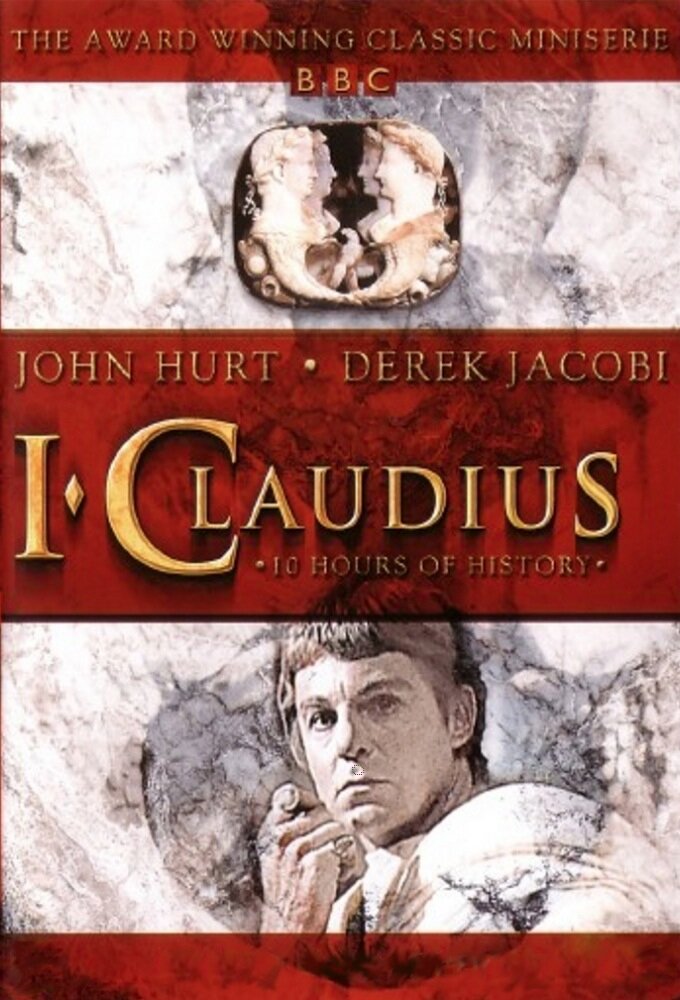
The BBC's essential miniseries about power, inheritance, and the corruption that comes with wearing the purple. Derek Jacobi's Claudius is a different kind of young leader than Pius XIII, but the show has the same fascination with how institutions shape souls.
But 1976 television, which means sparse sets and theatrical acting. It's intellectually rich but visually austere—the opposite of Sorrentino's sensory assault.
The Night Of2016
A slow, meticulous unraveling of faith, guilt, and institutional failure. Steven Zaillian's miniseries shares The Young Pope's patience with character and its faith that watching someone closely is more revealing than plot mechanics.
But A crime procedural at heart, and a depressing one. There's no transcendence, spiritual or otherwise—only the weight of systems grinding people down.
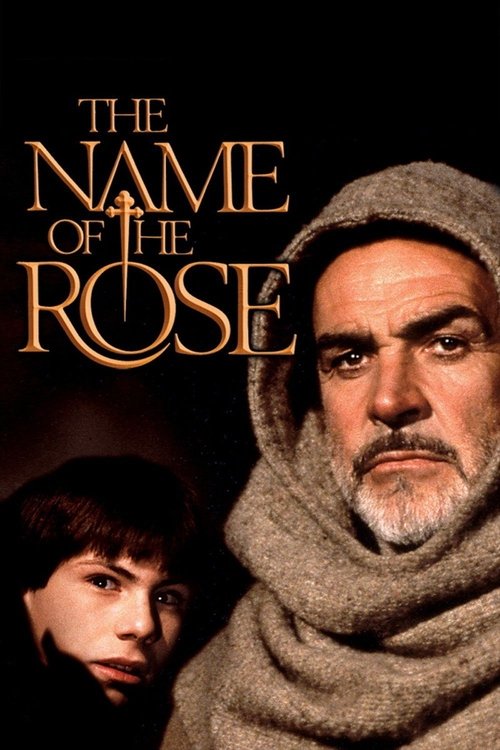
The Name of the Rose1986
Umberto Eco's mediaeval monastery mystery, Sean Connery's monk seeking truth in a world of lies and dogma. The Vatican's corruption and the tension between faith and reason are The Young Pope's DNA, but filtered through older history and a different moral framework.
But Deliberately obscure, often ponderous, and more interested in theology than character. If you want mystique without answers, fine. If you want momentum, look elsewhere.
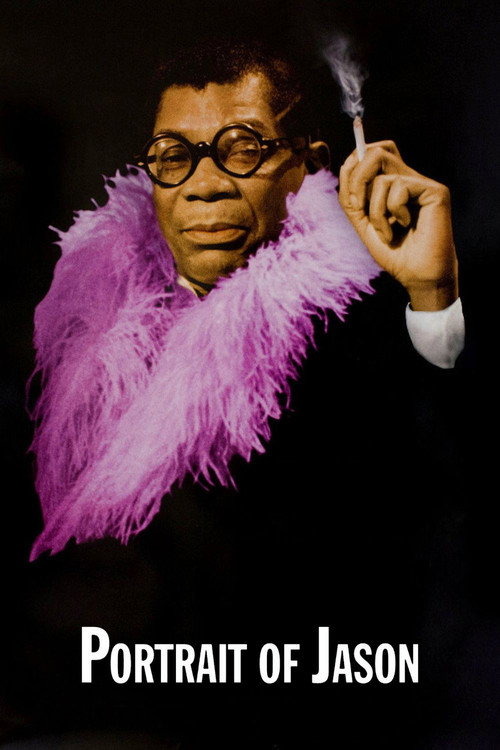
Portrait of Jason1967
Both are formally radical pieces about charisma as performance, about a compelling person aware of their own legend and performing it constantly. Both ask whether there's anything underneath the image, or whether the image is the only truth that matters.
Shirley Clarke's experimental documentary, fourteen hours of a Black gay man talking directly to camera about his life, charisma, and self-invention. It's formal innovation in service of character study—the camera refuses to look away, and you can't either. The Young Pope's visual obsession with Jude Law watching and being watched finds its ancestor here.
But Fourteen hours of a man talking. Black and white, no music, no editing for comfort. The first viewing experience is more endurance test than entertainment, and it requires absolute attention.
People
Cast
Writing
- Paolo SorrentinoCreator
Production
- Carole ScottaExecutive Producer
- Caroline BenjoExecutive Producer
- Jaume RouresExecutive Producer
- Javier MendezExecutive Producer
- John LyonsExecutive Producer
- Lorenzo MieliExecutive Producer
- Mario GiananiExecutive Producer
- Nils HartmannExecutive Producer
- Paolo SorrentinoExecutive Producer
- Roberto AmorosoExecutive Producer
- Ron BozmanExecutive Producer
- Simon ArnalExecutive Producer
- Sonia RovaiExecutive Producer
- Tony GrisoniExecutive Producer
- Viola PrestieriExecutive Producer
- Gennaro FormisanoLine Producer
- Ben JacksonProducer
- Jude LawProducer
- Mauro MonachiniSupervising Producer