
Television series
Tin Star
Tin Star is a modern Western transplanted to the Canadian Rockies: a disgraced detective turned small-town police chief who must confront his violent past when an oil refinery brings organized crime to his isolated community. Tense and character-driven, with moral ambiguity that deepens as the series progresses. It's for anyone who loved Justified but wants something darker and more psychologically unsettling.
Should you watch it?
Watch it if you like slow-burning revenge stories set on the frontier edge, where a wounded lawman's grief matters as much as the gunfights, and Tim Roth's brooding performance carries the whole thing.
Skip it if you want a tidy, fast procedural; this is a long, grim, deliberately heavy watch with a lot of brooding and a plot that sprawls across three seasons.
What it asks of you: Roughly 58-minute episodes, twenty-five of them over three seasons, so commit for the long haul; the pace is patient and the tone stays dark throughout.
Not sure? Find tonight's pick in a minute.
If you liked this
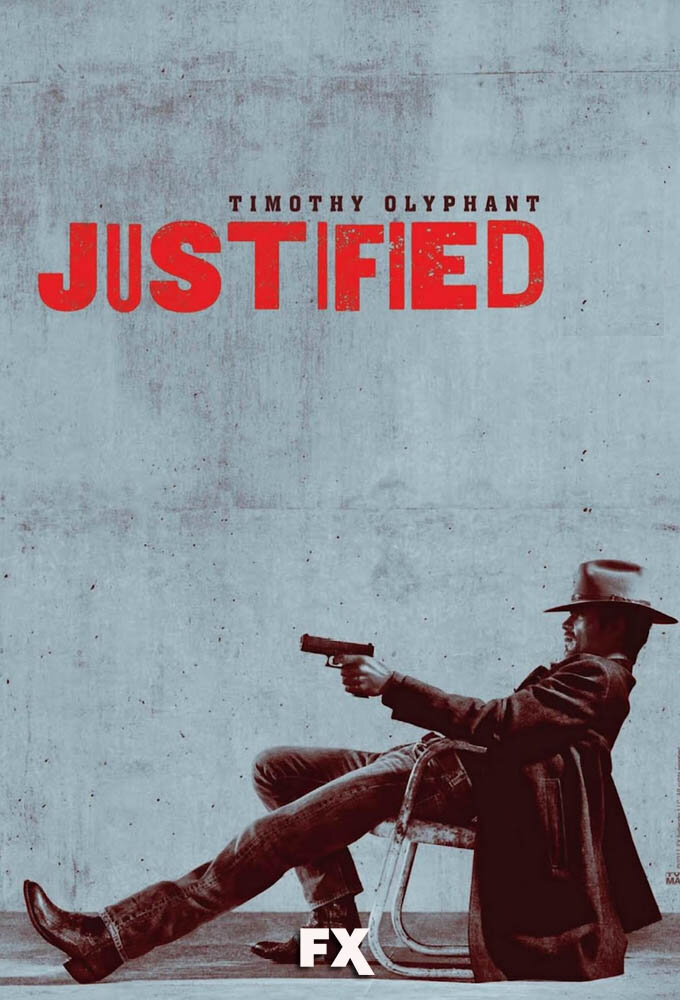
Justified2010
A US Marshal with a complicated past enforces justice in rural Kentucky. Like Tin Star, it's a Western DNA transplanted to a specific landscape, built on smart dialogue and a protagonist who blurs the line between lawman and outlaw.
But Justified takes six seasons to fully commit to darkness; Tin Star moves faster. The tonal shift might feel abrupt if you prefer gentler ramps into moral compromise.
True Detective2014
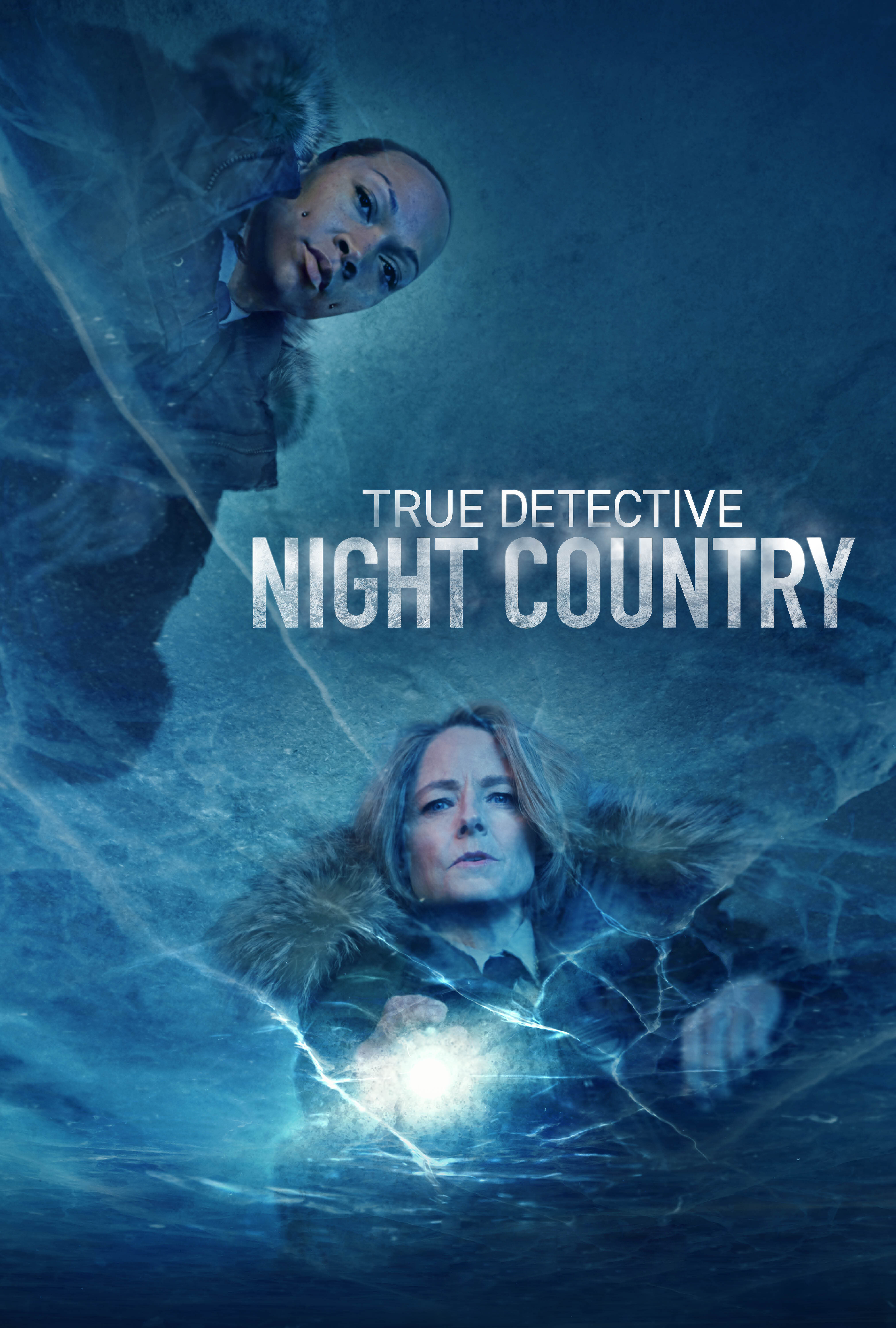
Two detectives uncover corruption and violence in Louisiana. Both shows share a fixation on how violence corrodes the men who wield it, and both unfold their mysteries with genuine dread rather than clever plotting alone.
But True Detective's first season is exceptional; later seasons divide audiences. Tin Star sustains its intensity more evenly, which some find relentless rather than gripping.
Hell or High Water2016
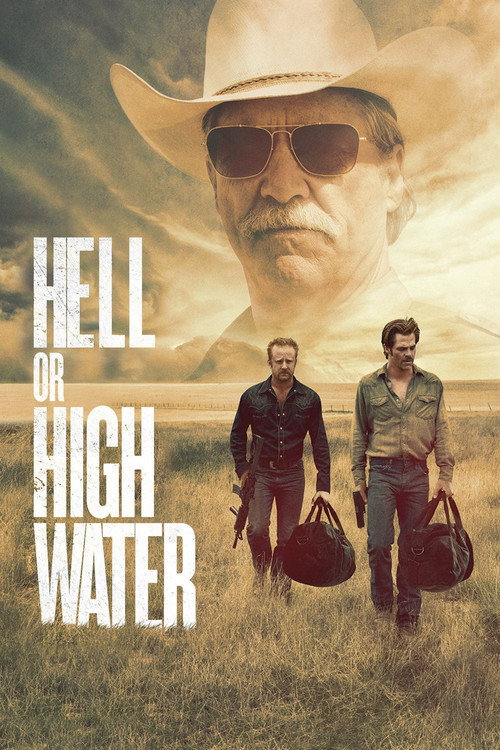
A modern Western about crime, desperation, and the compromises men make in dying towns. It has Tin Star's visual bleakness and its conviction that the line between law and lawlessness is thinner than we pretend.
But It's a film, not a series—shorter and leaner. If you love extended character development over time, the compression might feel frustrating.
Not sure tonight? Get a pick in a minute, starting from Tin Star
The wildcard
Something you would not have found on your own.
The Drop2014
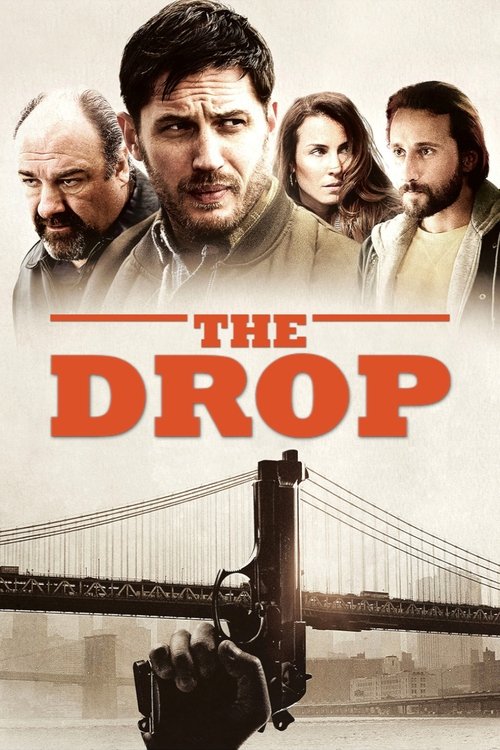
Both are intimate studies of men learning (or failing) to escape the gravitational pull of violence, told through a refusal to telegraph their moves. The moral choice is made quietly.
Tom Hardy plays a quiet man involved with criminals in Brooklyn. Like Tin Star, it's interested in how violence lives in ordinary men, and how the decision to act—or not—defines them. Both move slowly, building dread through character rather than plot.
But The Drop is minimalist to the point of inertia. If you're watching Tin Star for propulsive storytelling, this will feel frustratingly still.
More like this (8)
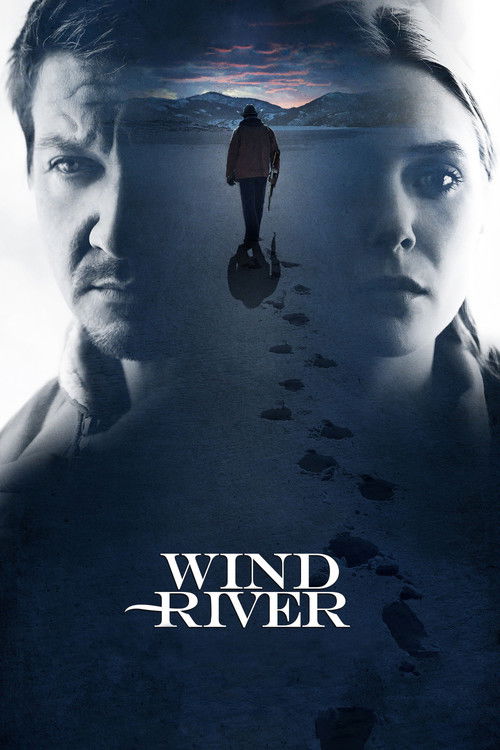
Wind River2017
A detective returns to his reservation to investigate a murder. Like Tin Star, it's interested in how communities fracture under crime and corruption, and in protagonists haunted by what they've already survived.
But Wind River is quieter and more meditative. If you want the propulsive tension Tin Star maintains, this will feel glacial.
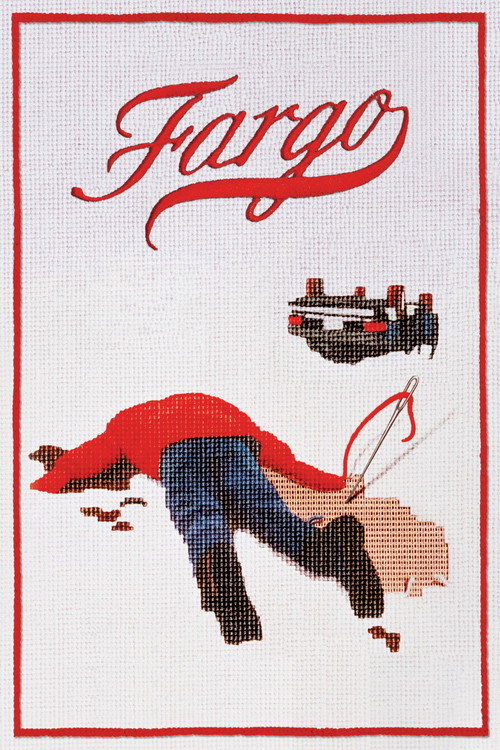
Fargo1996
Darkly comic crime unfolds in a snowy regional landscape where ordinary people become monsters. Both shows understand that the best Westerns aren't about good versus evil, but about the cost of choosing a side.
But Fargo keeps its tone lighter than Tin Star—the humour is a safety valve. If you're watching Tin Star for unrelenting darkness, Fargo's comedic moments might feel like they're undermining the stakes.
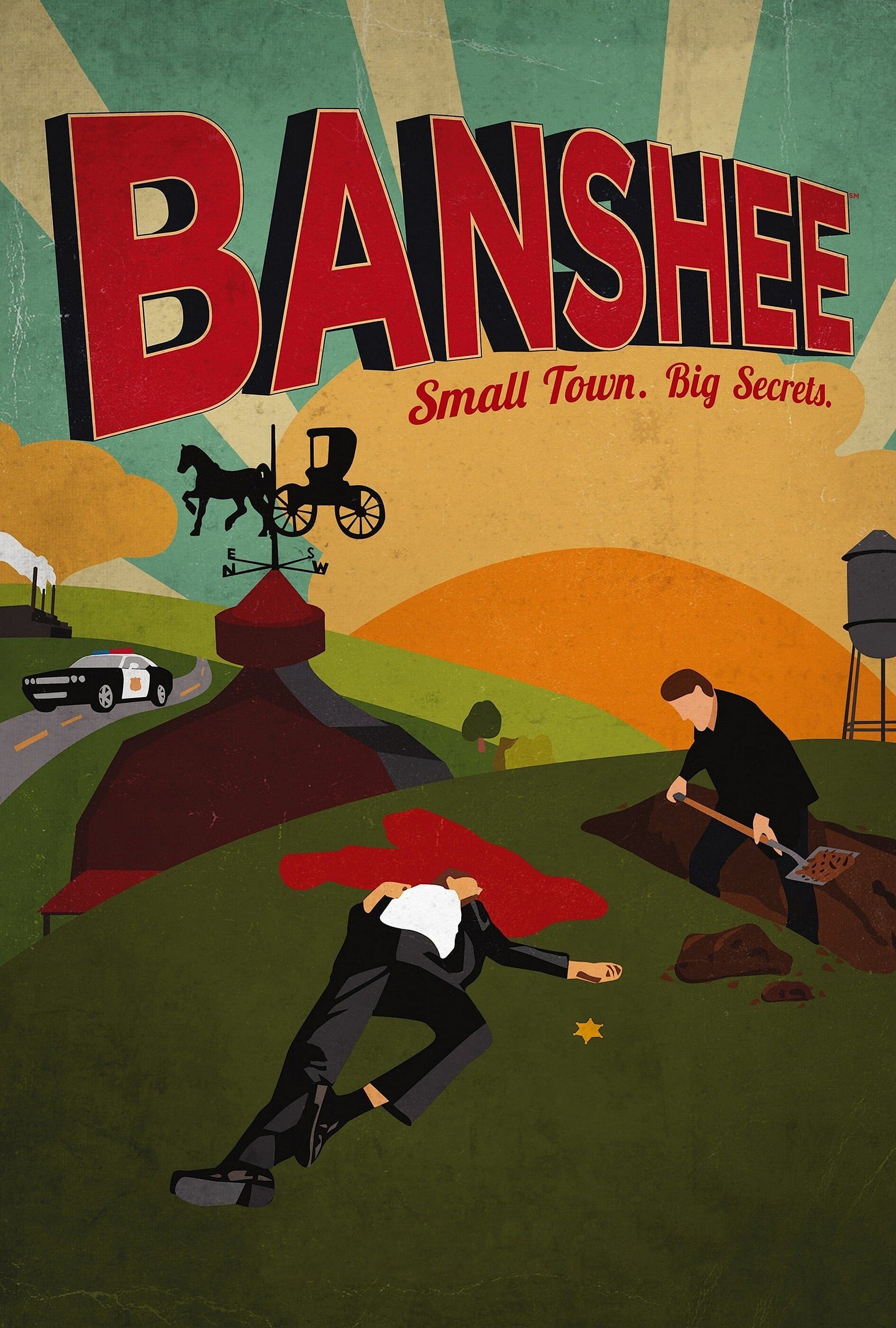
Banshee2013
An ex-con assumes a dead man's identity as a small-town sheriff and must navigate criminals, gangs, and the people he's betrayed. It has Tin Star's willingness to let its protagonist be morally compromised and its pleasure in complex action.
But Banshee prioritizes pulp over psychology. It's more fun than Tin Star, which some will love and others will find shallow by comparison.
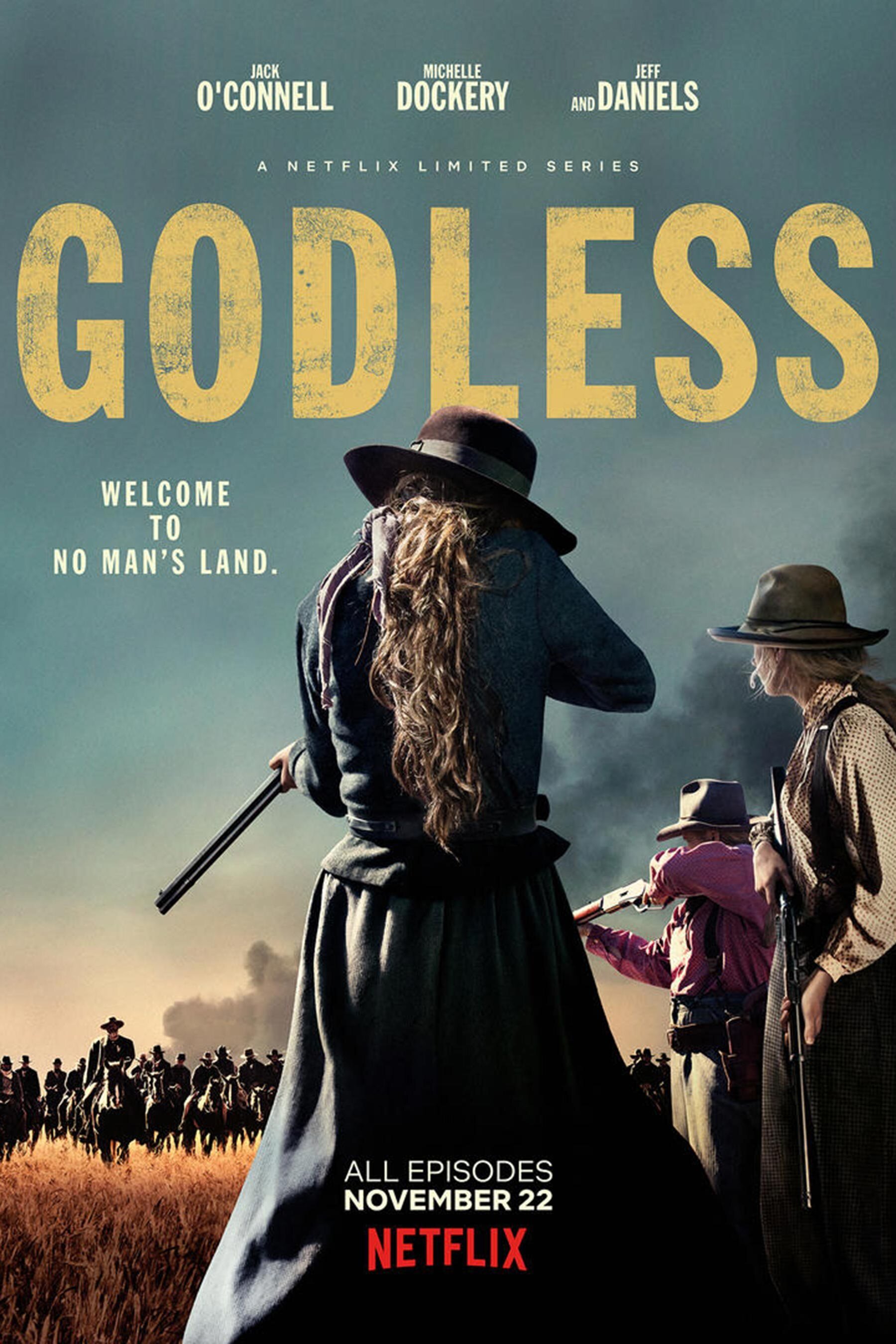
Godless2017
A Western town run by women; an outlaw seeks refuge. It has Tin Star's visual style and its interest in how power corrupts from the inside. Released the same year, they share a sensibility about the genre's possibilities.
But Godless is less interested in the psychological toll of violence. Its pleasures are more baroque and less morally claustrophobic than Tin Star demands.
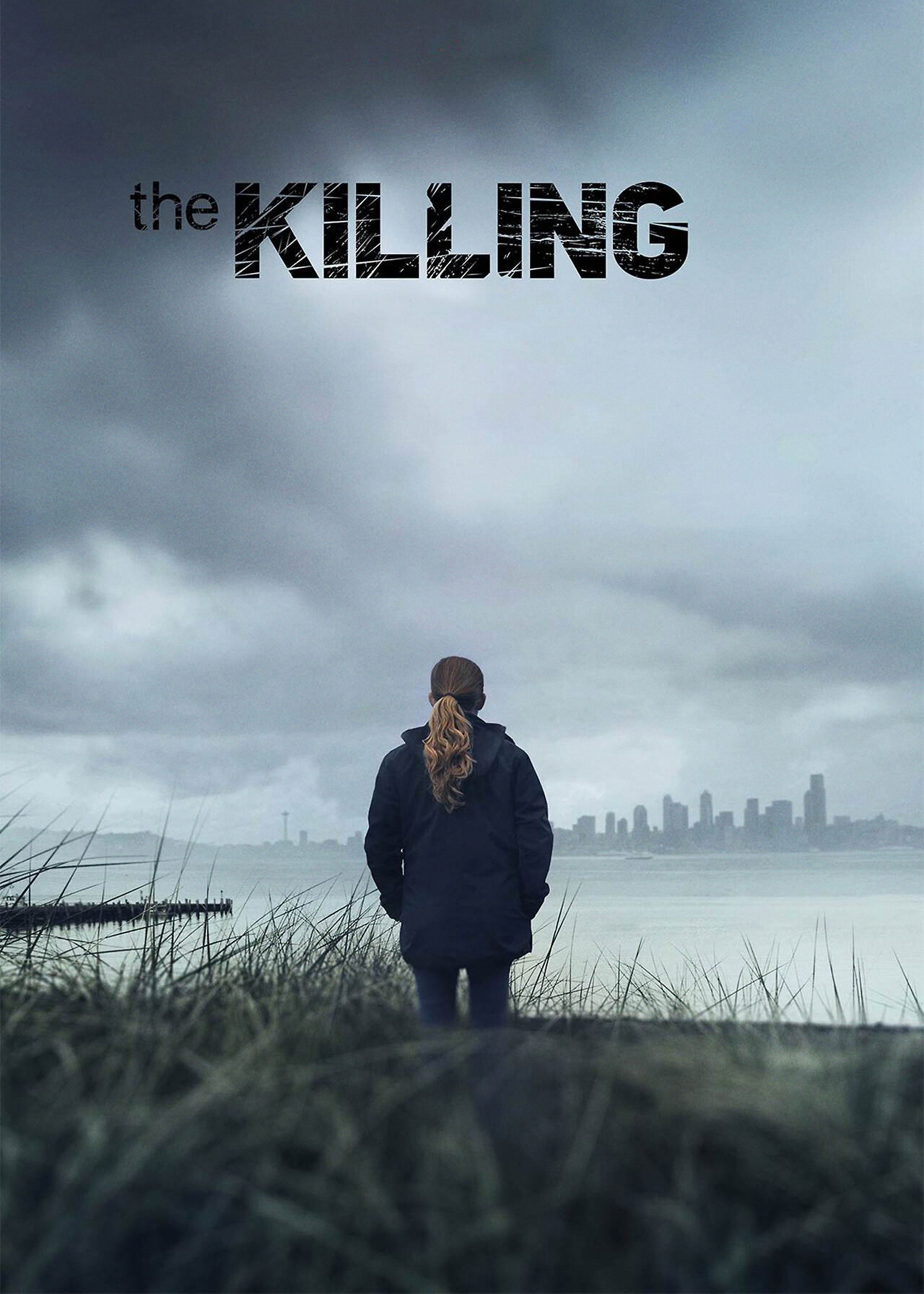
The Killing2011
A Danish procedural about two detectives investigating a girl's murder in Copenhagen. Both shows understand that crime drama isn't really about solving crimes—it's about what the investigation costs the investigator.
But The Killing is methodical to the point of austerity. Tin Star moves faster and delivers clearer dramatic payoffs, so The Killing might feel glacial or even dull if momentum matters to you.
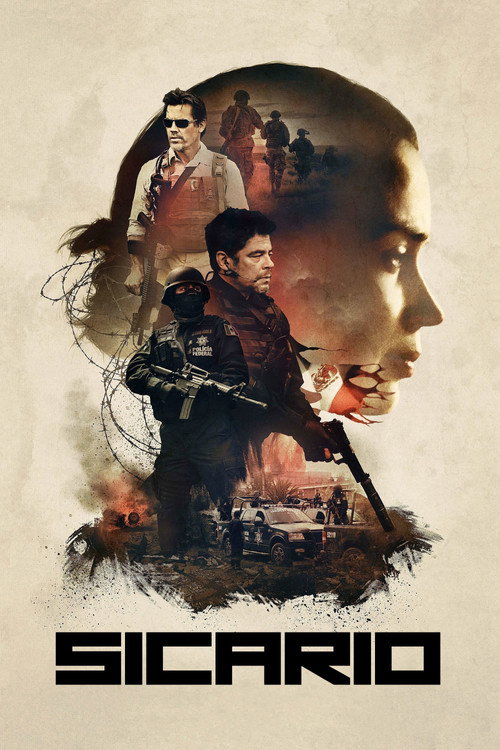
Sicario2015
An FBI agent is drawn into a morally ambiguous operation at the Mexican border. Like Tin Star, it's about a protagonist pulled deeper into darkness by circumstances and their own choices, shot with visual precision and genuine dread.
But Sicario is pessimistic in a way that leaves no redemption possible. Tin Star allows its characters room for conscience; if you need hope, this will feel bleaker than you can bear.
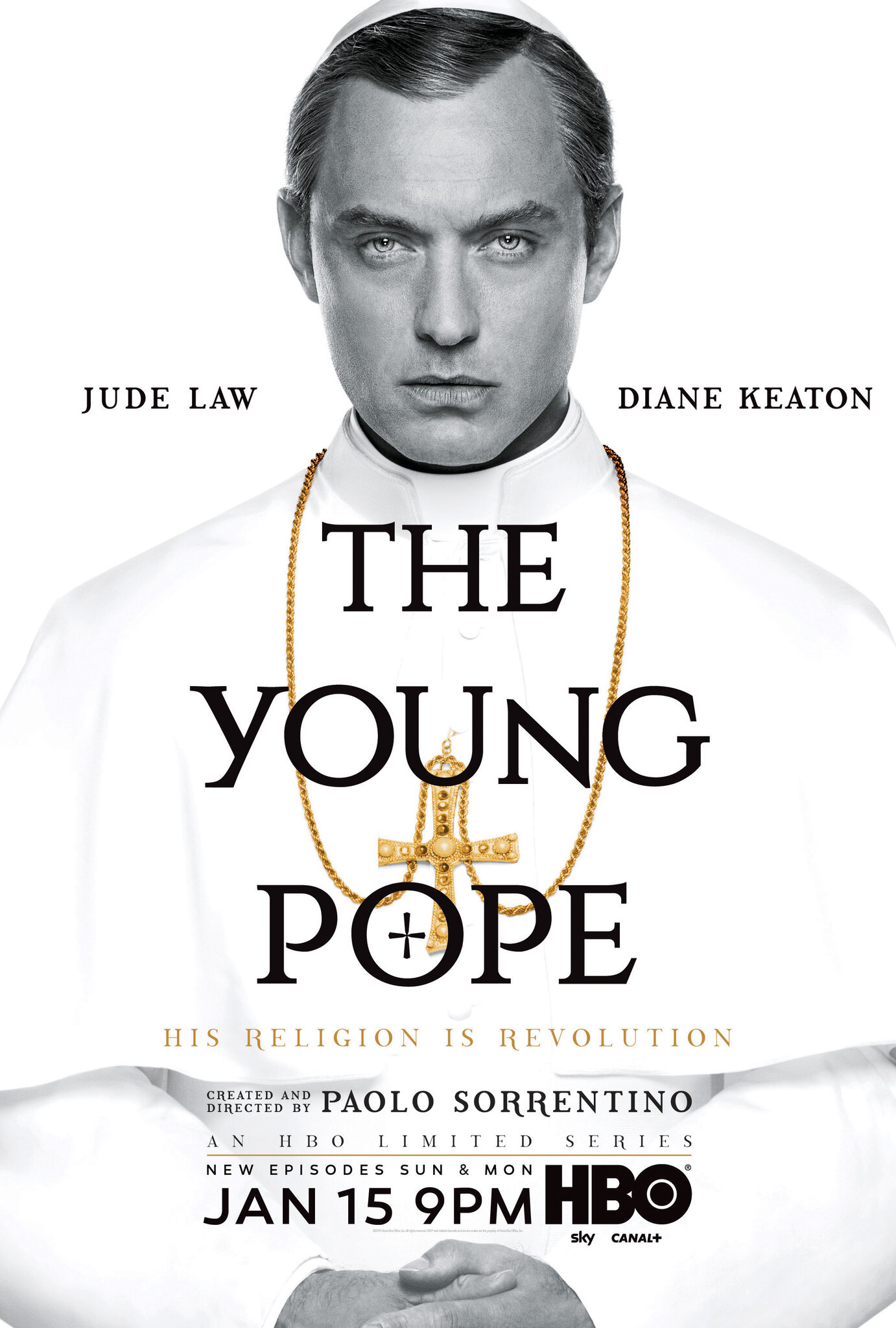
The Young Pope2016
Both centre on a charismatic, morally compromised man at the top of a hierarchy, using power to rewrite the rules of his small world and justify violence in the name of order. Both understand that absolute authority is its own addiction.
A brilliant but unstable American cardinal becomes Pope and consolidates power in the Vatican. It shares Tin Star's interest in how absolute authority corrupts the person wielding it, but approaches it through surrealism and visual grandeur rather than Western dirt and violence.
But It's Italian television, visually baroque, deliberately operatic. If you want gritty realism, this swings hard in the opposite direction. Some find it self-indulgent.
The Act of Killing2012
Both refuse the comfort of moral distance. Both ask you to understand perpetrators without forgiving them, and to sit with that discomfort. Both believe that understanding how ordinary men become capable of violence matters more than judgment.
A documentary in which Indonesian death-squad leaders recreate their mass murders. It shares Tin Star's refusal to look away from violence or to distance itself from the people who commit it. Extraordinarily difficult and illuminating.
But This is a documentary about real atrocities. It's not entertainment. Some viewers find it unwatchable, and that's a reasonable response to material this grave and this graphic.

People
Cast




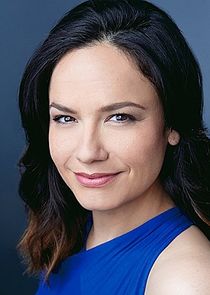
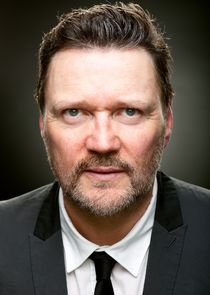




Writing
- Rowan JoffeCreator
Production
- Alison JacksonExecutive Producer
- Linda A. Rogers-AmburyLine Producer
- Jonathan CurlingProducer
Recommended by
The Investigator, The Burning Girls, The Pembrokeshire Murders