
Film
Portrait of Jason
- Biopic
- Very dark
Shirley Clarke's 1967 documentary is a single sustained interview with Jason Holliday, a Black gay hustler and aspiring performer in New York. It's intimate and revelatory, occasionally uncomfortable, a portrait built entirely through conversation and reaction. Clarke keeps her hand visible—you feel the filmmaker present. Essential for understanding queer and Black life in the sixties, and mesmerizing as pure cinema.
Should you watch it?
Watch it if you are drawn to talk-driven films where a single charismatic person holds the camera for ninety minutes, and the pleasure lies in watching someone perform themselves with wit, vanity and sudden honesty.
Skip it if you need a plot, cutaways or some external action to stay engaged, since almost everything here happens in one room with one man talking, drinking and circling his own stories.
What it asks of you: It asks for sustained patience with a single unbroken conversation, a slow unfolding over about an hour and three-quarters, and attention to what is said between the lines rather than what is shown.
Not sure? Find tonight's pick in a minute.
If you liked this
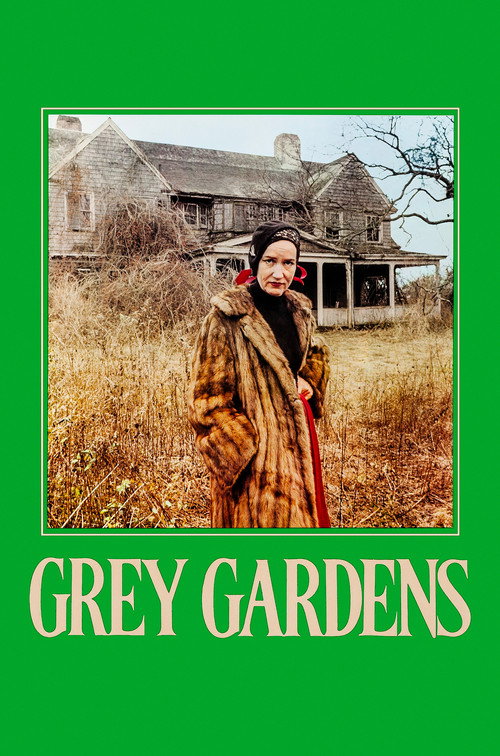
Grey Gardens1976
The Maysles brothers capture two reclusive women in their decaying mansion with the same unflinching, intimate gaze Clarke brings to Jason. It's a documentary that functions as character study and fever dream simultaneously.
But Deliberately paced and structurally oblique; if you need plot momentum or clear narrative arc, this will feel like watching someone else's home videos.
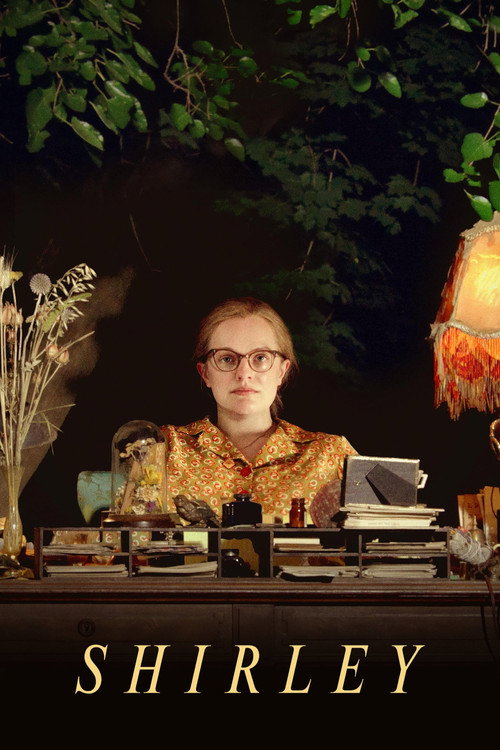
Shirley2020
Elisabeth Moss plays Shirley Jackson in a film about artistic ambition, control, and the hunger to capture human truth. It mirrors Clarke's own obsession with seeing clearly and unflinching.
But Fictional speculation about a real person's psyche; some viewers find biographical invention ethically uncomfortable.
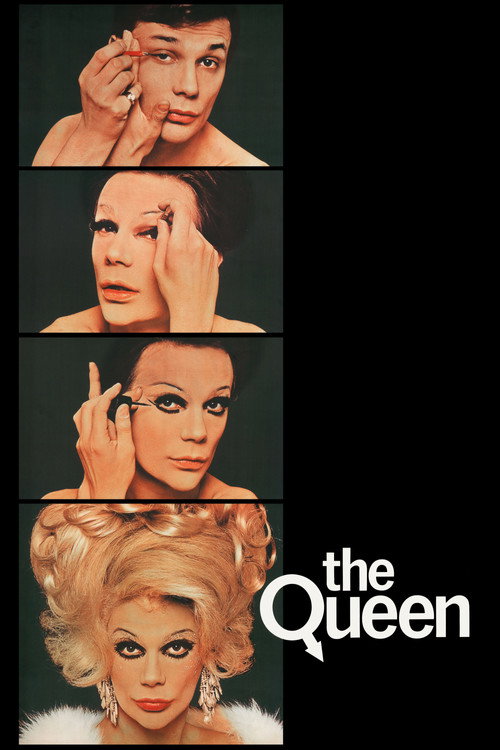
The Queen1968
Mike Sarne's documentary about drag queens preparing for a pageant. It has Portrait's energy—direct address, unguarded moments, the texture of a specific subcultural world caught in transition.
But Shot on low-quality 16mm and aggressively of its moment; the aesthetic takes work to sit with.
Not sure tonight? Get a pick in a minute, starting from Portrait of Jason
The wildcard
Something you would not have found on your own.
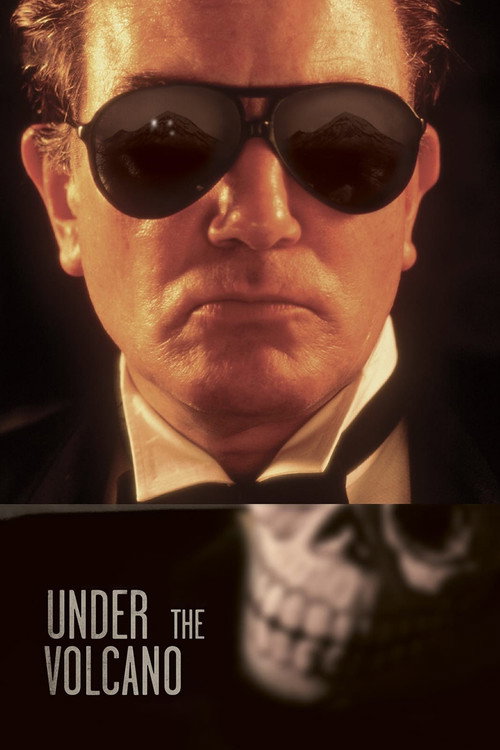
Under the Volcano1984
Both films believe a life can be understood through a single encounter; both feature a central figure performing a version of themselves, aware of and complicit in their own unraveling.
John Huston's adaptation of Malcolm Lowry follows a day in the life of a falling consul in Mexico. Like Portrait, it's a single temporal frame crammed with a whole life's worth of revelation, performance, evasion, and self-awareness.
But Formally demanding and emotionally exhausting; the protagonist's spiral and the film's refusal to look away can feel unbearably bleak.
More like this (8)
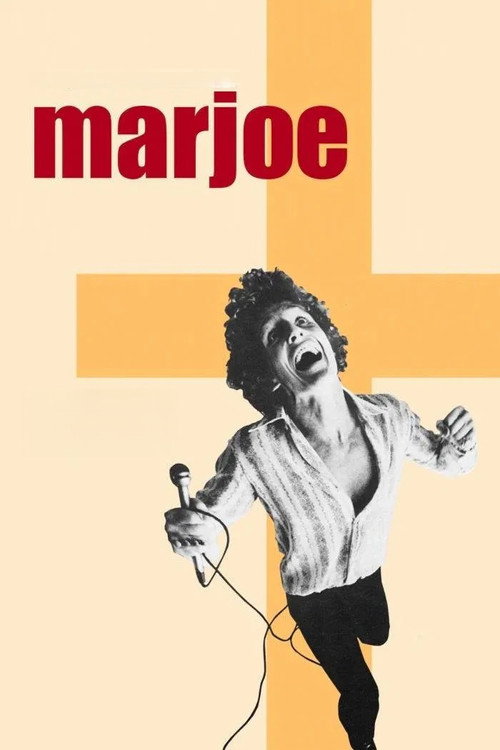
Marjoe1972
A charismatic subject (a former child evangelist) performs and reveals himself by turns. Like Jason, Marjoe plays the camera brilliantly, and the filmmakers let that performance be the entire film.
But The subject's manipulation can feel cynical; the film doesn't judge, which some find morally slippery.
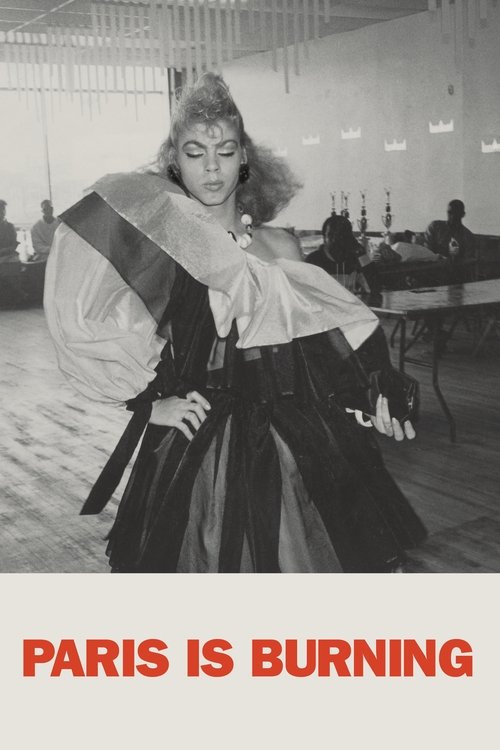
Paris Is Burning1991
Jennie Livingston documents New York's ballroom scene with similar access and affection. It's a cultural record of Black and trans life, style, and survival that feels alive rather than archived.
But Livingston's directorial presence is lighter than Clarke's; if you want a more interrogative filmmaker, this prioritizes the subjects' own voices.
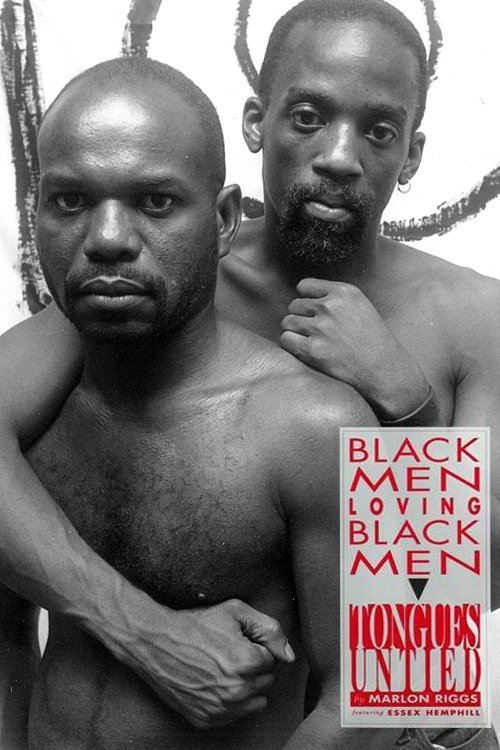
Tongues Untied1990
Marlon Riggs's documentary essay on Black gay identity moves where Portrait stands still, mixing interview, poetry, performance, and archive. It's a spiritual successor in intent if not form.
But Experimental and associative rather than traditionally structured; the lack of throughline bothers viewers who want conventional documentary logic.
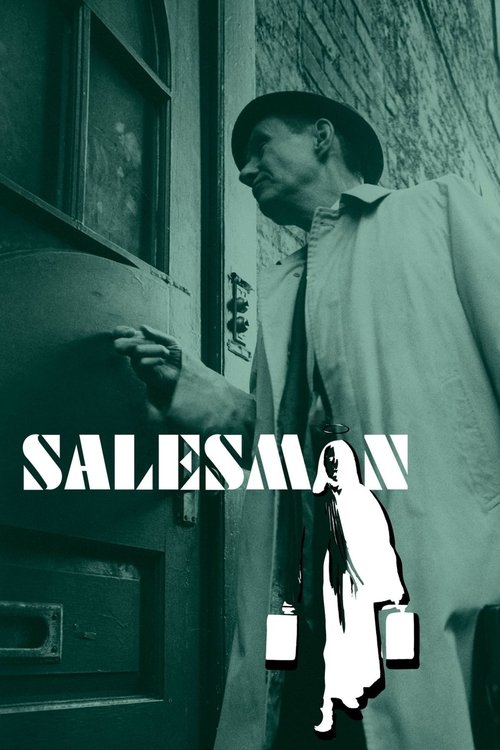
Salesman1969
The Maysles and Charlotte Zwerin follow Bible salesmen with documentary precision that strips away pretense. It shares Portrait's interest in performance, survival, and what people reveal under observation.
But Slow and observational to the point of monotony if you're not patient with unhurried pacing.
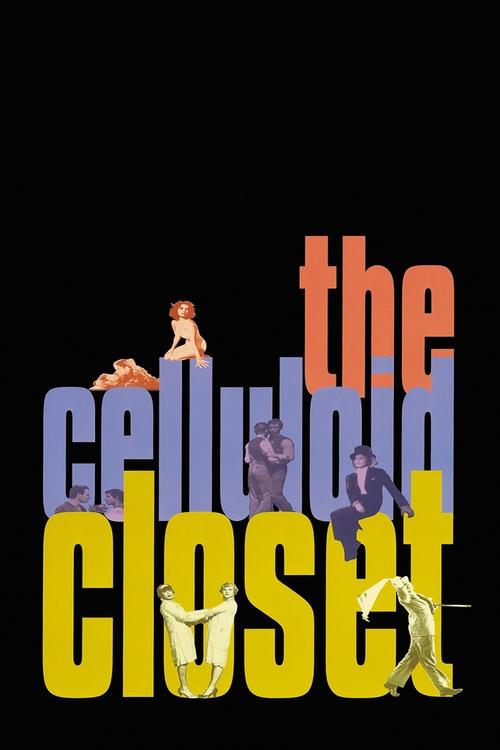
The Celluloid Closet1996
An essay on how cinema has represented (or hidden) gay life. It contextualizes what Portrait was doing in 1967—breaking a near-total cinematic silence around queer experience.
But Archival and lecture-based rather than immersive; the mode is explanatory rather than experiential.
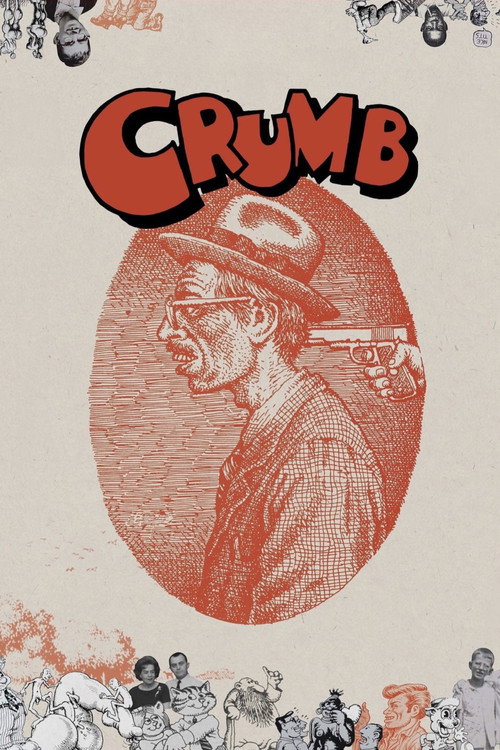
Crumb1995
Terry Zwigoff's portrait of cartoonist R. Crumb and his family is intimate, troubling, and refuses easy judgment. It shares Portrait's willingness to show the unglamorous truth about a complicated person.
But The subject's misogyny and dysfunction are documented unflinchingly; comfort seeking viewers will find it bleak.
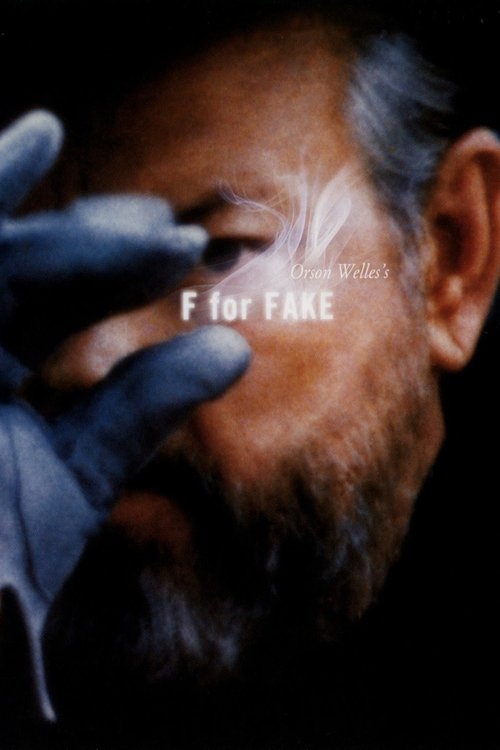
F for Fake1973
Both deconstruct the documentary impulse itself. Clarke and Welles are both fascinated by the gap between the self and its performance, and by what a camera actually captures when it claims to capture truth.
Orson Welles's essay film is about authenticity, performance, deception, and what it means to be watched. It plays with documentary form the way Jason plays with his own image—meta, dazzling, irresistible.
But Formally chaotic and sometimes precious; Welles's voiceover can feel more enamored with itself than with its subject.
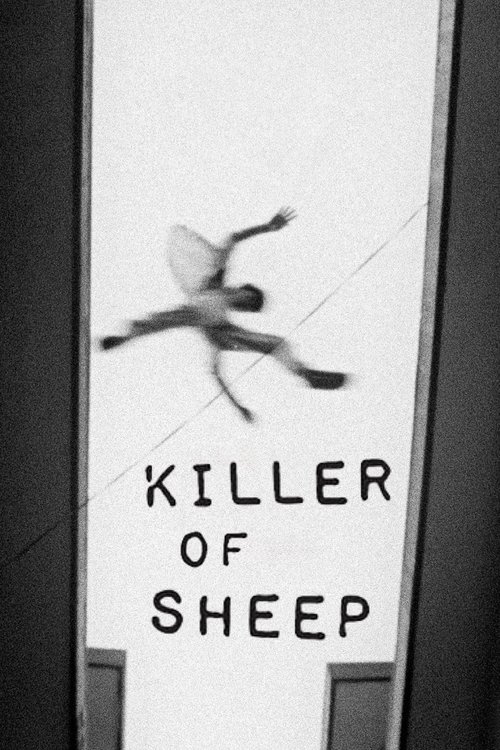
Killer of Sheep1978
Both are acts of artistic attention to a Black life that mainstream cinema had rendered invisible. Both trust their subject entirely and make that trust the form.
Charles Burnett's independent film (shot in 16mm, rarely distributed) documents the texture of a Black working-class man's life in Watts with poetry and rigor. It shares Portrait's focus on a singular Black subjectivity as sufficient material for cinema.
But Structurally fragmented and defiantly slow; it's more interested in mood and texture than plot or narrative satisfaction.
People
Cast
- Jason HollidaySelf
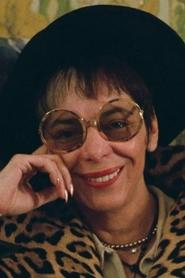 Shirley ClarkeSelf - Interviewer (voice)
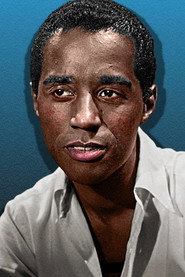 Carl LeeSelf - Interviewer #2 (voice)
Directing
- Shirley ClarkeDirector
Production
- Shirley ClarkeProducer
Recommended by
Chronicle of a Summer, Word Is Out: Stories of Some of Our Lives, Chris & Don: A Love Story, The Young Pope, Regarding Susan Sontag