
Film
Regarding Susan Sontag
- Slow-burning
A portrait of Susan Sontag built from archival footage, photographs, and readings of her own prose by Patricia Clarkson, tracing the intellectual life of the 20th century's most restless thinker. It doesn't myth-make or simplify. Instead, it sits with her contradictions—her brilliance and her cruelty, her ravenous curiosity and her loneliness. For anyone who's wondered what Sontag was actually like.
Should you watch it?
Watch it if you like essayists' minds at work and enjoy hearing a writer's own sentences read aloud over old footage, the way a sharp reading of a life can feel like a conversation.
Skip it if you need a tidy chronology or a brisk pace, since this is a loosely assembled mosaic that lingers on ideas and rarely hurries anywhere.
What it asks of you: A hundred minutes assembled from fragments, talking heads and archive clips, with quiet stretches where the ideas carry the weight rather than the plot.
Not sure? Find tonight's pick in a minute.
If you liked this
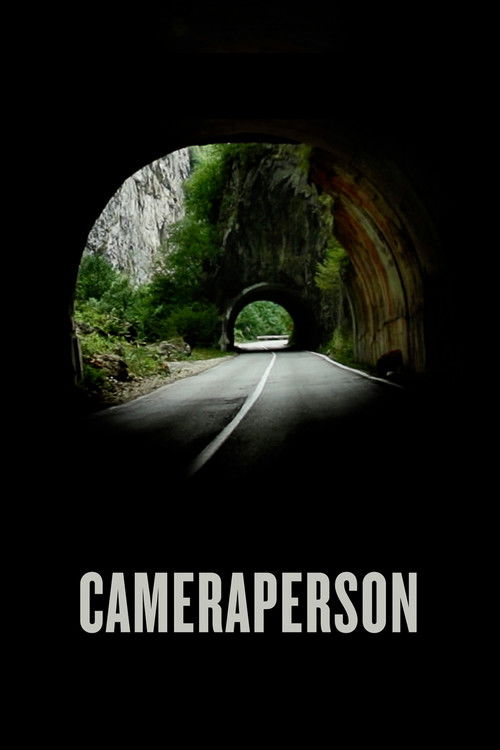
Cameraperson2016
Kirsten Johnson's documentary collage of her own footage from thirty years of filmmaking becomes a meditation on witness, complicity, and what we choose to see. It shares Sontag's intellectual rigour about how images shape consciousness.
But Deliberately fragmentary and abstract. No linear narrative or clear takeaway. Demands active thought rather than passive comfort.
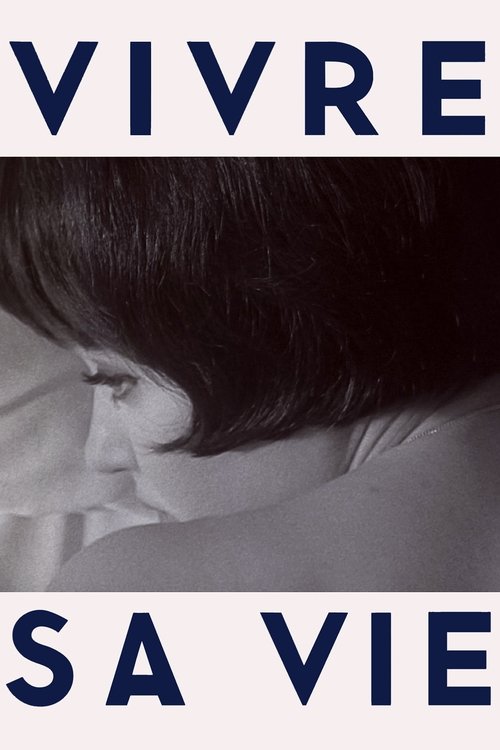
Vivre Sa Vie1962
Michel Hazanavicius constructs Jean-Luc Godard from his own words, film excerpts, and collaborators' memories—a method that echoes Sontag's technique of reading and assemblage. Both films explore how an artist's life and work become inseparable.
But Godard remains difficult and sometimes wilfully obscure. Three hours. If you've never engaged with his films, this may feel like watching someone discuss private jokes.
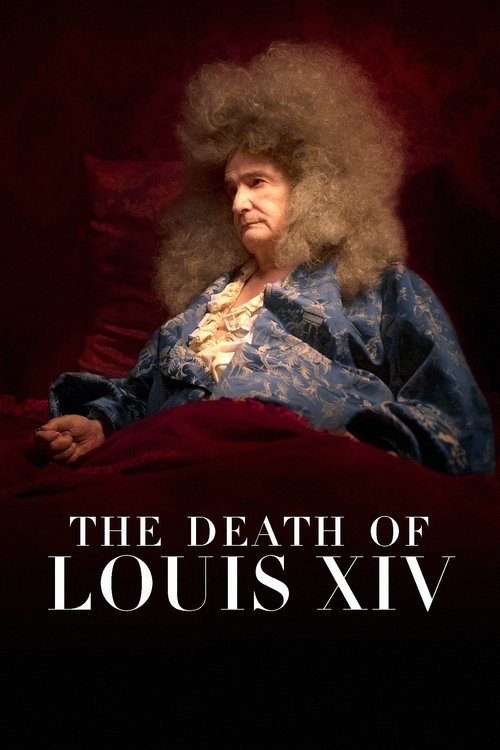
The Death of Louis XIV2016
Albert Serra's spare, almost tactile study of a body and mind in decline. Like the Sontag film, it refuses melodrama and pity—instead offering unflinching, almost loving observation of mortality and consciousness.
But Glacially slow. Minimal dialogue. The entire film is essentially a king lying in bed, attended and studied. Requires patience and genuine interest in the philosophical weight of watching.
Not sure tonight? Get a pick in a minute, starting from Regarding Susan Sontag
The wildcard
Something you would not have found on your own.
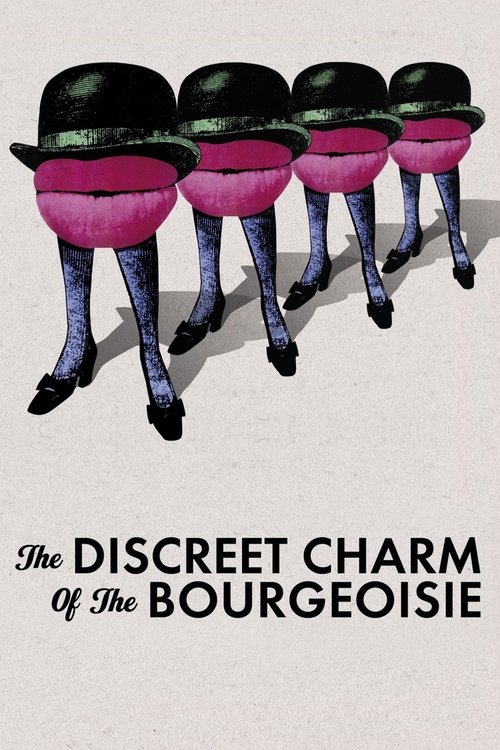
The Discreet Charm of the Bourgeoisie1972
Sontag championed Buñuel and wrote about Camp and artifice. This film embodies that philosophy—form and style matter as much as ideas, and neither needs to be solemn.
Buñuel's surrealist farce about a dinner party that never happens is, like Sontag's essays, about the failure of surfaces to hold meaning. It's intellectual but weird, funny, and visually ravishing.
But Surrealism asks you to follow dream-logic rather than plot. Some stretches feel indulgent or silly, even deliberately so. Not for viewers who prefer clarity over provocation.
More like this (3)
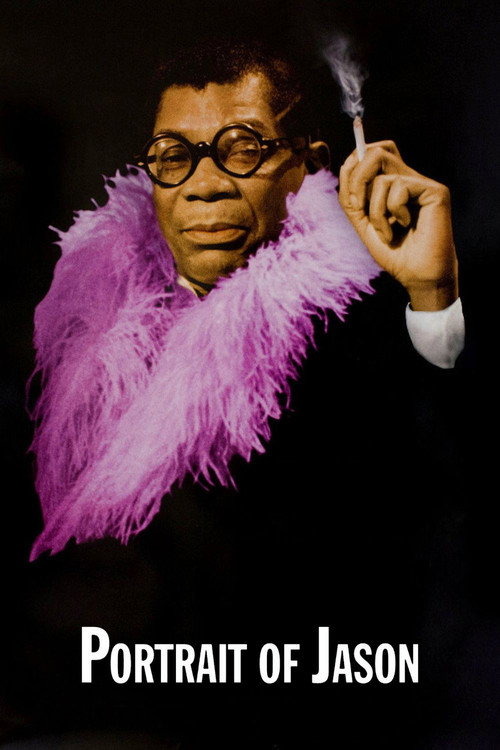
Portrait of Jason1967
Shirley Clarke films a single man talking for 105 minutes—an act of attention and presence that recalls Sontag's belief in the ethical power of observation. It's experimental documentary that changed the form.
But Essentially a very long interview. Shot in 1967 with limited production value. Requires genuine patience and willingness to listen to another person's voice and life.
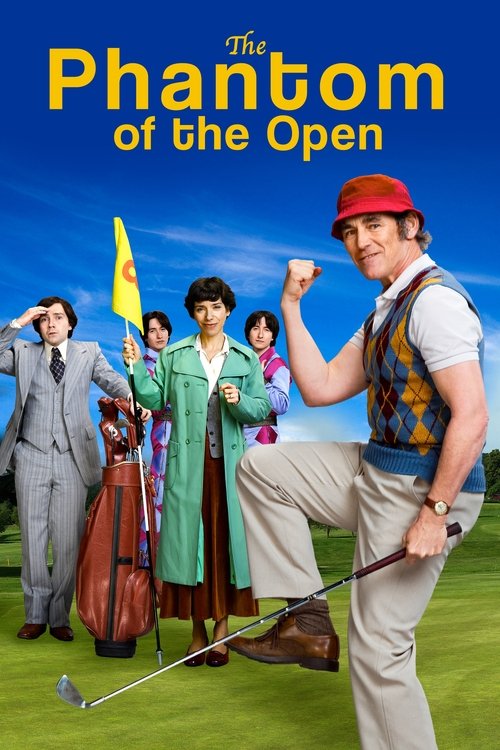
The Phantom of the Open2022
A tender, unflinching portrait of an outsider artist and eccentric—played by Mark Rylance—who doesn't apologize for existing. There's something Sontag-like about the film's refusal to make him palatable or small.
But Quirky British indie about golf. If the premise sounds whimsical to you, the execution is too sincere to deliver the cosy charm you might expect.
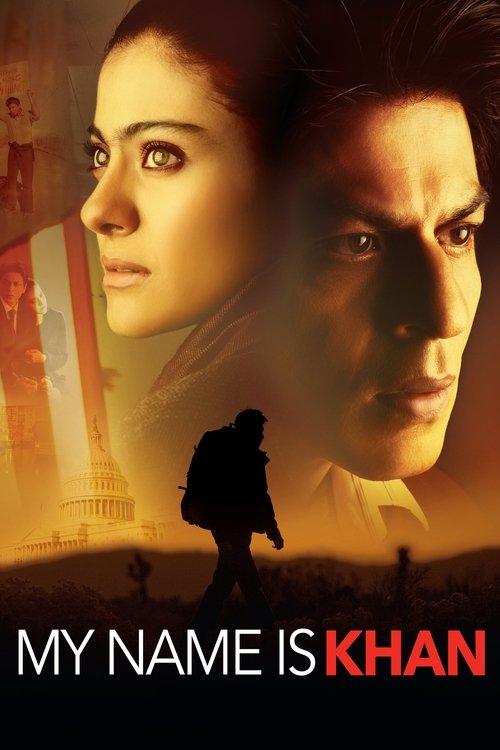
My Name Is Khan2010
Karan Johar's earnest, sprawling meditation on identity and otherness in post-9/11 America. Not a typical Sontag follow-up, but it grapples with the same question of how a person is read, perceived, and misunderstood.
But At times overwrought and sentimental. Bollywood scale and melodrama may feel like the opposite of intellectual documentary rigor.
People
Cast
 Susan SontagSelf (archive footage)
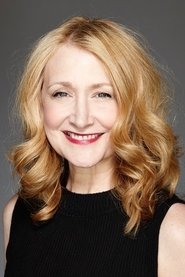 Patricia ClarksonSusan Sontag (voice)
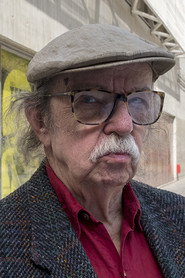 Noël BurchSelf
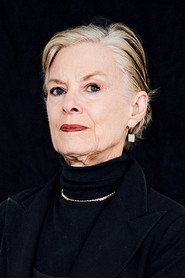 Lucinda ChildsSelf
- Mark DannerSelf
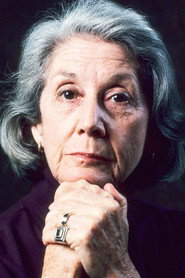 Nadine GordimerSelf
- Alice KaplanSelf
- Stephen KochSelf
- Eva KollischSelf
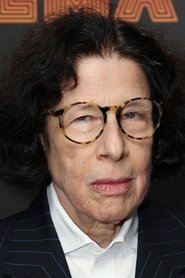 Fran LebowitzSelf
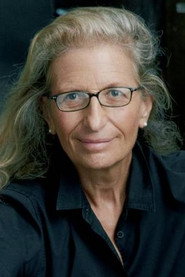 Annie LeibovitzSelf
- David RieffSelf
Directing
- Nancy D. KatesDirector
Writing
- John HaptasScreenplay
- Nancy D. KatesScreenplay
Production
- Arwen CurryAssociate Producer
- Susannah Patrice MorseAssociate Producer
- Rachel AntellCo-Producer
- Tom DolbyExecutive Producer
- Nancy D. KatesProducer