
Film
The Seventh Sign
A pregnant woman discovers her mysterious new boarder is an angel ushering in the Biblical apocalypse. This 1988 thriller blends genuine dread with religious mythology, asking what faith means when prophecy becomes tangible. It's tense, strange, and takes its cosmic horror seriously—perfect for viewers who want their supernatural threats grounded in theology rather than jump scares.
If you liked this
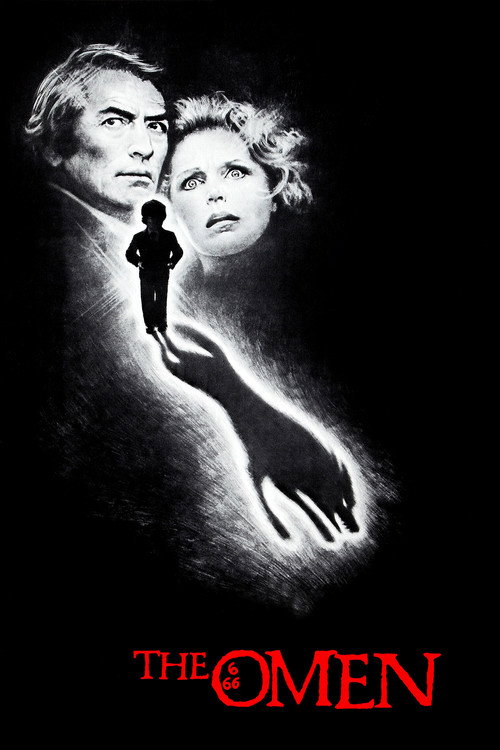
The Omen1976
A diplomat unknowingly raises the Antichrist. Like *The Seventh Sign*, it treats apocalyptic horror as intimate family drama, building dread through slow revelation and theological weight rather than spectacle.
But The pacing in the first half is deliberate almost to the point of tedium, and some deaths feel arbitrary rather than earned.
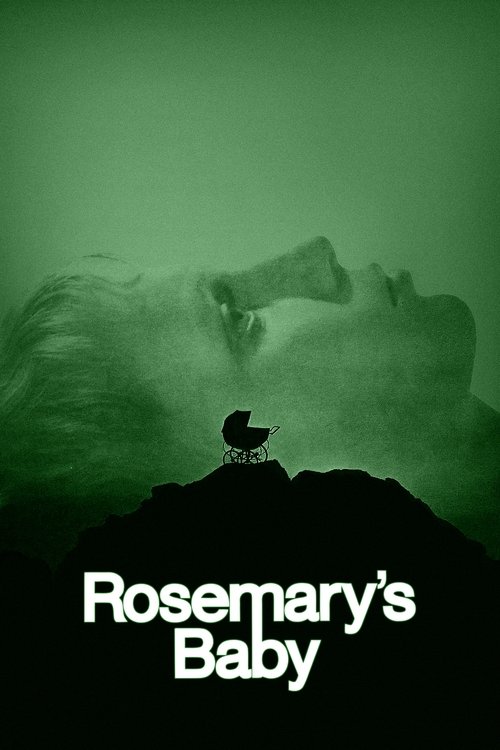
Rosemary's Baby1968
A pregnant woman suspects the world around her is conspiring to control her child's destiny. Both films weaponize pregnancy and paranoia, asking whether faith or fear should win when everything feels orchestrated.
But It's slow-burn psychological horror with almost no violence; if you want action, you'll find it exhausting rather than terrifying.
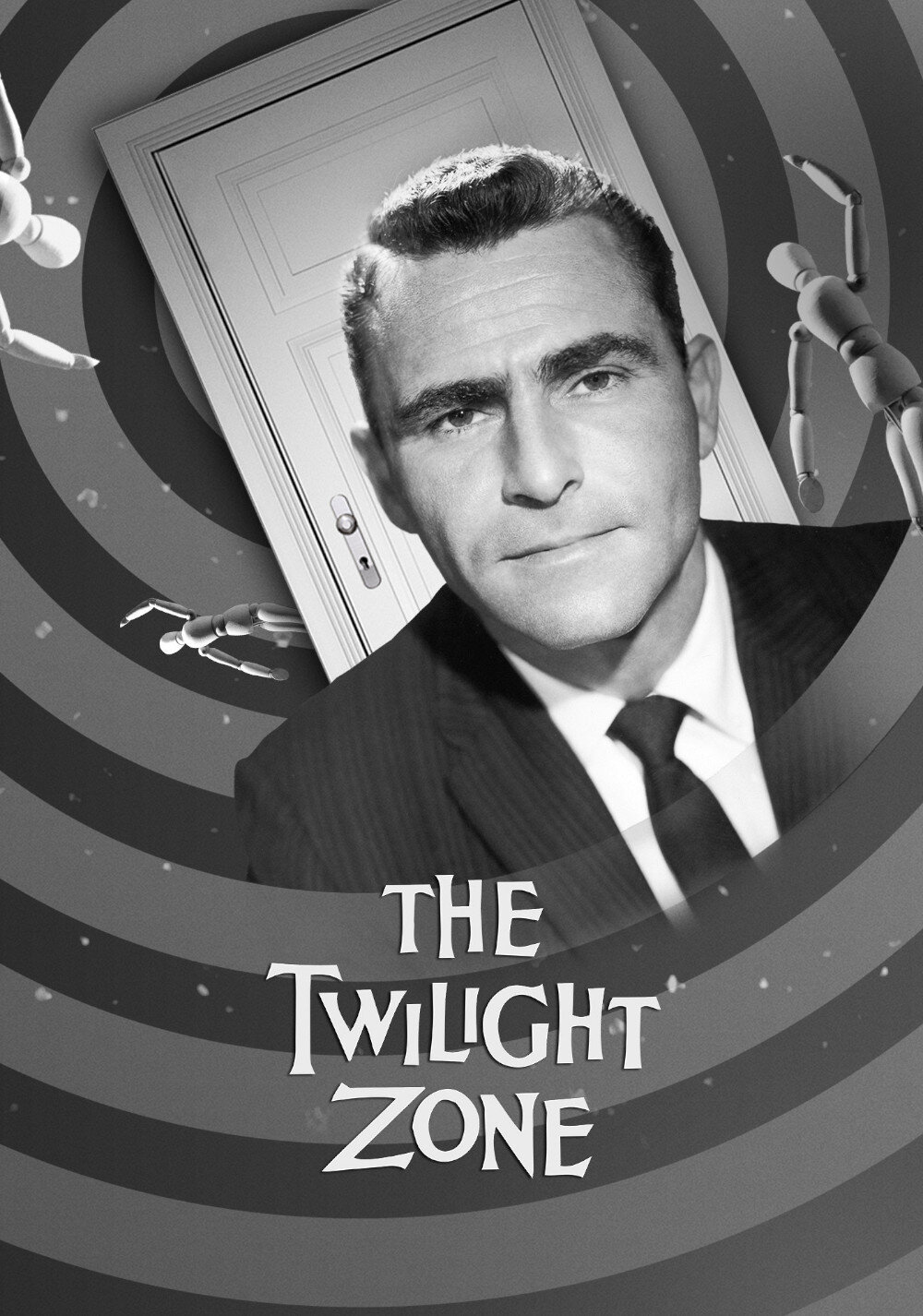
The Twilight Zone1959
Anthology series exploring faith, fate, and cosmic indifference. Episodes like 'A Quality of Mercy' and 'The Midnight Sun' share *The Seventh Sign*'s interest in how ordinary people reckon with forces beyond comprehension.
But The acting is very much of the era, and some episodes resolve too neatly. Quality varies wildly across seasons.
Not sure tonight? Get a pick in a minute, starting from The Seventh Sign
The wildcard
Something you would not have found on your own.
Under the Skin2014
Both treat the apocalyptic or inhuman agent as a silent observer moving through human spaces, unconcerned with our moral judgment.
An alien woman harvests humans for unknown purposes. Both films refuse to explain their supernatural agent's full motives or nature. Both use slow pacing and visual strangeness to create unease; both ask what it means to witness something that doesn't want to be understood.
But It's glacially slow, almost wordless, and the ending provides no resolution. Many viewers find it pretentious rather than profound.

More like this (8)
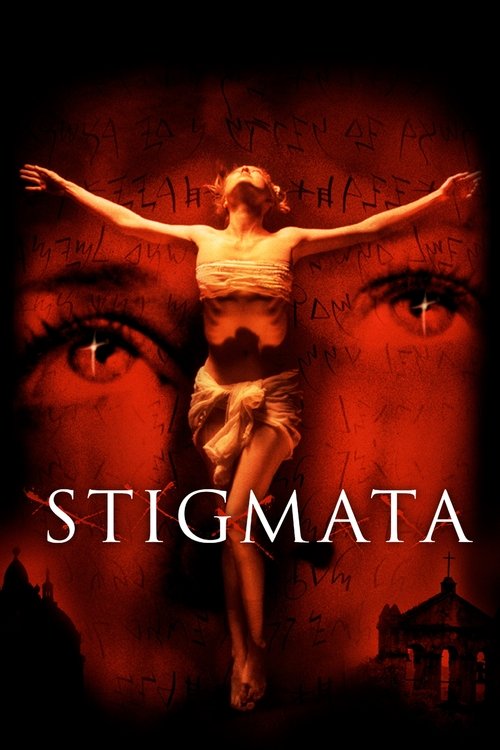
Stigmata1999
A non-religious woman becomes a vessel for religious trauma and stigmata. It matches *The Seventh Sign*'s visual intensity and its willingness to make the body a battleground between faith and flesh.
But The script is overwrought and the theology is muddled. It's more style than substance, which works until you think about what's actually being said.
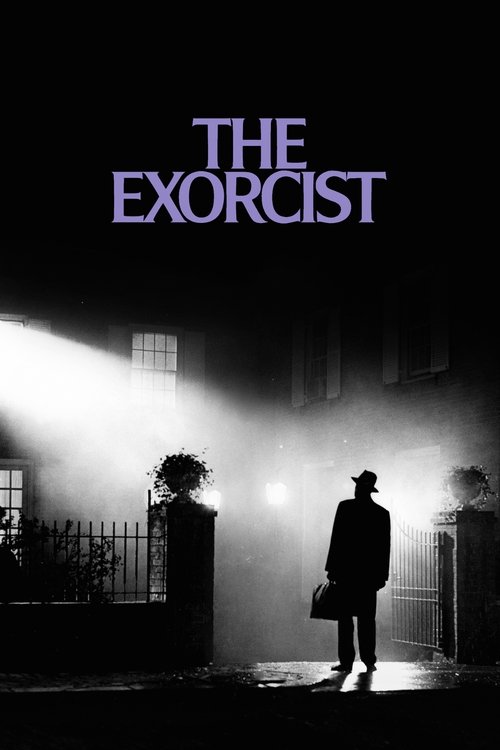
The Exorcist1973
A girl becomes possessed; priests must confront their own faith. Both films use religious horror to ask whether belief protects us or blinds us. The atmosphere and craftsmanship are in a different league.
But It's a very long film and takes multiple viewings to fully appreciate. Some moments that shocked audiences in 1973 play differently now.
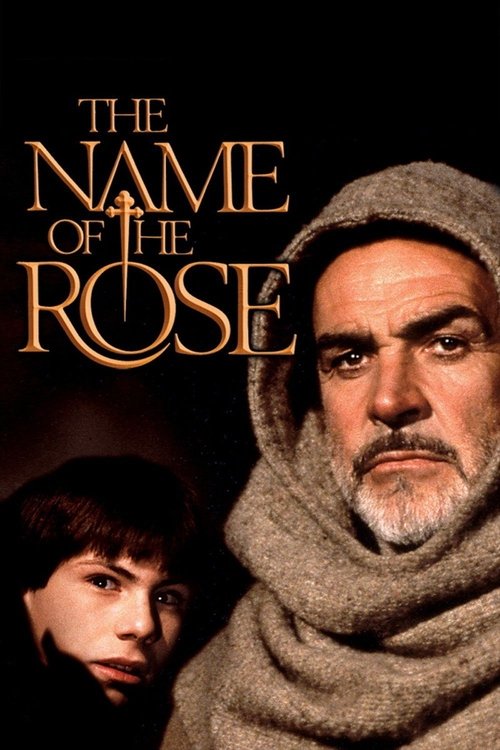
The Name of the Rose1986
A monk investigates murders in a medieval monastery while larger theological questions loom. Shares *The Seventh Sign*'s conviction that faith and mystery can coexist, and that truth is never simple.
But It's dense, scholarly, and moves slowly. If you don't engage with the philosophical arguments, it feels like a slog.
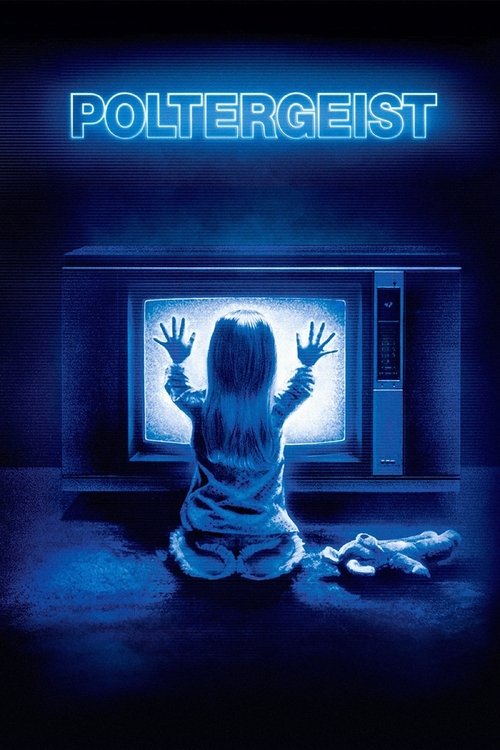
Poltergeist1982
Suburban domestic life becomes a battlefield with supernatural forces. Both films center on a family home and what it means to protect your child when the threat is metaphysical and unavoidable.
But The practical effects show their age, and the family drama gets sidelined for set pieces. The tone lurches between sincere and campy.
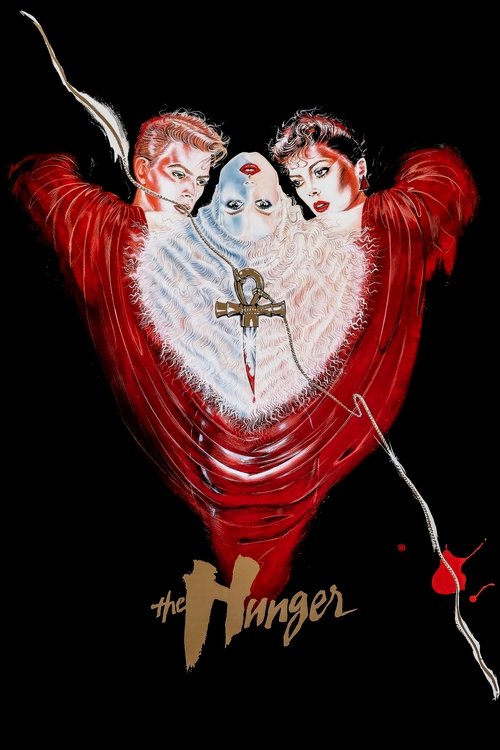
The Hunger1983
A vampire and her lovers navigate desire, decay, and immortality. Like *The Seventh Sign*, it's visually ornate, philosophically ambitious, and unafraid to make its horror intimate and sensual rather than grotesque.
But The plot is fragmented and deliberately obscure. It's a mood piece that demands patience and rewards inattention with confusion.
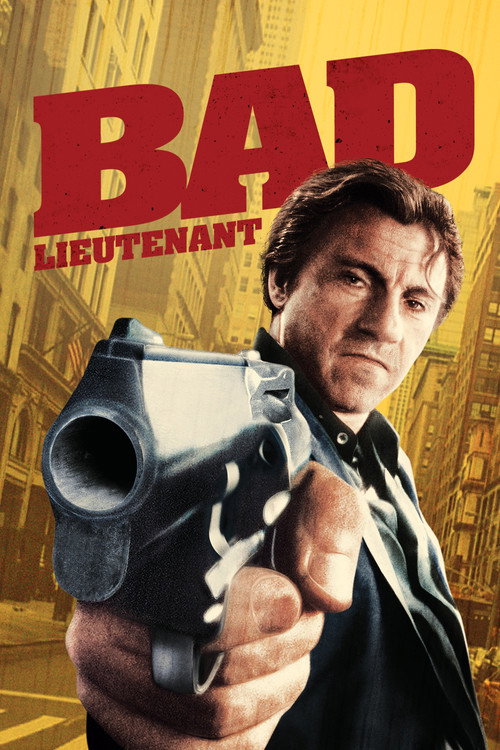
Bad Lieutenant1992
A corrupt cop finds redemption through faith after witnessing a nun's grace. Both films ask whether grace can find us even when we're complicit in corruption, and whether belief has any value if it doesn't transform us.
But The subject matter is brutal and the dialogue often incoherent. It's nihilistic in ways that feel exhausting rather than clarifying.
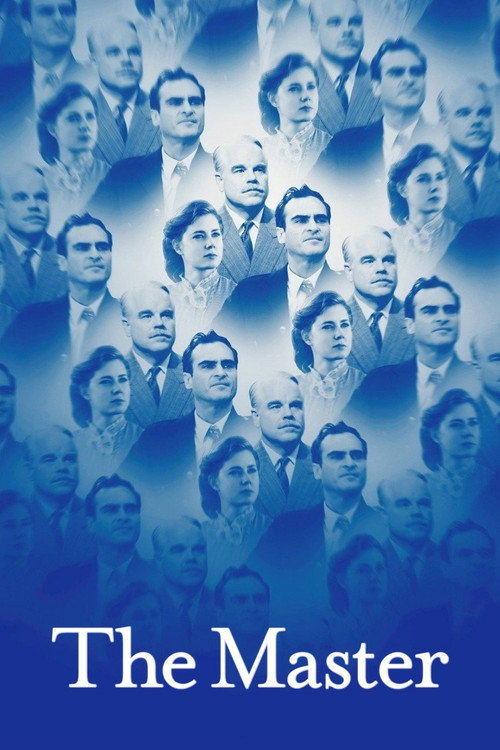
The Master2012
Both explore faith as a dangerous choice, and both feature a magnetic figure whose true nature remains ambiguous even after everything unravels.
A drifter joins a charismatic cult leader, testing whether faith is healing or control. Paul Thomas Anderson's film echoes *The Seventh Sign*'s interest in how belief systems can be weaponized and how we choose between doubt and surrender.
But It's a three-hour character study that resists narrative. If you want plot momentum, it will feel like watching someone else's therapy session.
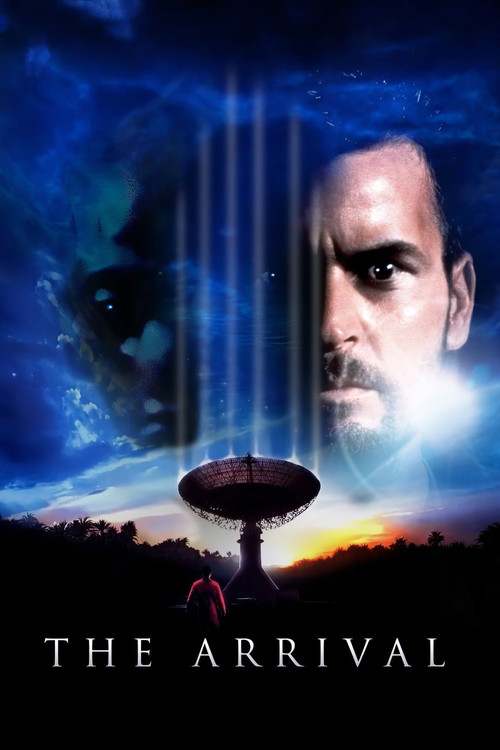
The Arrival1996
Both feature an apocalyptic event framed as potentially redemptive, and both ask whether the end of one world might be the beginning of another.
A woman scientist meets an alien intelligence and learns their language changes perception itself. Like *The Seventh Sign*, it treats contact with the non-human as a theological event; both ask whether understanding salvation means surrendering your former self.
But The science fiction conceits feel dated, and the twist, once revealed, seems to contradict much of what came before it. Some viewers find the ending more sentimental than earned.
People
Cast
 Demi MooreAbby Quinn
 Michael BiehnRussell Quinn
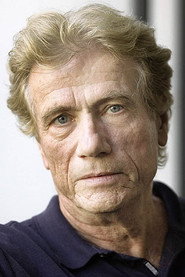 Jürgen ProchnowDavid Bannon
 Peter FriedmanFather Lucci
 Manny JacobsAvi
 Lee GarlingtonDr. Margaret Inness
 Akosua BusiaPenny Washburn
 Arnold JohnsonJanitor
 John WalcuttNovitiate
 Michael LaskinIsraeli Colonel
- Hugo StangerOld Priest
- Patricia AllisonAdministrator
Directing
- Carl SchultzDirector
Writing
- Clifford GreenScreenplay
- Ellen GreenWriter
Production
- Pennie DuPontCasting
- Kathleen HallbergCo-Producer
- Paul R. GurianExecutive Producer
- Robert W. CortProducer
- Ted FieldProducer