
Film
Finding Joe
Finding Joe unpacks Joseph Campbell's theory of the hero's journey—the universal story pattern Campbell found in myths across cultures—through interviews with contemporary achievers (surfers, musicians, entrepreneurs) and reenactments by kids. It's inspirational without being saccharine, philosophical without getting lost in abstraction. For anyone who feels stuck or curious about narrative, meaning-making, or what drives human ambition.
If you liked this
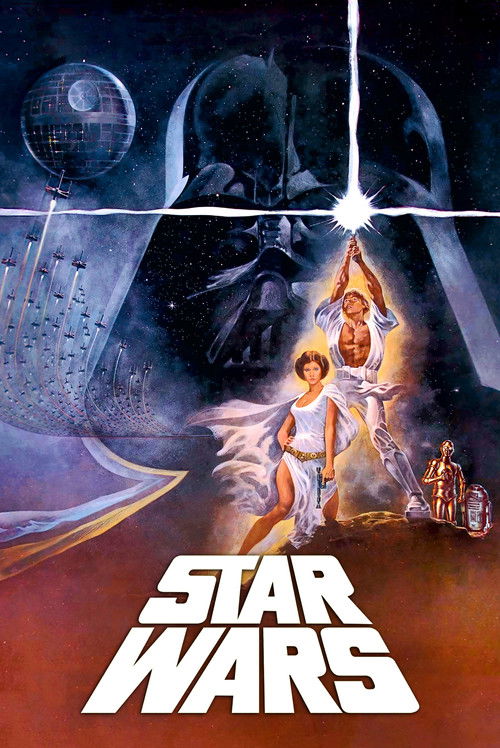
Star Wars1977
George Lucas consciously built the hero's journey into every beat. Watching it after Finding Joe becomes a masterclass in how Campbell's framework shapes blockbuster storytelling and cultural obsession.
But If you've never connected with Star Wars, this won't convert you. And yes, you probably already know it.
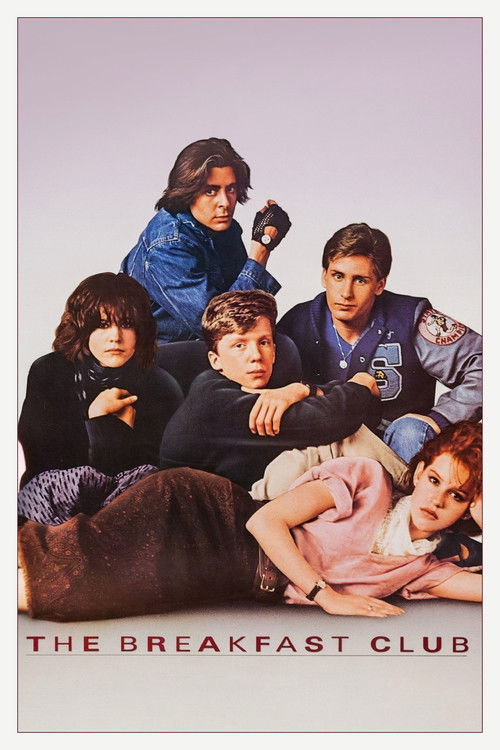
The Breakfast Club1985
A quieter hero's journey: five teenagers in detention, each crossing their own threshold, confronting their dragons, and returning transformed. Captures Campbell's pattern in intimate, recognizable terms.
But Feels slight next to Campbell's epic framing. The 80s pathos hits differently now, and the film has aged unevenly in places.
Moonlight2016
Three acts of a young man's journey toward self-knowledge, each set in a different era. Understated but profound—how Campbell's structure feels when stripped of spectacle and filled with genuine human vulnerability.
But Deliberately paced and contemplative. No clear villain, no rousing triumph—just the slow excavation of identity, which some find quietly depressing.

Not sure tonight? Get a pick in a minute, starting from Finding Joe
The wildcard
Something you would not have found on your own.
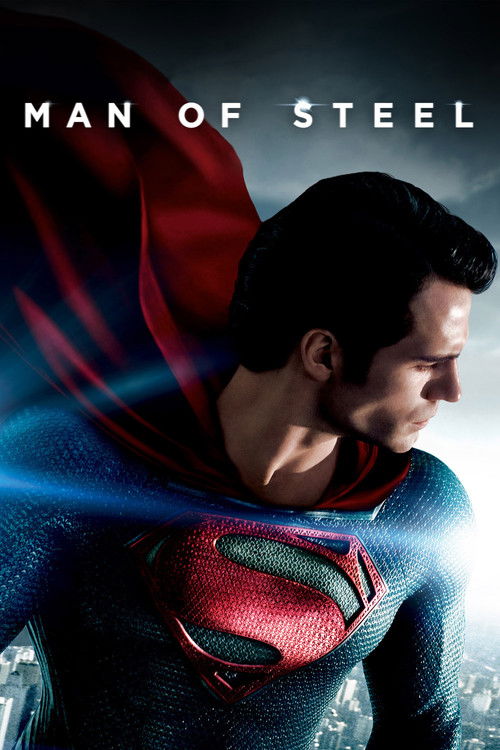
Man of Steel2013
Both examine how heroes are made and recognized, but this one asks: what if the hero resists the role the world wants to assign?
Inverts Campbell's journey. Superman doesn't become a hero; he *already is one*, and the film is about a world forced to accept him. Explores what happens when the hero's journey breaks down—existentially dark and formally fascinating.
But Grim, joyless, and deliberately drained of the mythic wonder Campbell prized. The destruction porn is real, and the ending is cold.
More like this (7)
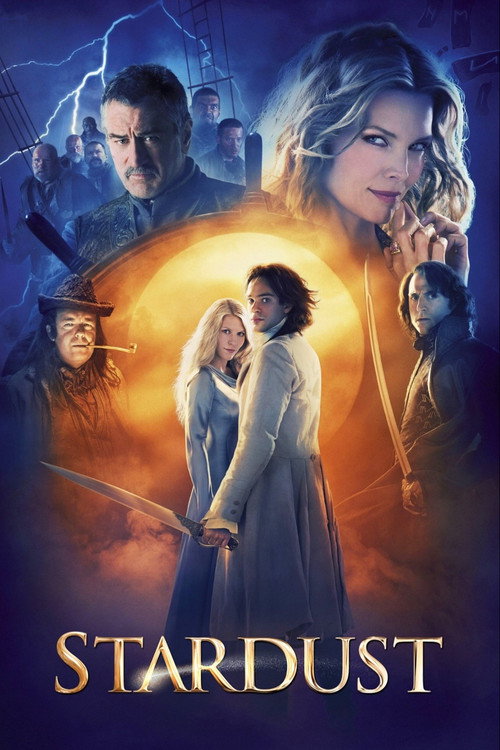
Stardust2007
A fantasy adventure that wears Campbell's template on its sleeve with charm and humor. Pirates, witches, star-crossed love, and a farm boy becoming a hero. Fun without apology.
But Pitched as a lighter, more whimsical take on the formula. If you want gravitas, this reads as frothy, and the CGI is now dated.
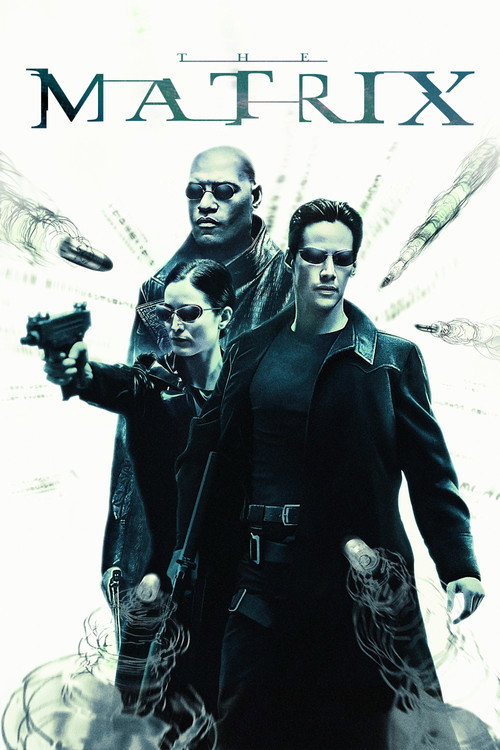
The Matrix1999
Campbell's hero's journey mapped onto sci-fi thriller: the call, the mentor, the ordeal, the transformation. Visually inventive and genuinely thrilling, it explains why his pattern still shapes modern storytelling.
But The sequels tarnished its reputation. And the philosophy, once cutting-edge, now feels like a gentler version of what it pretended to be.
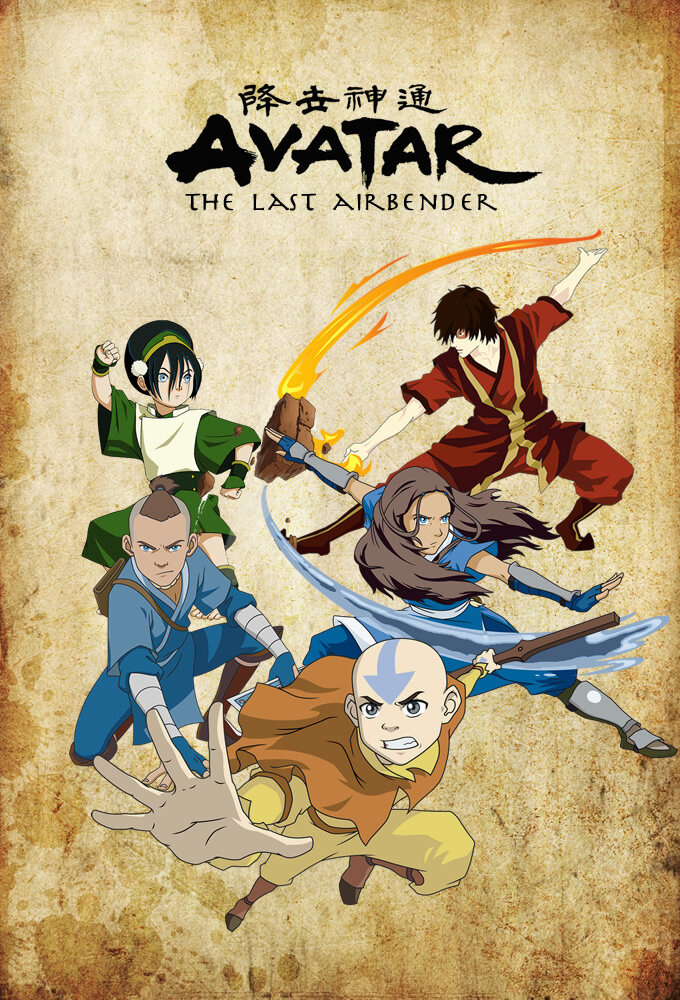
Avatar: The Last Airbender2005
A serialized hero's journey across three seasons. Aang moves through every stage Campbell outlined, surrounded by a world of genuine stakes and emotional complexity. Campbell in animated form, done right.
But Slow first season. And animation (even excellent animation) turns some people off, no matter the story.
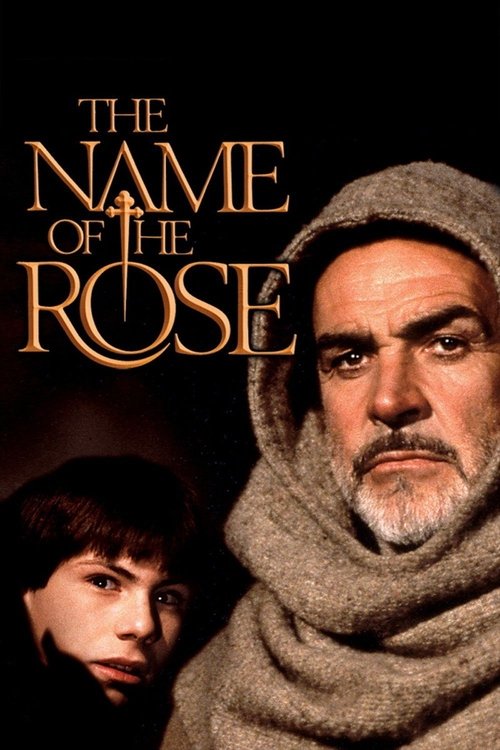
The Name of the Rose1986
A monastery mystery with a hidden hero's journey underneath. Medieval, dark, intellectual—shows Campbell's pattern working in periods and genres far from the fantasy adventure you'd expect.
But Dense, scholarly, and murky. The pacing assumes patience, and the theological arguments matter more than plot momentum.
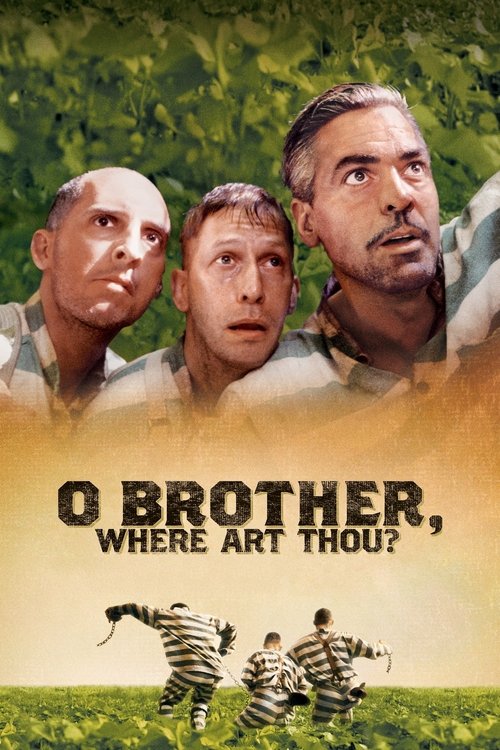
O Brother, Where Art Thou?2000
The Odyssey transplanted to Depression-era Mississippi, Coen brothers style. A romp through Campbell's framework with music, language, and color so rich it's almost a separate joy from the story itself.
But Mannered and strange. The plot is thin and deliberately so. If you want narrative propulsion, this drifts and circles.
Synecdoche, New York2008
Both use narrative structure to ask how we make meaning from chaos, but Kaufman suggests the journey might be circular, incoherent, or even a delusion—not a path to enlightenment.
Charlie Kaufman's film is a broken hero's journey: a theatre director recreating the world at full scale while falling apart. Funny, devastating, and formally radical. Campbell for people who've stopped believing in Campbell.
But Deliberately obscure, baroque, and sometimes unpleasant. The protagonist is not sympathetic. It's a puzzle-box that resists interpretation, which can feel like work.

Stalker1979
Both use journey as framework for exploring what humans actually need. But where Campbell finds transcendence, Tarkovsky finds emptiness—and suggests that might be the point.
Andrei Tarkovsky's philosophical sci-fi follows a man guiding two others through a mysterious zone toward a room that grants wishes. It *looks* like a hero's journey but reveals itself as something stranger: meditation on desire, faith, and the limits of transformation.
But Glacially slow, hypnotic, with minimal plot and long takes of Soviet landscapes. No answers, no catharsis. It's a film that requires surrender, not engagement.

People
Cast
 Tony HawkSelf

 Rashida JonesSelf
 Deepak ChopraSelf
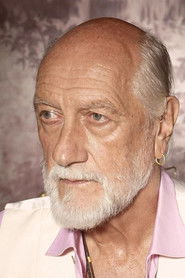 Mick FleetwoodSelf
 Laird HamiltonSelf
 Akiva GoldsmanSelf
- Robin SharmaSelf
- Lynne KaufmanSelf
- Gay HendricksSelf
Directing
- Patrick Takaya SolomonDirector
Writing
- Patrick Takaya SolomonWriter
Production
- Kate ChurchillConsulting Producer
- Patricia FrazierExecutive Producer
- Patrick Takaya SolomonExecutive Producer
- Patricia FrazierProducer