
Film
The Dark Ages
A 2007 History Channel documentary surveying medieval Europe's most turbulent centuries, from Rome's collapse through plague, invasion, and social breakdown to the Crusades and Renaissance. It's accessible historical narrative with dramatic scope—authoritative without academic pretension. For anyone curious about how civilization rebuilds itself after systems fail.
If you liked this
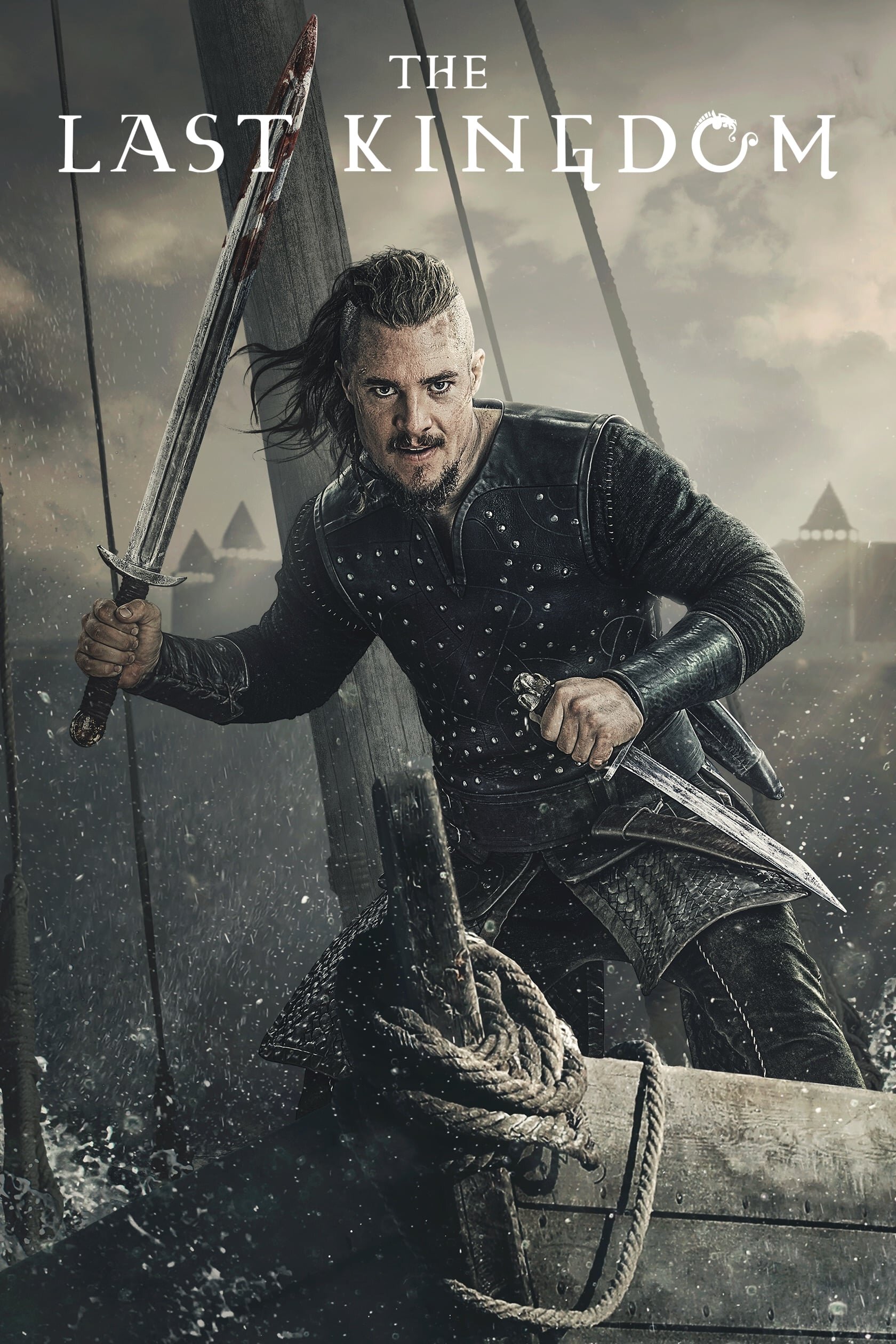
The Last Kingdom2015
Gritty drama set during the Viking invasions of England, showing how ordinary people navigate between collapsing kingdoms and new powers. Deeply researched, propulsive, and more morally complex than most historical TV.
But Nine seasons is a major commitment, and the early seasons can feel scattered between competing storylines. Some find the pacing uneven.
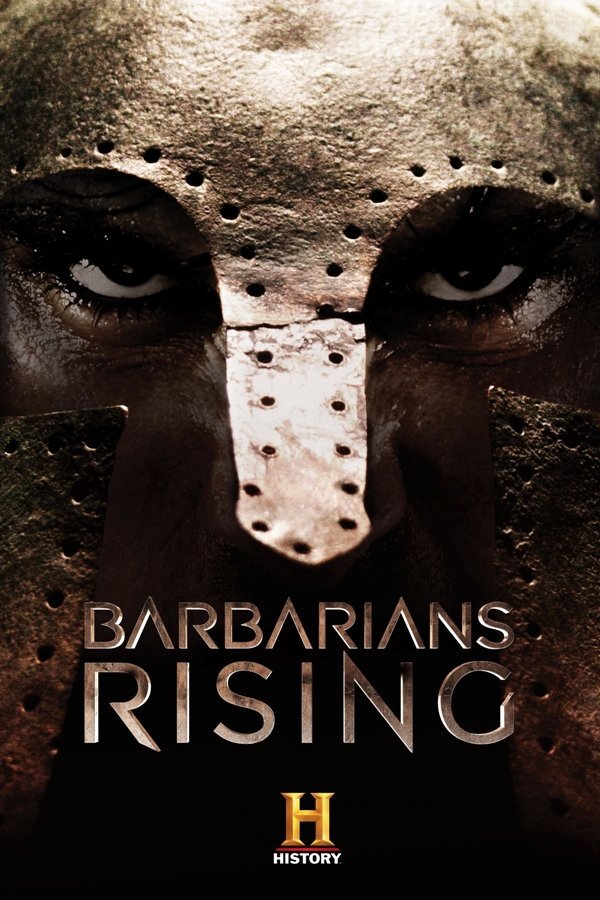
Barbarians Rising2016
German-language series about the Arminius uprising against Rome, filmed with stunning attention to texture and lived reality. Dark, violent, surprisingly intimate about how empires fracture from within.
But Subtitled, and the narrative takes a while to find its footing. Violence and brutality are not softened or apologized for.
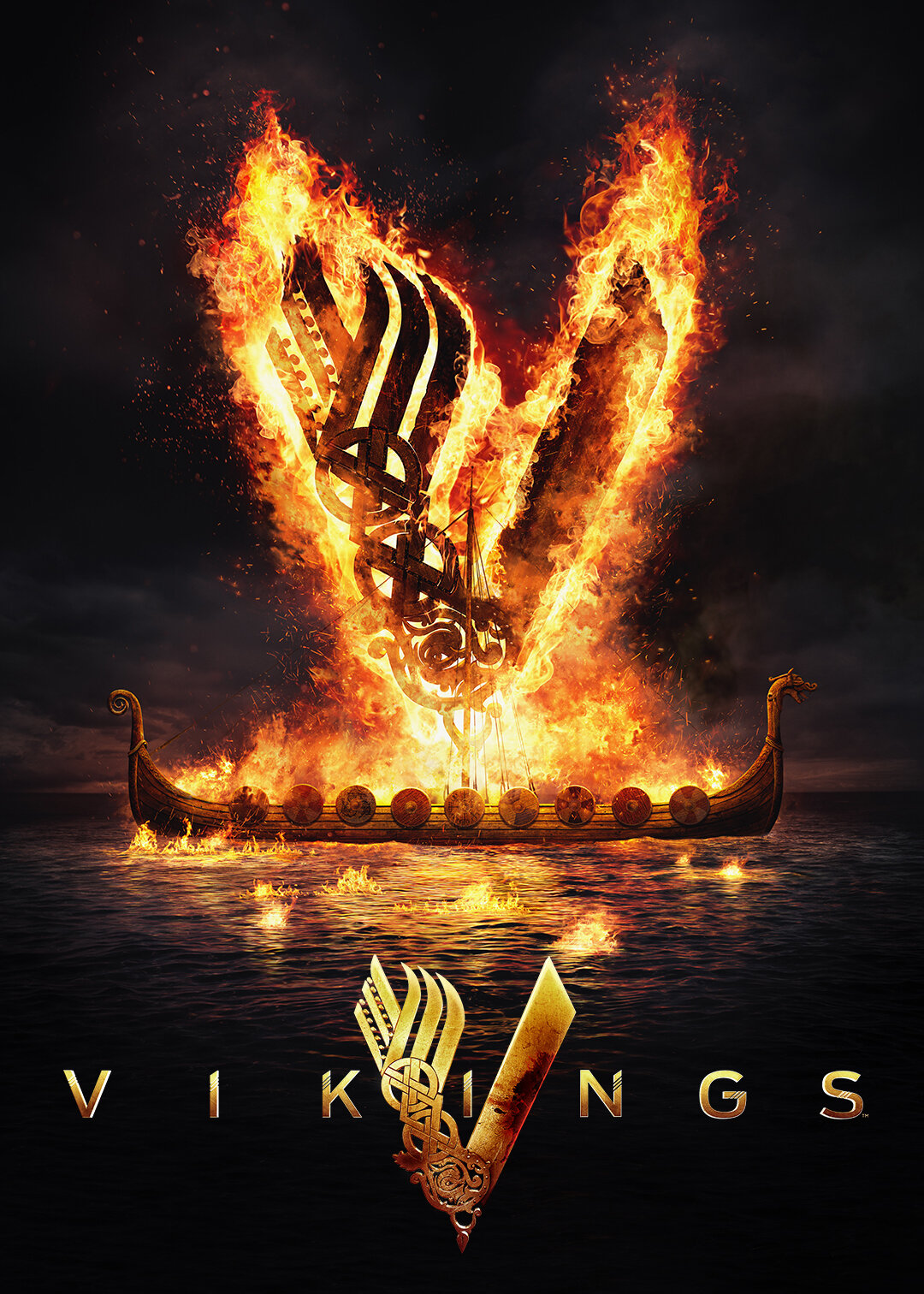
Vikings2013
Dramatized Viking sagas with genuine historical texture—shipbuilding, religion, politics, mythology colliding with reality. Consistently inventive about how to show cultural collision.
But Quality wavers across six seasons; the second half loses focus. Some historical liberties taken for dramatic effect.
Not sure tonight? Get a pick in a minute, starting from The Dark Ages
The wildcard
Something you would not have found on your own.
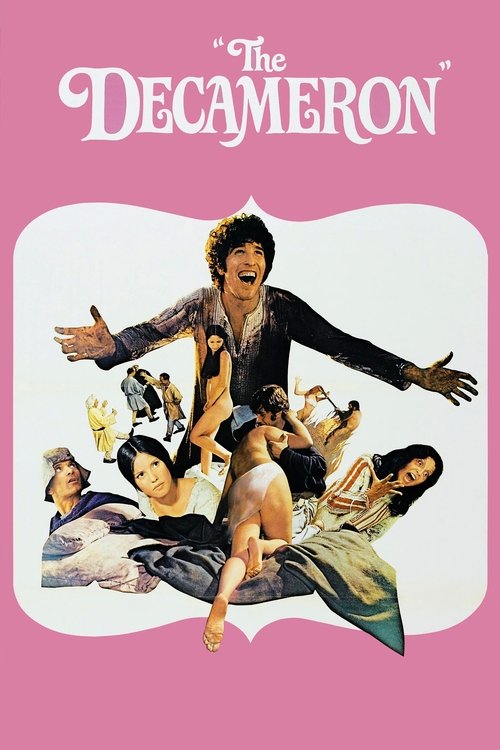
The Decameron1971
Both explore the Dark Ages through the lens of plague, violence, and social breakdown—but where the documentary reads it as chaos to overcome, Pasolini finds it as life happening fully, messily, erotically.
Pasolini's adaptation of Boccaccio's plague-era stories: earthy, sexual, funny, utterly alive. A wildly different register—medieval not as dark ages but as sensual chaos and survival.
But Sexually explicit by any standard; irreverent toward religious authority. No reverence whatsoever for the period as sacred.
More like this (6)
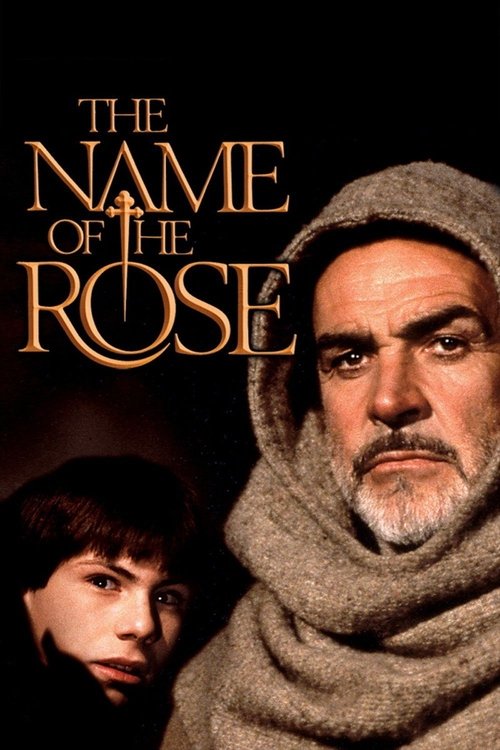
The Name of the Rose1986
Medieval monastery mystery starring Sean Connery, based on Eco's novel. Lush, intellectual, genuinely captures the texture of medieval intellectual life and power struggles.
But Deliberately paced and dense. The mystery unfolds slowly, and the philosophy-heavy dialogue isn't for everyone.
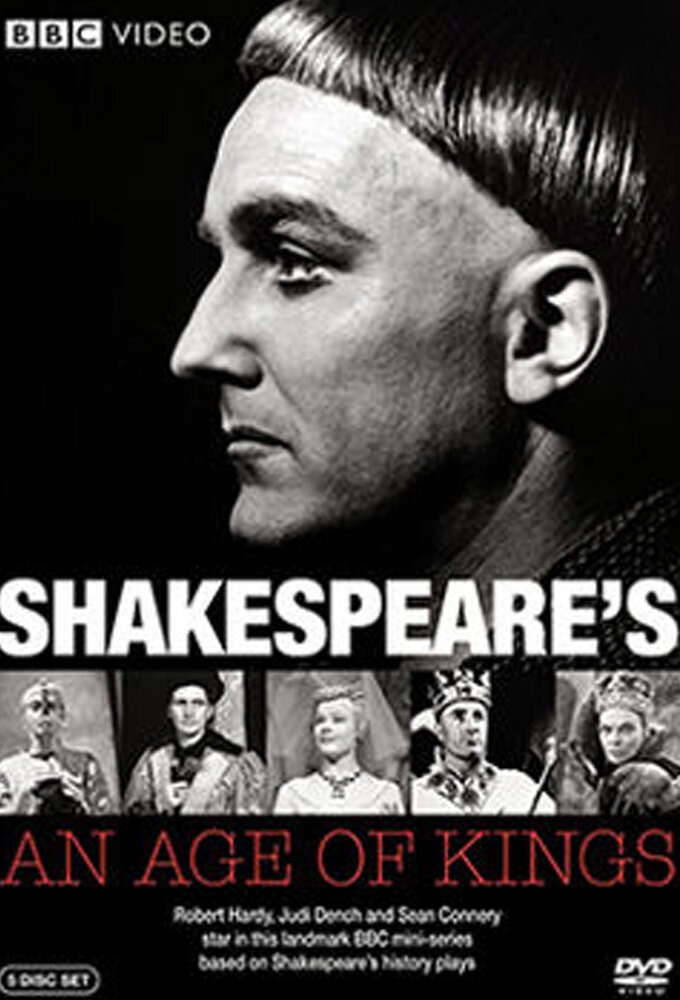
An Age of Kings1960
BBC's fifteen-part Shakespeare cycle dramatizing the Wars of the Roses. Period television at its most ambitious; treats political chaos as intimate tragedy.
But Black and white, shot in 1960, minimal sets. Requires patience with theatrical acting styles and slower television rhythms.
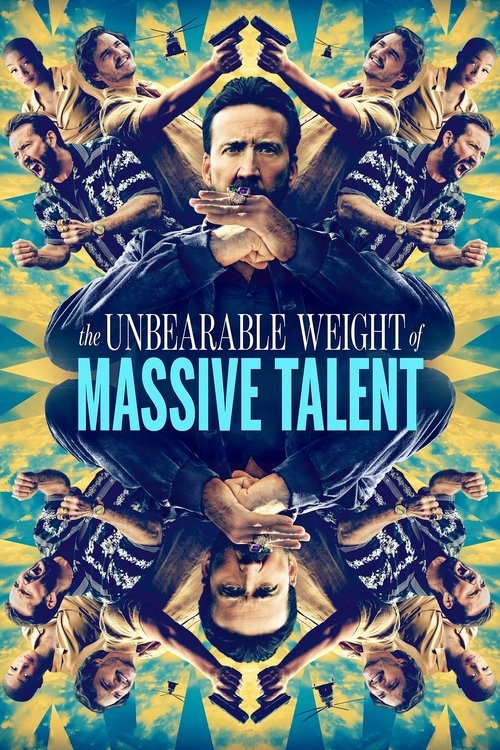
The Unbearable Weight of Massive Talent2022
Recent film set in medieval Prague exploring Jewish life, persecution, and magical thinking during the Middle Ages. Visually striking, psychologically complex, brings neglected perspective to the period.
But Deliberately strange and dreamlike; narrative logic is symbolic rather than straightforward. Dark themes handled without sentimentality.
Umberto D.1952
Italian neorealist masterpiece about an elderly pensioner in post-war Rome. Not medieval, but profoundly about how ordinary people survive historical collapse and rebuild dignity.
But Quiet, meditative, and deliberately unglamorous. Requires you to find meaning in small moments rather than plot.

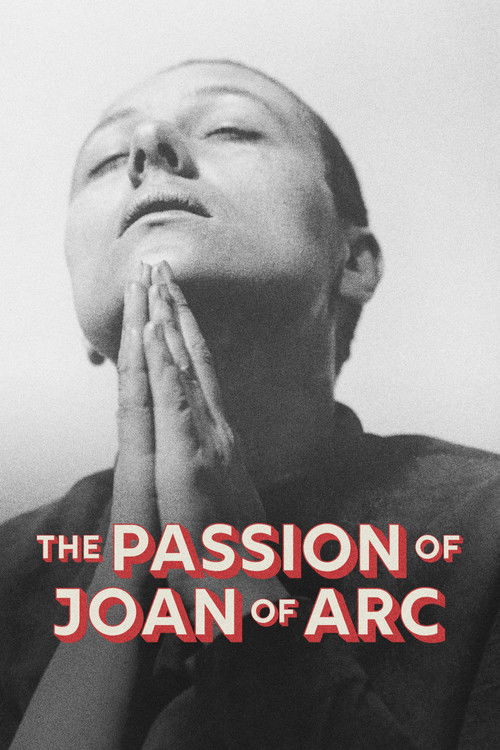
The Passion of Joan of Arc1928
Dreyer's silent masterpiece capturing Joan's trial and execution at the end of the medieval period. Intensity of performance and visual technique that still shocks—raw, spiritual, politically aware.
But Silent film from 1928; abstract visual language demands active engagement. The trial scenes are emotionally devastating, not entertaining.
The Seventh Seal1957
Both grapple with the same historical trauma—plague emptying Europe—but where the documentary explains what happened, Bergman asks what it means. Different languages for the same abyss.
Bergman's meditation on plague, faith, and meaning: a knight plays chess with Death during the Black Death. Formally audacious, philosophically fierce, visually unforgettable. High art that earns its weight.
But Deliberately symbolic and abstract; not interested in historical accuracy or plot satisfaction. Some find it emotionally cold or forbiddingly dense.

People
Cast
- RJ AllisonNarrator
Directing
- Christopher CasselDirector
Writing
- Christopher CasselWriter