Television series
An Age of Kings
A landmark 1960 BBC series dramatizing fifteen Shakespeare history plays in chronological sequence, tracing English royalty from Richard II through Richard III. Ambitious in scope, austere in presentation, it treats Shakespeare as historical document rather than theatrical spectacle. For viewers who want to experience the plays' political architecture without theatrical artifice, and who find narrative momentum in power's mathematics.
If you liked this
The Crown2016
A modern parallel: dynastic intrigue, succession crises, and power's burden told across decades with meticulous attention to historical detail and political consequence.
But It's glossy where An Age of Kings is austere, and it invents scenes Shakespeare didn't write. The emotional register is entirely different.
I, Claudius1976
Another BBC historical epic using classical source material to explore power, legitimacy, and succession. Similar episodic structure, similar investment in political consequence over spectacle.
But Claudius is a single reign, not a dynasty spanning a century. The tone is darker and more sexually explicit than An Age of Kings.
Wolf Hall2015
Adapts literary history plays into television drama with comparable seriousness. Focuses on political manoeuvre, loyalty, and the machinery of power rather than romantic melodrama.
But It's a single reign rather than a chronicle. The production design is immaculate in a way that works against the play-like simplicity of An Age of Kings.
Not sure tonight? Get a pick in a minute, starting from An Age of Kings
The wildcard
Something you would not have found on your own.
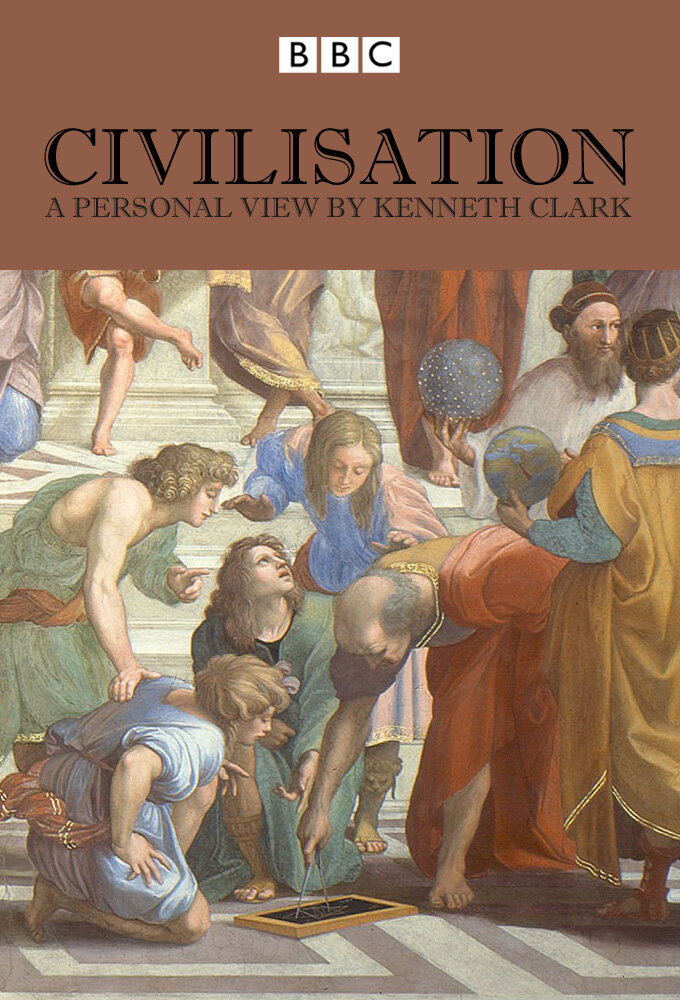
Civilisation1969
An Age of Kings dramatizes the power structures that Clark analyzes as cultural forces. Together they show how politics and art-making are inseparable in the period.
Kenneth Clark's documentary essay series includes an episode on the medieval and Tudor periods that contextualizes An Age of Kings within art history and cultural philosophy. Watching them together transforms both.
But It's a lecture series, not drama. If you want narrative momentum and character, documentary analysis will feel slow and abstract.
More like this (7)
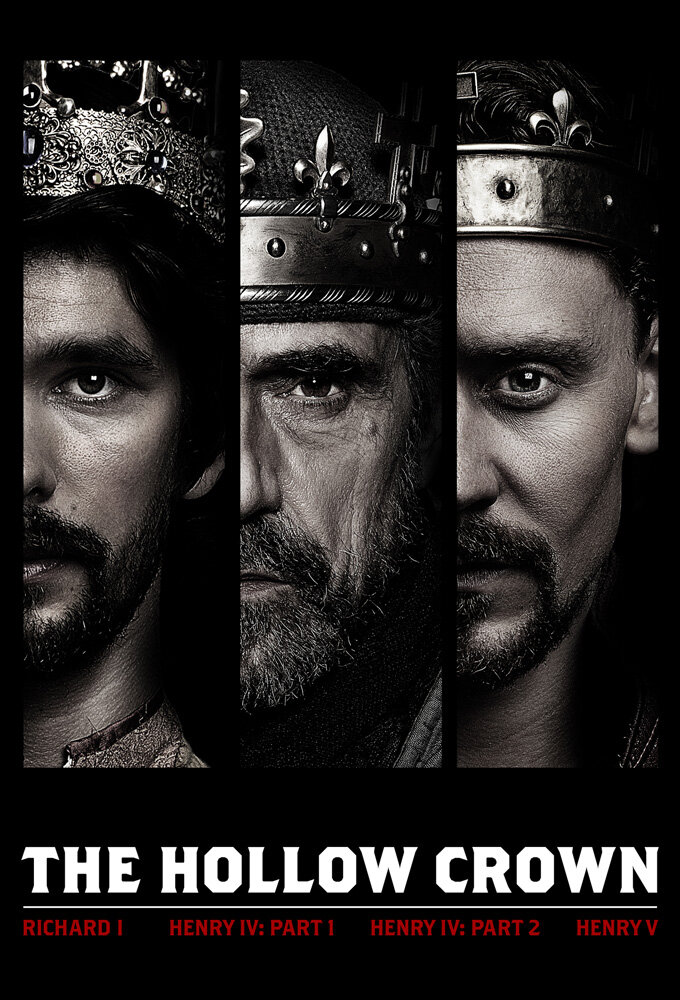
The Hollow Crown2012
Benedict Cumberbatch and Tom Hiddleston performing the same Shakespeare history plays you're watching, but in the 2010s with film-level production values and psychological depth.
But It's lavish where An Age of Kings is plain. Watching the same plays twice feels redundant unless you're specifically interested in how adaptation changes meaning.
Richard III1955
Laurence Olivier's film version of An Age of Kings' final play. Theatrical in the best sense, it's Shakespeare as cinema rather than television, with a star performance that defines the role.
But It's a single play compressed into two hours rather than a chronicle. Olivier's interpretation is so distinctive it may overshadow the text itself.
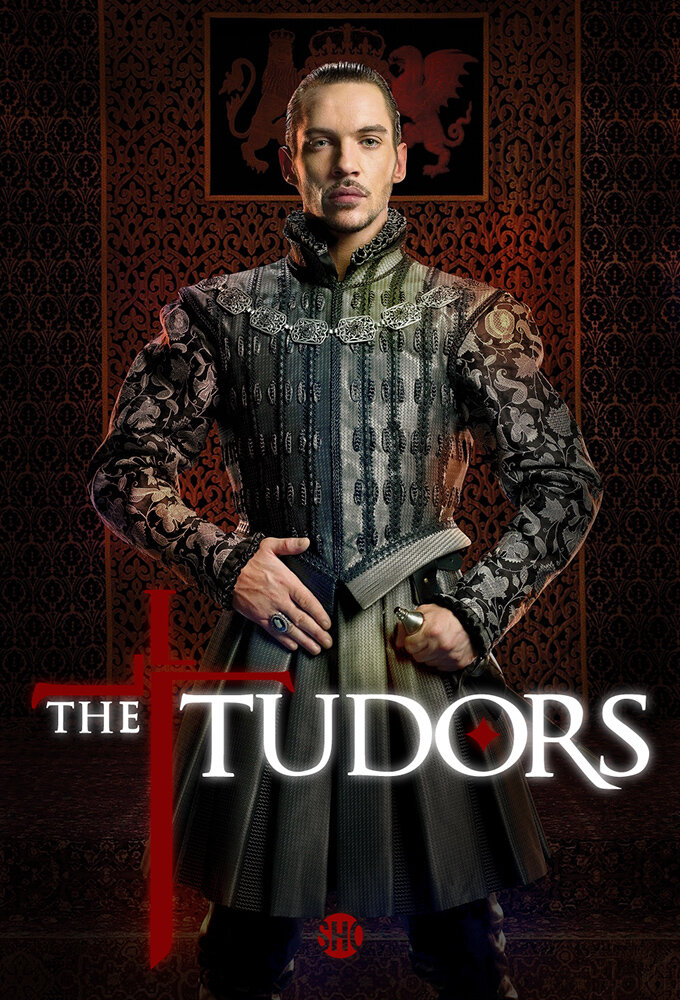
The Tudors2007
Historical dynasty drama covering the period immediately after An Age of Kings ends. If you become fascinated by the era, this picks up where the chronicle stops.
But It's costume drama soap opera rather than serious history. Far more interested in scandal and sex than political philosophy or the mechanics of rule.
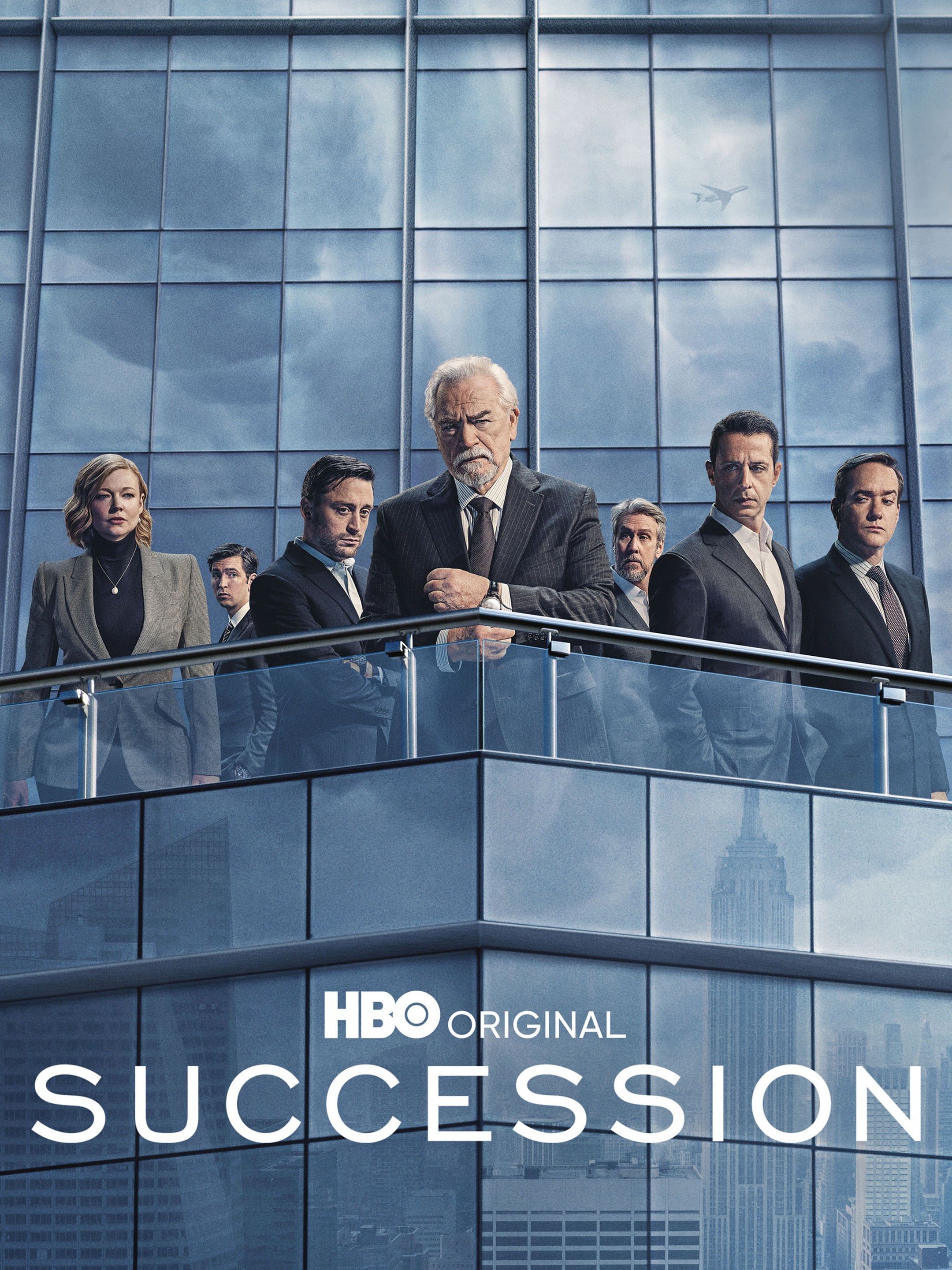
Succession2018
Modern allegory of dynastic power struggle with the same sharp focus on succession, legitimacy, and political manoeuvre that animates the Shakespeare histories.
But Contemporary setting and media industry milieu will feel jarring if you're watching for period texture. The emotional register is cynical rather than tragic.
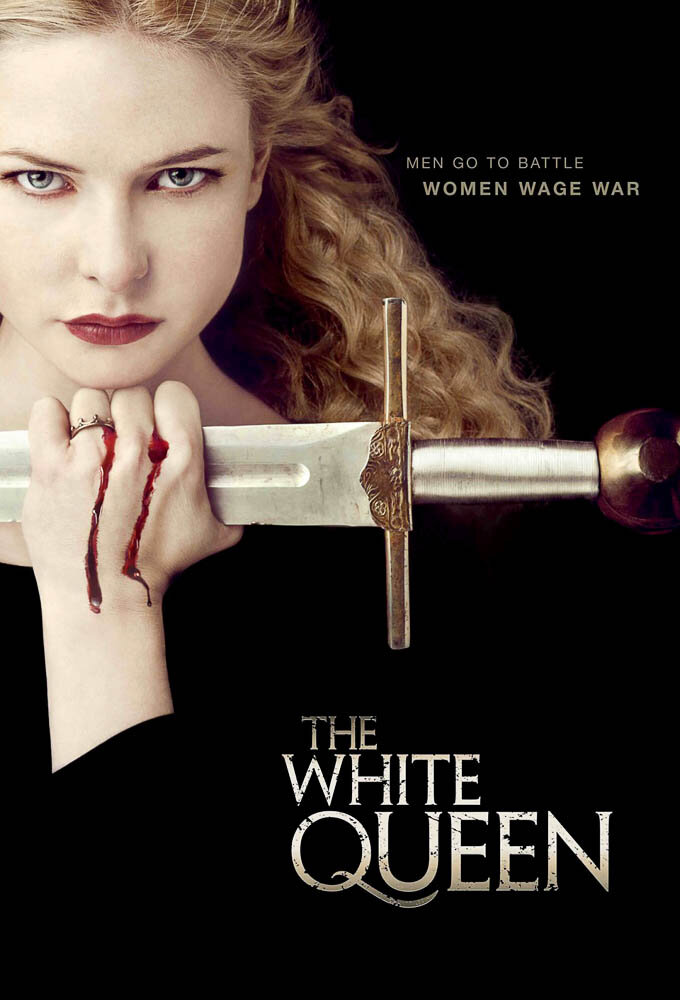
The White Queen2013
Dramatizes the Wars of the Roses, the historical conflict that bookends An Age of Kings. It covers the same territory but from the perspective of women caught in the succession wars.
But It's heavily fictionalized with invented romantic plots. The tone is melodrama rather than Shakespearean tragedy, and historical accuracy is secondary to narrative momentum.
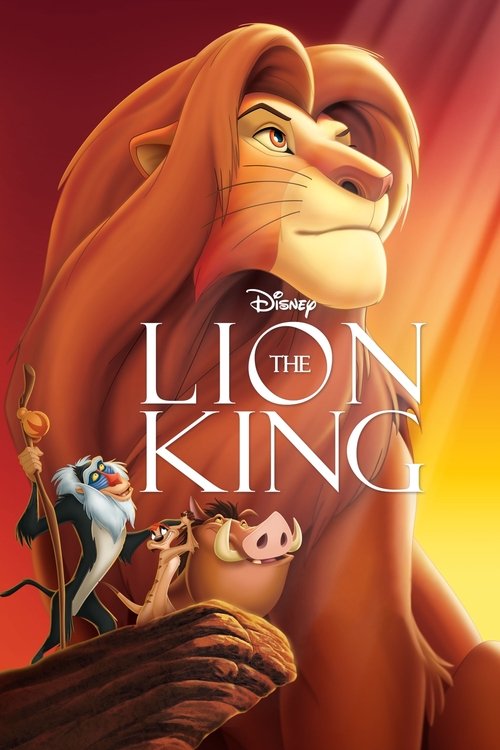
The Lion King1994
Both dramatize the education of kings and the loneliness of crowned power. Where An Age of Kings shows the machinery of succession, The King asks what it costs a single man.
A film version of Henry V and the preceding plays, compressed and reimagined for cinema. Timothée Chalamet as a young king navigating inherited power, shot in cold contemporary style, asks the same questions as Shakespeare but in a minor key.
But It's radically condensed and invented. The bleakness is unrelenting and there's no sense of the chronicle structure that gives An Age of Kings its architecture.
3 Body Problem2024
Both are large historical narratives structured as a succession of crises where individual characters matter less than the logic of power itself. Both reward patience with the scope of their thinking.
A science fiction epic that mirrors An Age of Kings' structural ambition: sprawling across time, following competing powers with incompatible goals, building toward civilizational consequence rather than individual triumph.
But It's set in space across centuries rather than medieval England. If you want period texture or Shakespearean language, this will feel bewilderingly alien.