Television series
Civilisation
Kenneth Clark, magnificent tweed, and a camera crew touring Europe's cathedrals, palaces and galleries, explaining — with total, unblushing confidence — how Western art carried civilisation from the fall of Rome to the present. It's slow, patrician, occasionally the wrong side of pompous, and completely hypnotic: television as lecture, delivered by a man who genuinely believed beauty was worth defending. Watch it for the certainty as much as the content.
If you liked this
The Ascent of Man1973
Bronowski applies exactly Clark's formula — one brilliant mind, unlimited budget, decades of scholarship — to the history of science instead of art, and is just as commanding a screen presence.
But The visual style has aged less gracefully than Clark's; some episodes lean on studio-bound demonstrations rather than location grandeur.
Ways of Seeing1972no page yet
John Berger made this four-part BBC series as a direct, sharp-elbowed rebuttal to Clark's whole approach to art — same year, same corporation, opposite politics entirely.
But Only about thirty minutes an episode and deliberately provocative rather than reassuring; not the same soothing experience.
The Shock of the New1980no page yet
Robert Hughes picks up more or less where Clark's story ends and carries it into modern art, with the same authority but twice the wit and none of the reverence.
But Hughes's combative style and love of demolishing reputations can feel abrasive after Clark's gentler, more forgiving tone.
The wildcard
Something you would not have found on your own.
2001: A Space Odyssey1968
Both are 1968-69 attempts to tell the entire story of human civilisation in one sweep, one through documentary certainty, the other through wordless, cosmic doubt.
Made the same year Clark was filming, Kubrick's film opens with the dawn of man and ends at the edge of evolution — the same question of what civilisation is for, asked through science fiction instead of art history.
But Famously slow and largely wordless; it offers atmosphere and awe rather than any of Clark's explanations.
More like this (7)
Civilisations2018no page yet
The BBC's belated, consciously global answer to Clark, with three presenters instead of one and a deliberate effort to include cultures the original ignored entirely.
But Splitting the story between three voices loses some of the single, unified vision that made the original so distinctive.
Cosmos1980
Carl Sagan's American answer to the 'personal view' documentary trades cathedrals for galaxies but keeps the same faith that one passionate expert can make you love a whole subject.
But The special effects and synthesiser score are pure early-80s; charming rather than seamless by today's standards.
A History of Britain by Simon Schama2000no page yet
Schama narrows Clark's continental sweep to one island's story, with the same sense of a single scholar walking you through centuries by conviction alone.
But Fifteen episodes is a serious commitment, and the focus on political history means less time spent lingering on art and architecture.
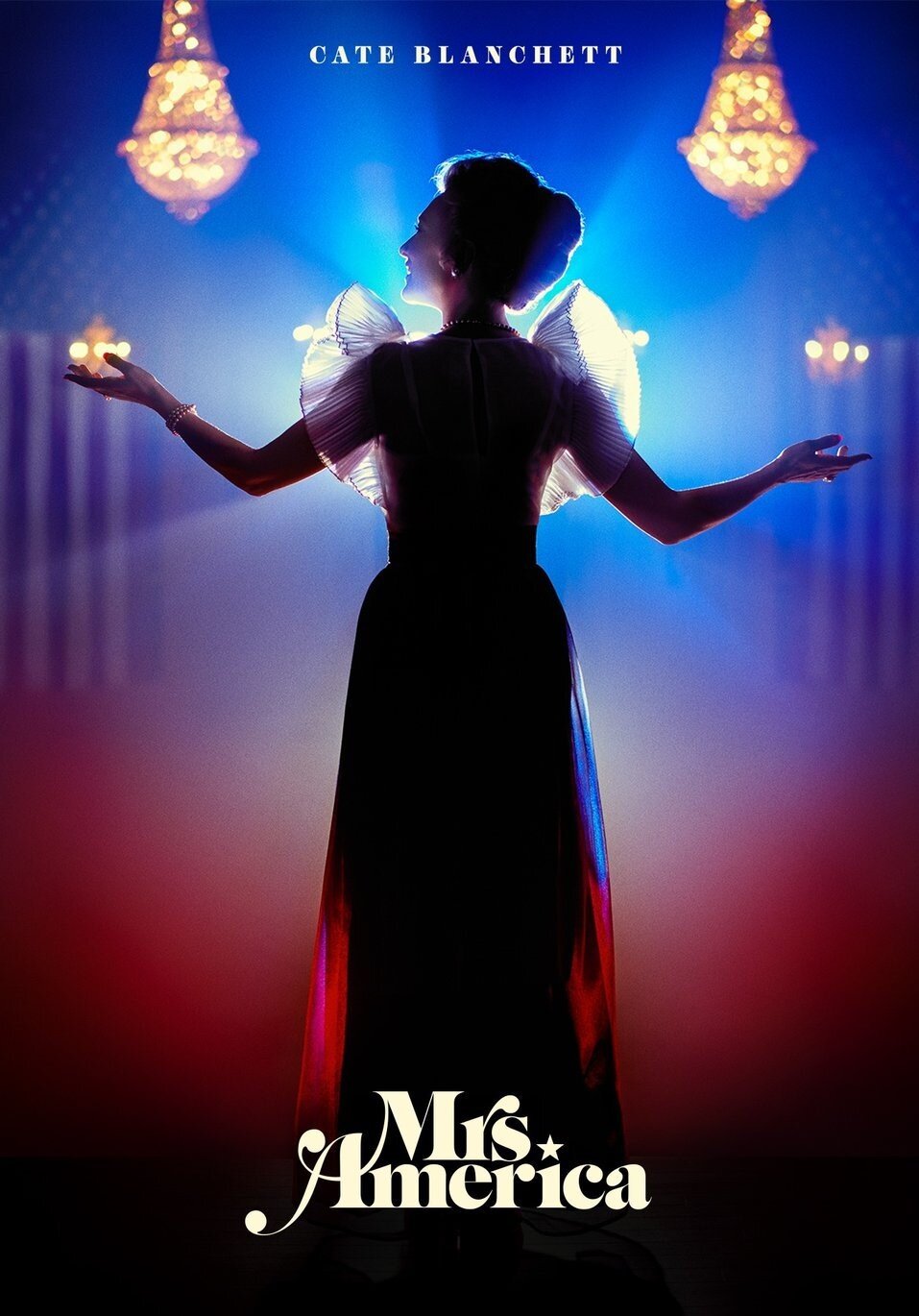
Mrs. America2020
Alistair Cooke's thirteen-part epic gives the 'personal view' treatment to the United States, with the same measured voice and unhurried confidence that nothing needs to be rushed.
But Cooke's tone is warmer and chattier than Clark's; if you loved the austerity, this can feel a touch cosy.
Andrew Marr's History of the World2012no page yet
A more populist, globally-minded successor that trades Clark's Eurocentrism for an actual planet's worth of civilisations, still narrated with real command of the material.
But The pace is brisker and the tone more journalistic; less time to simply sit with a painting or a building.
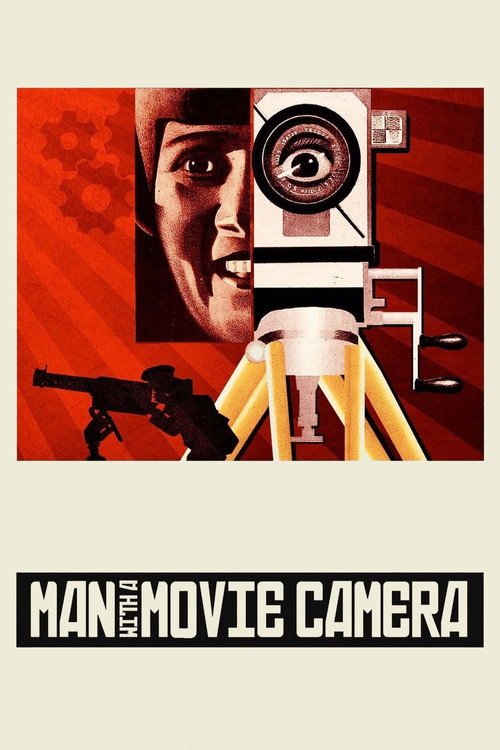
Man with a Movie Camera1929
Both trust one artist's eye to define an era through moving images; Vertov just believes the camera itself is the civilising force, not the art it records.
Dziga Vertov's silent Soviet masterpiece is its own 'personal view' of civilisation — one filmmaker's attempt to capture an entire society's daily life through the sheer possibilities of the camera, four decades before Clark.
But Silent, avant-garde, and edited with a speed and abstraction that has nothing to do with Clark's calm, explanatory pacing.
The Century of the Self2002
A structural echo forty years on — one confident narrator, one sweeping historical thesis about the West — but where Clark finds civilisation, Curtis finds its manipulation.
Adam Curtis uses the same grand, authoritative documentary voice Clark perfected, but turns it on the twentieth century's use of psychology and mass persuasion, arriving at a far less flattering account of where Western culture ended up.
But Curtis's paranoid, archive-heavy style and pessimistic conclusions are the opposite of Clark's belief in progress and beauty.