
Television series
The Shock of the New
Robert Hughes' landmark 1980 series traces modern art from 1880 onwards with the energy of a man genuinely furious and delighted by what he's seeing. Hughes is a critic who *argues*—passionately, sometimes angrily—about what art means and why it matters. Essential viewing if you want to understand why twentieth-century art looks the way it does, and how we got here from there. A masterclass in how to think about art on television.
Should you watch it?
Watch it if you love art history told as a passionate argument, where a critic with strong opinions makes you see why modernism upended everything and why people were furious about it.
Skip it if you want a quick primer or a gallery tour; this is eight hour-long episodes of talking heads and arguments, and some of its verdicts have aged in arguable ways.
What it asks of you: Eight one-hour episodes, each one sitting with a single movement or idea, so you need steady attention and a willingness to follow a long, opinionated line of reasoning.
Not sure? Find tonight's pick in a minute.
If you liked this
Civilisation1969
Kenneth Clark's earlier survey of Western culture across nine hours. If you love Hughes' passion and his willingness to take sides, Clark offers a more genteel but equally compelling journey through how we got here. Both men argue that art is not decoration—it's how we understand ourselves.
But Clark's tone is reverential where Hughes is combative. If you want righteous anger about modernism, you won't find it here. The pacing is stately by modern standards.
Ways of Seeing1972
John Berger's series fundamentally changed how people think about looking at images. Like Hughes, Berger is a critic who uses television brilliantly to make you question your assumptions. If Hughes fires you up, Berger will make you think more carefully about *why*.
But More formally experimental and slower-paced than Hughes. Berger's interested in semiotics and theory—if you want storytelling and personality, this is denser. Some episodes feel dated in their politics.
Exit Through the Gift Shop2010
Banksy's documentary about street art and the art world feels like Hughes having a conversation with someone who fundamentally disagrees with him about what art *is*. Playful, provocative, and it'll make you think about authenticity and commerce in art. No narration—just ideas colliding.
But The film's own authenticity has been questioned. If you need your documentaries to be trustworthy, this might frustrate you. Some find Banksy's irony exhausting.
Not sure tonight? Get a pick in a minute, starting from The Shock of the New
The wildcard
Something you would not have found on your own.
High and Low1963
Hughes argues that great modern art asks difficult questions about society and power. This film does exactly that—it's modernism applied to genre filmmaking, refusing easy answers.
Kurosawa's film is about class, power, and what we value. It's also formally brilliant in ways that would have fascinated Hughes—the composition, the use of space, the way cinema can show you how society actually works. A masterwork that proves modernist thinking lives in popular cinema too.
But A two-and-a-half-hour Japanese crime drama from 1963. Subtitles, patient pacing, not a documentary. If you want analysis, you have to do some of the work yourself.
More like this (2)
This Is Modern Art1999no page yet
Charlie Brooker being enthusiastic and irreverent about contemporary art and artists. Utterly different in tone—funny, sometimes silly—but has Hughes' fundamental conviction that art is worth paying attention to and arguing about.
But Deliberately comedic and sometimes flippant about serious movements. Takes none of the reverence Hughes does. Might feel slight if you're after something more substantive.
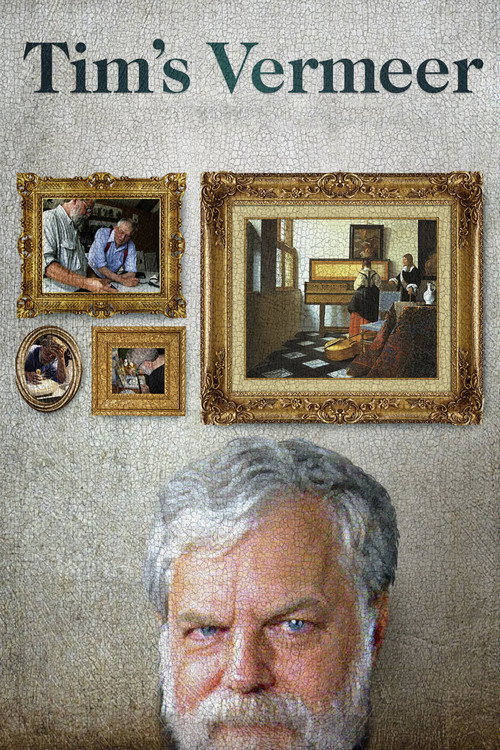
Tim's Vermeer2013
Not a survey but a specific investigation: an artist trying to understand how Vermeer worked. Philosophical and quietly obsessive. Shows why understanding technique and history matters—much like Hughes does, but in microcosm, with humility.
But Very slow and contemplative. Some will find it precious or self-indulgent. Not what you want if you need energy and argument.
People
Cast
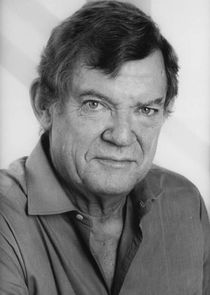 Robert HughesPresenter
Recommended by
Civilisation, The Day the Universe Changed, Ways of Seeing, Žižek!