
Television series
The Day the Universe Changed
- Light-hearted
James Burke navigates pivotal moments when scientific discovery rewired how the West understands itself. Each hour traces a single idea—the lens, printing, mechanical clocks—through culture, commerce, and consequence. It's intellectually bracing without being dry: Burke treats history as a detective story where nothing happens in isolation. For anyone who wants to understand *why* we think the way we do.
Should you watch it?
Watch it if you enjoy watching how one idea leads sideways into another, and you like a host who treats history as a chain of curious accidents rather than a list of dates.
Skip it if you want a tight modern documentary with crisp pacing and fresh graphics, since this 1985 series moves at a measured, talky clip and its visuals show their age.
What it asks of you: Ten one-hour episodes that settle in for long stretches of James Burke talking, asking you to follow a patient argument from start to finish rather than expecting quick hits.
Not sure? Find tonight's pick in a minute.
If you liked this
Cosmos1980
Neil deGrasse Tyson carries forward Burke's project with modern production values and a gift for making the vast comprehensible. Each episode is a standalone meditation on how science reveals the universe's architecture and our place in it.
But It's considerably more reverential about scientific progress than Burke. Some may find the tone inspirational rather than interrogative.
The Ascent of Man1973
Jacob Bronowski's predecessor to Burke's work, examining how human creativity shaped civilization through science and art. His passion is infectious and his historical reach is staggering. A master class in the essay-as-television.
But The pacing is leisurely by modern standards. You need patience and genuine curiosity; it won't entertain you passively.
A History of Ancient Britain2011
Simon Schama does for British history what Burke does for the history of ideas—finds the hidden connections and tells you why each moment matters. Beautifully shot, genuinely moving, and never condescending to the audience.
But It's a committed survey of 3,000 years. You're signing up for commitment. Also, his enthusiasm can occasionally tip into melodrama.
Not sure tonight? Get a pick in a minute, starting from The Day the Universe Changed
The wildcard
Something you would not have found on your own.
The Secret of Kells2009
Burke's entire project is about how technologies of knowledge—the lens, the printing press, the clock—reshape what humans can think and do. Kells is about one such moment, rendered as myth and beauty rather than historical analysis. Same theme, entirely different register.
An animated film about the creation of the Book of Kells, the medieval Irish manuscript that changed how knowledge could be preserved and transmitted. Visually extraordinary and genuinely moving. It's about the power of a technology (the illuminated manuscript) to reshape civilization.
But It's a fantasy adventure, not a historical document. The narrative stakes are imaginary. Some may find animation itself alienating for serious subject matter.
More like this (5)
Connections1978
Burke's own earlier series, the spiritual parent of The Day the Universe Changed. Same restless mind, same delight in tracing unexpected threads through history. If you love his later work, this is where it all started.
But The production design looks distinctly 1970s and the pacing reflects it. Some episodes feel overstuffed with ideas.
The Shock of the New1980
Robert Hughes on modern art with the same intellectual vigor Burke brings to science. He's genuinely angry and genuinely moved, refusing easy answers. Essential viewing on how ideas reshape culture.
But Hughes doesn't suffer fools and neither does the series. If you want comfort, this won't provide it. His opinions are forcefully held.
First Civilizations2018
Mary Beard decentralizes Western history and asks how different cultures understood knowledge and power. Sumptuous to watch and genuinely revisionist—it does for civilization studies what Burke did for the history of ideas.
But The scope is so vast it occasionally feels like argument by montage. And some may resist the deliberate challenge to Eurocentric narrative.
The Fabric of the Cosmos2011
Brian Greene makes physics personal and historical. How did we come to understand space and time? He traces the ideas and the scientists with real narrative flair. Intellectually demanding but never exclusionary.
But It leans heavily on graphics and animation. Some find the visual apparatus distracting rather than clarifying.
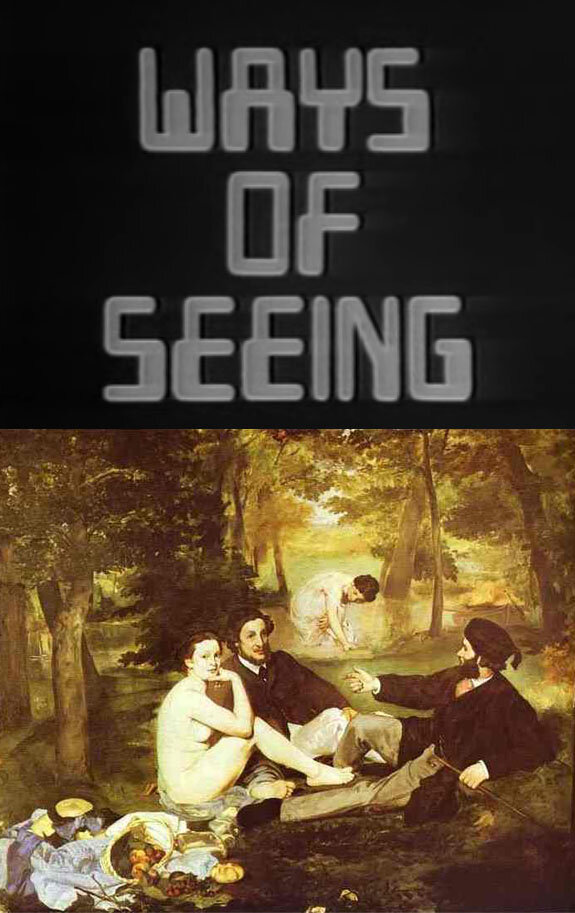
Ways of Seeing1972
John Berger on visual culture with a radical thesis: that how we see is learned, not innate. It's only seven episodes but each one restructures your thinking. A genuine intellectual event.
But The 1972 video quality takes getting used to. And Berger assumes you're ready to have your assumptions questioned—there's no hand-holding.
People
Cast
 James BurkeHost