
Film
Žižek!
Slavoj Žižek, the Lacanian philosopher famous for his tics and digressions, becomes a subject himself in this lively documentary. Astra Taylor follows him across continents as he lectures, theorizes, and decodes ideology in everything from Hollywood to consumer culture. It's cerebral but never stuffy—Žižek makes you want to argue back.
Should you watch it?
Watch it if you enjoy watching a restless mind think out loud, with pop culture, jokes and philosophy tumbling together until the ideas land in unexpected places.
Skip it if you want a documentary that explains its subject calmly, with context and a clear arc, since this one mostly follows its philosopher from lecture hall to hotel room and lets him run.
What it asks of you: It runs about seventy-one minutes and moves quickly, with frequent cuts between cities and a lot of talking, so it asks you to keep up rather than settle in and wait.
Not sure? Find tonight's pick in a minute.
If you liked this
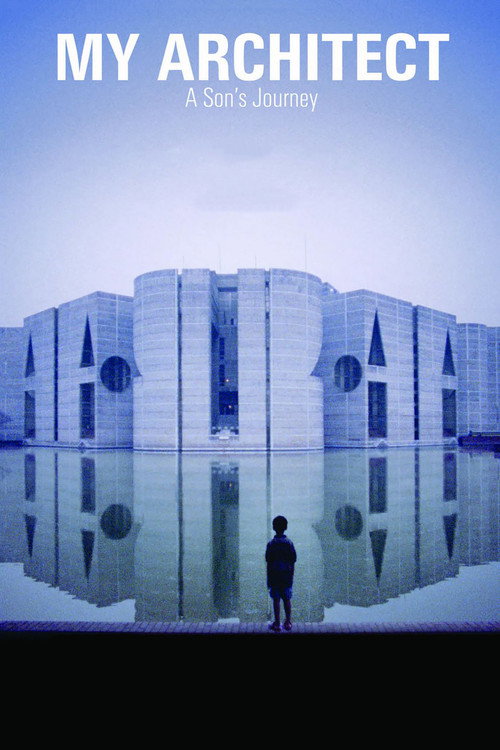
My Architect: A Son's Journey2003
Louis Kahn's son investigates his father's life and legacy through buildings, interviews, and personal revelation. Like Žižek!, it blends intellectual inquiry with genuine emotional stakes and refuses easy answers about genius and human contradiction.
But Requires patience with architectural theory and long stretches of introspection. The emotional payoff is subtle, not cathartic.
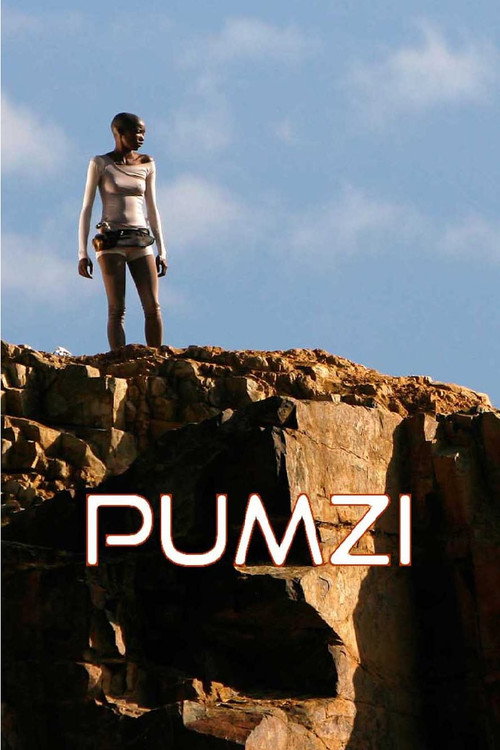
Pumzi2009
A Kenyan sci-fi film that reads as a philosophical fable about ecology and resistance. It thinks as hard as Žižek! but through image and mood instead of lecture, proving theory doesn't need words to breathe.
But Very short (23 minutes), deliberately paced, and relies on metaphor rather than argument. Some will find it oblique to the point of frustration.
The Act of Killing2012
Joshua Oppenheimer lets Indonesian death-squad leaders reenact their crimes, forcing viewers to confront ideology in the room. It shares Žižek!'s conviction that examining how we justify ourselves is the only real work.
But Watching perpetrators perform is viscerally uncomfortable. The film respects their discomfort more than your comfort, which is precisely the point—and precisely hard to sit with.

Not sure tonight? Get a pick in a minute, starting from Žižek!
The wildcard
Something you would not have found on your own.
Sans Soleil1983
Both are thinkers using media as a tool for exposition, treating documentary form itself as an argument. Neither believes film is transparent—both foreground its construction.
Chris Marker's essay-film meditates on memory, politics, and cinema itself. Like Žižek!, it refuses to separate the personal from the ideological. It moves in fragments and digressions, trusting the viewer to find the shape.
But No plot, minimal narrative thread. The film is almost entirely voice-over and found footage, deliberately cold and fragmented. Many find it alienating rather than engaging.

More like this (7)
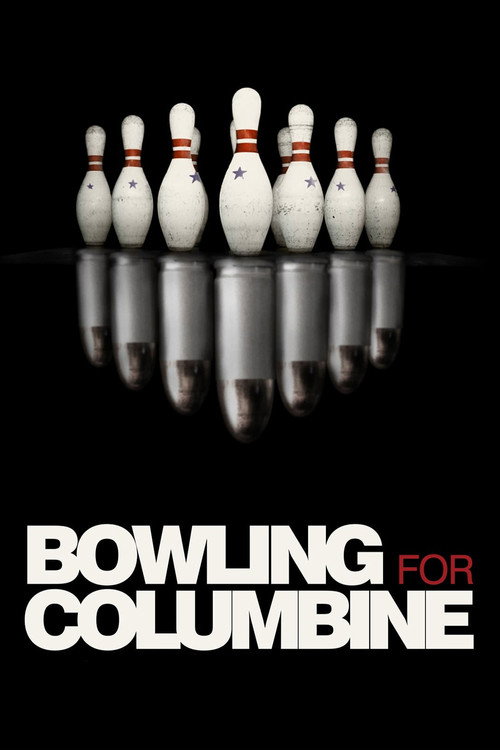
Bowling for Columbine2002
Moore interrogates American gun culture by following the money and the mythology. It has Žižek!'s appetite for connecting ideology to everyday life, though with more narrative drive and considerably more outrage.
But Moore's rhetoric can feel reductive after repeated viewings, and his conclusions are often predetermined. The film argues rather than explores, which is the opposite of Žižek!'s best moments.
Grey Gardens1976
The Maysles brothers document two reclusive women in a decaying mansion. No voice-over, no theory—just the slow revelation of how people live inside ideology, performance, and denial. Haunting and inexplicably beautiful.
But Deliberately unglamorous and repetitive. The film asks you to sit with discomfort and ambiguity rather than resolve it. Many viewers find it depressing rather than enlightening.

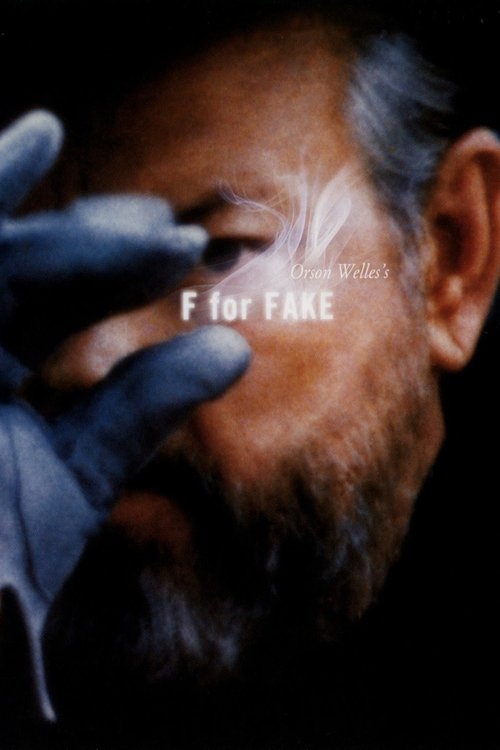
F for Fake1973
Welles deconstructs authenticity, authorship, and truth through rapid cutting and showmanship. It's theory as cinema—playful but rigorous, asking the same questions Žižek! poses but through form instead of argument.
But Gleefully shapeshifting and often opaque about its own thesis. If you want clear conclusions, this will feel like Welles showing off rather than thinking.
The Shock of the New1980
Robert Hughes walks through modern art history with genuine passion and intellectual rigor. It models the best of Žižek!'s approach—making ideas tangible, tracing ideology through aesthetics, never condescending.
But Published in 1980 and dated in some judgments. Hughes's Eurocentric perspective and occasional sexism show their age, which is unfortunate given the series' real strengths.
Kes1970
Ken Loach dramatizes a working-class boy's relationship to his hawk, but it's really about how institutions and ideology crush potential. It understands human contradiction the way Žižek! does—with rage and compassion in equal measure.
But Bleak and slow. The film earns its despair, but it offers no consolation. If you need hope, this will feel like punishment.

The Holy Mountain1973
Jodorowsky's surrealist odyssey reads as psychoanalytic theory in fever-dream form. It's Lacanian without using words, deconstructing symbols and the self through pure image. Unhinged and brilliant.
But Deliberately obscure, frequently grotesque, and almost three hours long. Interpretation is the point, but some will experience it as pretentious nonsense rather than visionary work.

Harakiri1962
Both films refuse sentimentality about ideas. Žižek! diagnoses ideology clinically; Harakiri shows what it costs in the flesh—the same project, one intellectual, one visceral.
Masaki Kobayashi's samurai film deconstructs honor and ideology by watching a man perform ritual suicide. It's a tragedy about how institutions destroy individuals through the force of collective meaning—Žižek!'s concerns in feudal Japanese form.
But Formally austere, filmed in black and white, emotionally severe. It withholds music and sentiment precisely when convention would provide comfort. The beauty is cold.

People
Cast
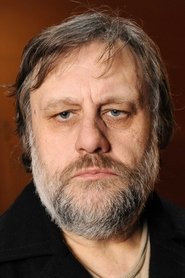 Slavoj ŽižekSelf
- Astra TaylorSelf