
Television series
A History of Britain by Simon Schama
Simon Schama's magisterial survey of British history from Roman times through the early twentieth century. Beautifully shot, endlessly digressive, driven by Schama's conviction that history isn't a sequence of facts but a story alive with contradiction, passion and consequence. For anyone who wants history to feel real.
Should you watch it?
Watch it if you enjoy history told as storytelling, where a presenter's restless curiosity, vivid set-pieces and strong opinions carry you through centuries of messy, contested evidence.
Skip it if you want a neutral, fact-first reference, since Schama's voice is personal and opinionated and some viewers will find the performance more insistent than the material needs.
What it asks of you: Fifteen hour-long episodes across three seasons mean a real commitment, paced as a sweeping chronological tour that rewards patience and steady attention rather than quick dipping.
Not sure? Find tonight's pick in a minute.
If you liked this
Civilisations2018
Mary Beard brings the same erudition and infectious curiosity Schama does, ranging across continents and centuries to argue that 'civilisation' itself is a contested idea. Visually sumptuous and genuinely thought-provoking.
But Sprawling and digressive—some sequences on obscure painters feel like following someone down a rabbit hole. Requires patience.
The Civil War1990
Ken Burns' definitive documentary on America's bloodiest conflict. Combines still photographs, letters and interviews with a narrator's voice that never rushes, letting the weight of events settle. Moves you quietly.
But Over eleven hours long. Shot entirely from archival material, so there's no dynamic cinematography. Can feel static if you're not in the right headspace.
Connections1978
James Burke's landmark series showing how inventions and ideas chain together across history in wholly unexpected ways. It's fizzing with intellectual excitement and makes you see causality completely differently.
But Badly dated production values and Burke's enthusiastic voiceover can feel very 1970s. Some explanations oversimplify to the point of wrongness.
Not sure tonight? Get a pick in a minute, starting from A History of Britain by Simon Schama
The wildcard
Something you would not have found on your own.
Nanook of the North1922
Schama resists the idea of history as dead fact. Flaherty resists the idea of documentary as detachment. Both are trying to make the past breathe again by treating it as lived experience, not spectacle.
Flaherty's silent documentary follows an Inuit hunter across the Arctic. It's history as it happens, before the documentary form hardened into convention. Visually stunning and genuinely intimate.
But Silent, almost a century old, and deeply paternalistic about its subject. The pacing is glacial. We now know some scenes were staged for the camera.

More like this (3)
The Crown2016
Drama about the British monarchy that uses the formal apparatus of power as a way into how history actually happens—through personality, mistake, duty and accident. Beautifully made and genuinely gripping.
But It's drama, not history; invented scenes sit alongside real ones. If you want factual precision, this will frustrate you. Also, willfully melodramatic.
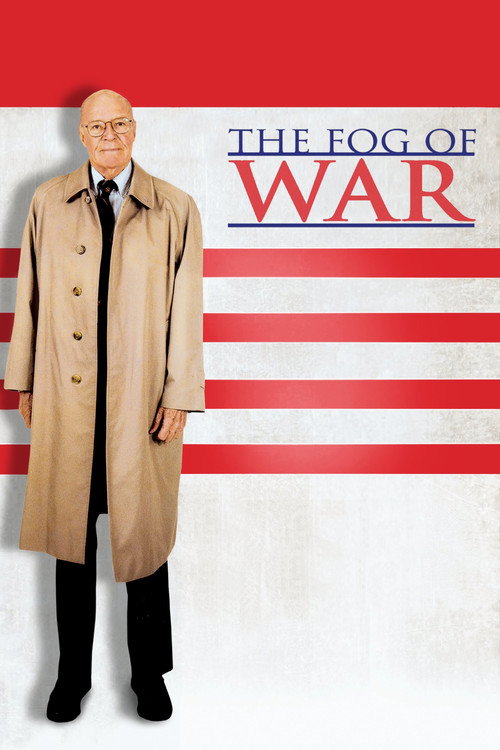
The Fog of War2003
Errol Morris's portrait of Robert McNamara uses archival film and Morris's own style to ask how history gets made through the fog of incomplete knowledge and honest error. Philosophical without being abstract.
But American focus entirely. Very long single interview. Some find Morris's visual flourishes distracting rather than clarifying.
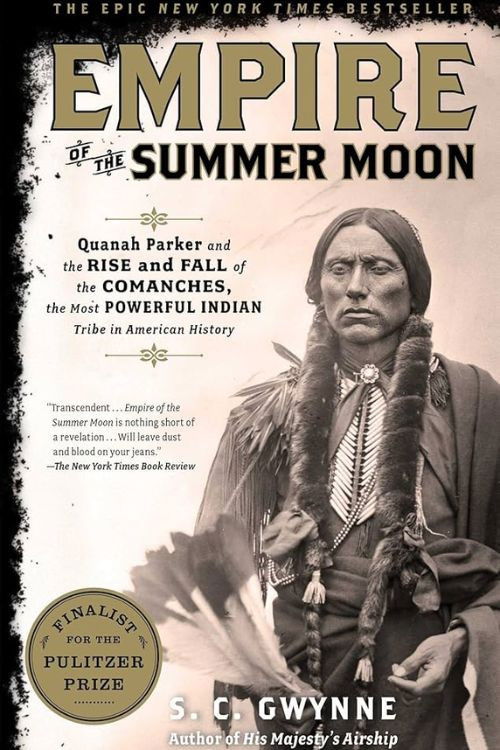
Empire of the Summer Moon
David Benioff's three-hour documentary traces the Comanche rise to power across the Great Plains. Brutal, revisionist and thrilling—history as stakes and survival, not pageant.
But Graphically violent. Doesn't pull back from the realities of frontier warfare. Some find the pacing glacial; others call it meditative.
People
Cast
 Simon SchamaPresenter