
Film
Kama Sutra: A Tale of Love
Mira Nair's 1997 drama traces two inseparable women whose friendship fractures when one marries a prince who desires the other. Sumptuous, sensual, and focused on female desire and agency, it uses the Kama Sutra as both literal text and metaphor for power, choice, and betrayal. For anyone drawn to intimate period pieces about women's autonomy.
Should you watch it?
Watch it if you want a lush, unhurried period romance where the emotional knots between two close friends matter as much as the sumptuous costumes and courtly intrigue.
Skip it if its sensuality sits front and centre rather than in the background, so if frank erotic material or a leisurely, talky pace would put you off, look elsewhere.
What it asks of you: Expect a long sit at nearly two hours, with slow, ornate scenes that linger on rooms, rituals and glances rather than rushing toward plot beats.
Not sure? Find tonight's pick in a minute.
If you liked this
The Remains of the Day1993
Restrained period drama about servants to power, exploring duty, desire, and the unbridgeable distance between people who love each other. Masterful, aching, and gorgeously shot.
But Slow, interior, and genuinely sad. The climax is a conversation. If you need plot momentum, this will feel like watching paint dry.

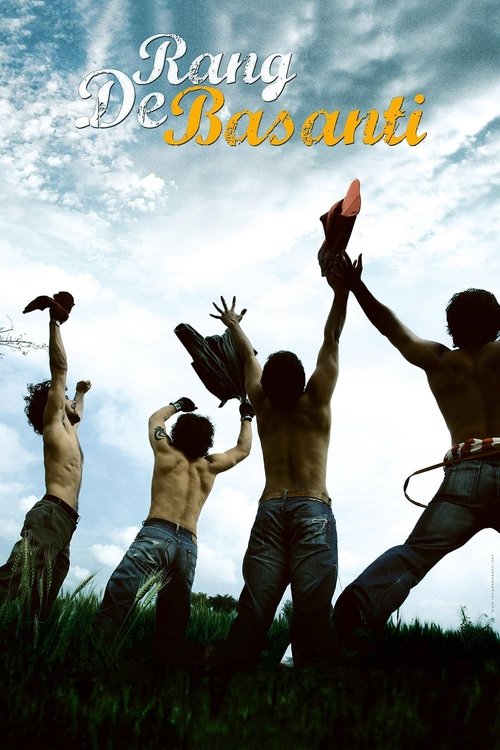
Rang De Basanti2006
Hindi-language ensemble drama with spectacular energy, combining friendship, love, and political awakening across India. Visually stunning, emotionally direct, genuinely moving without ever being sentimental.
But Three-plus hours, subtitled, and the tonal shifts between comedy and serious themes won't work for everyone. The politics are earnest in a way some will find didactic.
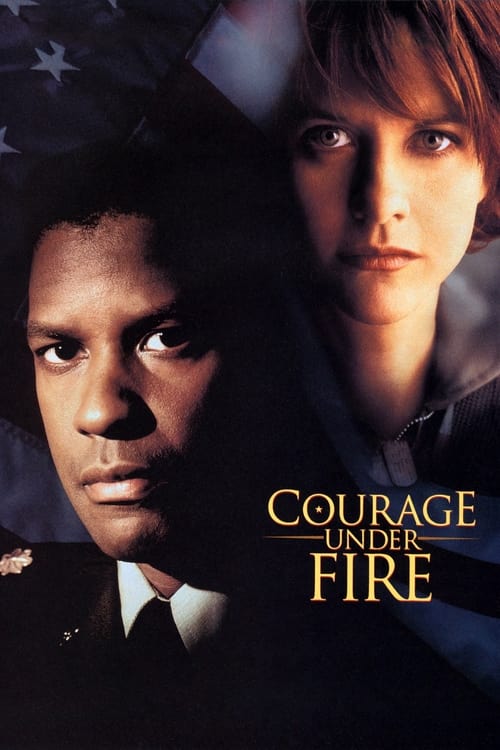
Courage Under Fire1996
Deepa Mehta's incendiary film about two daughters-in-law who fall in love in Delhi. Unflinching about female desire, family obligation, and the violence of respectability. Visually lyrical and genuinely brave.
But Banned in India on release. Explicitly queer, and the family dynamics are claustrophobic and cruel. Not a feel-good film about empowerment.
Not sure tonight? Get a pick in a minute, starting from Kama Sutra: A Tale of Love
The wildcard
Something you would not have found on your own.
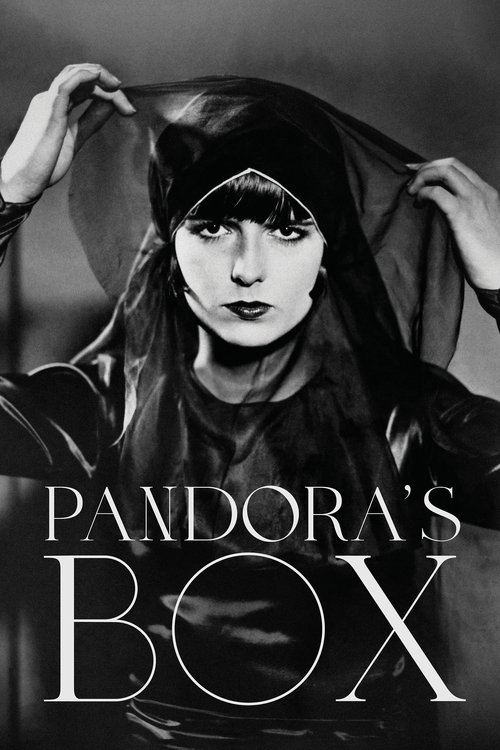
Pandora's Box1929
Both pit female sexual agency against patriarchal power; both ask what happens when a woman is desired rather than desirous; both use visual beauty as moral and political statement.
G.W. Pabst's silent expressionist masterpiece about a woman's destructive sexuality and agency. Decades before Kama Sutra, it's asking identical questions: who controls female desire, and what does the world do to women who refuse to be controlled?
But Silent film, 1929, and shot in that era's stark B&W. The pacing and acting conventions feel distant. No dialogue means you're reading, not watching passively.
More like this (8)
In the Mood for Love2000
Wong Kar-wai's aching meditation on longing, restraint, and parallel lives. Impossibly beautiful cinematography. Every frame is composed like a painting. The emotional precision is devastating.
But Deliberately paced to an almost glacial degree. There is virtually no plot. If beauty alone doesn't sustain you, this is torture.

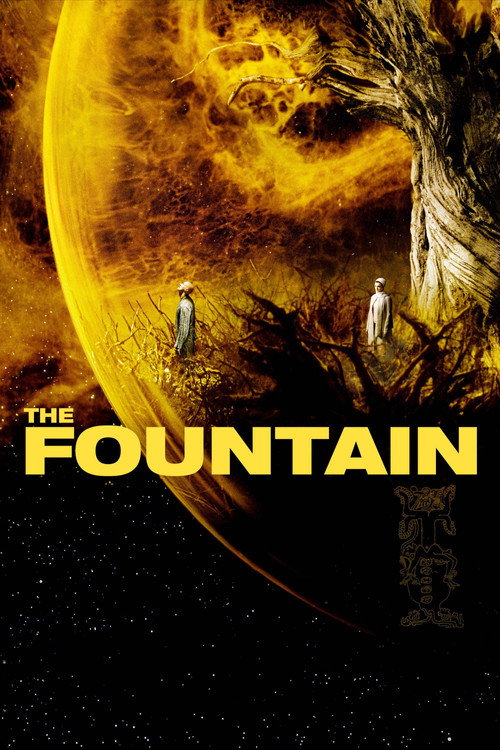
The Fountain2006
Darren Aronofsky's ravishing three-timeline epic about love, loss, and transcendence. Visually ambitious, emotionally overwhelming, structured like music. Unforgettable, even when it fails.
But Deliberately cryptic and metaphysical. Many will find it pretentious or incomprehensible. The editing and tone shifts confuse as often as they illuminate.
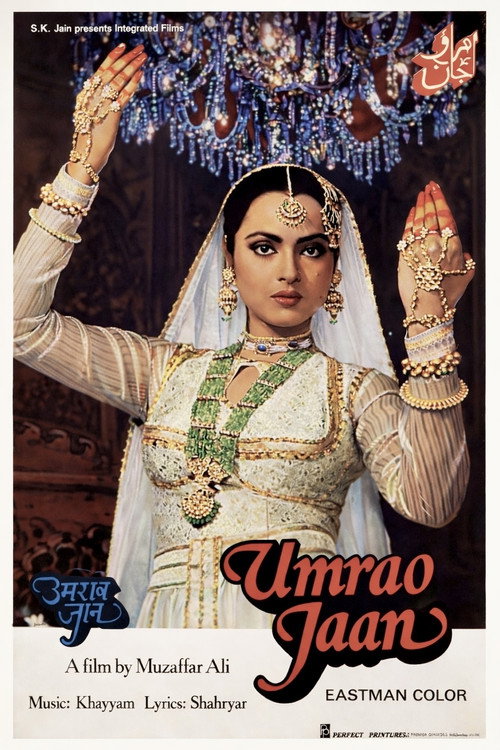
Umrao Jaan1981
Muzaffar Ali's languid, sumptuous film about a courtesan's life and loves in 19th-century Lucknow. Rekha is luminous. The cinematography is painterly, the music transcendent, the atmosphere intoxicating.
But Slow-moving, melancholic, and the frame of the courtesan as victim may feel dated. Subtitled, and the emotional register is consistently elegiac.
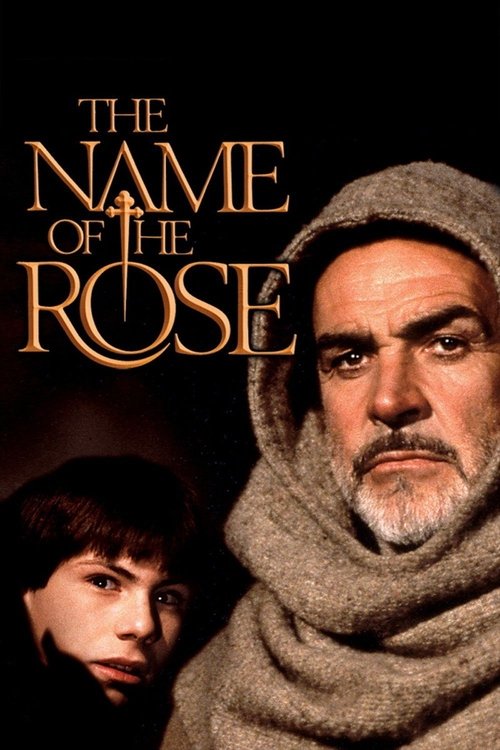
The Name of the Rose1986
Annaud's lush period thriller set in a medieval monastery, rich with sensuality, power dynamics, and forbidden knowledge. The production design is museum-quality. An intelligent mystery with genuine stakes.
But Long, dense with theological debate, and the plot can feel secondary to atmosphere. The violence, when it comes, is brutal and will shock some.
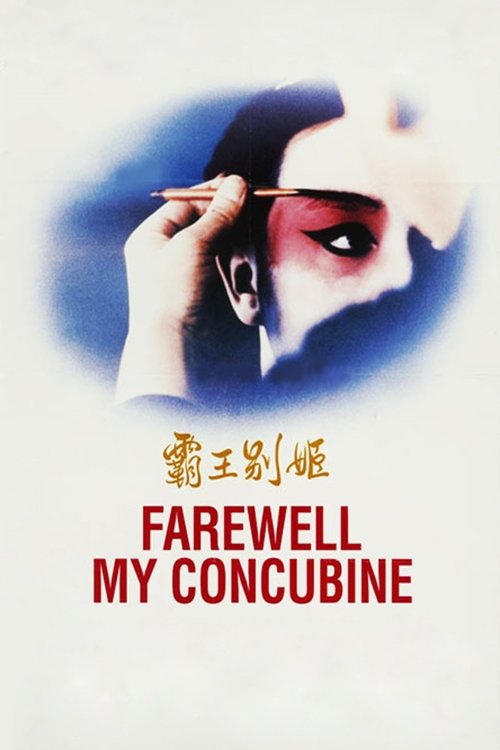
Farewell My Concubine1993
Chen Kaige's epic about two Peking Opera stars whose devotion transcends decades of Chinese political upheaval. Gorgeously composed, emotionally wrenching, with a scope that feels genuinely monumental.
But Nearly three hours, subtitled, with a plot that spans decades and China's darkest periods. The emotional weight accumulates into something that can feel relentless.
The English Patient1996
Minghella's lush melodrama of forbidden love amid war and desert. Sumptuous cinematography, a complex narrative structure, and the kind of passionate, doomed affair that justifies its own excess.
But Often reviled as overwrought and self-serious. Nearly three hours, and the fractured timeline requires patience. The romance may read as self-indulgent rather than moving.

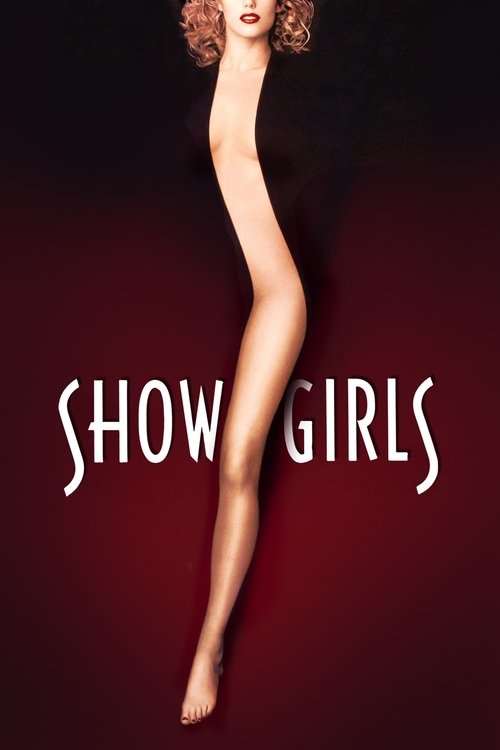
Showgirls1995
Both make sexual spectacle and desire central rather than decorative; both are about women navigating systems designed to use them; both refuse to apologize for showing female bodies on their own terms.
Verhoeven's infamous camp excess about ambition, exploitation, and the male gaze. Grotesquely beautiful, sincere in its moral fury about how female bodies are consumed, utterly unashamed of its artifice and sexuality.
But Reviled, explicit, gratuitously choreographed, and many will dismiss it as unserious. The acting is bizarre, the dialogue clunky. It courts being laughed at and doesn't flinch.
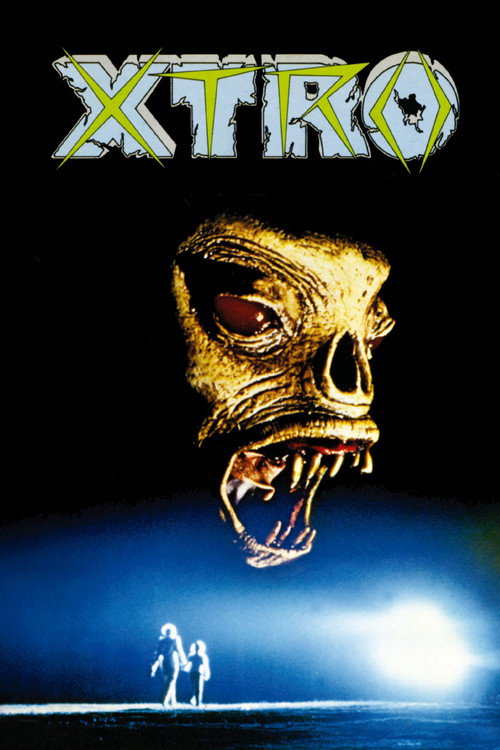
Xtro1982
Both use the body—its pleasure, its violation, its refusal to cooperate—as the text itself. Both refuse conventional eroticism or exploitation; both make you uncomfortable by centering physicality as profound.
Harry Davenport's deranged sci-fi horror oddity about invasion, violation, and bodies transformed. Grotesque, surreal, visually hypnotic. An absolutely singular vision that exists in no genre's comfortable center.
But Genuinely bizarre, with body horror and sexual violation as visual spectacle. Not erotic, actively alienating. A cult film that earned its cult status through sheer strangeness and difficulty.
People
Cast
 Indira VarmaMaya
 Sarita ChoudhuryTara, the Queen
 Ramon TikaramJai Kumar
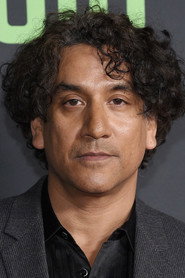 Naveen AndrewsRaj Singh
 RekhaRasa Devi, teacher of the Kama Sutra
 Khalid TyabjiBiki
 Arundathi NagAnnabi
- Surabhi BhansaliYoung Maya
- Garima DhupYoung Tara
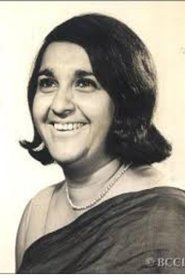 Pearl PadamseeMaham Anga
- Kusum HaidarDilki
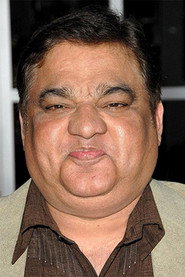 Harish PatelDoctor Mani
Directing
- Mira NairDirector
Writing
- Wajida TabassumStory
- Helena KrielWriter
- Mira NairWriter
Production
- Dinaz StaffordAssociate Producer
- Tina Di FeliciantonioAssociate Producer
- Dinaz StaffordCasting
- Susie FiggisCasting
- Tula GoenkaCasting
- Uma Da CunhaCasting
- Caroline BaronCo-Producer
- Michiyo YoshizakiExecutive Producer
- Lydia Dean PilcherProducer
- Mira NairProducer