
Television series
Salem
Salem reimagines the 1692 witch trials as literal supernatural horror, where witchcraft is real and woven into colonial America's political collapse. It's visceral, strange, and willing to be genuinely unsettling—part historical drama, part horror show, completely committed to its premise. For viewers who want their history dark and their supernatural elements earned rather than decorative.
Should you watch it?
Watch it if you like your period drama with a supernatural undercurrent, a slow-burning cast of schemers and true believers, and a willingness to let dread build across long hours of ambiguous loyalty.
Skip it if you want the trials treated as history, since this takes its supernatural premise at face value and leans into lurid, often gory melodrama that can tip into soap.
What it asks of you: Expect a long haul of hour-long episodes that circle the same grievances and alliances, with patience rewarded more than urgency; the tone stays heavy and dim rather than playful.
Not sure? Find tonight's pick in a minute.
If you liked this
The Crucible1996
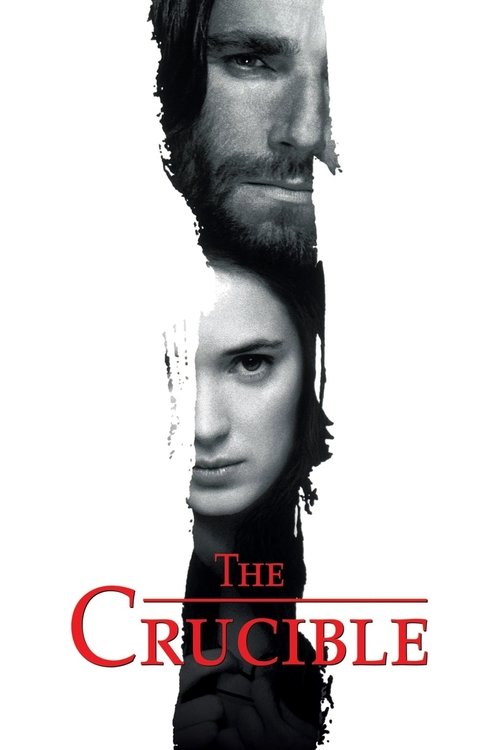
Arthur Miller's play about the trials as political allegory remains the definitive text on mass hysteria and false accusation. Daniel Day-Lewis and Winona Ryder lead a cast operating at full intensity, and the language still cuts.
But It's a stage play adapted to film, so it can feel theatrical and airless in stretches. The pacing is deliberate rather than propulsive.
American Horror Story2011
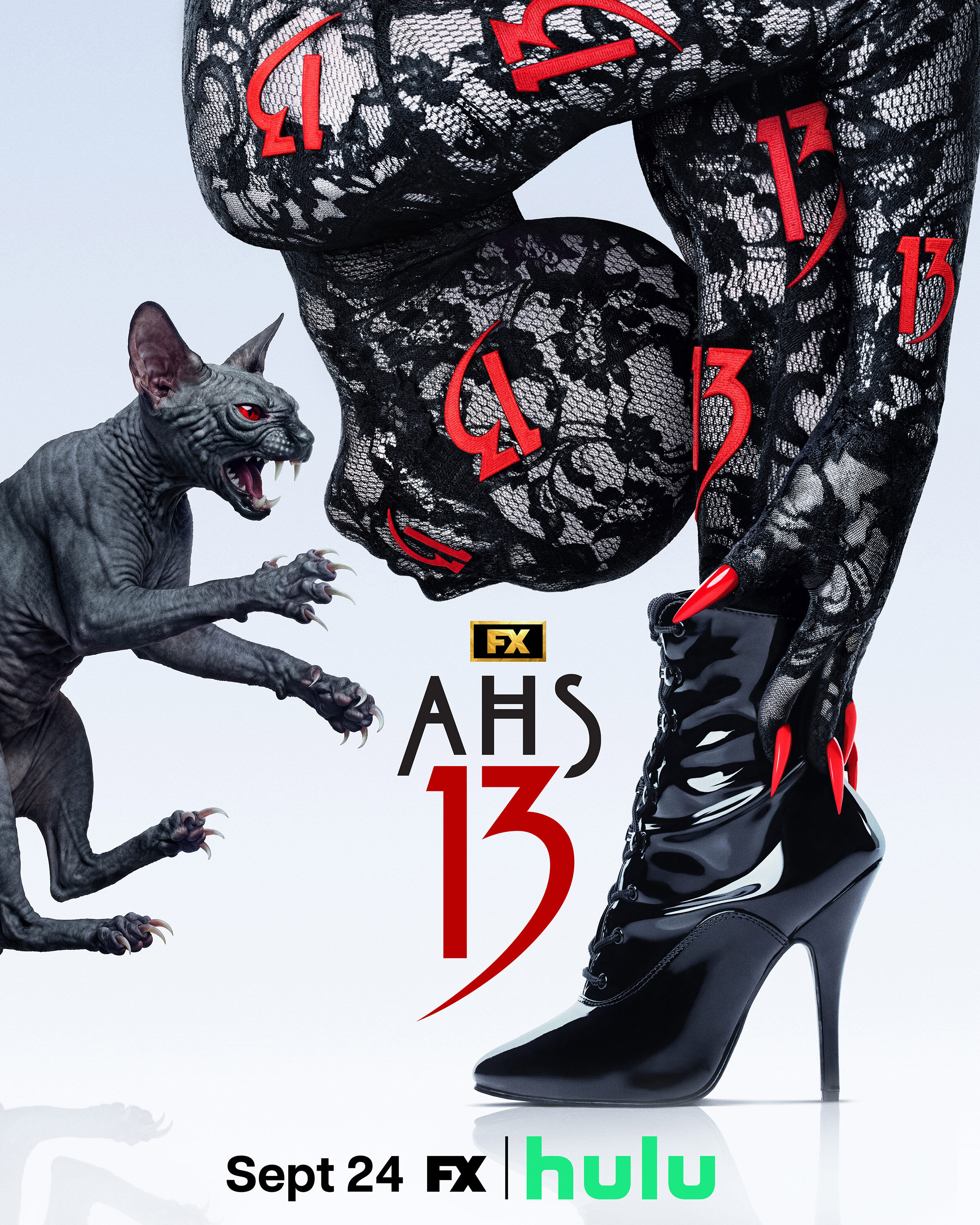
Witches and American history collide in Ryan Murphy's most entertaining season. It's supernatural horror with camp energy, strong performances, and the kind of plot momentum that makes binge-watching impossible to resist.
But It's messier than Salem—tonal whiplash between horror and comedy, and some storylines feel abandoned. The show doesn't always know what it wants to be.
The Witch2016
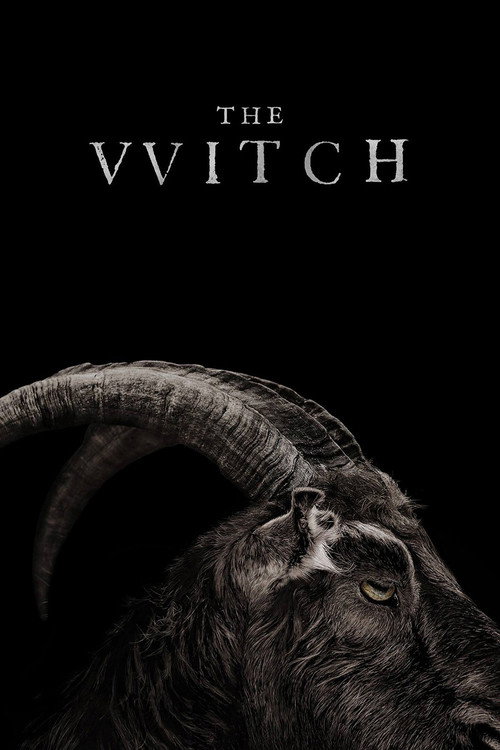
Robert Eggers' directorial debut is slow-burn folk horror at its finest. A Puritan family unravels in the New England wilderness, and the dread accumulates with every frame. It's visually stunning and genuinely disturbing.
But The pacing is glacial and the dialogue is period-accurate to the point of difficulty. It's bleak without catharsis, which won't work for everyone.
Not sure tonight? Get a pick in a minute, starting from Salem
The wildcard
Something you would not have found on your own.
The Essex Serpent2022
Both examine how communities project evil onto individuals and how official power structures exploit public terror. Both are about women's bodies and agency as the literal battleground.
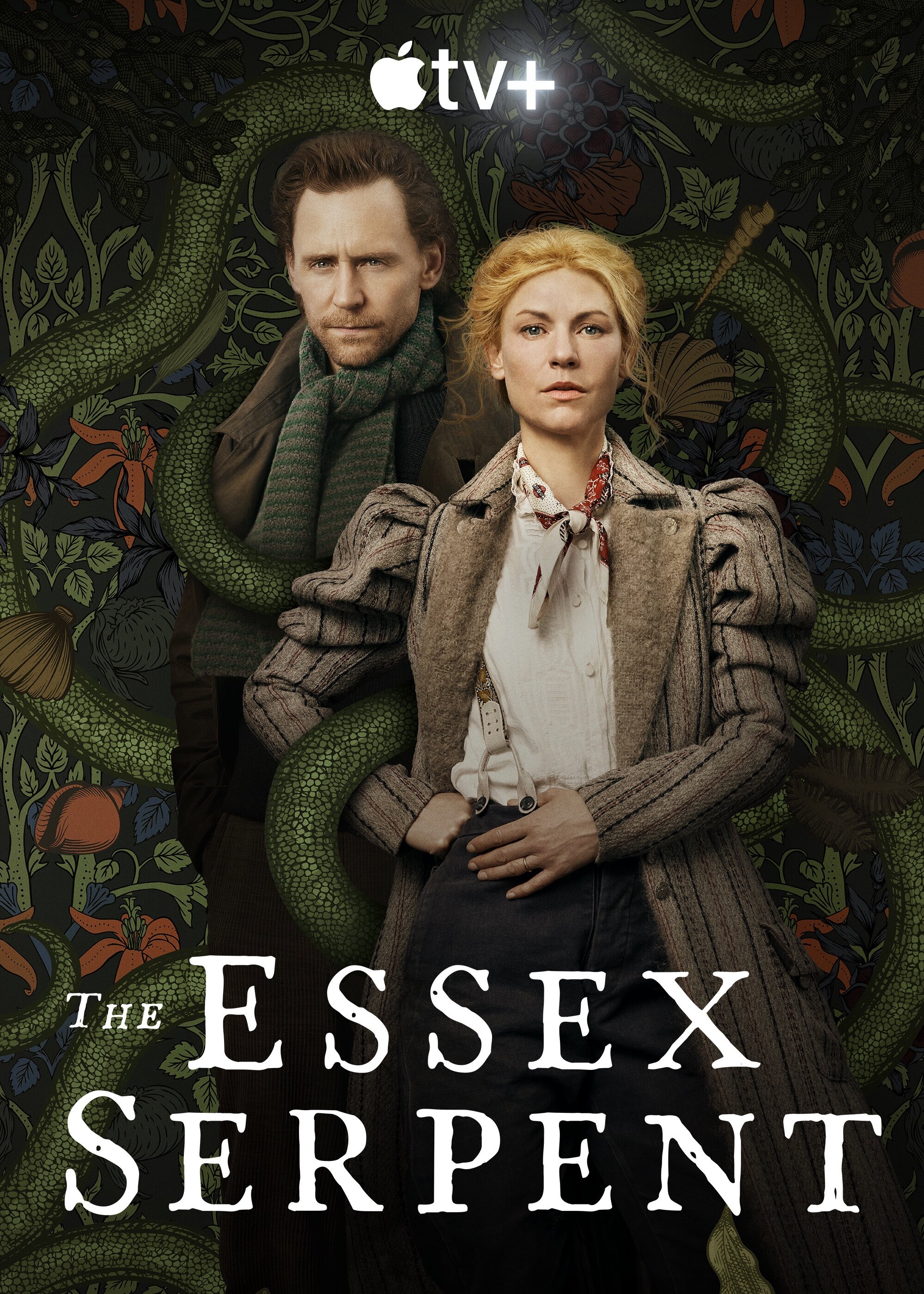
A woman in Victorian England investigates a cryptid while grappling with faith, science, and desire. Like Salem, it's about how communities weaponize fear and belief, but told through intimate human drama rather than witchcraft. Claire Danes and Michael Showalter are extraordinary.
But It's quiet and character-driven—if you wanted Salem for the horror and action, this is its opposite. The pacing is meditative, not propulsive.
More like this (8)
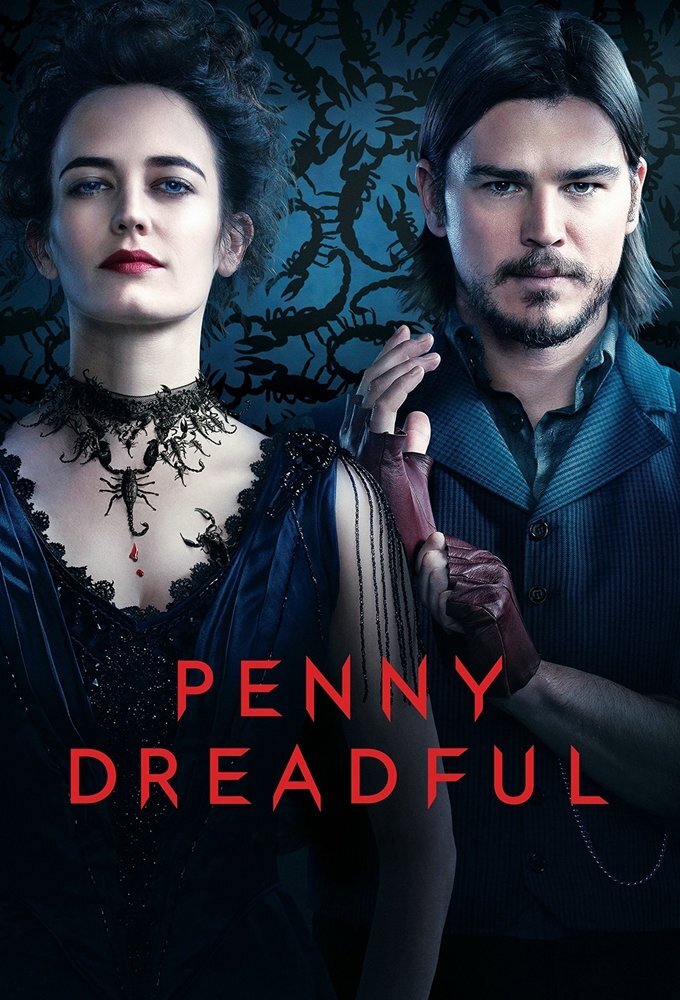
Penny Dreadful2014
Like Salem, it takes historical and literary figures and lets them loose in a supernatural thriller. John Logan's writing is gorgeous, the cast is A-tier, and it understands that horror works best when characters are articulate about their dread.
But It's slower and more literary than Salem—less action, more dialogue and mood. And it can be portentous; not every episode justifies its own length.
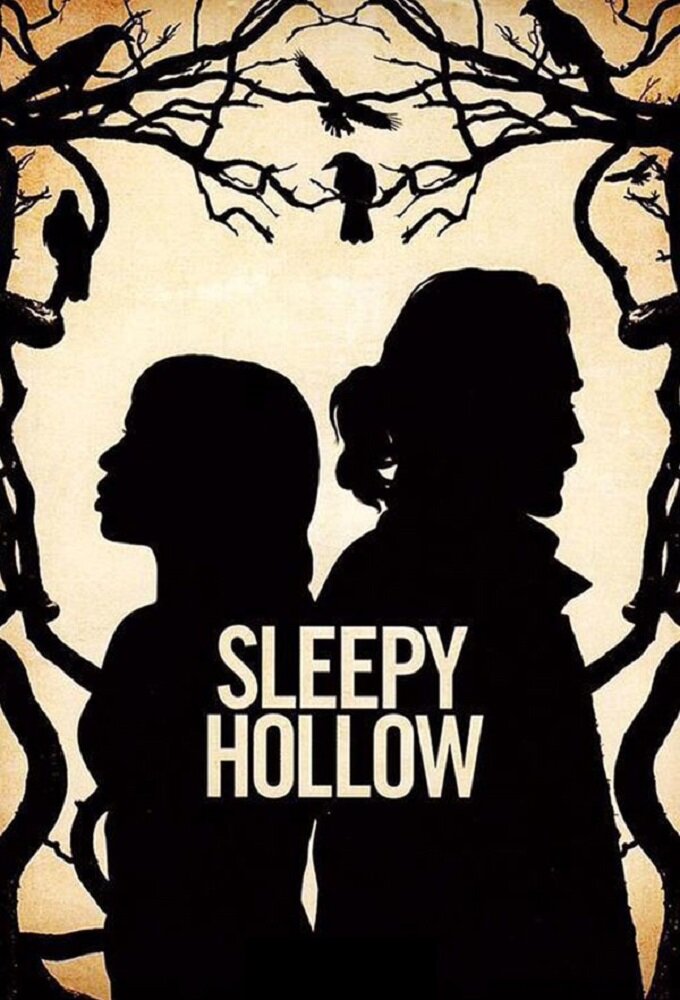
Sleepy Hollow2013
High-concept historical fantasy where Ichabod Crane wakes up in 2013 to face End Times mythology. It's silly, it's fun, it's beautifully shot, and it doesn't take itself as seriously as Salem, which is part of its charm.
But After season two it loses focus entirely. The mythology becomes byzantine and the show tries to do too much. Stick to the early run.
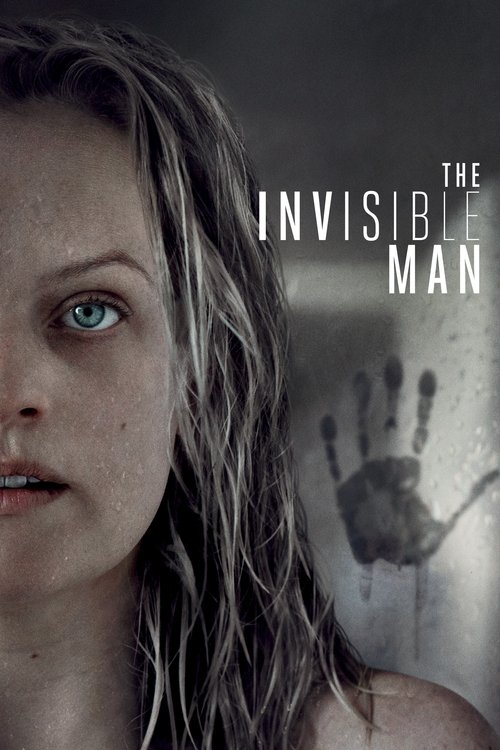
The Invisible Man2020
Leigh Whannell's remake turns a classic property into a trauma thriller about gaslighting and invisible threat. It's tense, visceral, and furiously smart about power and control, with Elisabeth Moss at her finest.
But It's a modern-day film, not historical. If you came to Salem for the period setting specifically, this won't scratch that itch.
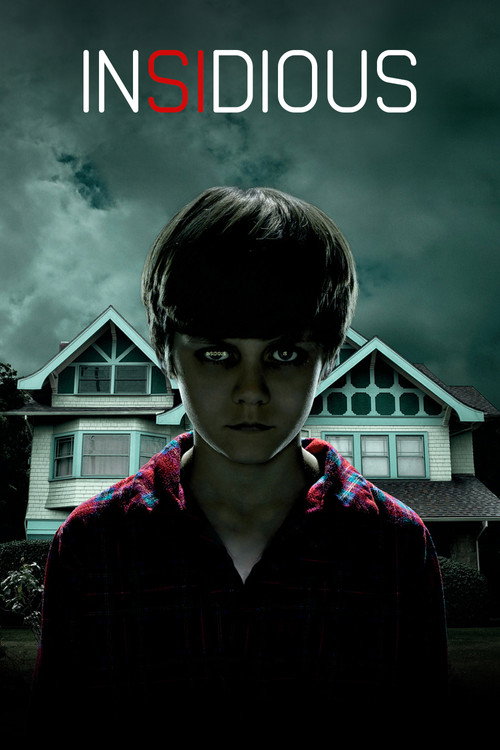
Insidious2011
James Wan's supernatural horror is all atmosphere and genuine scares—a family haunted by something they can't see or fully understand. It's inventive, it's efficient at 102 minutes, and the twist actually lands.
But It leans toward jump scares rather than psychological horror. The third act pivots to a different kind of movie entirely, which some find brilliant and others find deflating.
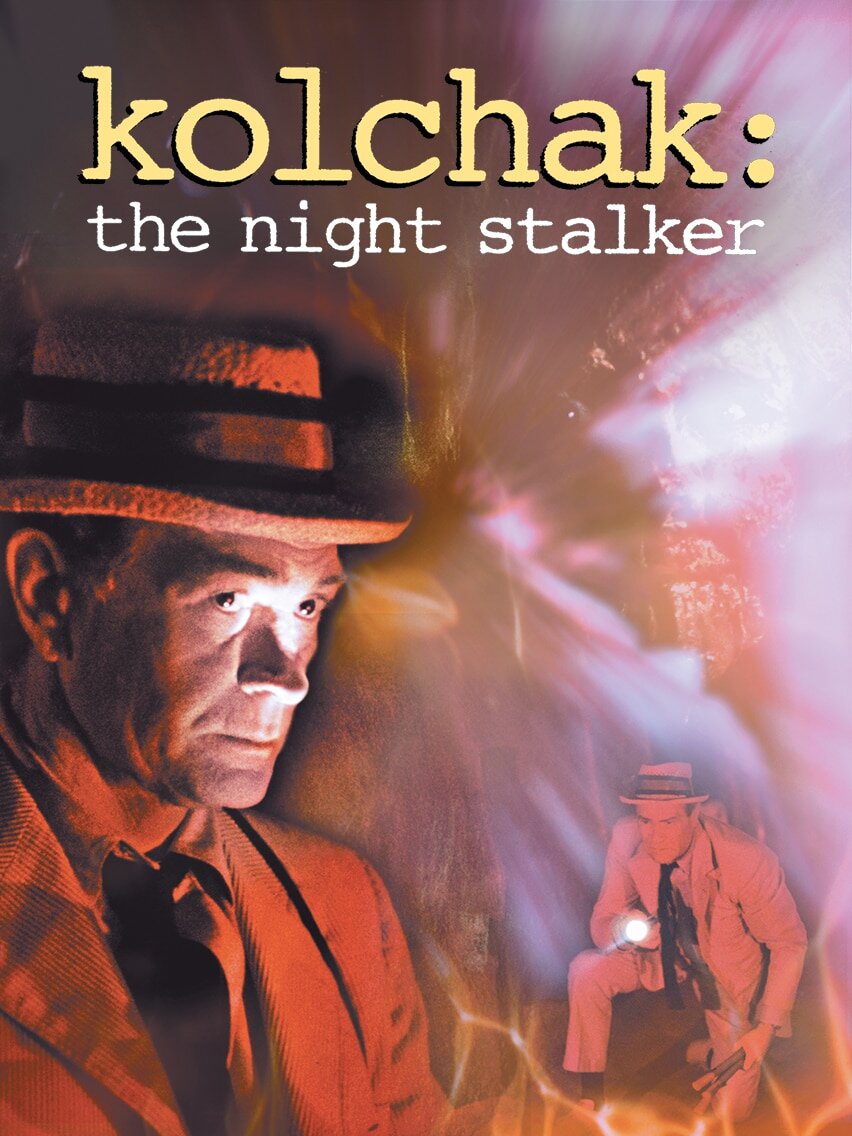
Kolchak: The Night Stalker1972
This TV movie is the godfather of supernatural investigative drama. Darren McGavin plays a reporter chasing monsters nobody believes in. It's the DNA for shows like Salem, and it still has teeth.
But It's very much a 1970s TV production—pacing and effects will feel quaint. It's also only a movie, not a series to sink into.
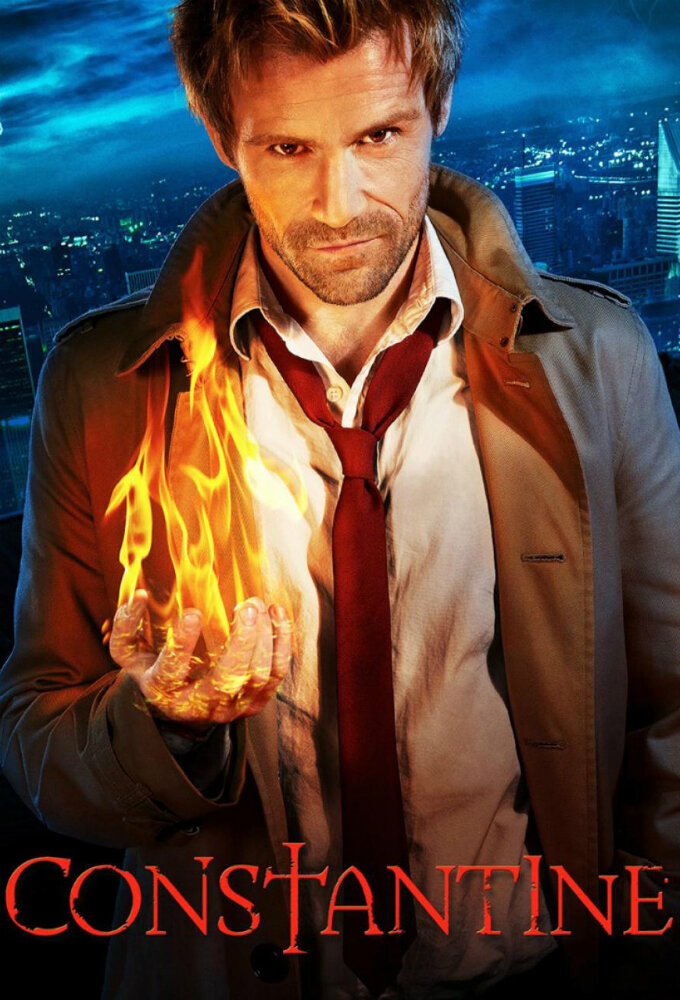
Constantine2014
Based on DC's occult detective comics, it follows a con man who traffics in dark magic and barely-won victories. Matt Ryan is charismatic, the supernatural world-building is inventive, and it has genuine darkness underneath the CW polish.
But One season only—cancelled before it found its footing. And it's more action-adventure than horror, lighter in tone than Salem by design.
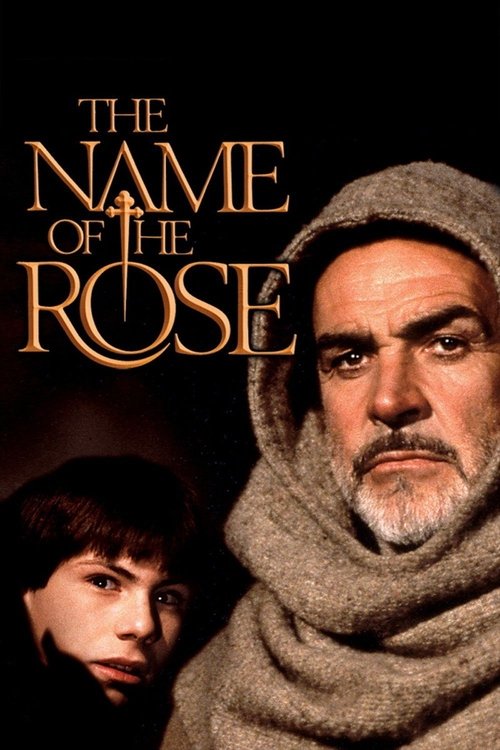
The Name of the Rose1986
Both use historical settings to explore how institutions weaponize belief for power. Both feature characters caught between faith and evidence, unable to trust what they're told.
Umberto Eco's novel of medieval mystery and ideology gets an unexpectedly gripping adaptation. Sean Connery is a monk-detective solving murders in an abbey where theology and politics are indistinguishable. It's intellectually rigorous and visually sumptuous.
But It's dense—you have to engage with philosophy and semiotics, not just sit back. At three hours, it's a commitment, and the pacing can feel academic.
Mulholland Drive2001
Both are about how communities and individuals construct false stories, and how those fictions become more real than truth. Both feature cascading unreliability and the horror of powerlessness.
David Lynch's masterpiece uses a Hollywood mystery structure to dissect how narratives collapse when reality intrudes. It's formally audacious, emotionally devastating, and will rewire how you watch television. Naomi Watts gives one of cinema's greatest performances.
But It's abstract and refuses clarity—the ending doesn't 'explain' itself in any traditional sense. If you want plot resolution over interpretation, this will frustrate you.

People
Cast






Writing
- Adam S. SimonCreator
- Brannon BragaCreator
Production
- Al SeptiénCo-Executive Producer
- Nick CopusCo-Executive Producer
- Turi MeyerCo-Executive Producer
- Vahan MoosekianCo-Executive Producer
- Danielle WeinstockCo-Producer
- Kurt MoritzCo-Producer
- Skip SchoolnikCo-Producer
- Joe MenoskyConsulting Producer
- Adam S. SimonExecutive Producer
- Brannon BragaExecutive Producer
- Brian PetersonExecutive Producer
- David Von AnckenExecutive Producer
- Elizabeth SarnoffExecutive Producer
- Jeff KwatinetzExecutive Producer
- Jon Harmon FeldmanExecutive Producer
- Josh BarryExecutive Producer
- Kelly SoudersExecutive Producer
- Tricia SmallExecutive Producer
- Judd ReaProducer