
Film
Breaking the Maya Code
A 116-minute documentary tracing two centuries of obsession with Maya hieroglyphics—from wild guesses to genuine breakthrough. It's a detective story about decipherment, featuring the scholars who cracked an ancient code and the false leads that nearly derailed them. For anyone who loves solving puzzles, ancient history, or watching brilliant people argue productively.
If you liked this
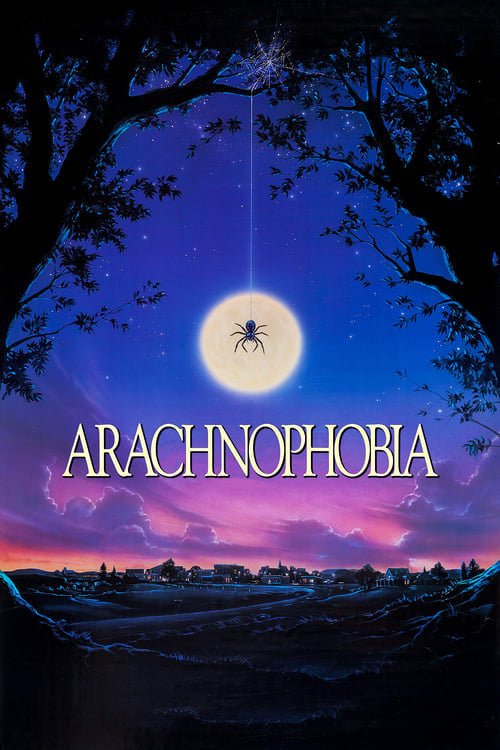
Arachnophobia1990
A tense mystery about a deadly spider species that grips you with genuine dread. Jeff Daniels anchors a smart, funny script that treats its premise seriously while never losing sight of entertainment. One of the best creature-features ever made.
But It's fundamentally a horror-thriller, not a puzzle box. If you want intellectual engagement over suspense and some genuine scares, this pivots away from that.
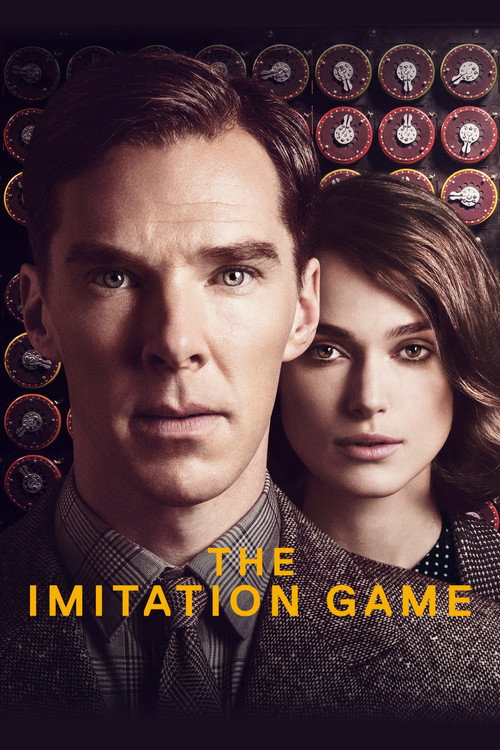
The Imitation Game2014
Cumberbatch as Turing, solving codes during WWII while interrogating what it means to be human. It's about the ecstasy and agony of being brilliant and isolated, with stakes that matter far beyond the puzzle itself. Heartbreaking and urgent.
But The film simplifies Turing's actual life considerably and plays fast with some history for dramatic effect. If historical precision matters to you, the liberties will sting.
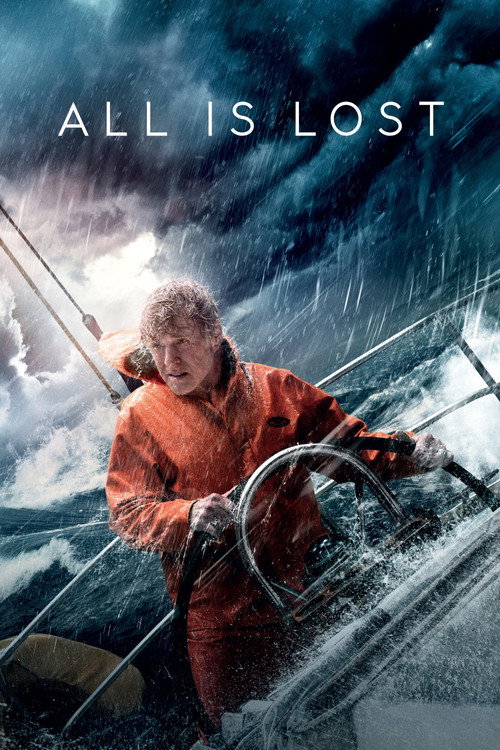
All Is Lost2013
Robert Redford alone against the ocean, problem-solving his way toward survival. It's a visual puzzle—how does he think? How do we? Every decision matters. Minimal dialogue; maximum ingenuity. A masterclass in understated storytelling.
But The slow-burn pacing and sparse dialogue will feel glacial if you need plot momentum or character backstory to stay engaged. Some find it tedious.
Not sure tonight? Get a pick in a minute, starting from Breaking the Maya Code
The wildcard
Something you would not have found on your own.
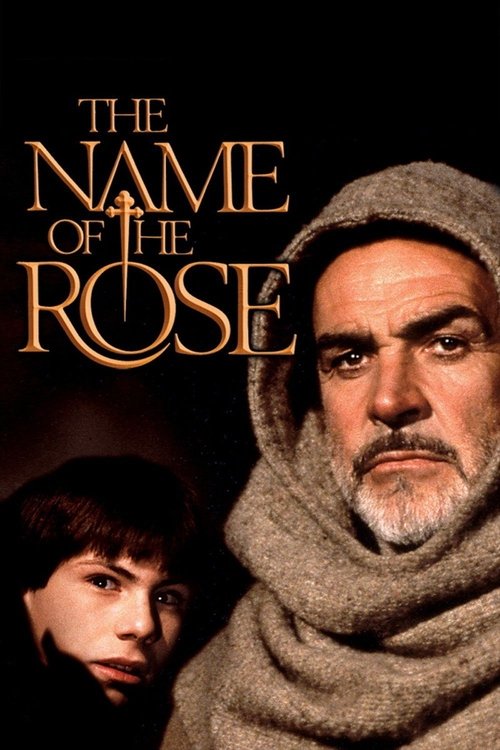
The Name of the Rose1986
Both are about systems of meaning—ancient scripts or medieval symbols—and the human obsession with decrypting them. Both respect their subject's complexity without turning it into melodrama.
A medieval monastery mystery where monks argue theology and symbolism while solving a murder. It's a code-breaker's dream—texts within texts, meanings hidden in meanings. Sean Connery as a detective in a cowl, solving puzzles with reason and humility.
But Dense, slow, drenched in period detail and ecclesiastical debate. If you want a thriller that moves, not a philosophical puzzle that breathes, this will feel like homework.
More like this (8)
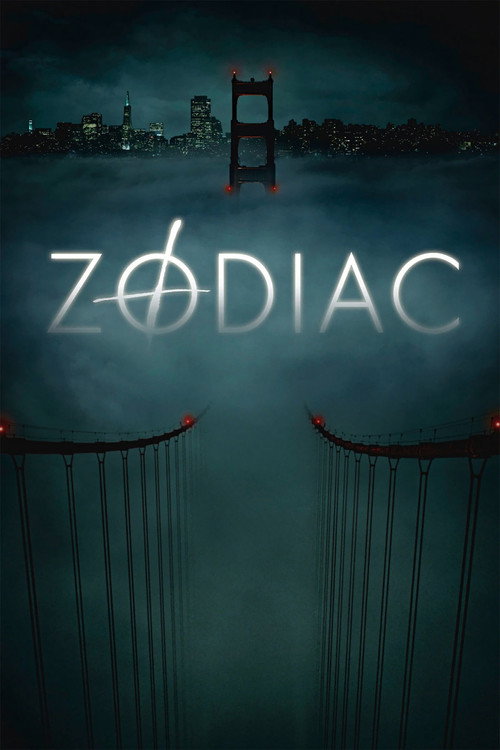
Zodiac2007
Fincher's obsessive hunt for the Zodiac Killer is less about finding him than about watching brilliant people disappear into a mystery. It's as much about the cost of obsession as the puzzle itself. Meticulous, unsettling, unforgettable.
But Nearly three hours of dead ends, false leads, and no cathartic resolution. If you need narrative closure or lighter entertainment, this will frustrate you deeply.
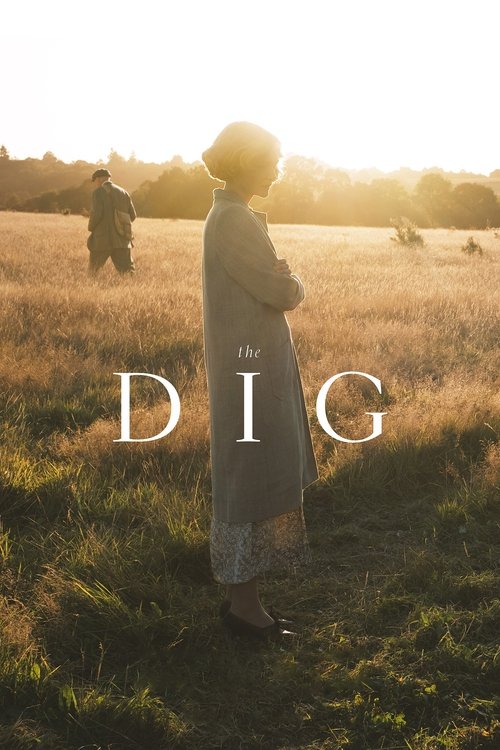
The Dig2021
An excavation of the Sutton Hoo burial site becomes a meditation on what objects tell us about the past. Fiennes and Tucci, quiet moments between revelations. It's about the poetry of archaeological discovery, not just the objects themselves.
But Very slow and very British. Almost no conventional drama. If you want sweeping adventure or clear stakes, this settles into contemplation instead.
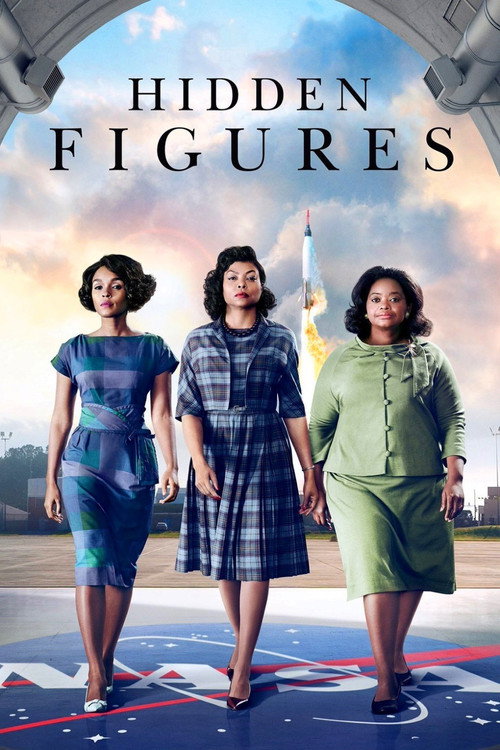
Hidden Figures2016
Black female mathematicians solving problems NASA needed solved. It's a code-breaking story, a civil-rights story, and a triumph of competence over bigotry. Warm, funny, satisfying, and genuinely moving. A lift for the heart and the mind.
But The film smooths some rough edges of the real story for palatability. If you're looking for unflinching historical depth, it prioritizes crowd-pleasing over complexity.
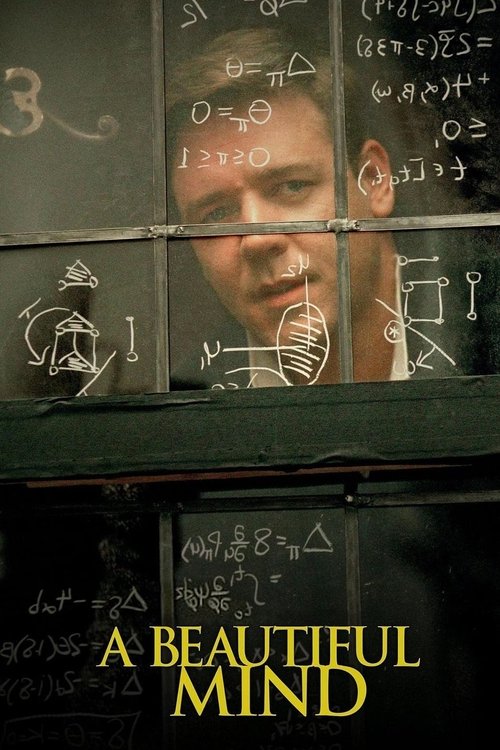
A Beautiful Mind2001
Russell Crowe as John Nash, mathematicians wrestling with patterns and meaning. It captures the thrill of breakthrough and the terror of losing your grip on reality. A humanistic look at genius and struggle that never becomes a pity film.
But The film has been criticized for oversimplifying Nash's illness and romanticizing aspects of his life. Historical accuracy takes a back seat to narrative shape.
The Puzzle
A widow discovers jigsaw puzzles and finds a new life. It sounds slight but it's genuinely tender—about creativity, connection, and how we rebuild ourselves. Low stakes, high warmth. A small film that trusts its simplicity.
But If you need dramatic conflict or high stakes, this is almost aggressively gentle. Some will find it insufficient; others will call that the point.
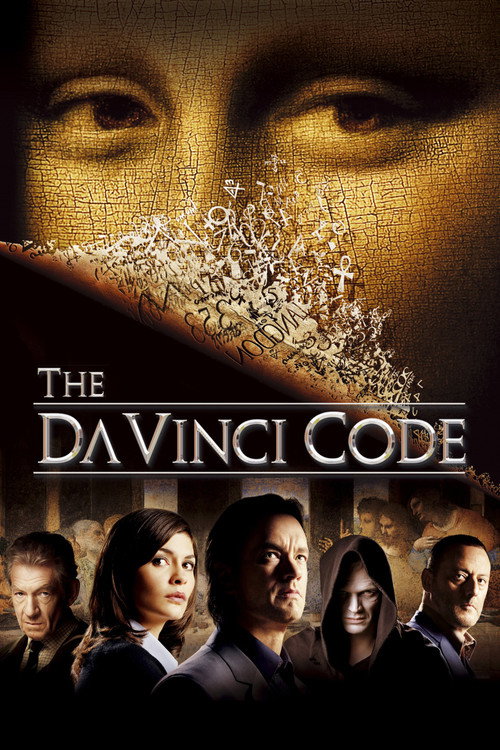
The Da Vinci Code2006
A mystery wrapped in history and sprinkled with conspiracy, racing through Europe while characters decode symbols. It's pulp archaeology with real locations and intellectual scaffolding. Tom Hanks anchors the absurdity with earnestness and it mostly works.
But The pacing is breakneck, the dialogue often clunky, and the theological material casual. It's a thriller that uses history as a game board, not a scholarly document.
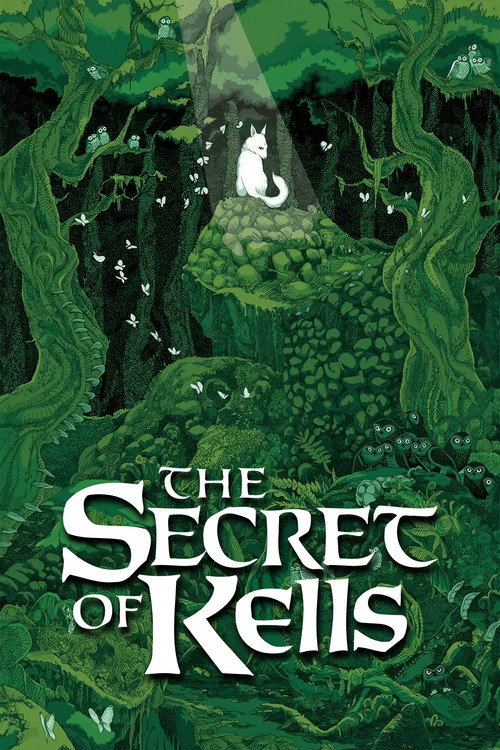
The Secret of Kells2009
Both are love letters to written symbol systems and the people devoted to preserving them. Both see ancient scripts not as objects but as acts of meaning-making that echo across centuries.
An animated Irish folk tale about monks preserving the Book of Kells. It's visually ravishing, steeped in Celtic mythology and manuscript culture. The script is lyrical, the pacing dreamlike. A film about how we preserve knowledge and beauty through darkness.
But The plot is slight and the tone is deliberately soft-focus dreamlike. If you need conventional story structure or plot momentum, the film floats rather than builds.
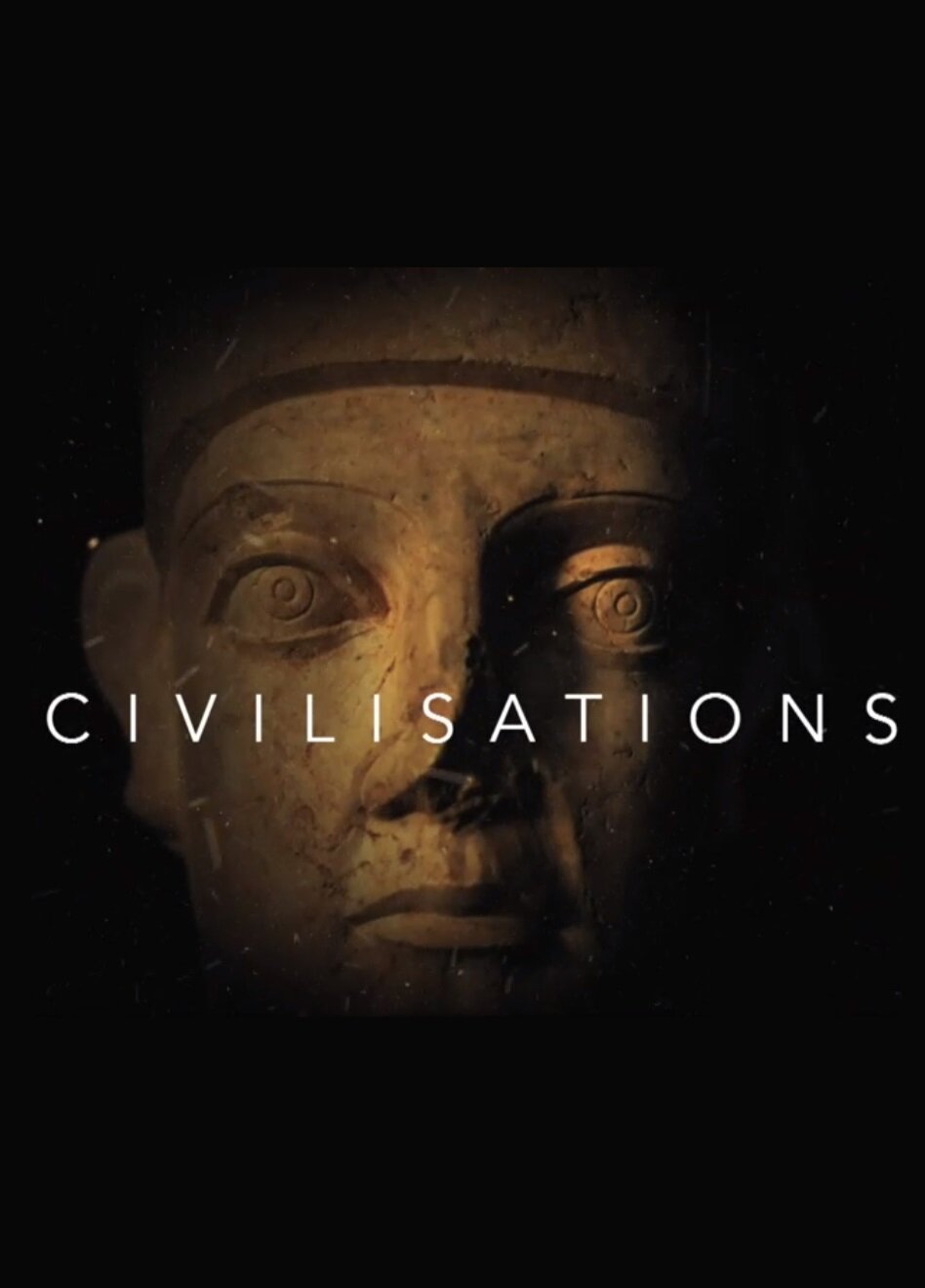
Civilisations2018
Like Breaking the Maya Code, it's fascinated by how cultures communicate across time through their artifacts and symbols. Both center non-European achievements and the scholars who decode them rather than exoticize them.
David Attenborough guides you through three non-Western civilizations—the Aztecs, the Ottoman Empire, the Mughal court—showing how they understood and encoded their world. Nine hours of pure visual and intellectual generosity. It reframes what 'civilization' even means.
But It's a companion piece to traditional Western art-history narratives, not a substitute. If you're looking for breeziness or quick payoffs, this asks for your sustained attention and rewards it slowly.
People
Cast
 CCH PounderNarrator (voice)
- Michael D. CoeSelf
- Ian GrahamSelf
- Nikolai GrubeSelf
- Peter MathewsSelf
Directing
- David LebrunDirector
Writing
- David LebrunWriter