
Film
The Big Scary “S” Word
A brisk documentary that reclaims socialism from caricature, tracing its actual American roots and present-day advocates. Featuring historians and activists, it argues for what the word meant before it became a bogeyman. Engaging and clarifying rather than preachy—a primer that respects your intelligence.
Should you watch it?
Watch it if you want a clear-eyed history lesson on American radicalism, where the talking heads are scholars and organizers making a case you can argue with, and you enjoy following an idea across a century.
Skip it if you came for a rigorous neutral survey, since this is openly sympathetic to socialism and its sharpest critics get little airtime compared with the movement's own voices.
What it asks of you: Eighty-five minutes of mostly talking heads and archival material, moving briskly through decades, so it rewards sustained attention to arguments more than visual flair.
Not sure? Find tonight's pick in a minute.
If you liked this
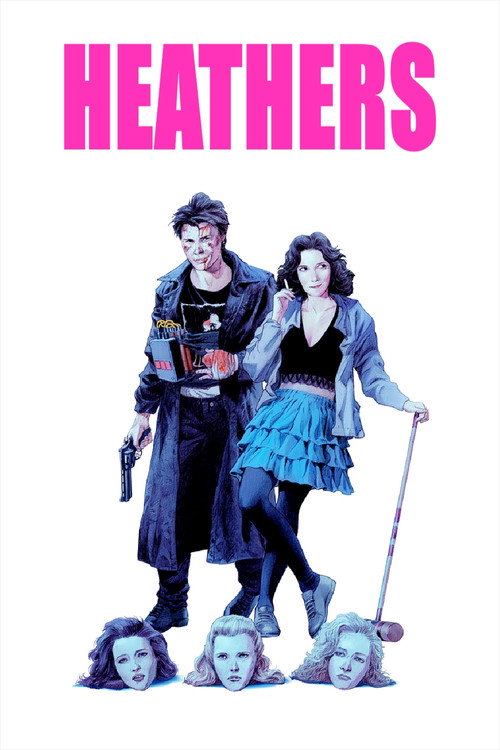
Heathers1989
Dark, funny takedown of conformity and social hierarchy that ends up questioning capitalism's cruelty without naming it. Captures the nihilism that fuels political questioning in a way that feels lived, not didactic.
But A teen comedy-tragedy from the Reagan era; if you want serious politics, the tonal shifts between comedy and violence might feel evasive.
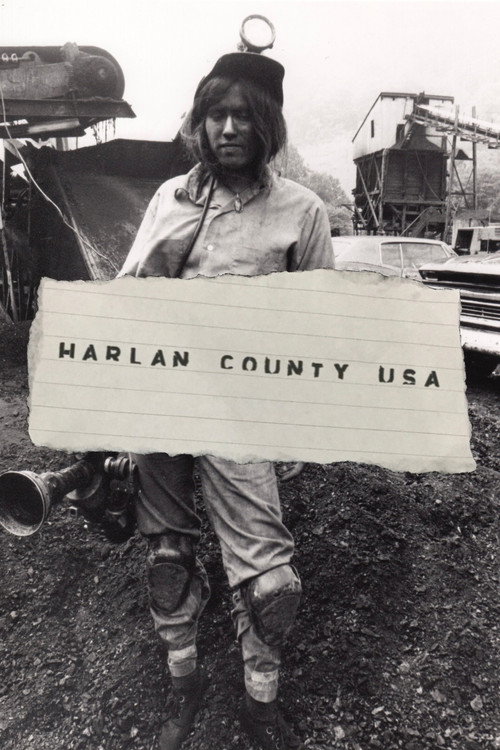
Harlan County U.S.A.1976
Documentary of a Kentucky coal strike that shows workers organizing for dignity—visceral and real, capturing the human stakes behind class struggle and why people turn to collective action.
But Filmed in the 1970s with no narration; it's immersive and sometimes shapeless, assuming you care enough to sit with frustration and ambiguity.
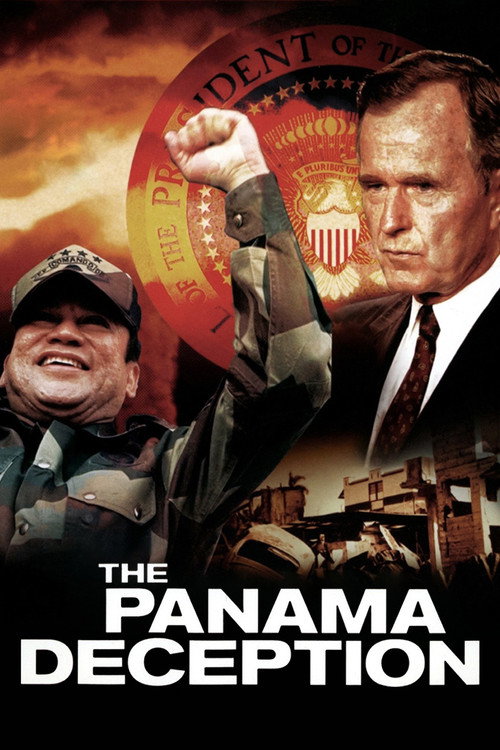
The Panama Deception1992
Barbara Trent's Oscar-winning doc about how the US invasion was sold with lies. Shows media complicity and imperial logic in real time—why institutions themselves are questioned by the left.
But Angry and partisan; if you want neutral, this isn't for you. The editing style also feels dated now.
Not sure tonight? Get a pick in a minute, starting from The Big Scary “S” Word
The wildcard
Something you would not have found on your own.
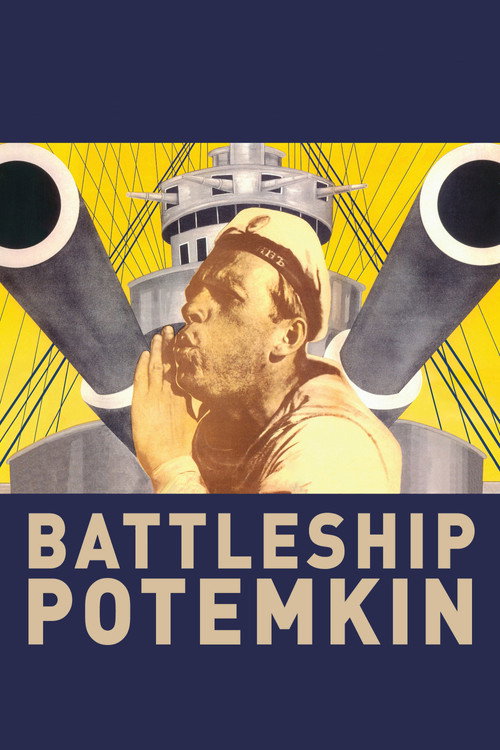
Battleship Potemkin1925
Both ask how ordinary people recognize they have power. Potemkin shows it through bodies and collective movement; the documentary shows it through interviews and American history. Same awakening, different eras.
Eisenstein's silent masterpiece about a 1905 Russian naval mutiny is cinema's greatest argument for collective action and human courage. Its formal innovation—montage itself—was built to convey revolutionary thought. Pure cinema.
But Silent film with intertitles; no sound, no faces you know, and it's almost a century old. The aesthetic demands active viewing, and the politics are unsubtle even by 1920s standards.
More like this (4)
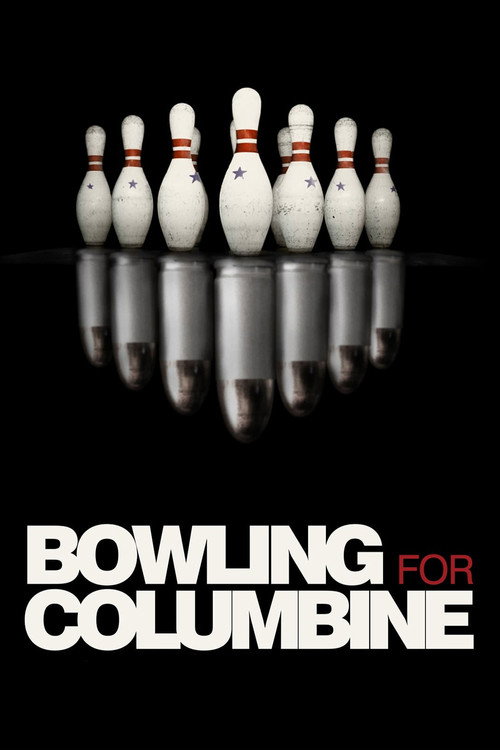
Bowling for Columbine2002
Michael Moore's best work: a genuine investigation of American gun violence that expands into capitalism's role in creating fear and division. Asks uncomfortable questions about who benefits.
But Moore's rhetorical tricks—ambush interviews, emotional manipulation—work but can feel cheap if you're skeptical of documentary sleight of hand.
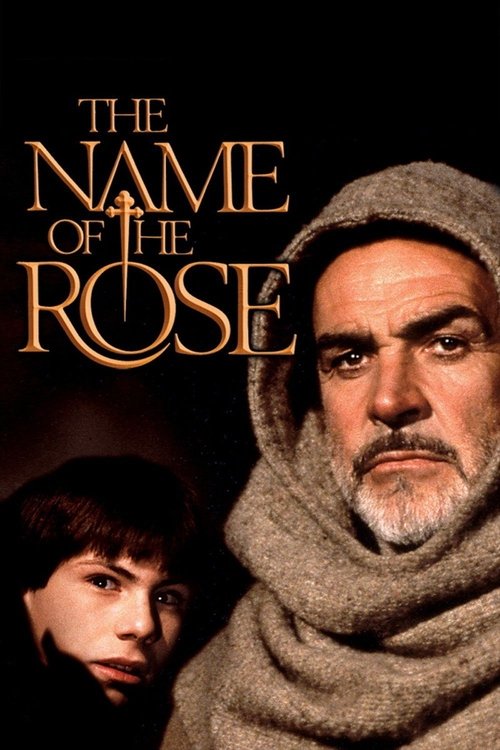
The Name of the Rose1986
Baroque murder mystery set in a medieval monastery, but really about the control of information and power. Sean Connery as a Franciscan friar who believes in poverty as liberation—a radical text disguised as costume drama.
But Deeply weird and slow; it's a film for patient viewers who enjoy puzzles and don't mind its sexual and violent darkness.
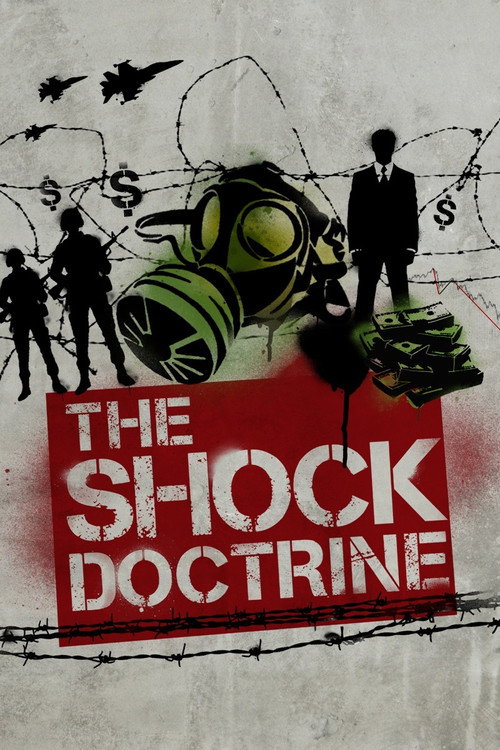
The Shock Doctrine2009
Naomi Klein's account of how disaster capitalism spreads; shows the active ideology behind what looks like neutral economics. Important context for understanding resistance movements globally.
But Dense with history and argument; it moves fast and assumes you'll keep up, which can feel exhausting rather than enlightening.
Stalker1979
Both films trust audiences to think about systemic change, but Stalker approaches it through dreamlike doubt and dread, not argument. Opposite methods, same conviction that transformation is possible and dangerous.
Tarkovsky's science-fiction parable about desire, belief, and what we're willing to sacrifice for change. Glacially beautiful and completely mysterious—a metaphysical argument about the cost of utopian longing.
But Three hours of slow Russian cinema in which almost nothing happens. If you need plot or quick answers, this will test your patience until you break.

People
Cast
- Adaner UsmaniSelf
- Eric FonerSelf
 Cornel WestSelf
- Vivek ChibberSelf
- John NicholsSelf
- Stephanie PriceSelf
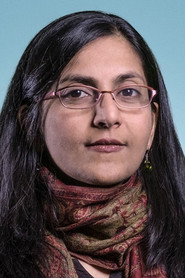 Kshama SawantSelf
- Matt KarpSelf
- Eric BlancSelf
 Naomi KleinSelf
- Brian ReillySelf
Directing
- Yael BridgeDirector
Production
- Christie HerringCo-Producer
- Sasha LeitmannCo-Producer
- Eden WurmfeldProducer
- Morgan SpectorProducer
- Yael BridgeProducer
- Daniel TomanProduction Assistant