
Film
The Panama Deception
A scathing 1992 documentary that demolishes the official narrative of the 1989 US invasion of Panama. Using declassified documents, interviews, and archive footage, it argues the operation was really about geopolitical leverage and corporate interests. Sharp, angry, and rigorously reported—for viewers ready to have their assumptions challenged.
Should you watch it?
Watch it if you want a sober, argument-driven documentary that builds its case from archival footage and sources, and you're happy to be persuaded by a single thesis rather than shown both sides.
Skip it if you come for a balanced account of the invasion, since this is a one-sided polemic that argues its case hard and leaves little room for the government's side.
What it asks of you: Ninety-one minutes of measured narration and a professor at a desk, paced like a lecture rather than a newsreel, with argument carrying far more weight than emotion.
Not sure? Find tonight's pick in a minute.
If you liked this
The Fog of War2003
Errol Morris interviews Robert McNamara about Vietnam, extracting uncomfortable truths about how power justifies itself. Essential viewing for understanding how governments construct narratives around military intervention.
But Nearly two and a half hours of one man talking, with Morris's formal aesthetic keeping distance between you and the material. Requires patience and tolerance for ambiguity.

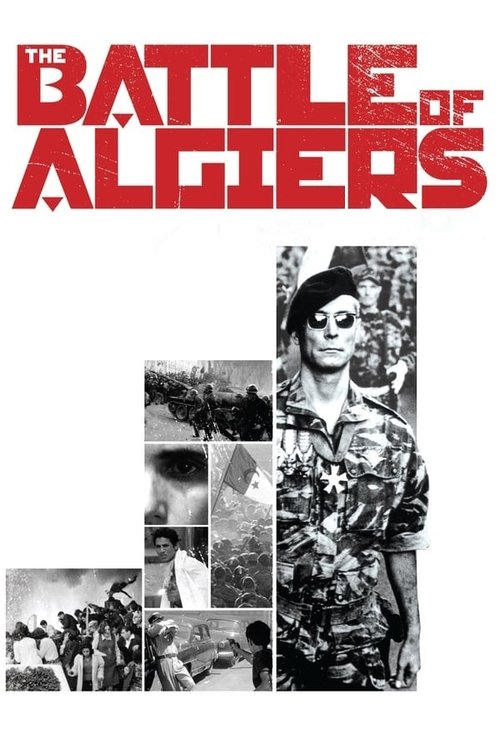
The Battle of Algiers1966
A masterpiece about colonial occupation, urban warfare, and resistance that the Pentagon itself studied. Visceral, intellectually urgent, and made with such craft that you'll feel the moral complexity in your chest.
But It doesn't flinch from depicting terrorism or police brutality. Some scenes are deliberately unsettling, and the ending offers no comfort.
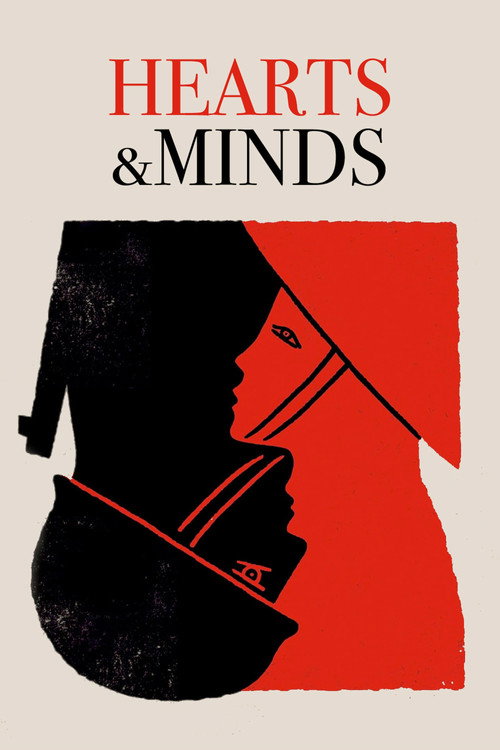
Hearts and Minds1974
The definitive documentary about America's war in Vietnam—awarded the 1974 Oscar. It cuts between military brass, soldiers, families, and Vietnamese civilians to show what interventionism actually costs.
But Unrelentingly bleak. There are sequences of real suffering that aren't mediated or softened. Not a film you watch to feel good.
Not sure tonight? Get a pick in a minute, starting from The Panama Deception
The wildcard
Something you would not have found on your own.
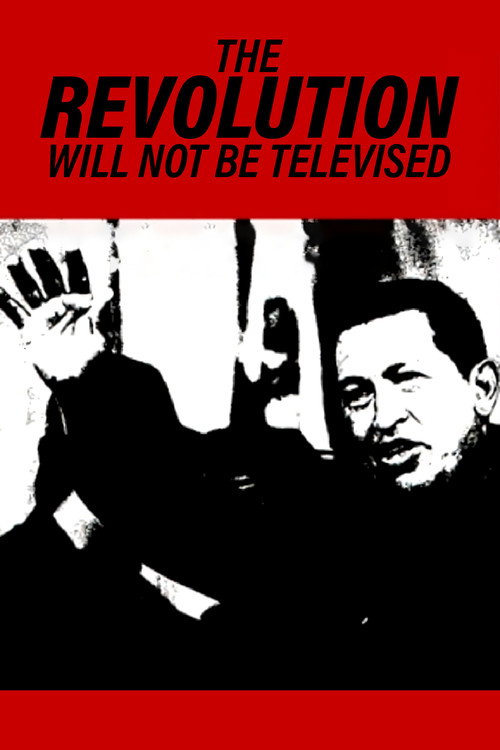
The Revolution Will Not Be Televised2003
Both use direct documentation of state violence and propaganda to argue that official narratives systematically invert the truth. Both are about what happens when Americans try to control Central American governments.
A Venezuelan documentary that captures a real coup attempt in real time, with filmmakers inside government buildings. It's a primer in how state power operates when cameras are present and absent—completely different from understanding it in retrospect.
But Handheld, chaotic, genuinely confusing in the moment. You won't have clear villains and heroes, just people reacting to crisis. Some find that realism uncomfortable.
More like this (6)
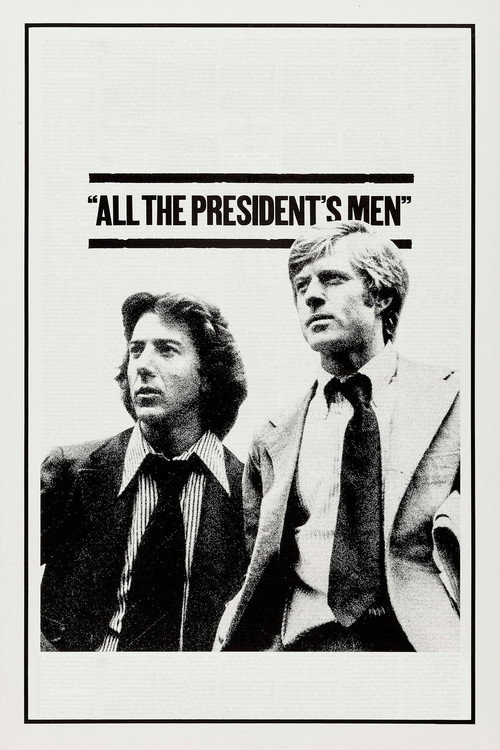
All the President's Men1976
Shows journalism as a check on power—two reporters unpicking lies at the highest level. Thrilling as a procedural and morally galvanizing about what truth-telling requires.
But It's a feel-good movie about institutions, which the evidence in Panama Deception suggests were complicit in larger deceptions. Can feel quaint in hindsight.
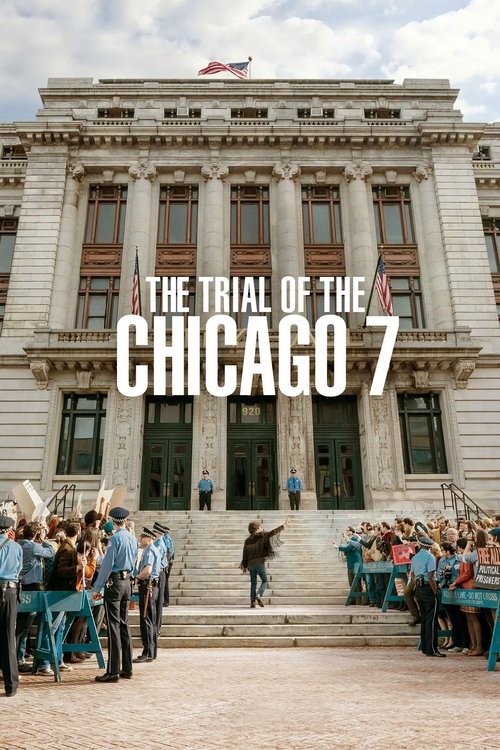
The Trial of the Chicago 72020
Aaron Sorkin's courtroom drama about state power, protest, and who gets to decide what counts as justice. Entertaining, enraged, and directly relevant to how governments suppress dissent.
But Sorkin's dialogue overwhelms nuance with rhetorical flourish. And it's ultimately a comforting film—the system works, justice is possible. Reality is messier.
Nicaragua: No Pasaran1984
Documentary about CIA-backed Contra guerrillas terrorizing Nicaragua. Raw, contemporary reporting that captures the active harm US policy was inflicting in Central America during the invasion years.
But Made on a shoestring, looks it. Feels historically distant now, and repetitive about US responsibility. Benefits from knowing regional history.
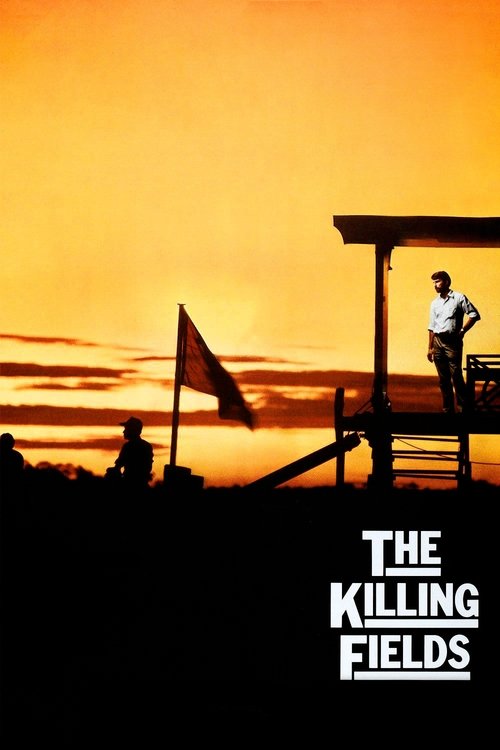
The Killing Fields1984
Based on a true story about Cambodia's devastation, it's a measured, powerful argument about how geopolitical 'realism' produces mass death. Harrowing and historically crucial.
But Bleak and difficult to watch. Not a film that offers catharsis or reassurance. The tragedy is immense and unresolved.
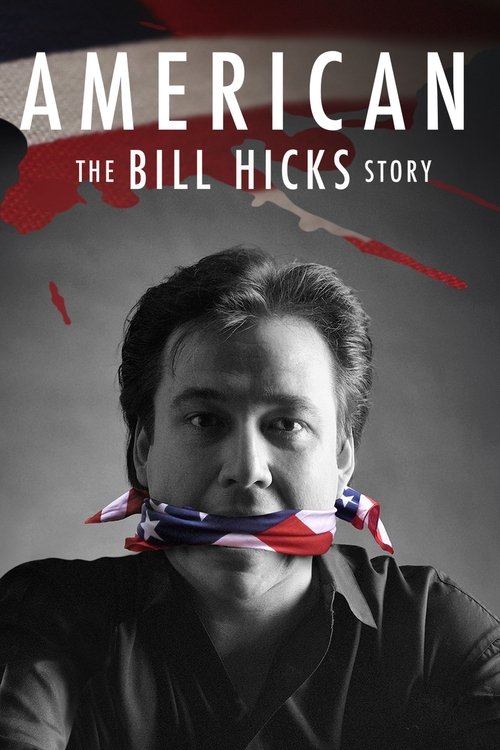
American: The Bill Hicks Story2010
A comedian's life as a lens on American foreign policy, media control, and state violence. Funny, angry, and surprisingly moving about dissent and what it costs.
But Comedy docs can feel slight. This one earns its rage, but some viewers will resist the idea that comedy is a valid form of political discourse.
Memories of Murder2003
Both use narrative technique to argue that official stories are lies, and that the audience's hunger for a clean explanation is exactly what power exploits. One is documentary evidence, the other is moral intuition in fiction form.
A Korean thriller about serial murders and a failing police state. It's not political documentary—it's a genre film—but it's about the gap between what authorities claim and what actually happened, and the violence that gap enables.
But It's a two-hour slow-burn detective story that frustrates you deliberately. Some viewers hate films that withhold satisfaction. Nothing feels resolved.

People
Cast
 Elizabeth MontgomeryNarrator
 Michael ParentiSelf - Author and Professor
- Carlos CantúEnglish Voice-over
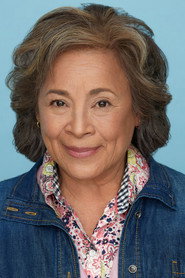 Alma MartinezEnglish Voice-over
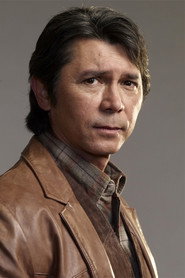 Lou Diamond PhillipsEnglish Voice-over
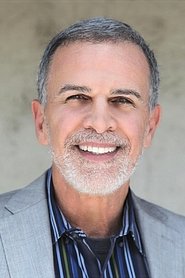 Tony PlanaEnglish Voice-over
Directing
- Barbara TrentDirector
Writing
- David KasperWriter
Production
- Louise HogarthCo-Producer
- Nico PaniguttiPost Production Coordinator
- Barbara TrentProducer
- David KasperProducer
- Joanne DoroshowProducer
- Nico PaniguttiProducer