
Film
Winstanley
A 1975 British film about Gerrard Winstanley, the 17th-century radical who led a communist experiment on English common land. Shot in austere black-and-white, it's a political film disguised as history—uncompromising, deliberately slow, rewarding patience with moral complexity and genuine strangeness. For anyone interested in how revolution actually feels rather than how it's dramatized.
Should you watch it?
Watch it if you are drawn to quiet, austere historical films where ideas are argued in mud and silence, and where the camera waits patiently while people work the land.
Skip it if you need brisk plotting or a clear sense of where a story is heading, since this moves at the pace of tilling soil and leans on argument rather than incident.
What it asks of you: Roughly ninety-five minutes in black and white, with long unhurried takes and few cuts, so settle in and let the frame do the talking.
Not sure? Find tonight's pick in a minute.
If you liked this
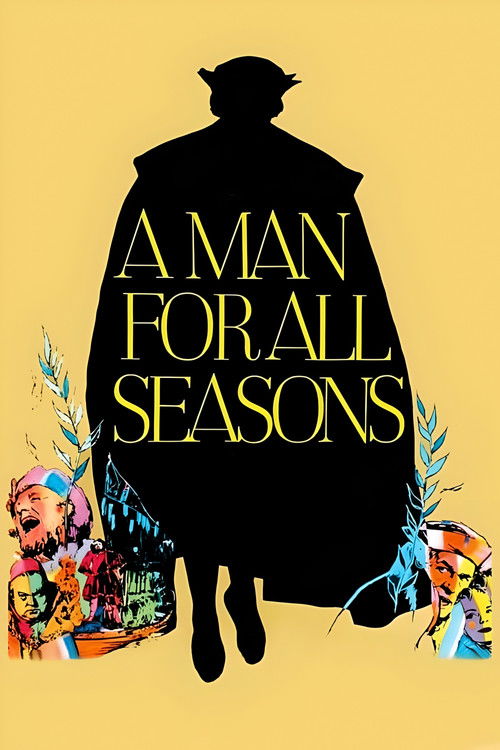
A Man for All Seasons1966
Another film about conviction colliding with power, built on moral argument rather than spectacle. Robert Bolt's dialogue crackles, and the stakes feel genuinely personal despite the historical scale.
But Handsomely produced and earnest in a way that can feel dated. Some find the pacing reverent rather than gripping.
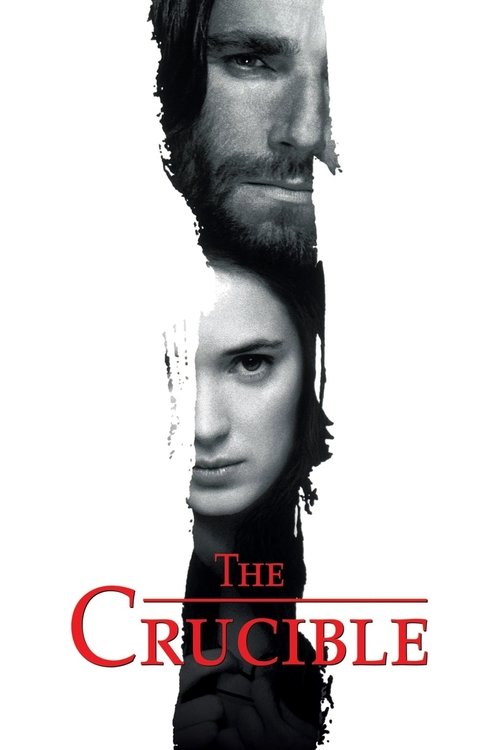
The Crucible1996
Arthur Miller's play about the Salem witch trials, rewritten to examine McCarthyism. Like Winstanley, it uses history to ask urgent contemporary questions about power, conscience, and the cost of dissent.
But The allegory can feel schematic if you're not engaged with the politics. Daniel Day-Lewis is tremendous but the film sometimes disappears into his gravity.
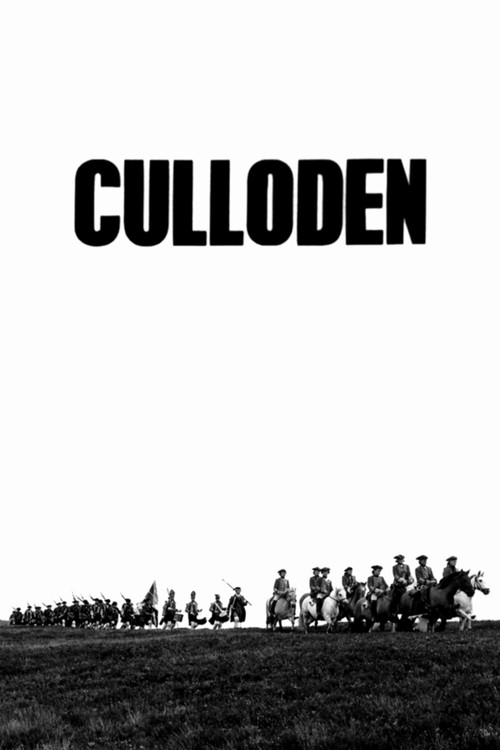
Culloden1964
Peter Watkins' documentary-drama about the 1746 Scottish uprising, shot in grainy black-and-white with no score. It has Winstanley's commitment to making history feel immediate and unromanticised.
But The experimental form—mixing reconstructed scenes with interviews—can feel dated now. The violence is deliberately raw in a way that isn't comfortable.
Not sure tonight? Get a pick in a minute, starting from Winstanley
The wildcard
Something you would not have found on your own.
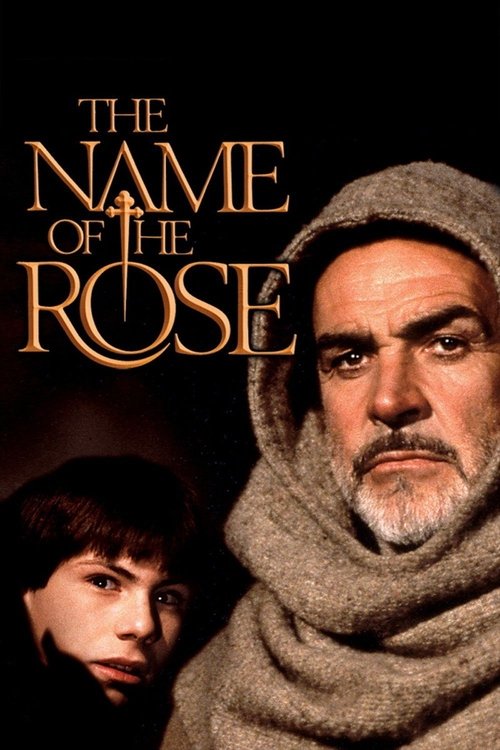
The Name of the Rose1986
Both are historical films about how ideas become dangerous to those in power, and both refuse to simplify their heroes—Winstanley and William of Baskerville are both brilliant and fallible, trapped by their own convictions.
Umberto Eco's medieval monastery murder mystery asks the same question as Winstanley: who controls knowledge, and what happens when the powerful feel threatened by it? Dense, strange, visually extraordinary, genuinely intellectual entertainment.
But Three hours long and packed with theological argument. The mystery can get lost in the philosophy, and some of the pacing choices are baffling.
More like this (8)
Stalker1979
A Russian science-fiction film about desire, belief, and the systems that contain them. Like Winstanley, it's philosophically dense, visually austere, and builds its power through refusal to explain itself.
But It's 163 minutes of slow cinema about metaphysical ideas. If you need plot momentum, you'll be frustrated before the first half ends.

The Leopard1963
Visconti's epic about Italian unification, where the old guard tries to preserve power through reform. Rich and gorgeous, but its real subject is the impossible negotiation between conviction and survival.
But Nearly three hours of Sicilian aristocrats in beautiful rooms. Considerable patience required; the political stakes are buried in manners and music.

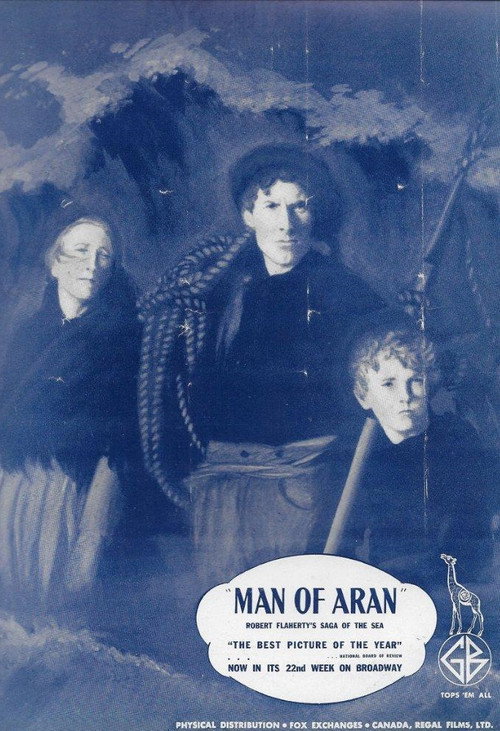
Man of Aran1934
Robert Flaherty's documentary about Irish islanders fighting the sea. It's formally radical for its era—observing labour and struggle without sentimentalising them, shot with extraordinary visual clarity.
But The "documentary" is staged and sometimes borders on exploitation. Modern audiences often find it slow and remote, almost ethnographic.
The Battle of Algiers1966
Pontecorvo's reconstruction of the Algerian war for independence, shot like urgent journalism. It makes revolutionary struggle visceral and morally ambiguous without looking away from either side.
But Explicitly political in ways that can feel didactic. Violence and interrogation are depicted unflinchingly; some viewers find it unbearably tense.

Kes1970
Ken Loach's film about a working-class boy and a hawk. Like Winstanley, it's rooted in English social detail and sees dignity in people the system ignores, without ever being sentimental.
But The harshness of the setting and the cruelty of the ending are genuinely depressing. It's a film that believes in punishment over redemption.

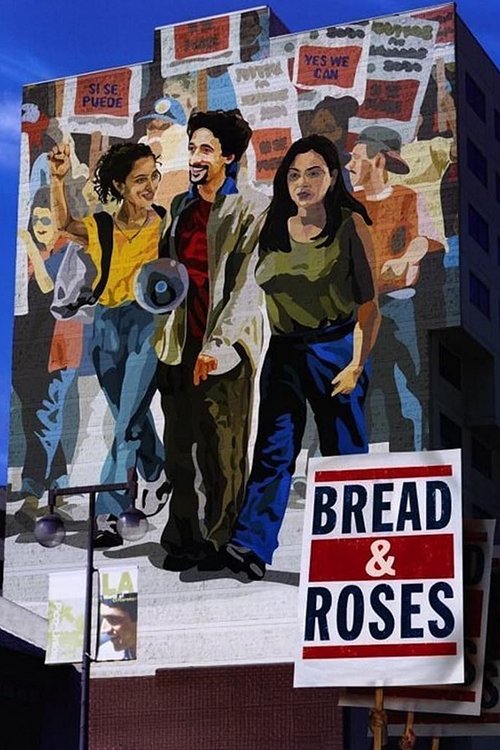
Bread and Roses2000
Ken Loach again—a narrative about cleaners striking in Los Angeles. It shares Winstanley's interest in how ordinary people develop political consciousness, and in the spaces between solidarity and survival.
But The dialogue can feel written rather than heard. Loach's tendency to didacticism is stronger here than in his best work.
Sans Soleil1983
Both films trust the audience to do intellectual work rather than have meaning handed over. Both believe that cinema's power lies in its ability to show contradiction and complexity without resolving them into comfort.
Chris Marker's essay-film moves through Japan, Guinea-Bissau, and Iceland, held together by voice-over and a woman's letters. It's radically different from Winstanley in form, but shares the same conviction that cinema can think—that ideas and images are inseparable.
But There is no plot, no narrative momentum, and the editing is deliberately disorientating. If you need to know what's happening or where you are, this will frustrate you.

The Holy Mountain1973
Both are 1970s films about belief—one historical and material, one visionary and occult—and both were made by filmmakers willing to bore audiences who wanted conventional drama, because they had something they needed to say.
Jodorowsky's surrealist spiritual epic about enlightenment and transformation. Wildly different in every way from Winstanley, but equally uncompromising: a film that refuses commercial shape and insists on its own moral vision with complete seriousness.
But It's deliberately obscure, theologically cryptic, and contains disturbing imagery including animal death. Some will find it pretentious; others, genuinely transcendent. No middle ground exists.

People
Cast
- Miles HalliwellGerrard Winstanley
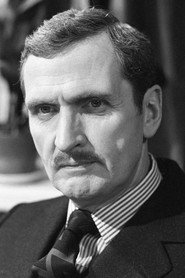 Jerome WillisGeneral Lord Fairfax
- Terry HigginsTom Haydon
- Phil OliverWill Everard
- David BramleyParson Platt
- Alison HalliwellMrs. Platt
- Dawson FranceCapt. Gladman
- Bill PetchHenry Bickerstaffe
- Barry ShawColonel Rich
- Sid RawleRanter
- George HawkinsJohn Coulton
- Stanley ReedRecorder
Directing
- Charles ReesAssistant Director
- Charles WareAssistant Director
- Ian SellarAssistant Director
- Andrew MolloDirector
- Kevin BrownlowDirector
- Marina LewyckaScript Supervisor
Writing
- Gerrard WinstanleyAuthor
- David CauteNovel
- Andrew MolloScreenplay
- Kevin BrownlowScreenplay
Production
- Mamoun HassanExecutive Producer
- Andrew MolloProducer
- Kevin BrownlowProducer
- Virginia BrownlowProduction Assistant
- William DiverProduction Assistant