
Film
The Pied Piper
Other titles called The Pied Piper: the 1933 film.
- Period drama
- Very dark
Jacques Demy's dark reimagining of the Pied Piper legend relocates the fairy tale to plague-ravaged medieval Germany, transforming it into a parable about greed, injustice, and the wages of broken promises. Shot in washed-out colours with a haunting folk score, it's a serious, occasionally surreal meditation dressed in fantasy's clothes. For viewers who want their legends complicated and their fables to cut.
Should you watch it?
Watch it if you want a folk-tinged medieval fable told with a rough, earthy hand, where the plague and the powerful's greed are the real monsters and the music carries a darker, mythic weight.
Skip it if you want a tidy, cheerful children's tale, since this is a grim, talky period piece with stagey sets and a slow build that takes its time reaching the rats.
What it asks of you: Settle into ninety minutes of medieval squalor and courtly wrangling, with long, unhurried scenes, a heavy atmosphere, and patience before the strangeness fully arrives.
Not sure? Find tonight's pick in a minute.
If you liked this
The Seventh Seal1957
Bergman's masterpiece uses medieval plague as backdrop for philosophy and mortality. Like Demy's film, it treats historical catastrophe not as backdrop but as crucible for human nature.
But Deliberately paced, heavy on dialogue and internal struggle. If you want narrative momentum over existential dread, look elsewhere.

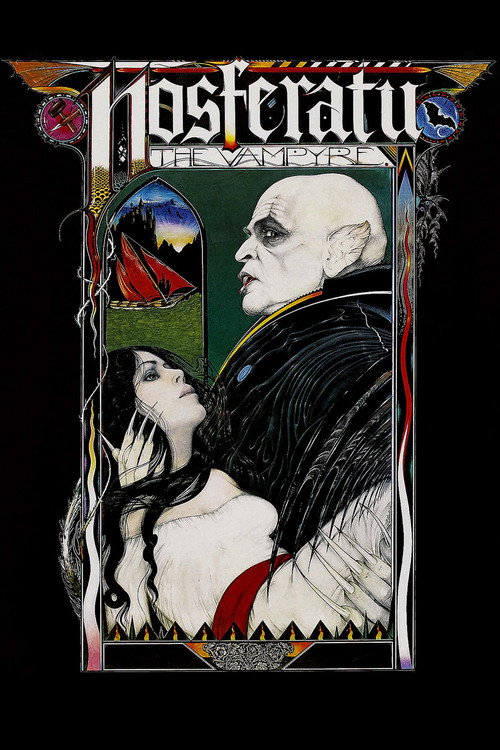
Nosferatu the Vampyre1979
Herzog's gorgeous, eerie retelling of Dracula shares Demy's interest in plague, decay, and the supernatural as mirror for social collapse. Visually hypnotic in similar ways.
But Slower than you might expect from a vampire film, with long stretches of atmospheric dread rather than action.
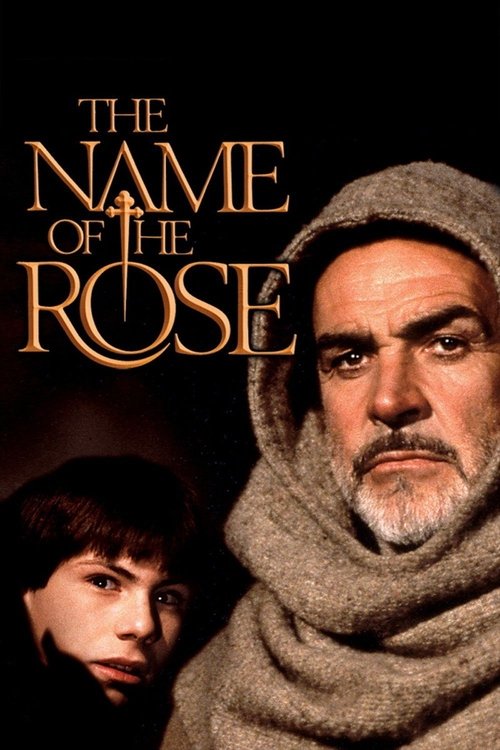
The Name of the Rose1986
Medieval mystery set in a monastery during plague times. Like Demy's film, it braids historical detail, religious corruption, and murder into something that feels like legend being solved in real time.
But Long, dense, and occasionally ponderous. The dialogue can feel more like a lecture than drama.
Not sure tonight? Get a pick in a minute, starting from The Pied Piper
The wildcard
Something you would not have found on your own.
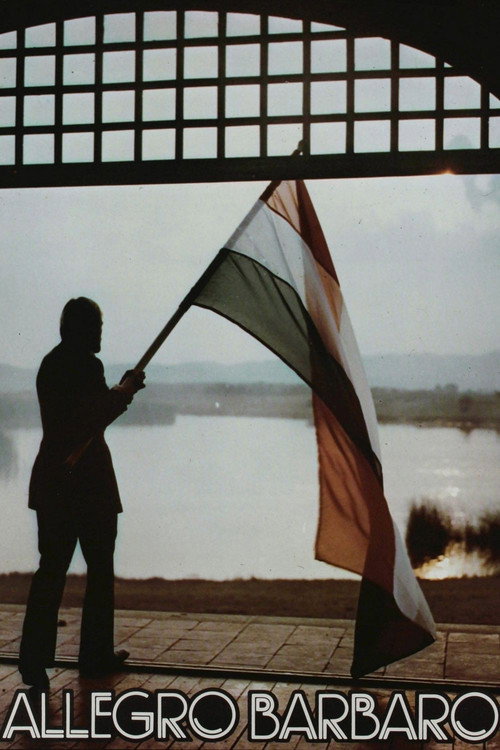
Allegro Barbaro1979
Both use plague and mass death as lens for examining how societies blame the innocent and protect the guilty.
Elem Klimov's brutal Soviet film uses a fictional plague to dissect authoritarianism and scapegoating in real time. Where Demy uses medieval history to examine timeless sins, Klimov uses fantasy to indict the present moment directly.
But Extremely difficult viewing—violent, grotesque, and politically blunt in ways that feel raw rather than cathartic. Some will find it exploitative.
More like this (7)
Dekalog1989
Kieślowski's ten-part series examines ethical collapse in contemporary Warsaw with the moral clarity of medieval allegory. Both works treat the mundane world as stage for timeless human failures.
But Deliberately slow. Each episode asks questions rather than answering them. Requires patience and genuine engagement.

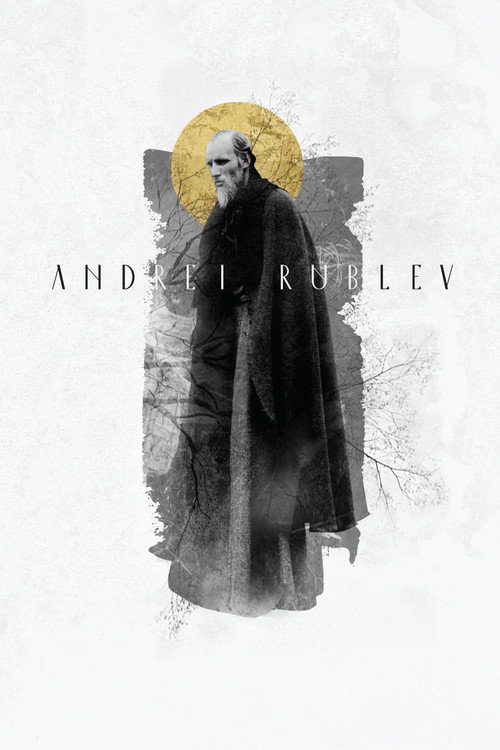
Andrei Rublev1966
Tarkovsky's epic about a 15th-century icon painter navigates faith, art, and suffering during times of violence and plague. Shares Demy's sense that creativity and morality are forged in catastrophe.
But Three-hour meditation with long stretches of silence. Tests even patient viewers' commitment to its particular vision.
Stalker1979
Tarkovsky again, but this time in SF dress. Both films use their fantastical premises to ask sharp questions about desire, corruption, and what we truly value when tested.
But Glacially slow and deliberately withholding. The payoff is philosophical rather than narrative.

Under the Skin2014
Glazer's film uses an alien predator and Scottish landscape to explore human cruelty and alienation. Both films find the uncanny in the everyday, using strangeness to sharpen moral sight.
But Minimal dialogue, maximum ambiguity. Some will find it pretentious; others will find it impenetrable.

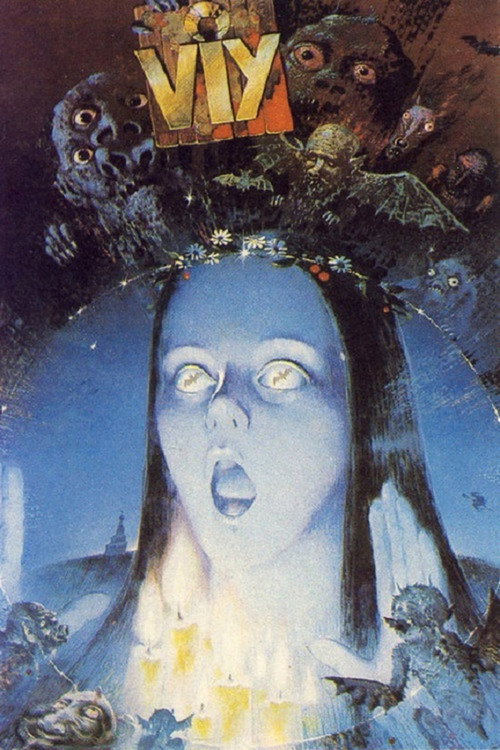
Viy1967
Soviet Gothic horror adapted from Gogol. Like Demy's film, it treats folk legend and supernatural threat as inseparable from social corruption and the power of the church.
But Genuinely creepy in ways that may feel dated. The pacing is uneven and some sequences drag.
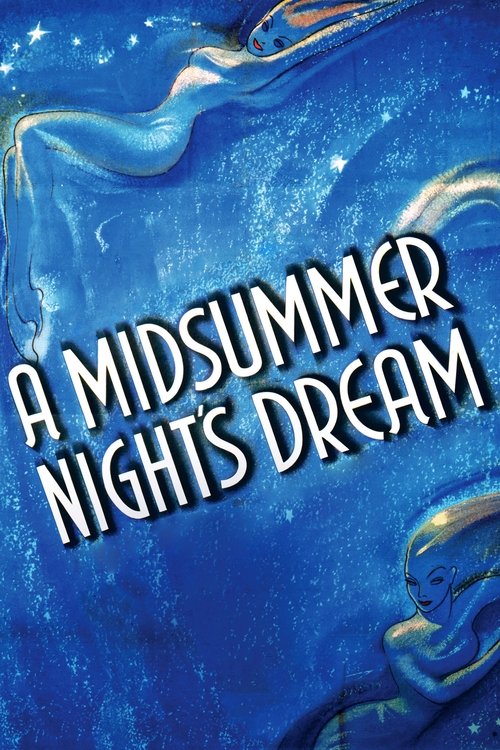
A Midsummer Night's Dream1935
Both are versions of legends that refuse to stay quaint, insisting instead that magic reveals rather than escapes the world's moral failures.
Max Reinhardt's visually extravagant adaptation of Shakespeare uses fairy magic and midsummer chaos to expose human folly and desire. Like Demy's film, it's a fantastical story told with painterly seriousness about very human corruption.
But The theatrical camp and whimsy may feel at odds with Demy's grimness. Also: it's Shakespeare, adapted for 1935 Hollywood sensibilities—some choices have aged oddly.
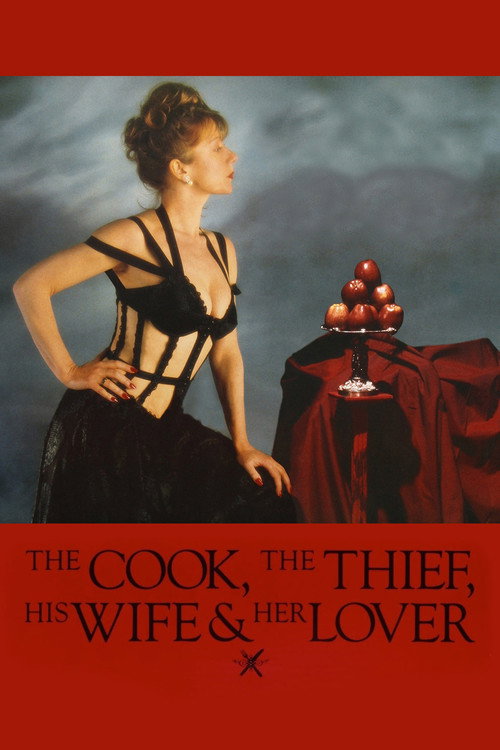
The Cook, the Thief, His Wife & Her Lover1989
Both films use heightened aesthetics and genre conventions (fairy tale, Gothic excess) to render moral corruption visible and visceral.
Peter Greenaway's baroque revenge tragedy uses colour, composition, and grotesque excess to examine power, consumption, and justice. Like Demy's film, it's a moral fable in genre dress—allegory with teeth and blood.
But Aggressively artificial and sexually explicit. The style overwhelms narrative; some will find it gorgeous, others unwatchable. Fair warning: it's genuinely obscene in its way.
People
Cast
 DonovanThe Pied Piper
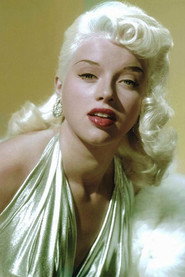 Diana DorsFrau Poppendick
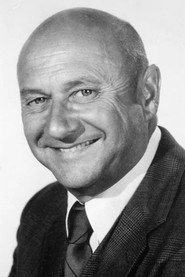 Donald PleasenceThe Baron
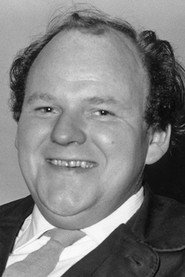 Roy KinnearBurgermeister Poppendick
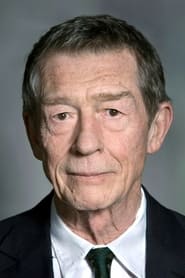 John HurtFranz
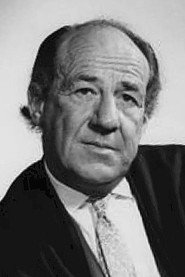 Michael HordernMelius, Alchemist
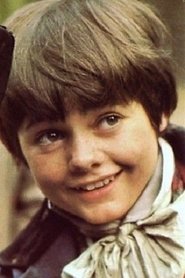 Jack WildGavin
 Peter VaughanBishop
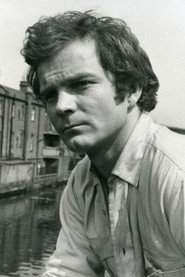 Keith BuckleyMattio
 Cathryn HarrisonLisa
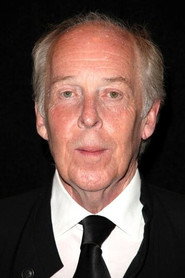 Peter EyrePilgrim
 David LelandOfficer
Directing
- Jacques DemyDirector
Writing
- Andrew BirkinWriter
- Jacques DemyWriter
- Mark PeploeWriter
Production
- Gavrik LoseyAssociate Producer
- David PuttnamProducer
- Sanford LiebersonProducer